
Wooden Footwear Around the World | Why Have People Worn Wood on Their Feet?
Wood is hard, so it may seem like an unusual material for footwear. Yet, around the world, wooden shoes and sandals have been made and worn in everyday life across many different cultures.
From Japanese geta to European clogs and Southeast Asian wooden sandals, these traditional forms of footwear vary widely in shape and purpose.
Why have people chosen wood as a material for footwear?
Traditional Wooden Footwear from Seven Regions
The Netherlands | Klompen
Klompen are traditional Dutch wooden clogs, typically carved from wood to enclose the entire foot. Historically worn for farming and other types of work, they helped protect feet from wet ground and certain workplace hazards. They are still worn for practical purposes in some rural areas today.
Sweden | Träskor
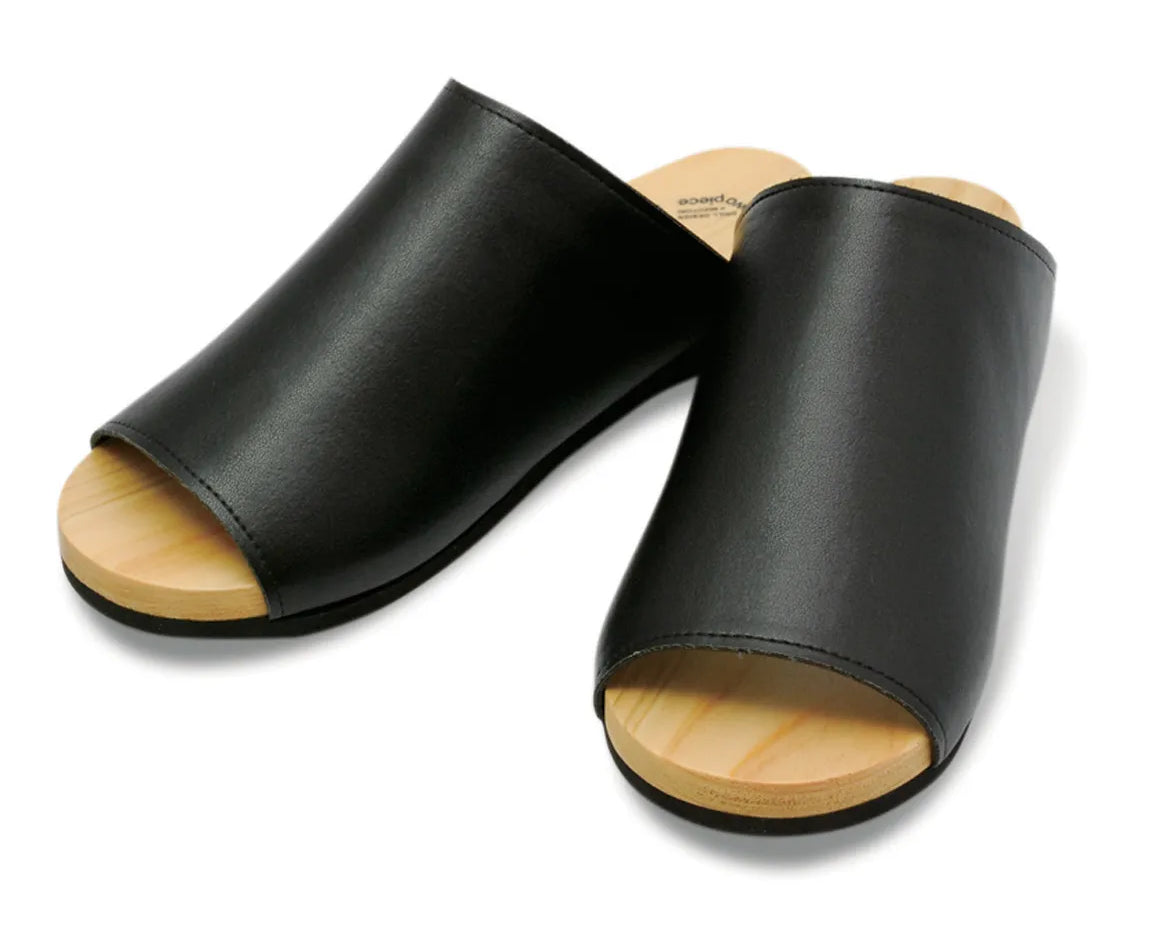
Träskor are traditional wooden clogs worn in Sweden and other parts of Scandinavia. Some styles combine wooden soles with leather uppers. Once commonly worn for work and everyday activities, they have also evolved into contemporary fashion footwear.
Vietnam | Guốc mộc
Guốc mộc are traditional Vietnamese wooden sandals, often featuring wooden soles with straps. Historically worn in everyday life, they have also been paired with the áo dài, Vietnam's traditional dress. Traditional wooden sandal-making techniques continue to be practiced today.
Indonesia | Bakiak
Bakiak are traditional Indonesian wooden sandals, commonly made with wooden soles and straps. In addition to their use as footwear, specially designed long wooden sandals are used in traditional group games, where several people walk together in step.
Korea | Namaksin
Namaksin are traditional Korean wooden shoes carved from wood. They were worn in rainy weather and on muddy roads to help keep the feet above wet ground.
Turkey | Nalın
Nalın were wooden footwear used in bathhouses during the Ottoman period. Their elevated soles helped keep feet away from wet floors. They ranged from practical bathhouse footwear to elaborately decorated examples.
Japan | Geta
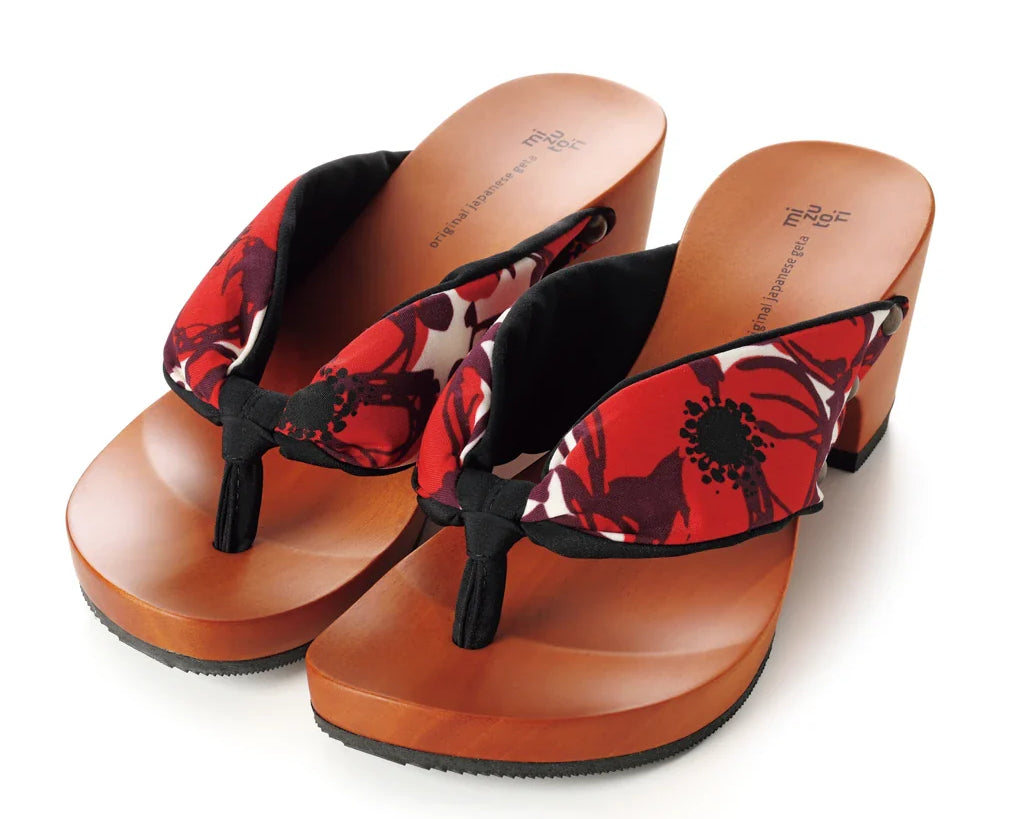
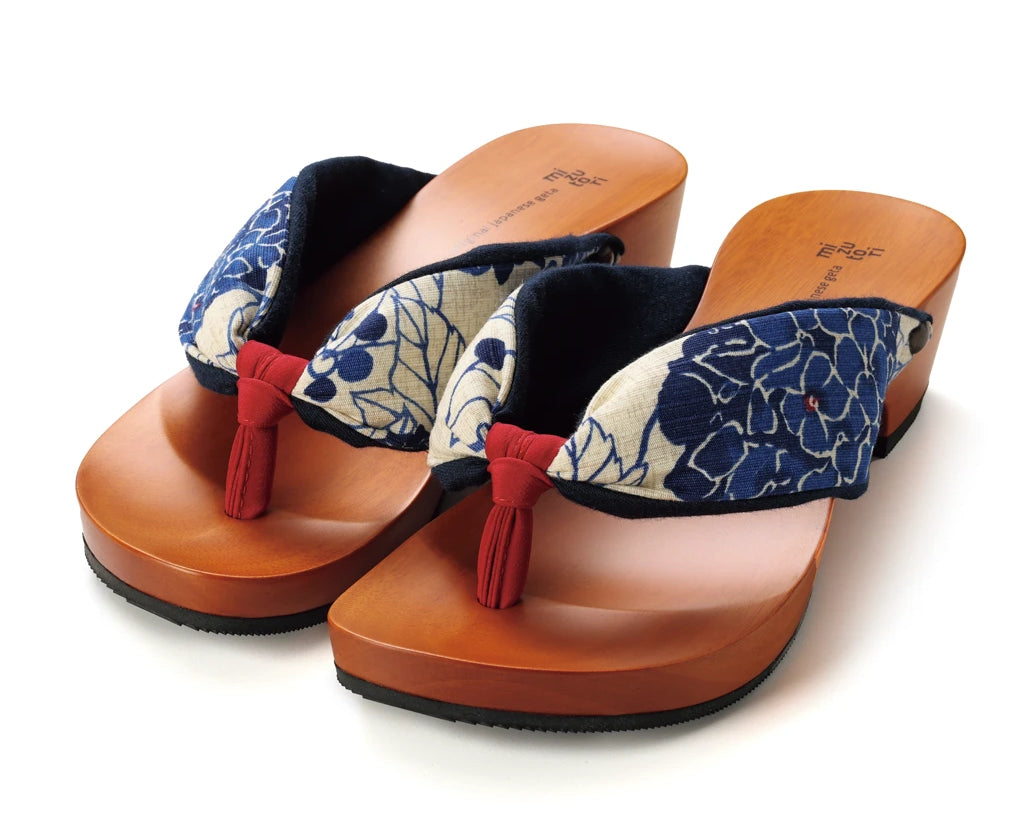
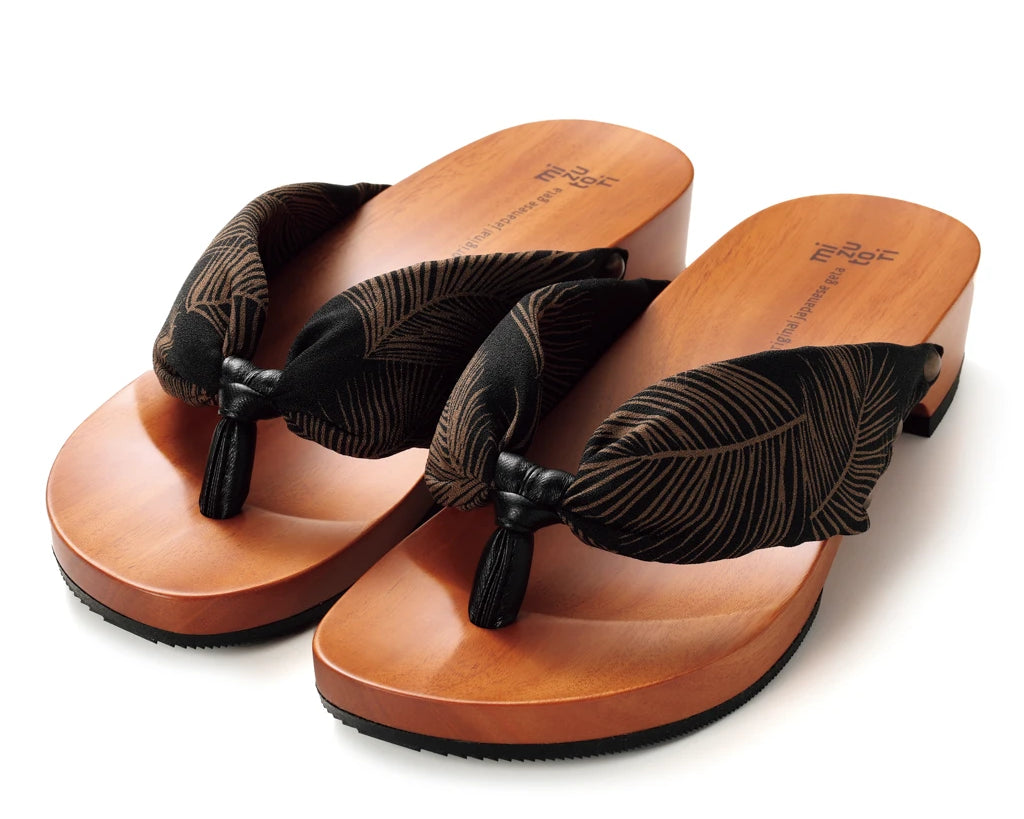
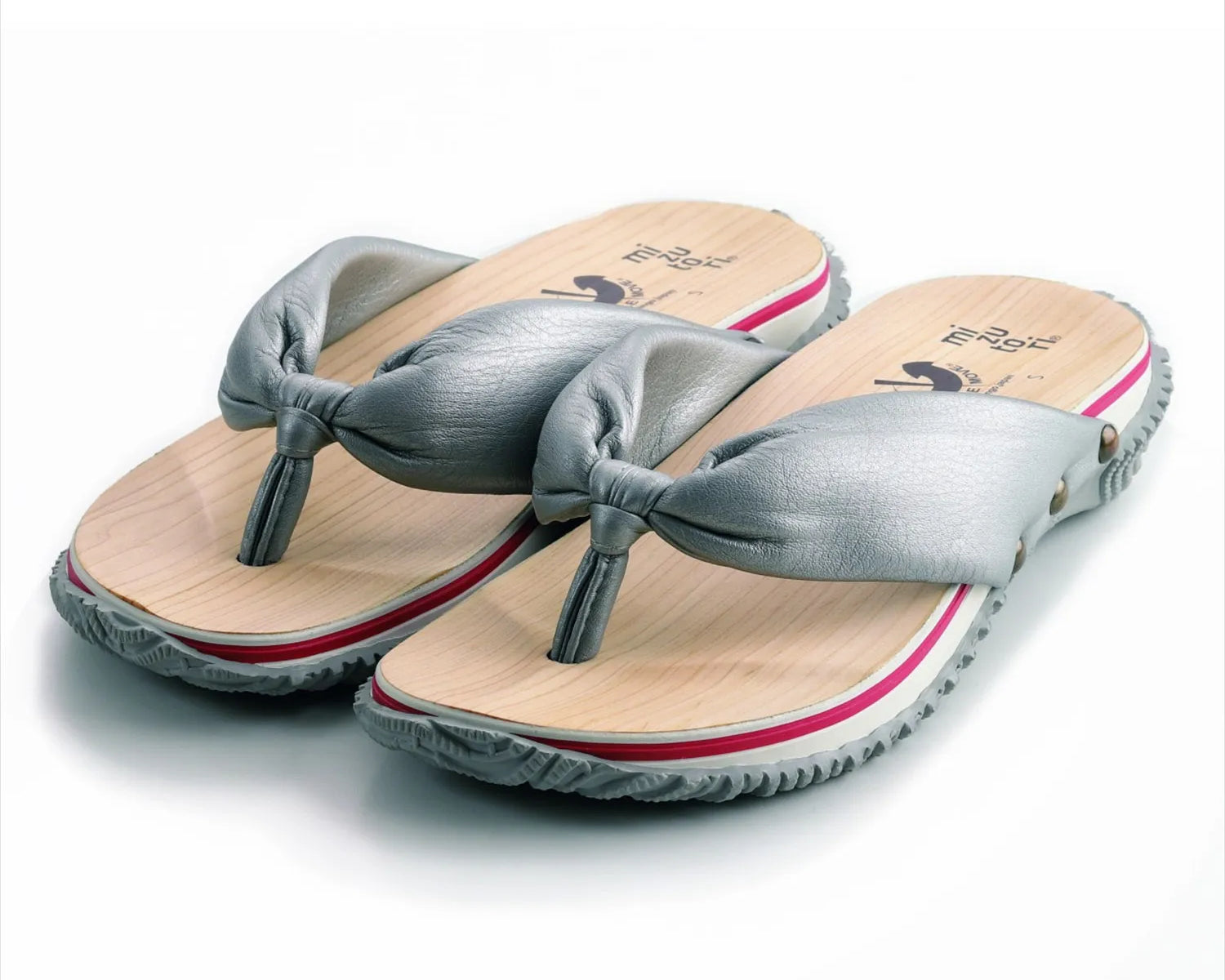
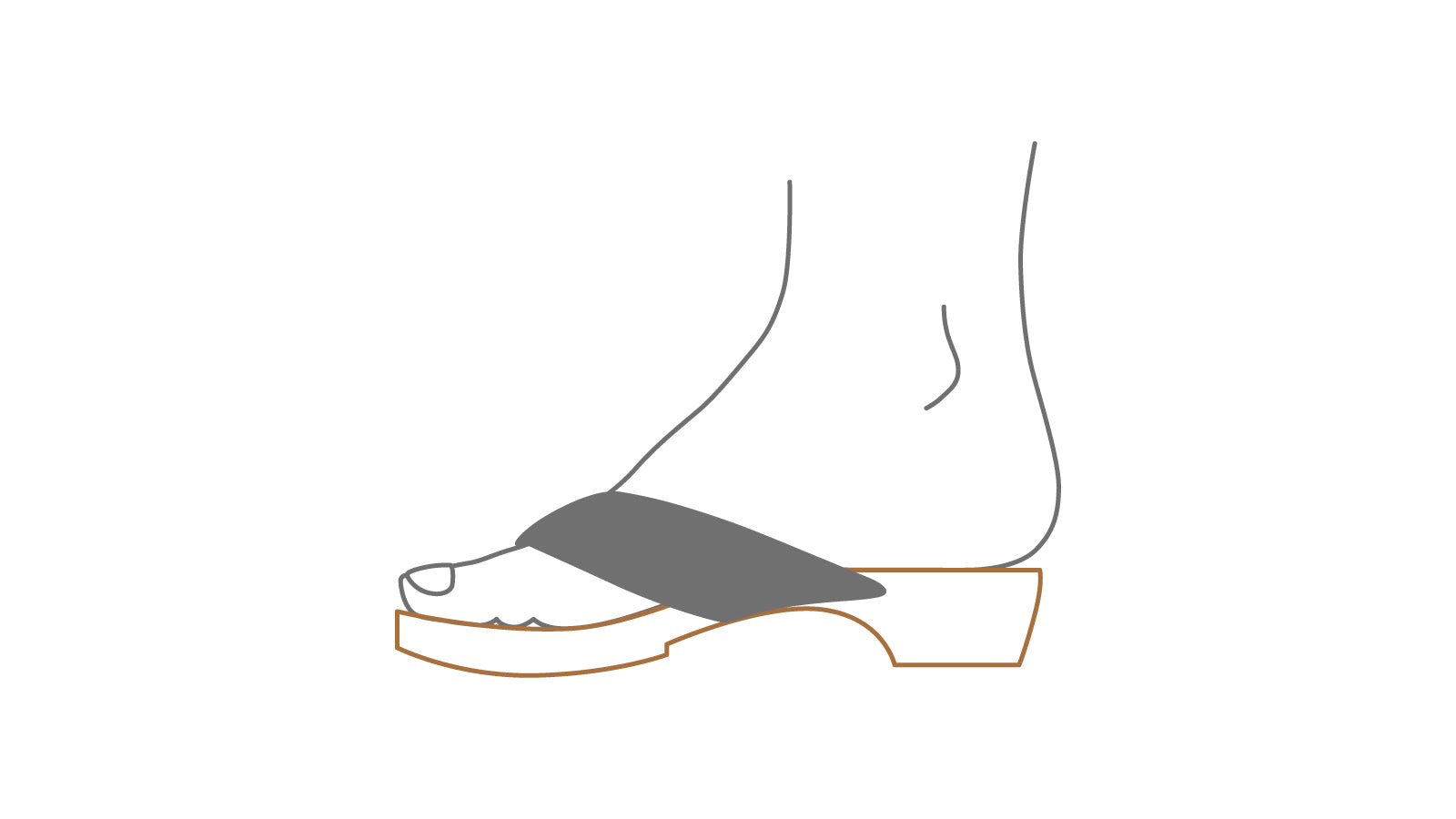
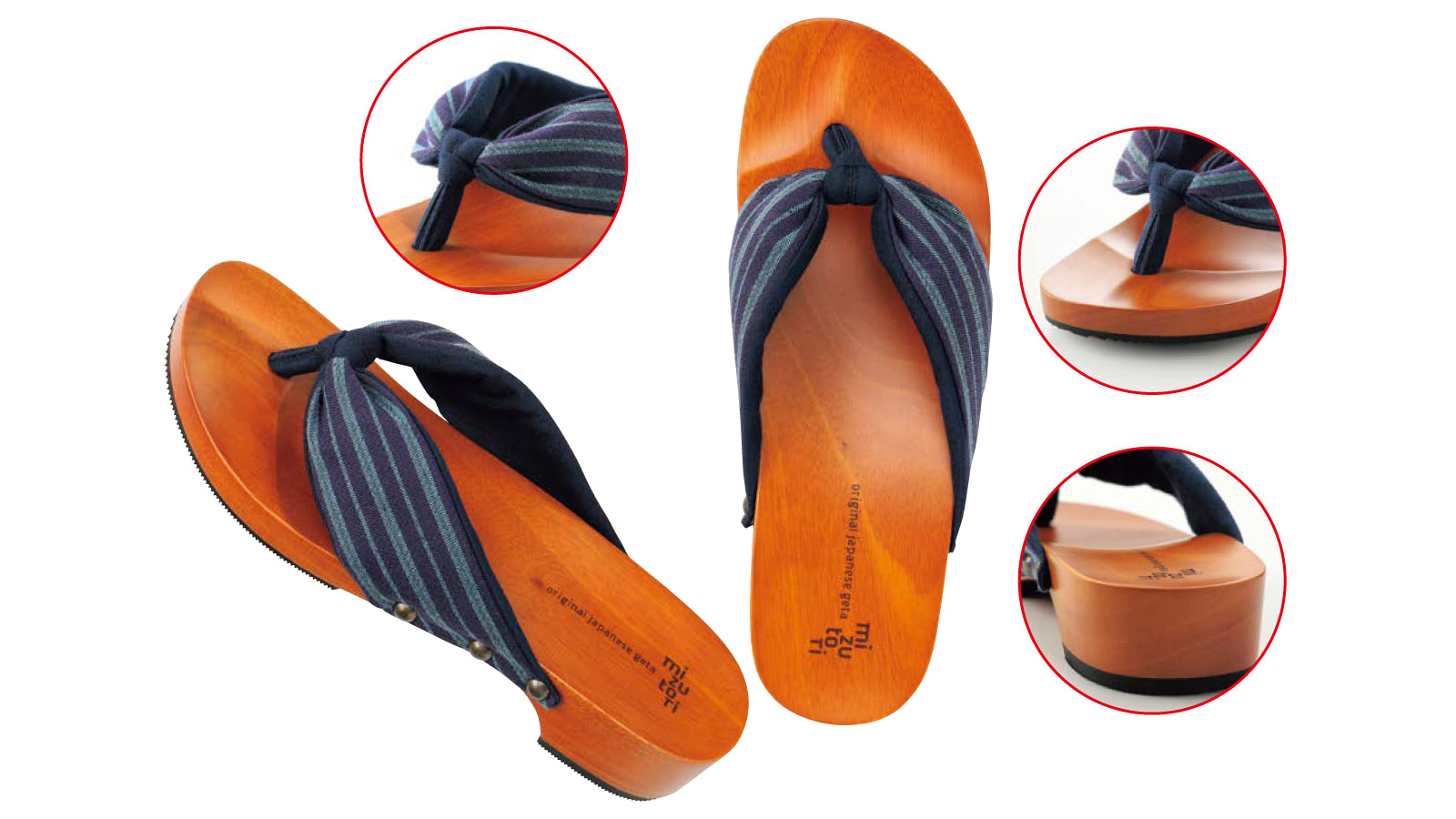
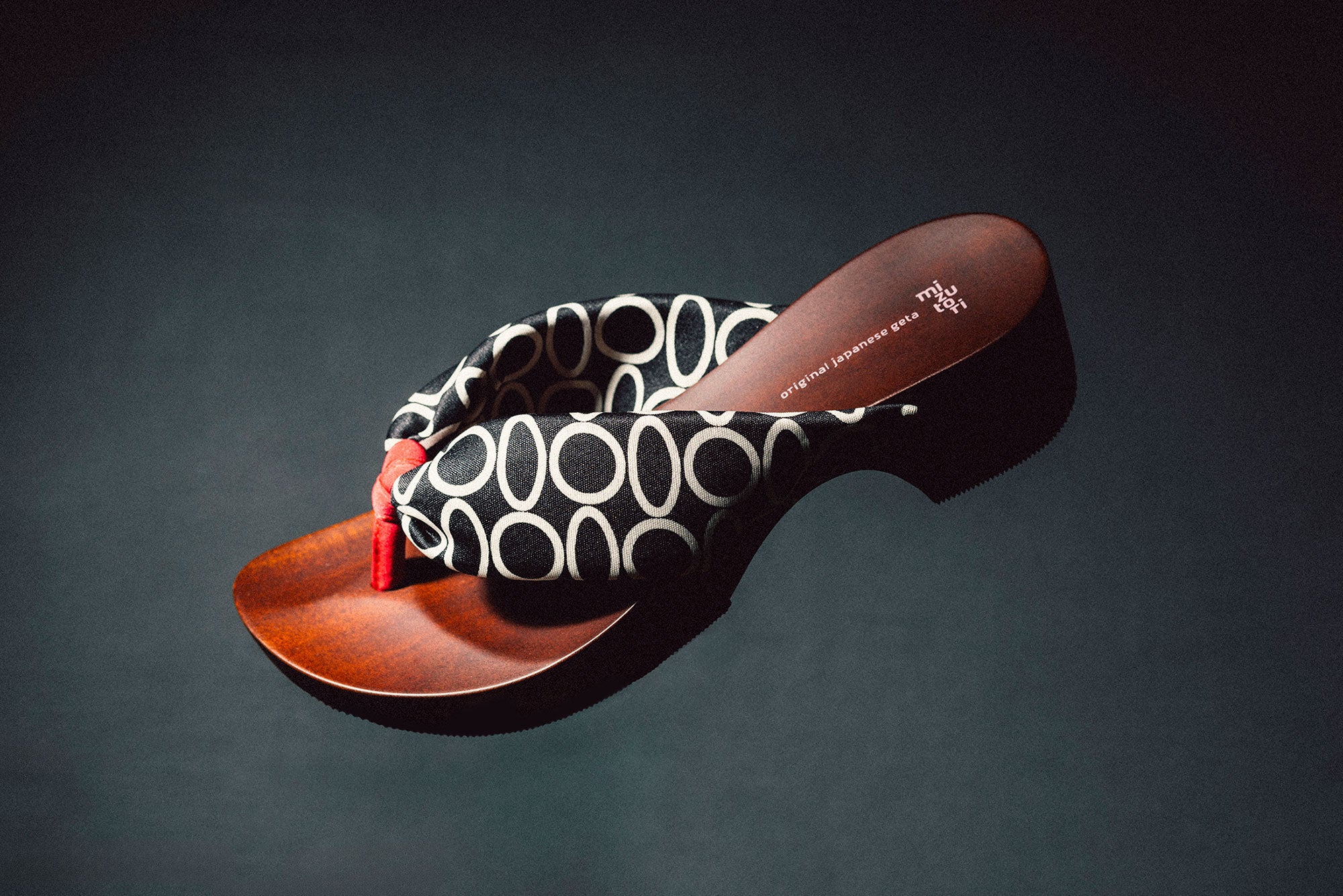
Geta are traditional Japanese footwear made with wooden soles and straps called hanao. Over time, different styles have developed to suit various purposes and lifestyles, including two-toothed geta and the lower-profile ukon geta.

Why Did Wooden Footwear Develop Around the World?
The reasons for choosing wood varied from region to region.
Wood was often locally available, could be shaped into different forms, and was durable enough for repeated use. Wooden footwear could also help protect feet from mud, water, and uneven ground.
Some designs enclosed the entire foot, while others supported it on a wooden platform. The presence of wooden footwear in both colder and warmer climates shows how people adapted the material to their environments and everyday needs.
Wooden Footwear Continues to Evolve
Today, shoes made from soft and lightweight materials are widely available. Yet the tradition of wooden footwear has not disappeared.
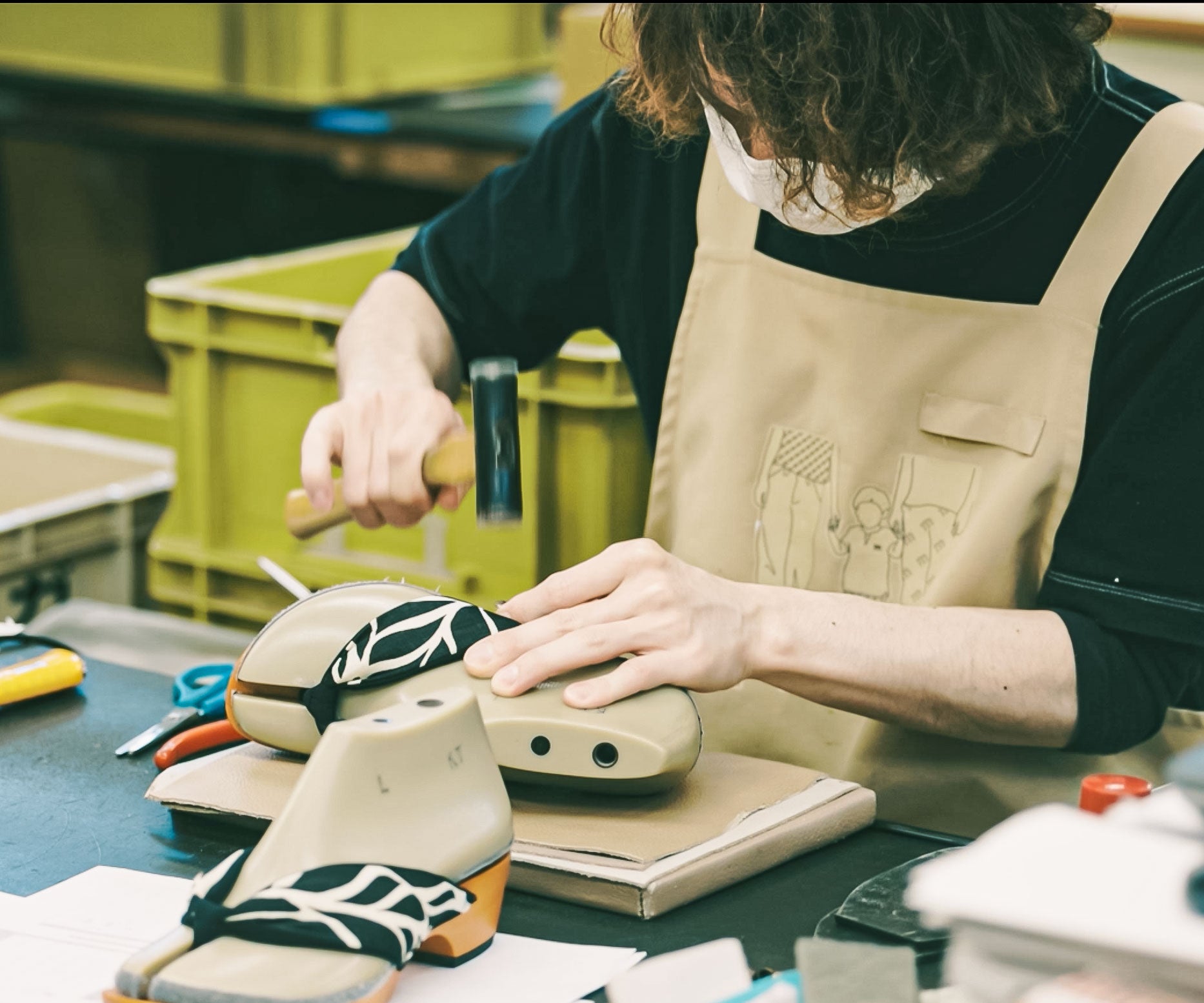
While some styles preserve their traditional forms, others, such as Swedish wooden clogs and Japanese geta, have evolved to suit contemporary fashion and lifestyles.
Through these gradual changes, wooden footwear continues to carry its cultural heritage into the present.

Conclusion | Japanese Geta in a Global Context
Wooden footwear around the world has taken many different forms, each with its own history. What these traditions share is the ingenuity of people who transformed a familiar natural material into something practical for everyday life.
Japanese geta are part of this wider global tradition of wooden footwear.
These examples from around the world remind us that even a hard material like wood can offer remarkable possibilities for footwear.
And perhaps, even in our modern lives, the simple experience of coming into direct contact with wood—a natural material—can bring a quiet sense of comfort and peace.