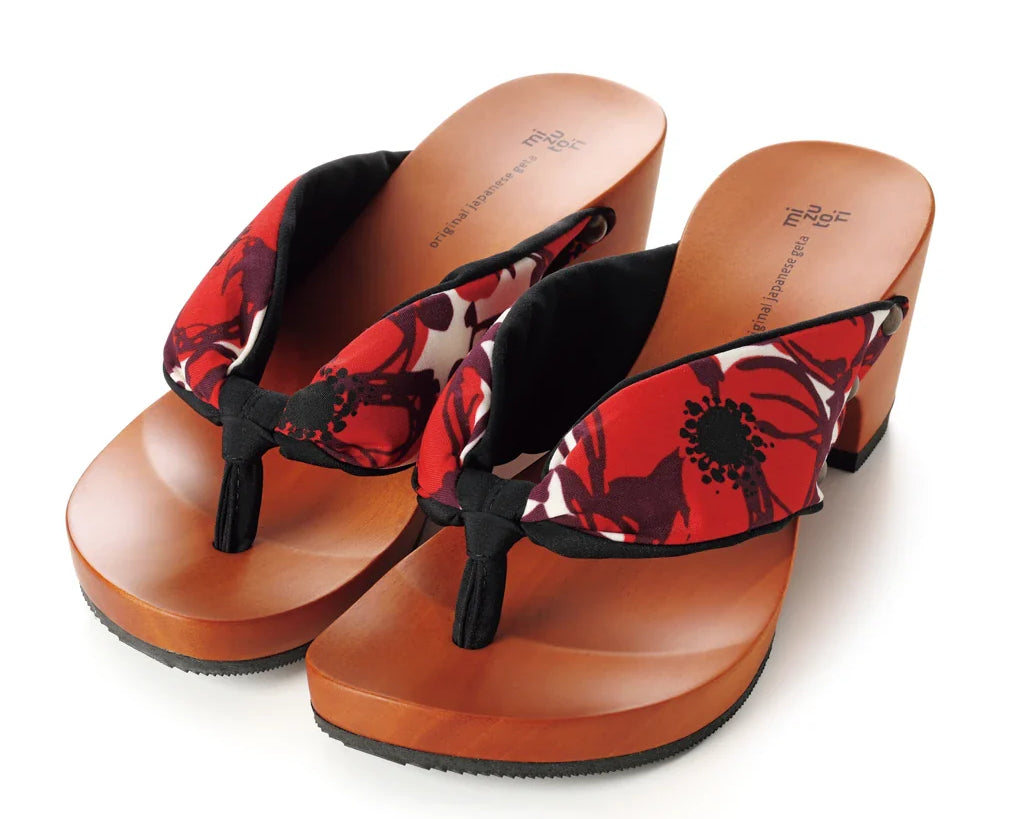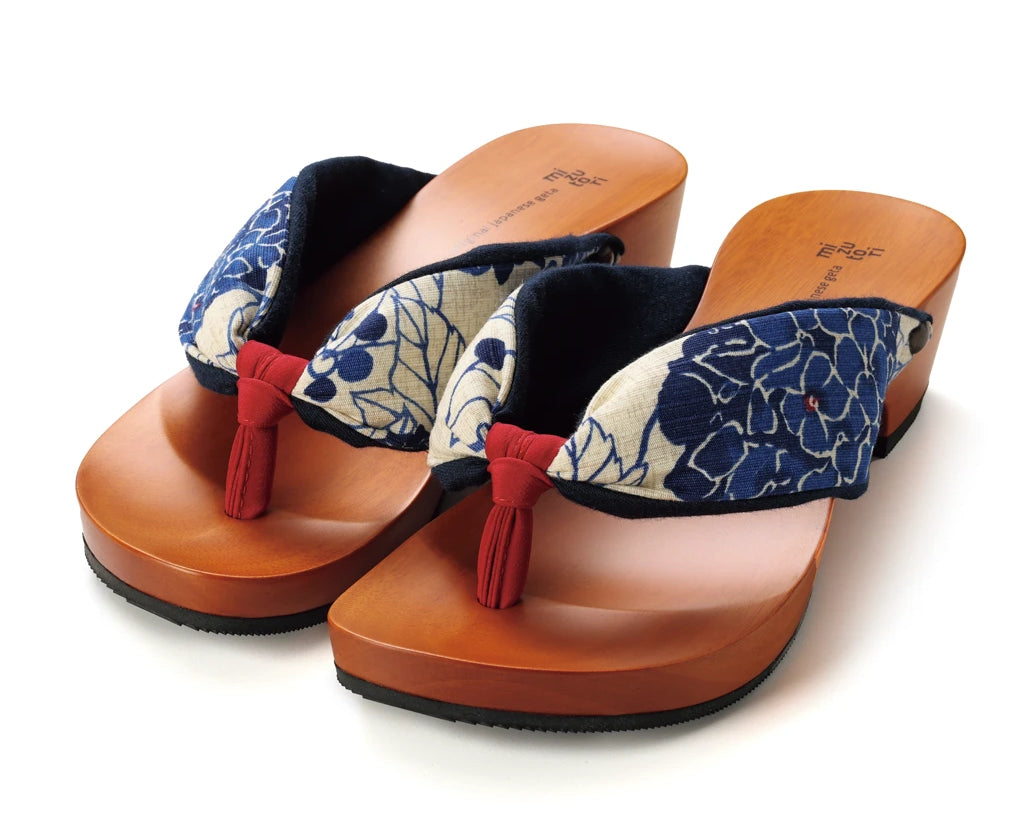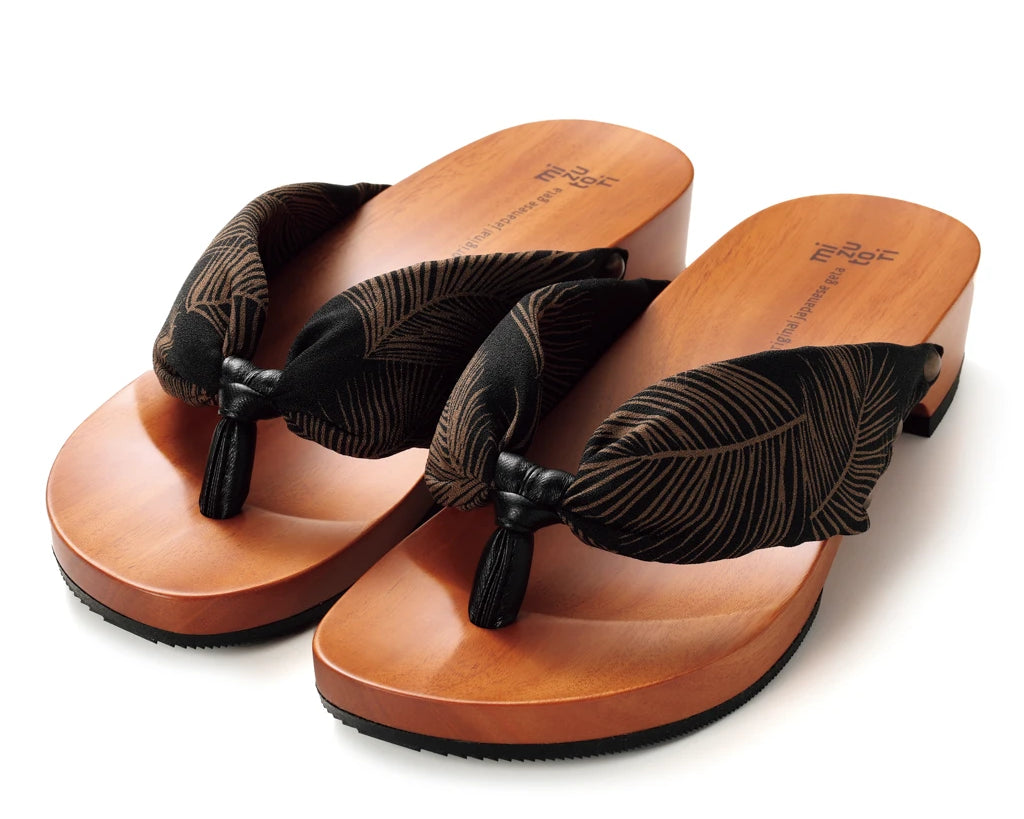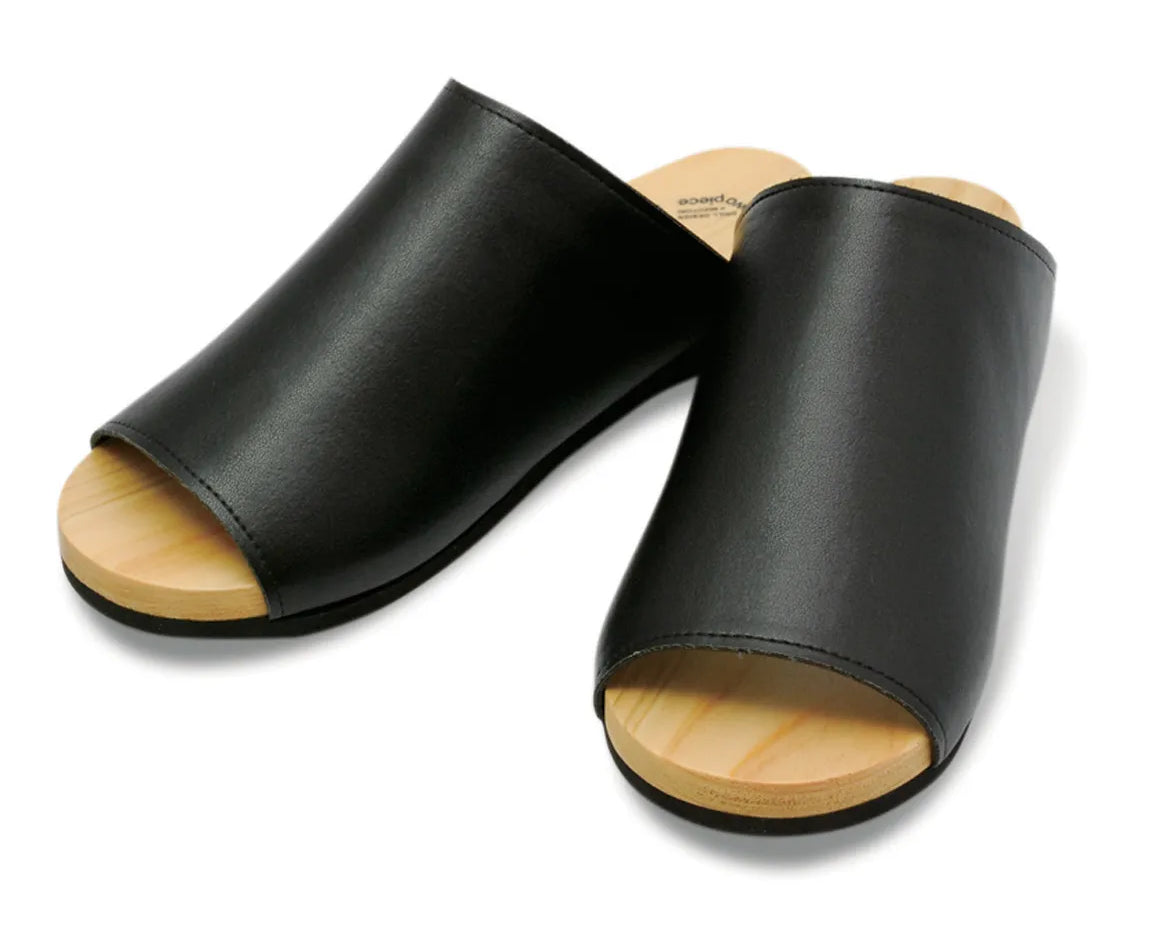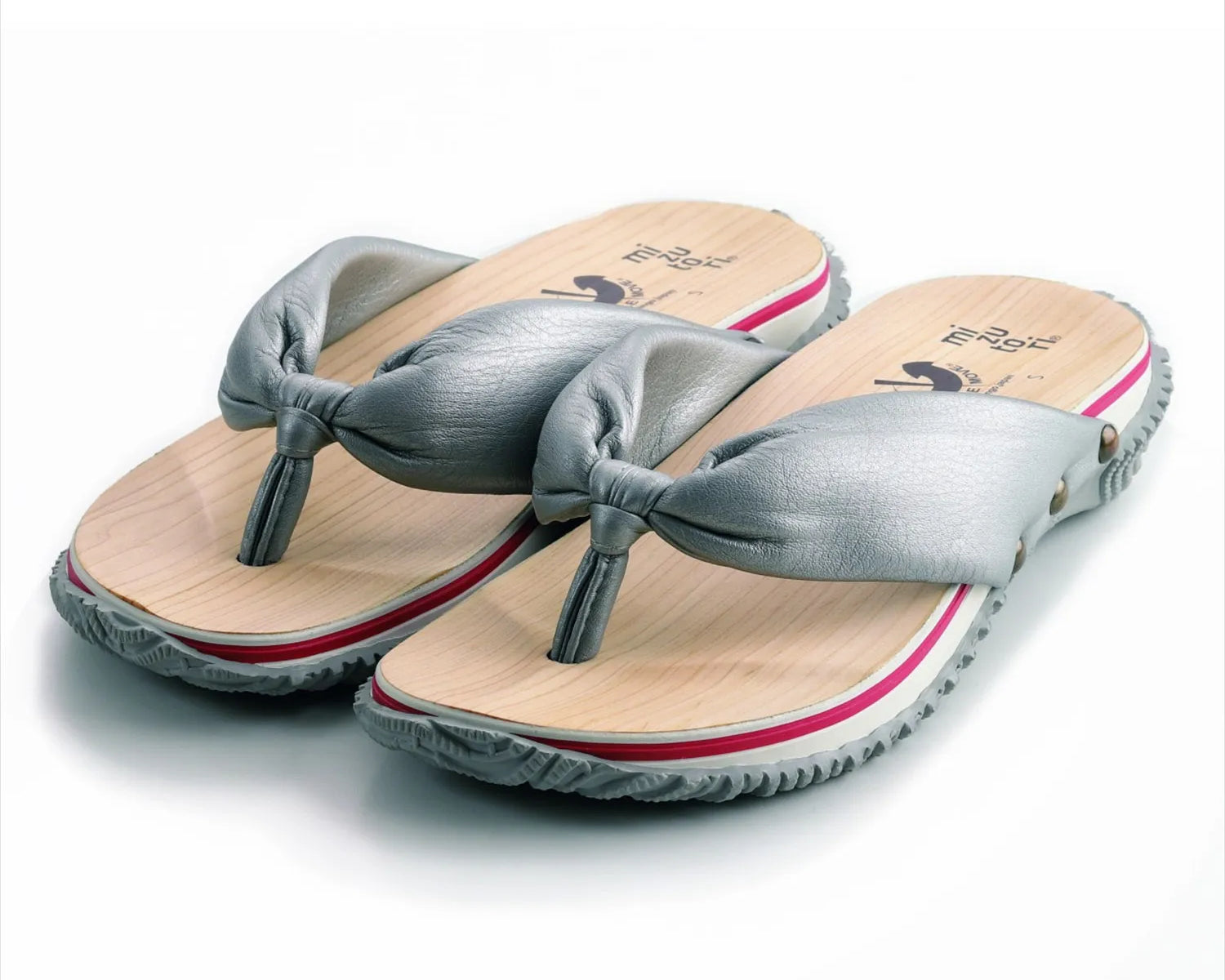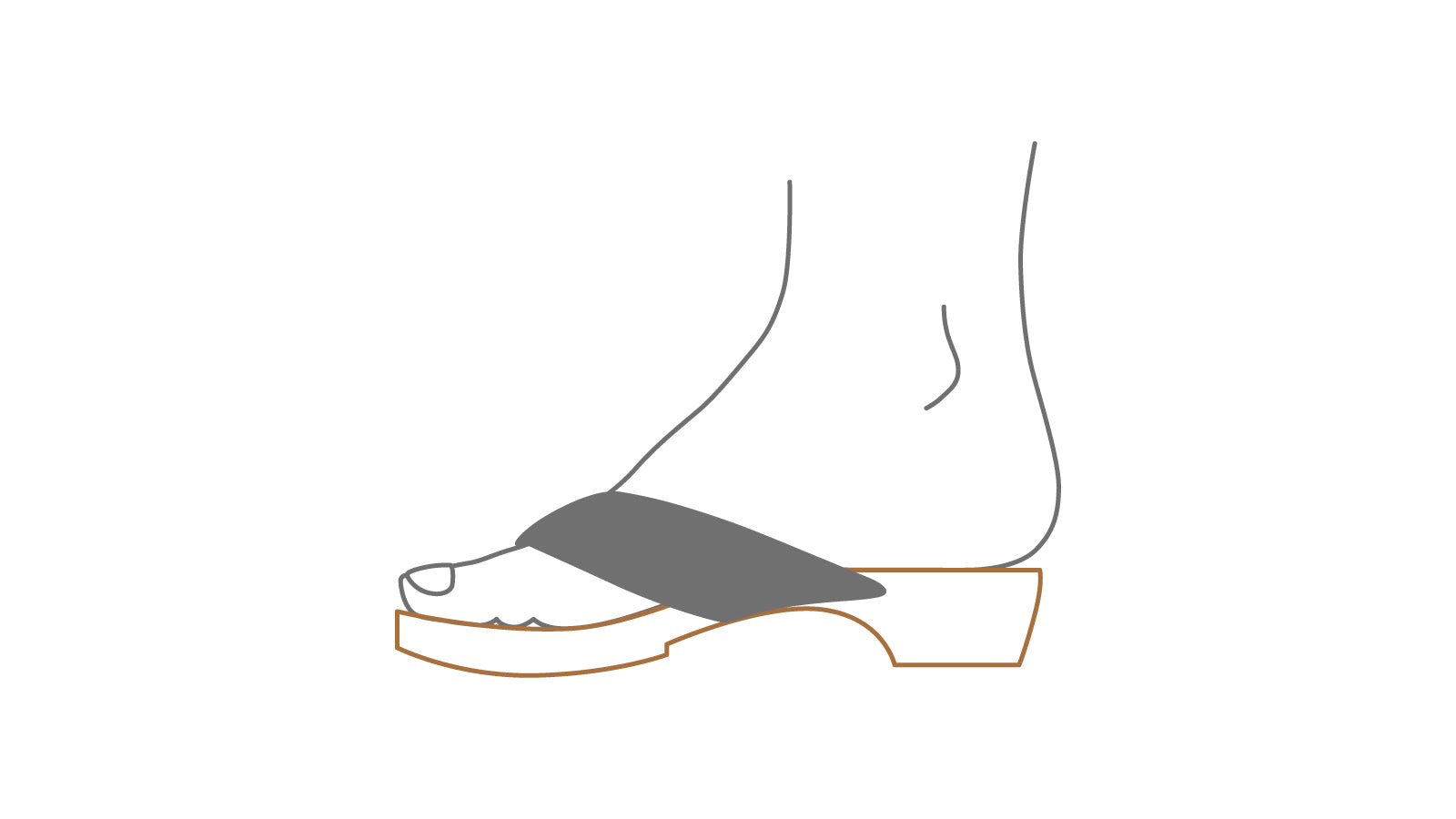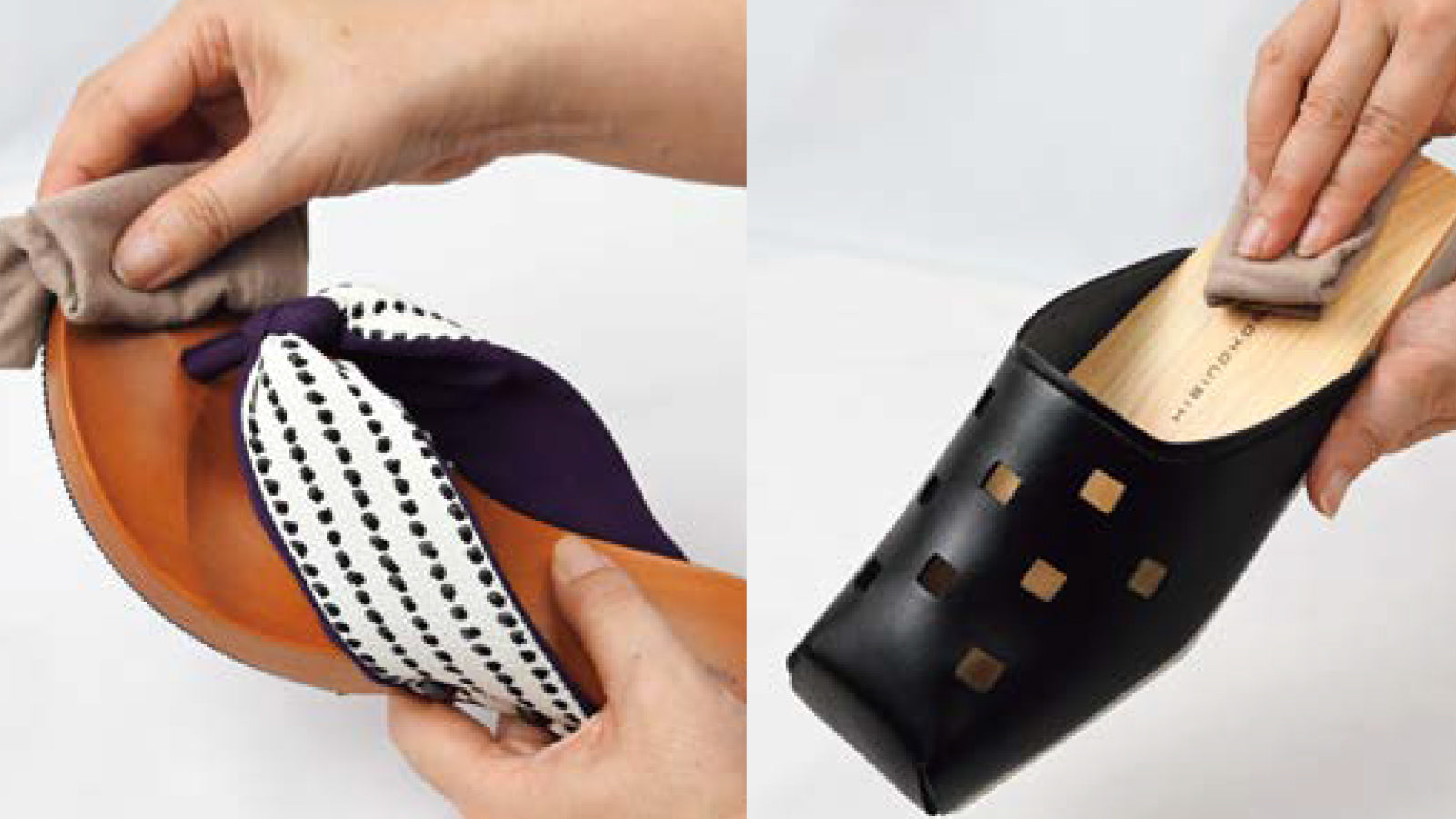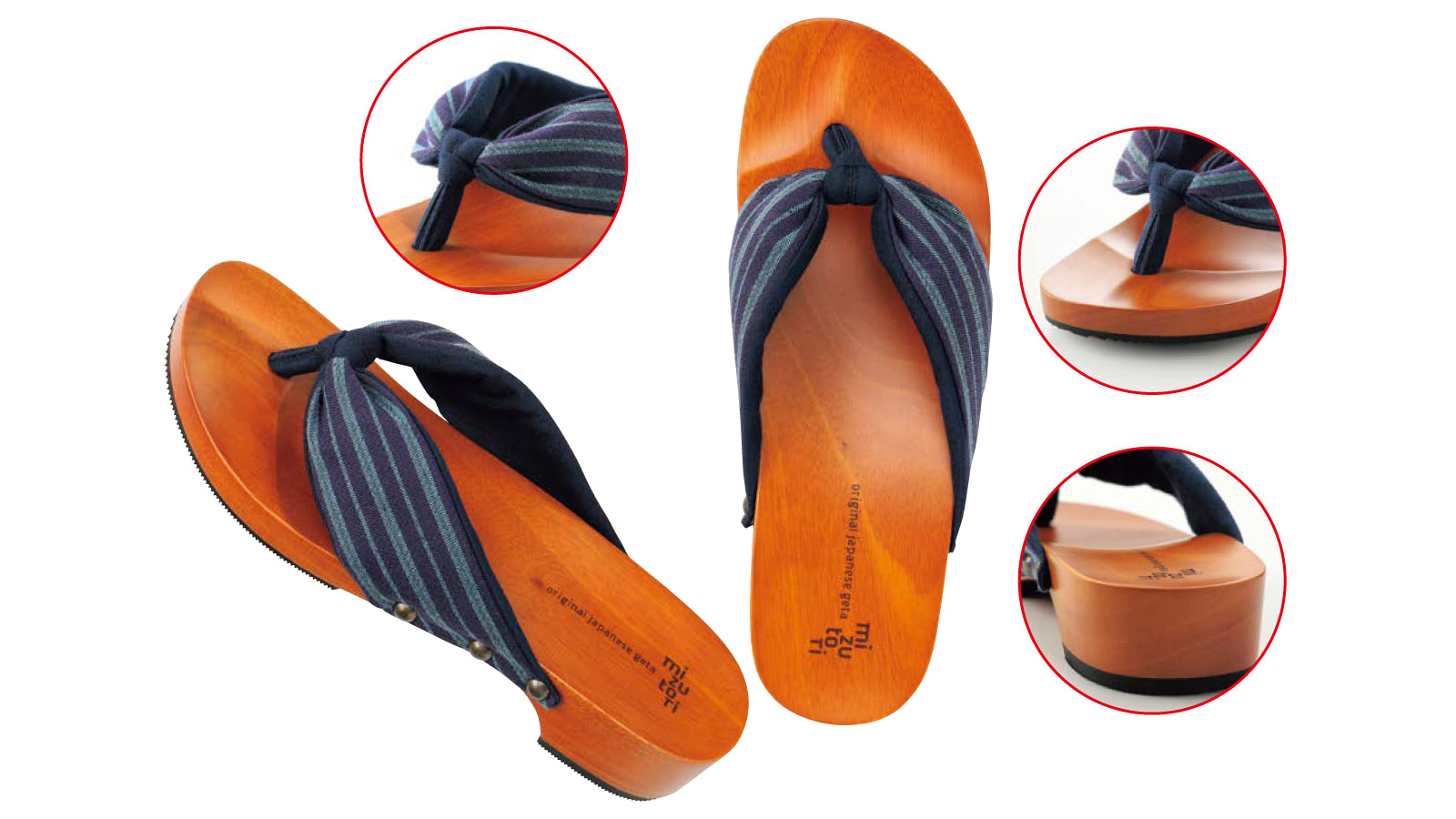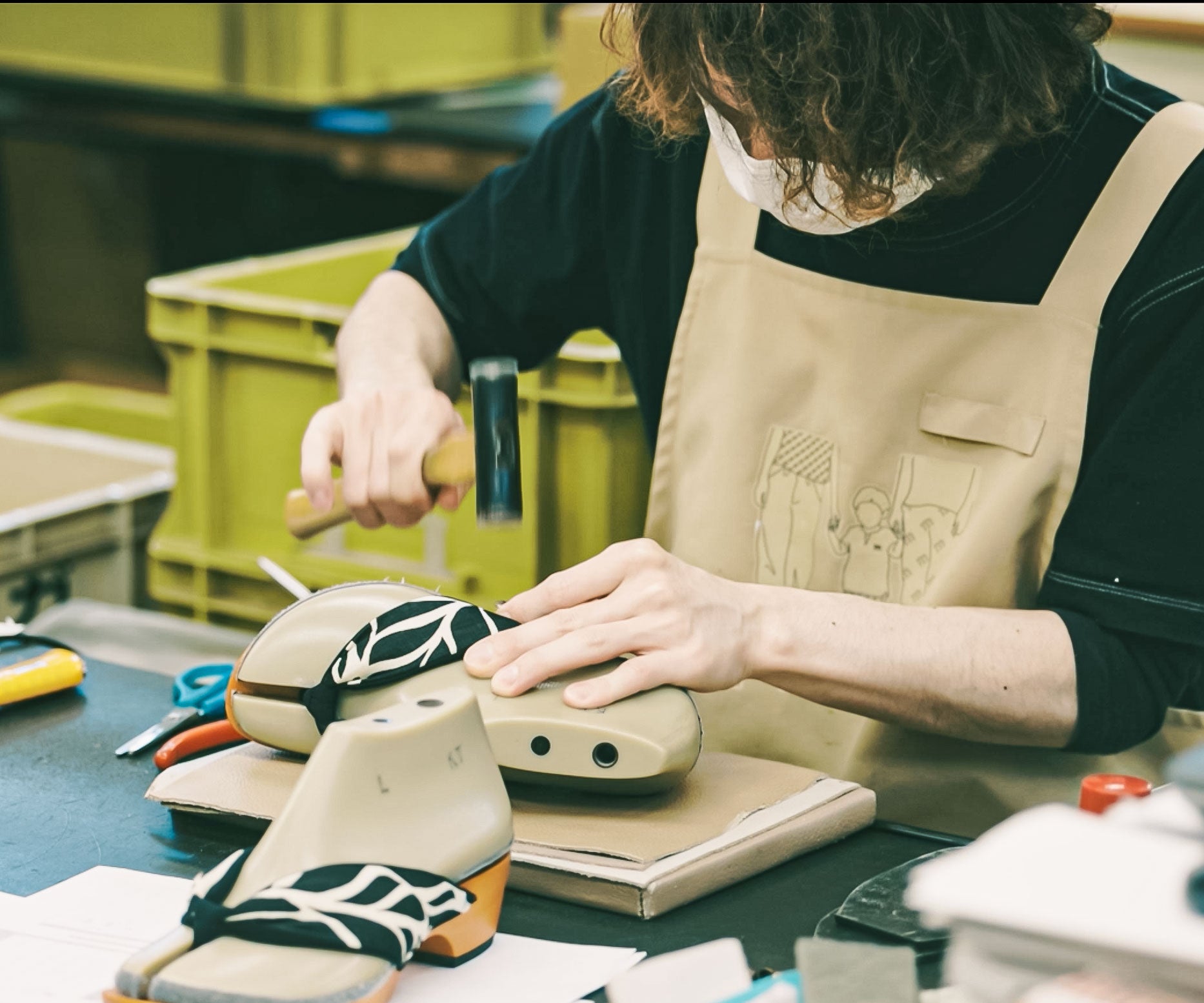
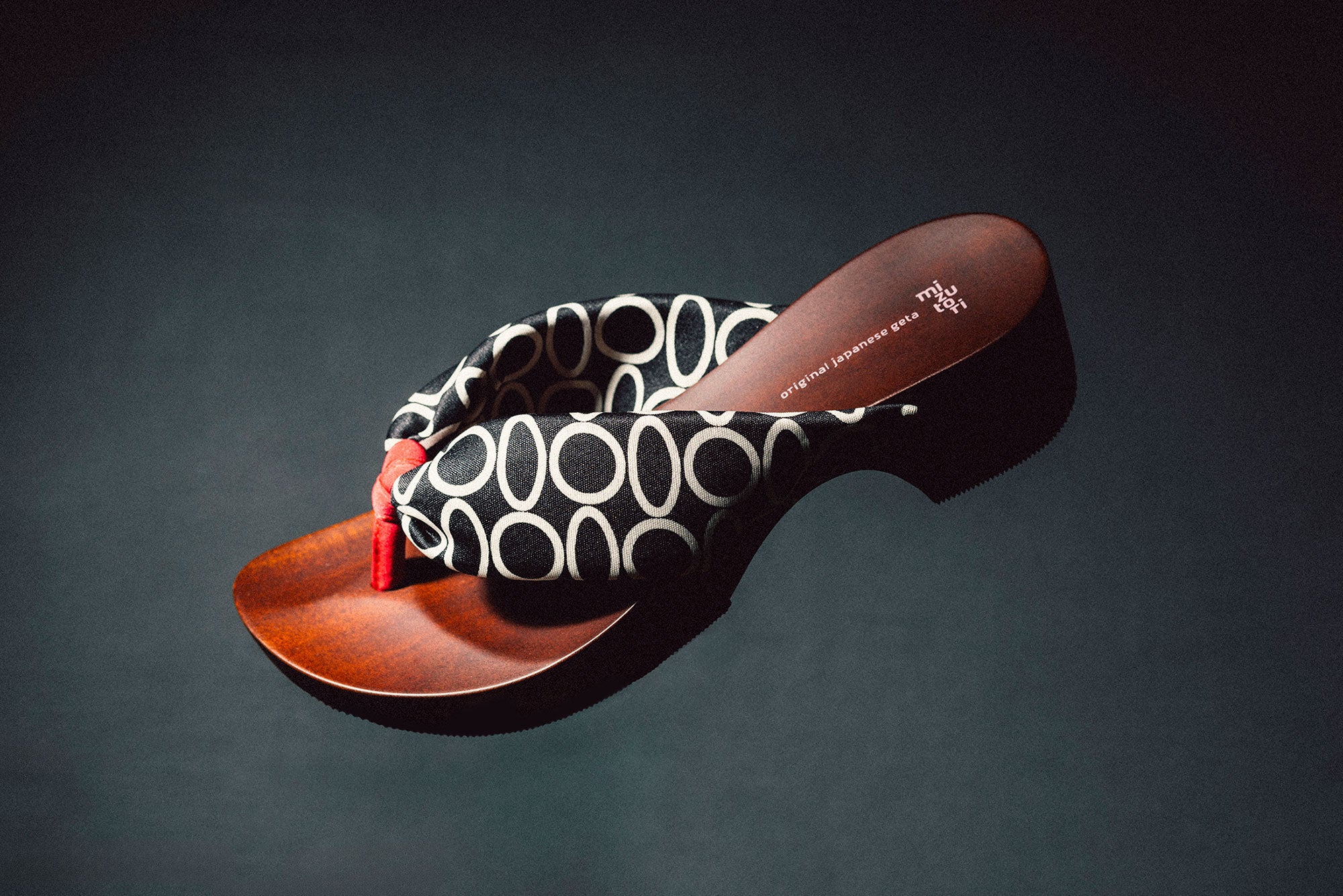

mizutori creates modern Japanese wooden sandals (geta) designed for comfort and everyday wear.
What Is mizutori?
Episode 70
The Baton of “I Love These”
Next year,
Mizutori Industrial
will celebrate
its 90th anniversary.
And it has been
more than 30 years
since we began making
the mizutori geta
we know today.
But the reality is,
there are still
far more people
who have never heard
of mizutori
than those who have.
We are, after all,
a small workshop
in Shizuoka.
So perhaps
that is only natural.
Still,
with our hope
of introducing geta
to more people
around the world,
I often find myself
wondering,
how can we help
more people
discover mizutori?
To begin with,
geta are not something
that everyone
is naturally interested in.
For many people,
the moment they hear
the word “geta,”
they may simply think,
“That has nothing
to do with me,”
and never even consider
them as an option.
Sometimes I wonder,
is it because
they’re geta?
Would it be different
if they were
“shoes”?
Over the years,
there have been times
at events
when well-known people
have taken a liking
to our geta.
And when mizutori
has been featured
on television,
we sometimes receive
a great deal of attention
immediately afterward.
Of course,
we are always
very grateful
for that.
But that doesn’t mean
mizutori suddenly
becomes known
everywhere overnight.
So how
can we help
more people
discover us?
As I was thinking
about this,
I suddenly found myself
remembering
some of the customers
who have come
to our shop.
“My friend told me
they were
so comfortable.”
“I saw my kimono teacher
wearing a pair,
and I wanted
a pair too.”
“My daughter
gave me a pair
as a gift,
and once I tried them,
I completely
fell in love
with them.
So I came back
for another pair.”
Come to think of it,
we’ve heard
stories like these
again and again.
From friend
to friend.
From teacher
to student.
From one family member
to another.
Someone wears
a pair of mizutori
and tells
someone else,
“These are really good.”
Then that person
tries them,
and comes to like
them too.
And next,
they tell
someone else.
And suddenly,
I realized,
“Ah.
This is how
mizutori has
spread.”
In places
we never even knew about,
people who had
come to love mizutori
were quietly
telling someone else
about us.
In a way,
all of you
have been
our own little
promotion team.
One person’s
“I love these”
passes to
someone else.
And then
that feeling
passes on
to the next person.
Almost as though
each of you
has been passing
the baton
of “I love these”
from one person
to another.
When I thought
about it that way,
I felt
a little embarrassed
that I had been
so preoccupied
with how to make
mizutori known
to more people.
Of course,
we still want
more people
to discover mizutori.
We still want
people around the world
to experience
wearing geta.
That feeling
hasn’t changed.
But there is no point
in becoming
so concerned
with how far we reach
that we lose sight
of what really matters.
From one person
to another.
Even the smallest
connection,
if it continues
over many years,
can eventually become
something wider,
and something stronger.

The reason
we have been able
to continue making
mizutori geta
for more than
30 years
is, without question,
because we have been
supported
by so many people
passing along
this baton
of “I love these.”
And if that’s true,
then what we need
to do first
is very simple.
Without rushing,
we keep making
each pair properly
for the person
right in front of us—
a pair that makes
someone think,
“I love these.”
Because these are geta
made by human hands,
we want each pair
to carry
a sense of that warmth.
And we hope
that the baton
of “I love these”
received by
one person
will someday
be passed along
to someone new.