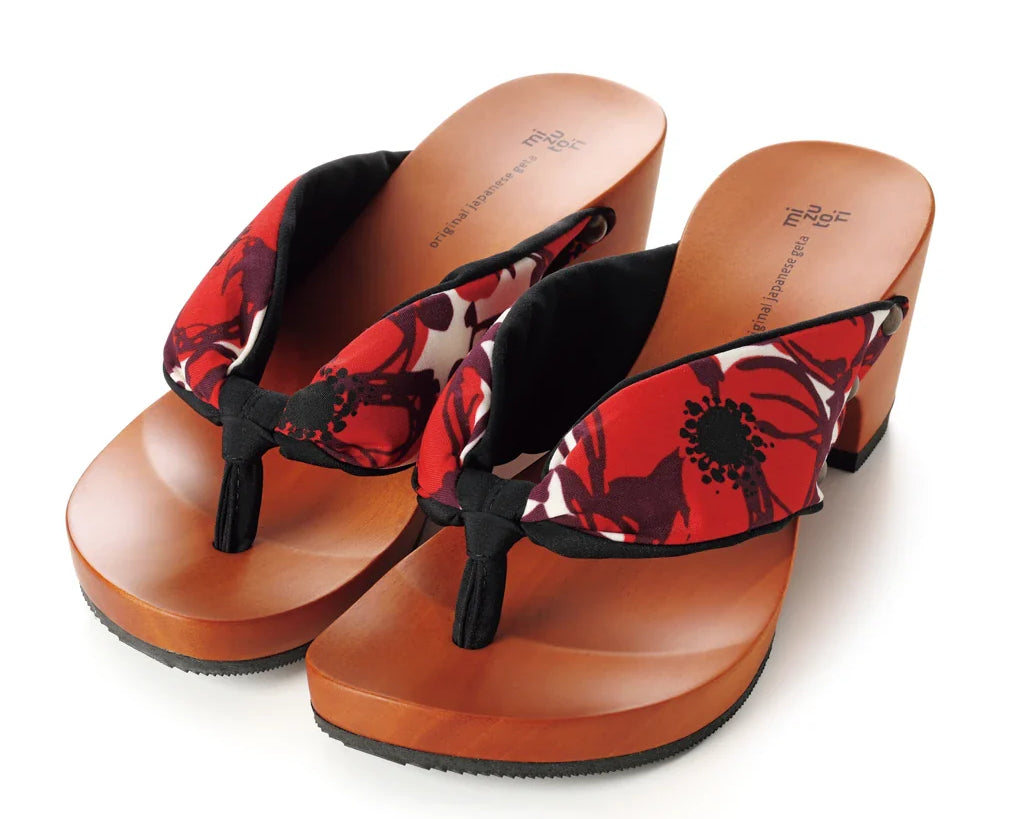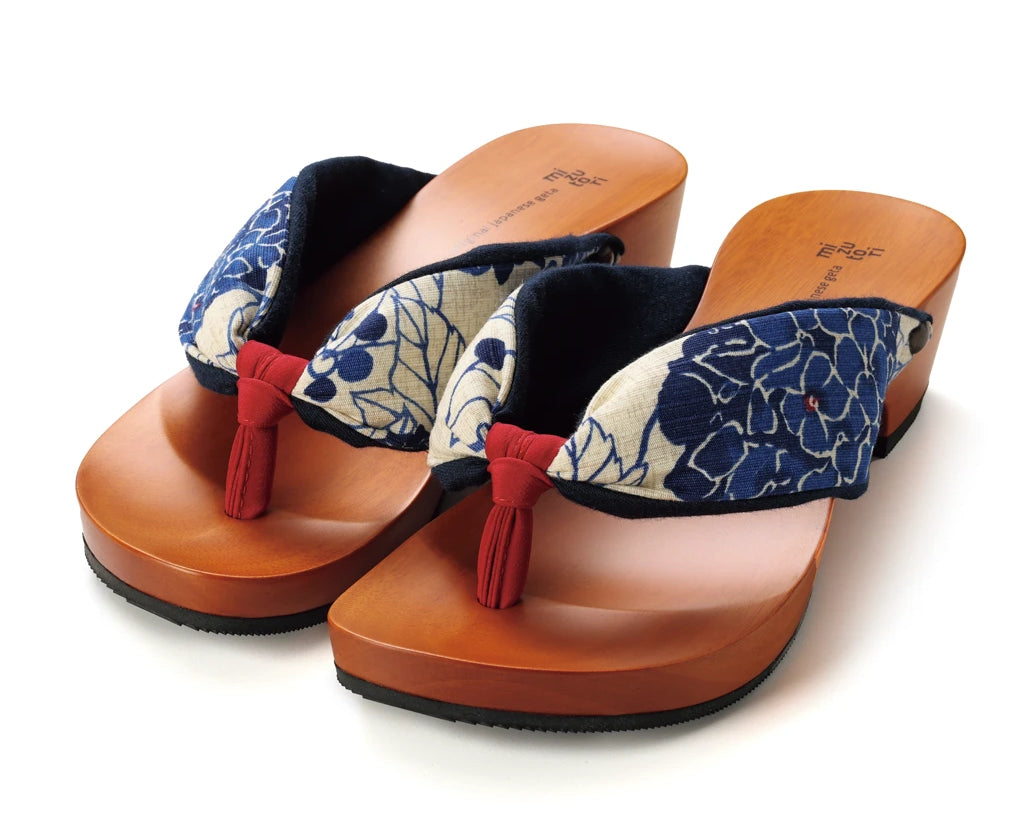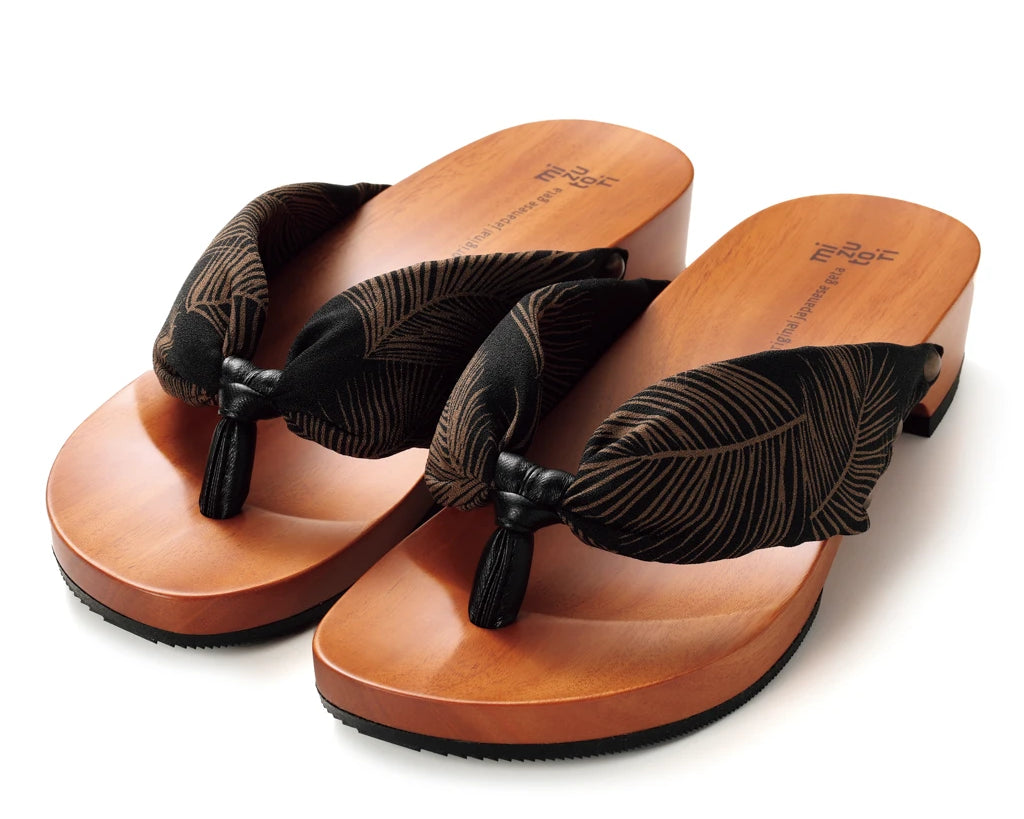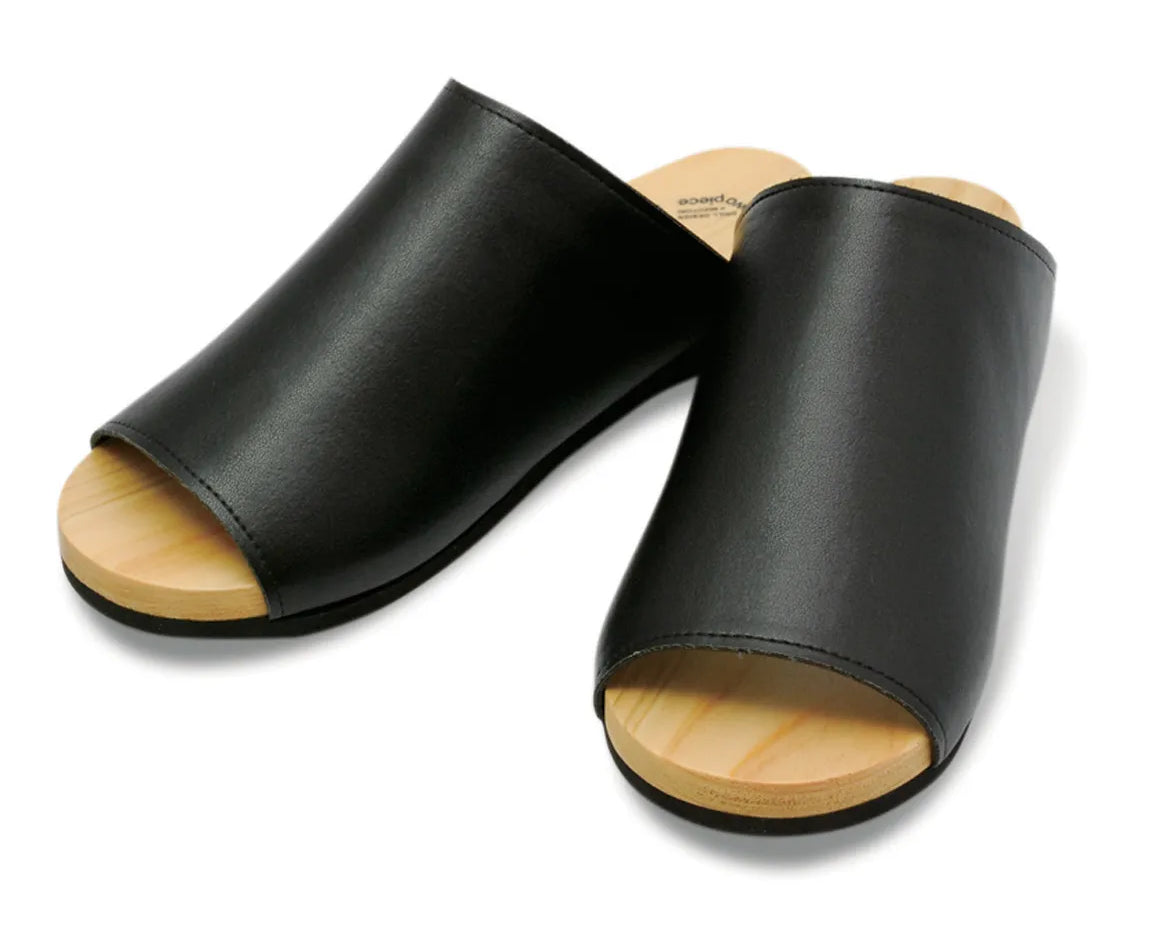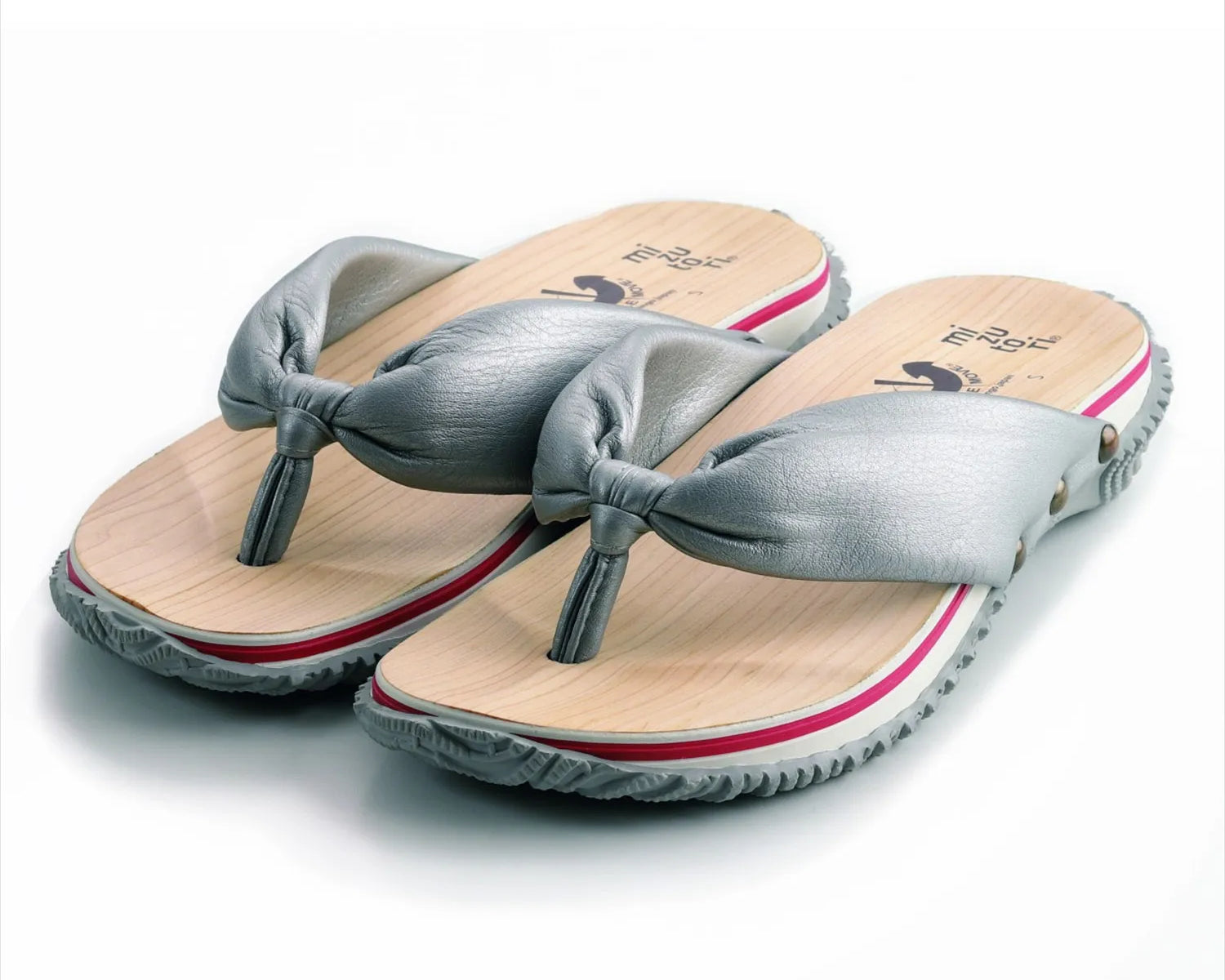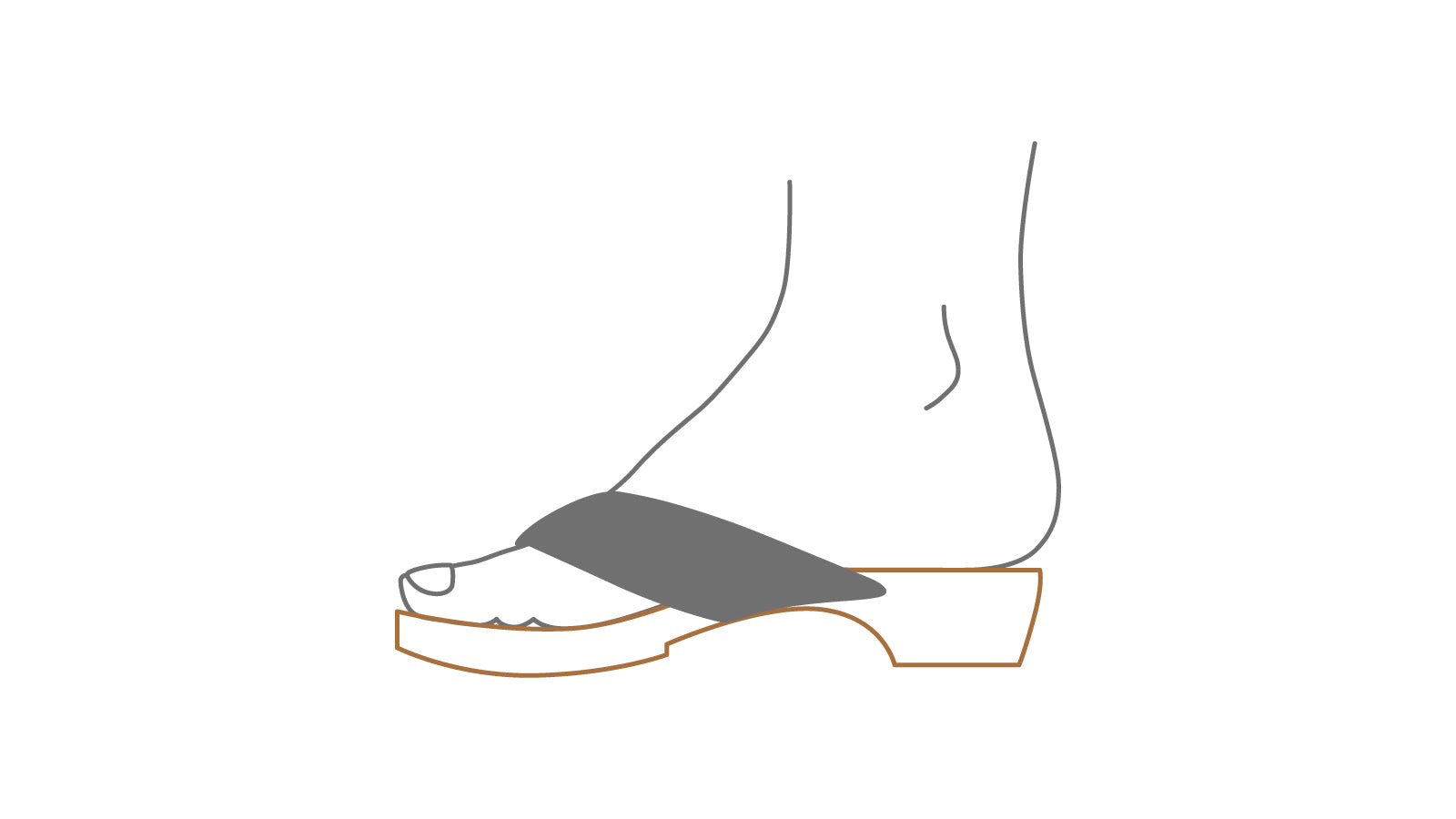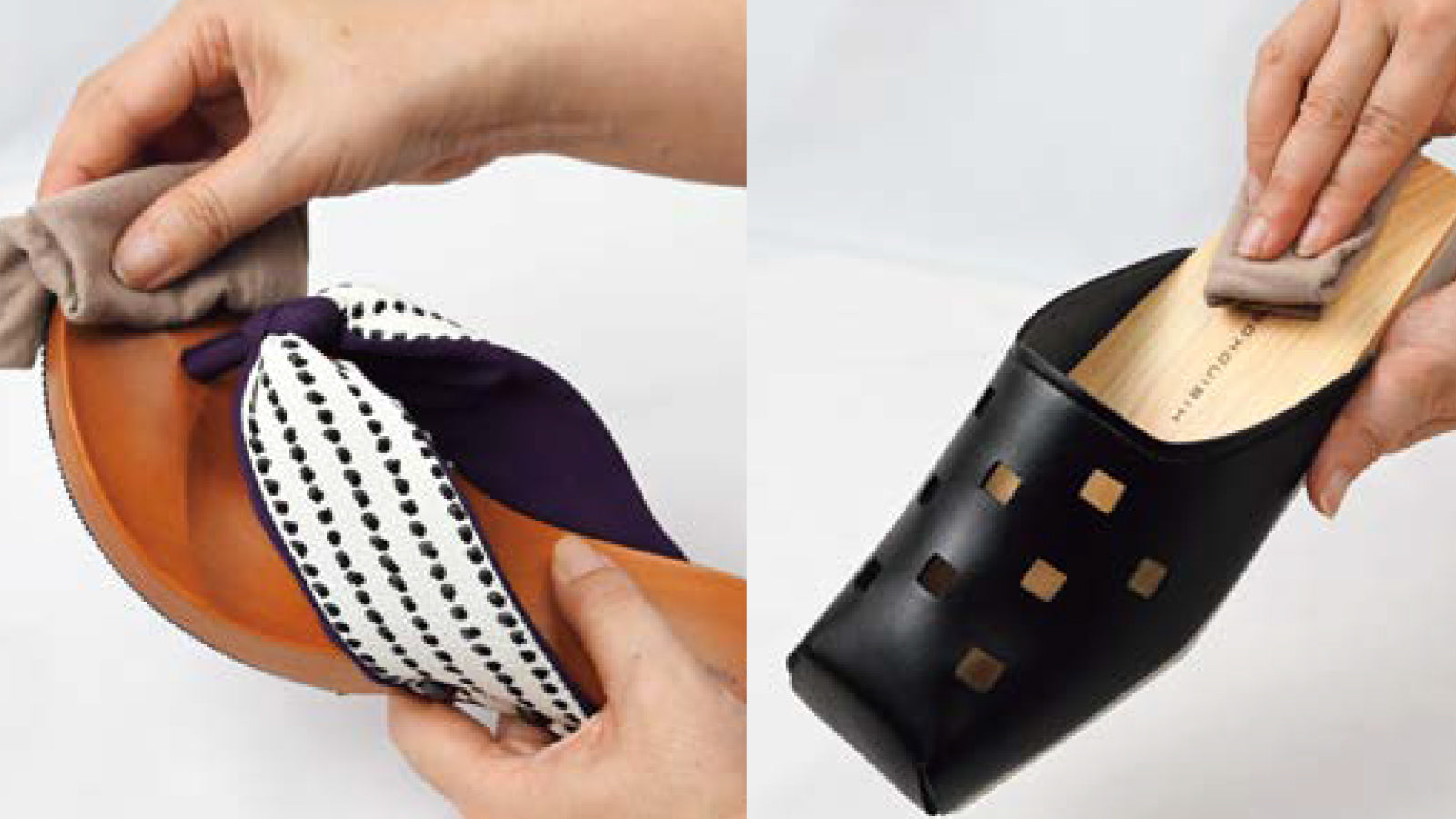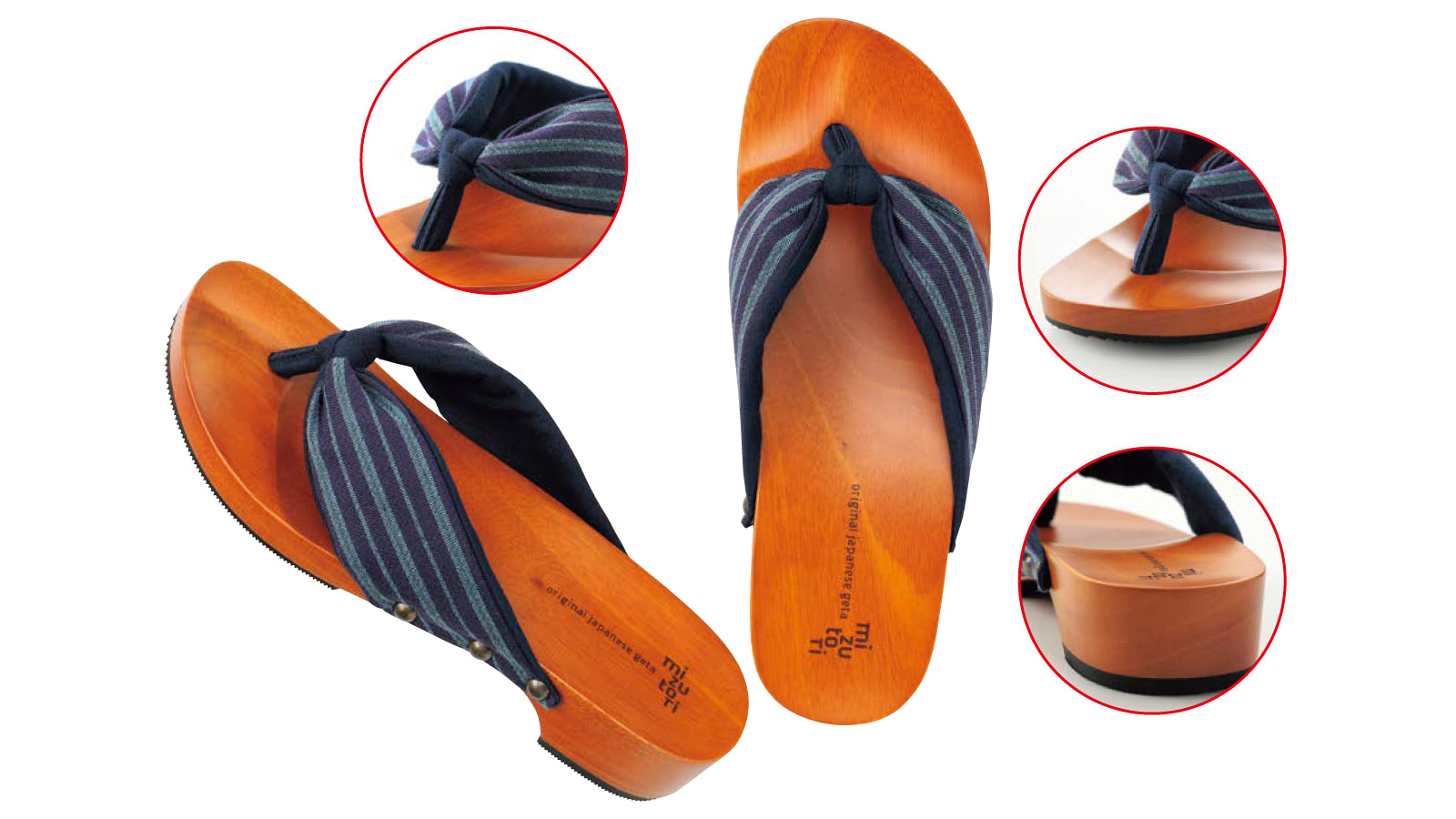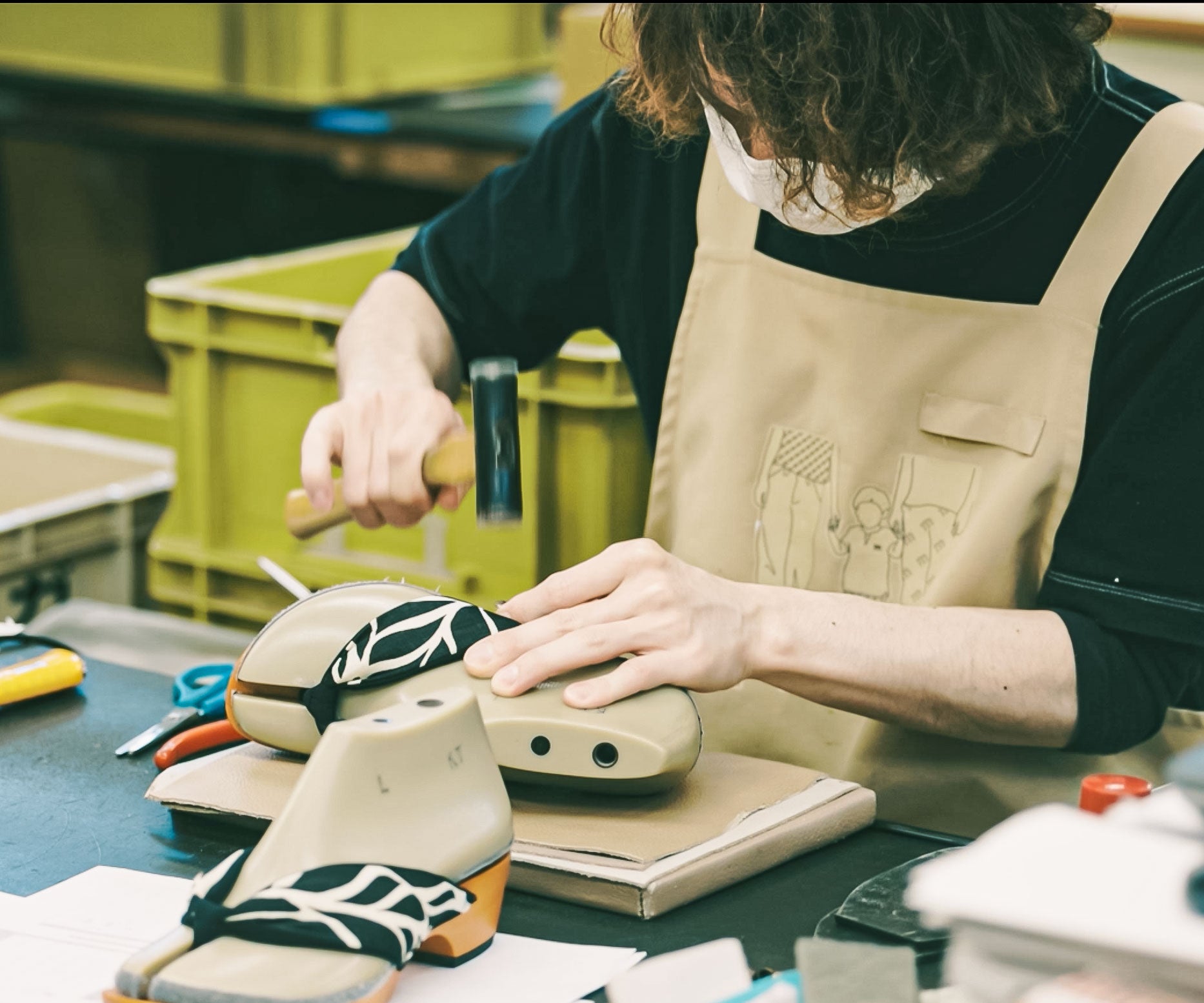
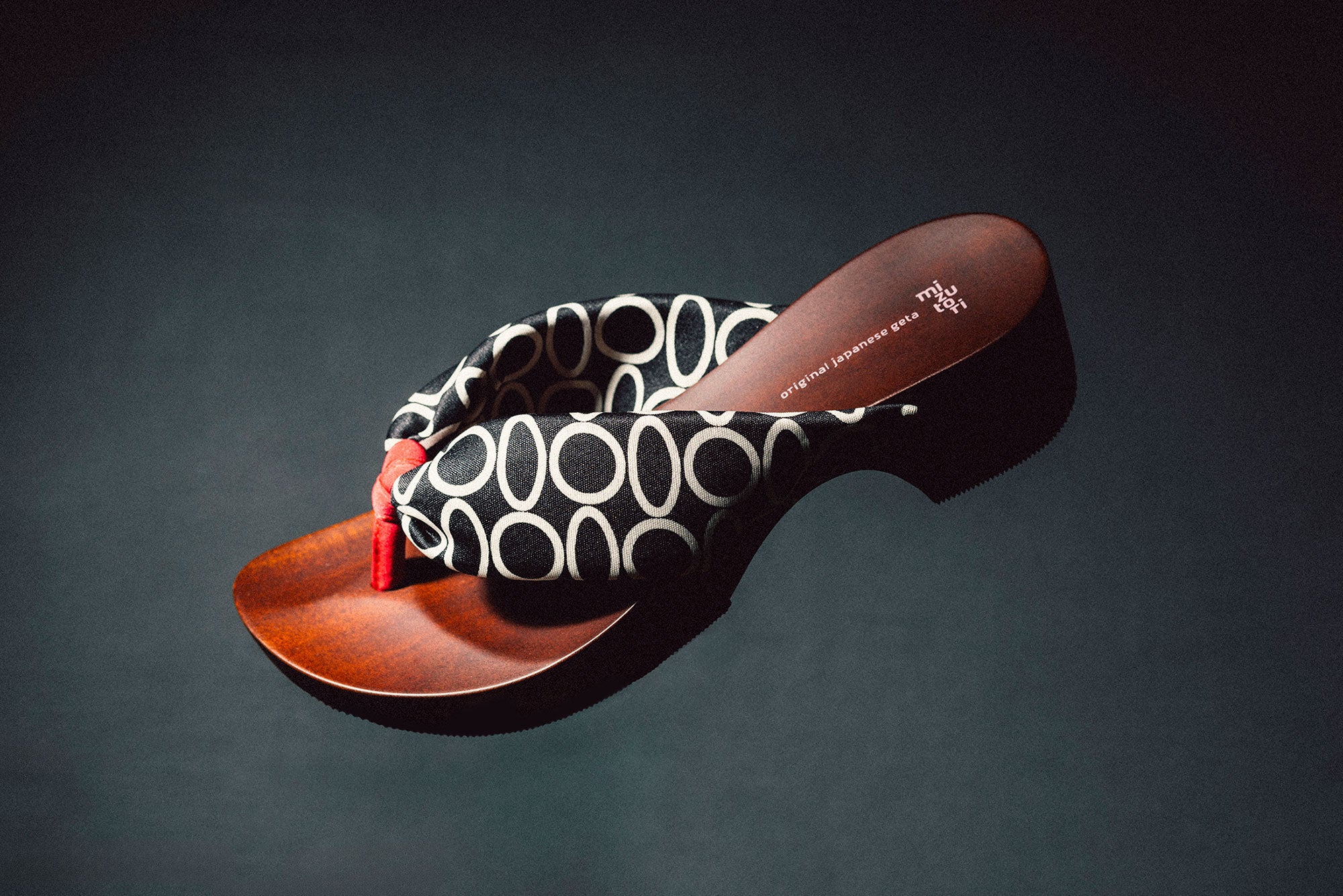

mizutori creates modern Japanese wooden sandals (geta) designed for comfort and everyday wear.
What Is mizutori?
Episode 57
The Geta That Lives On in Japanese
“To leave your geta with someone.”
“To add a pair of geta.”
“You never know the outcome until you put on your geta.”
“To wear tall geta.”
In Japanese,
there are many expressions like these
that include the word geta.
Some of them
may still sound familiar
to many people in Japan today.
But how about these two?
“Snow on geta.”
“To travel on the teeth of geta.”
Do you know what they mean?
In fact,
Japanese still has
many words and idioms
related to geta.
Perhaps that shows
just how deeply geta
were woven into everyday life in Japan.
Let us begin with
“to leave your geta with someone.”
In Japanese,
this means
to entrust something completely
to another person.
If you leave your geta with someone,
you are placing yourself
in their hands.
From that image,
the expression came to mean
entrusting everything to someone else
with complete confidence.
Next,
“to add a pair of geta.”
This means
adding a little extra
to a number,
a score,
or an evaluation.
When someone wears geta,
they appear taller
than they really are.
From that image,
the phrase came to mean
making something appear
better or greater
than it actually is.
There is also the expression
“to wear tall geta.”
Traditional tall geta
had much higher wooden supports
than ordinary geta.
When worn,
they naturally raised
the wearer's eye level.
From this image,
the phrase came to describe
making oneself appear
more capable
or more impressive
than one really is.
And then there is
“You never know the outcome
until you put on your geta.”
This expression
is still heard in Japan today,
even during sports broadcasts.
It means
that the outcome
is never certain
until the very end.
There are several theories
about where the phrase originated.
One explanation says
that a match is not truly over
until everyone puts on their geta
to head home.
Now,
here is a question.
What do you think
“snow on geta”
means?
The answer is:
someone who follows another person closely
and never leaves their side.
When walking through snow,
snow clings
to the underside of geta
and does not easily fall away.
The expression
was born from that image.
And one more.
“To travel on the teeth of geta.”
This is not an expression
heard very often today,
but it means
to walk great distances.
In the past,
it was perfectly ordinary
to travel on foot
while wearing geta.
The farther people walked,
the more the wooden teeth
of their geta
gradually wore down.
It is an expression
that brings to mind
the image of travelers
walking long roads
in days gone by.
Looking at these expressions,
it becomes clear
that geta were never
just a kind of footwear.
They were woven
into the everyday lives
of Japanese people.
People left them
in someone else's care.
They traveled in them.
They walked through snow in them.
Today,
when people think of geta,
many probably imagine
yukata
or summer festivals.
But as the expression
“snow on geta”
reminds us,
geta were once
everyday footwear,
worn throughout the year—
even on snowy days.
Perhaps that is why
so many expressions
connected to geta
still remain
in the Japanese language.
People often say
that language
is a mirror
of the way people once lived.
The fact that
these expressions
are still used today
may be proof
of how closely geta
once accompanied
the lives of Japanese people.
As people who hope
to carry this culture
into the future,
we hope
people will wear geta
not only
on special occasions,
but also while traveling,
or simply
for an everyday outing.
“Today,
I think I'll go for a walk in geta.”
If thoughts like that
become a little more common,
then geta
will continue to live on—
not only
in the Japanese language,
but also
in our everyday lives.
To help make that possible,
we will continue making geta
that people can enjoy
in their everyday lives,
and, in doing so,
help pass on
the culture of geta
to future generations.