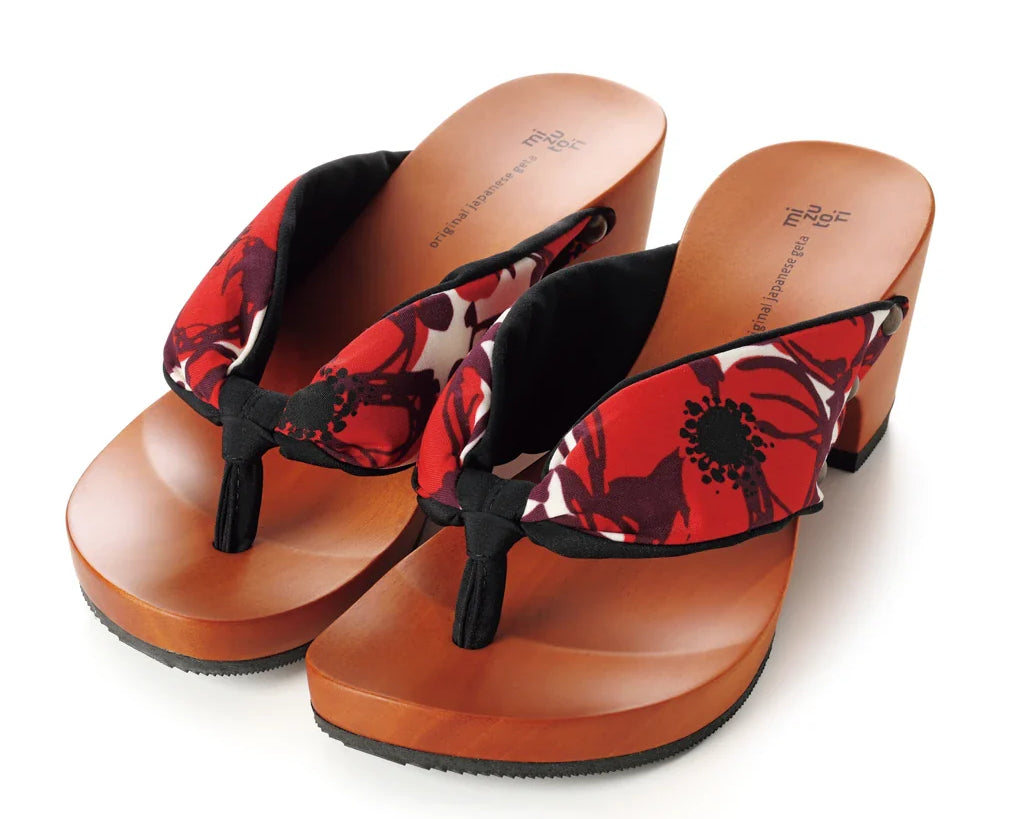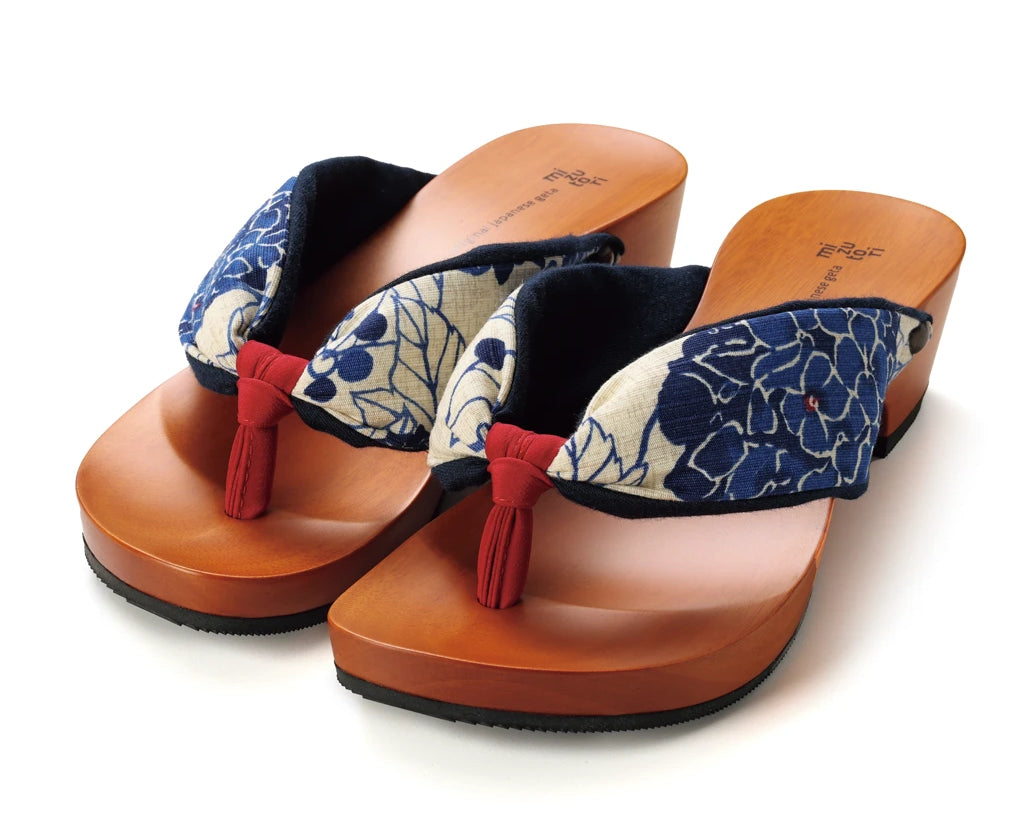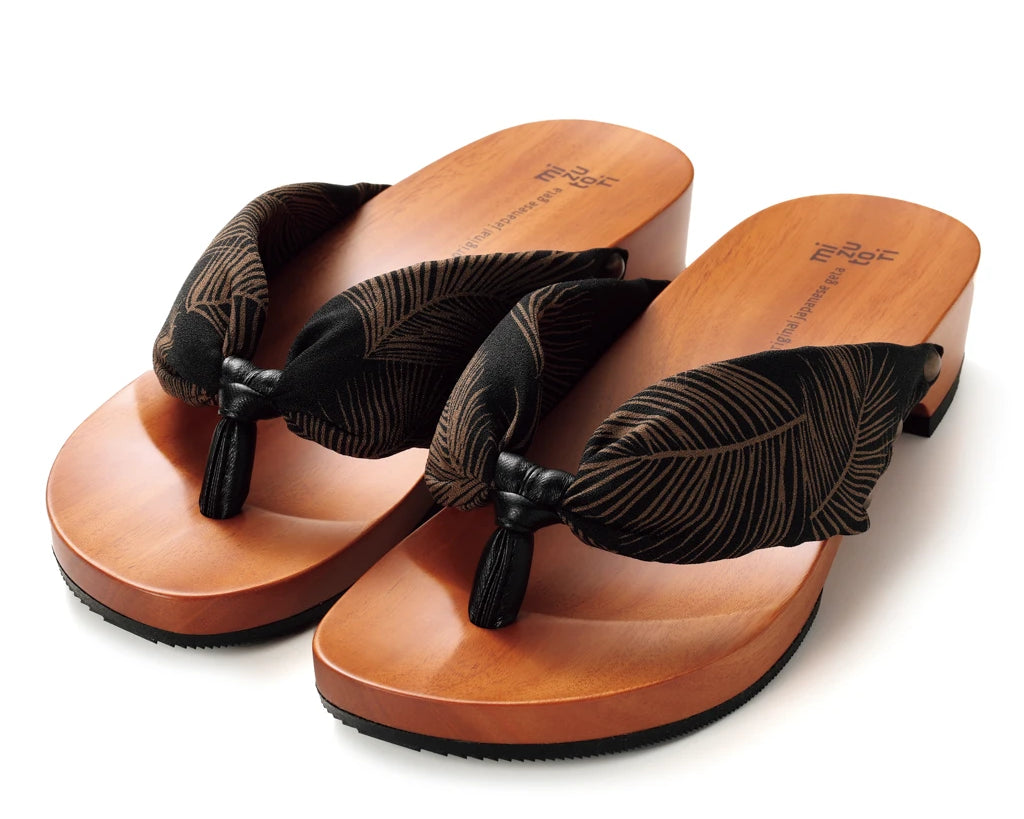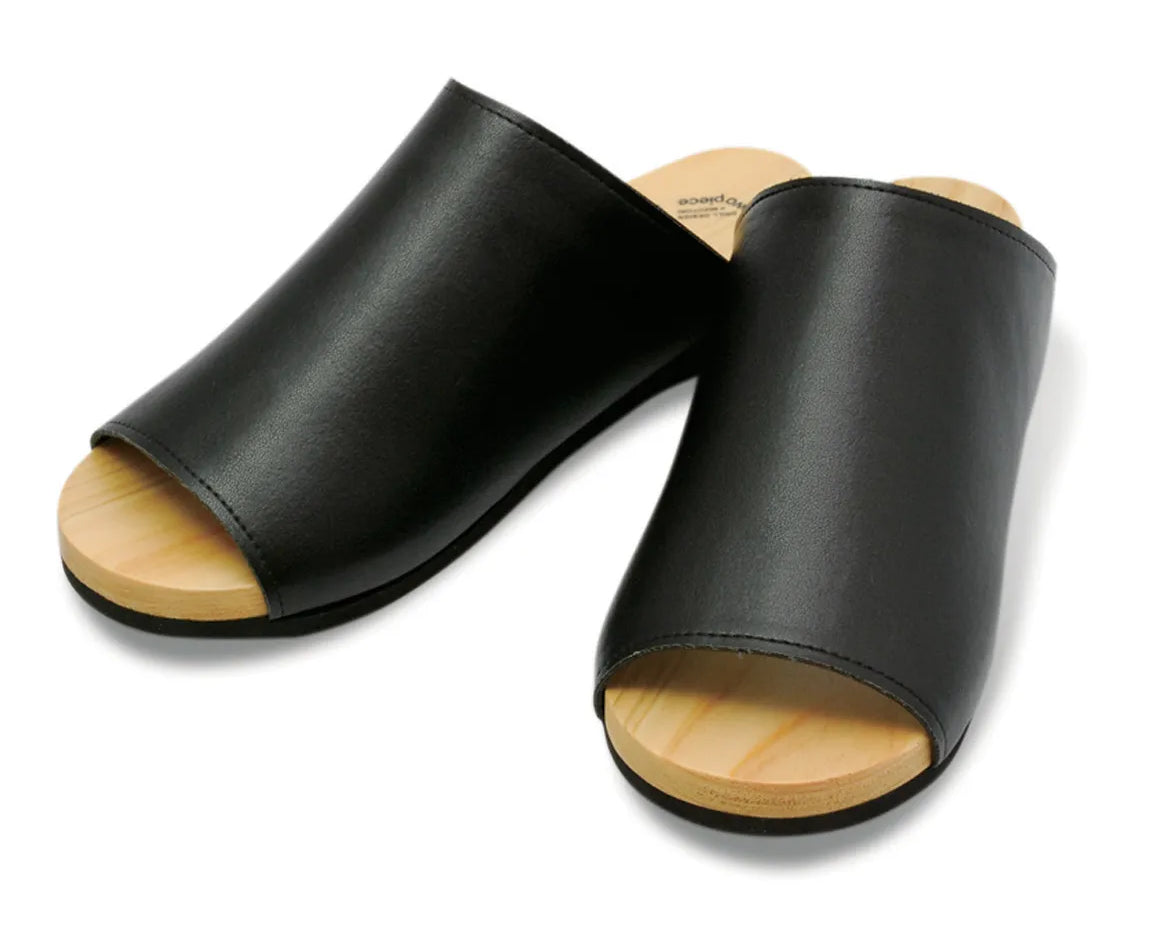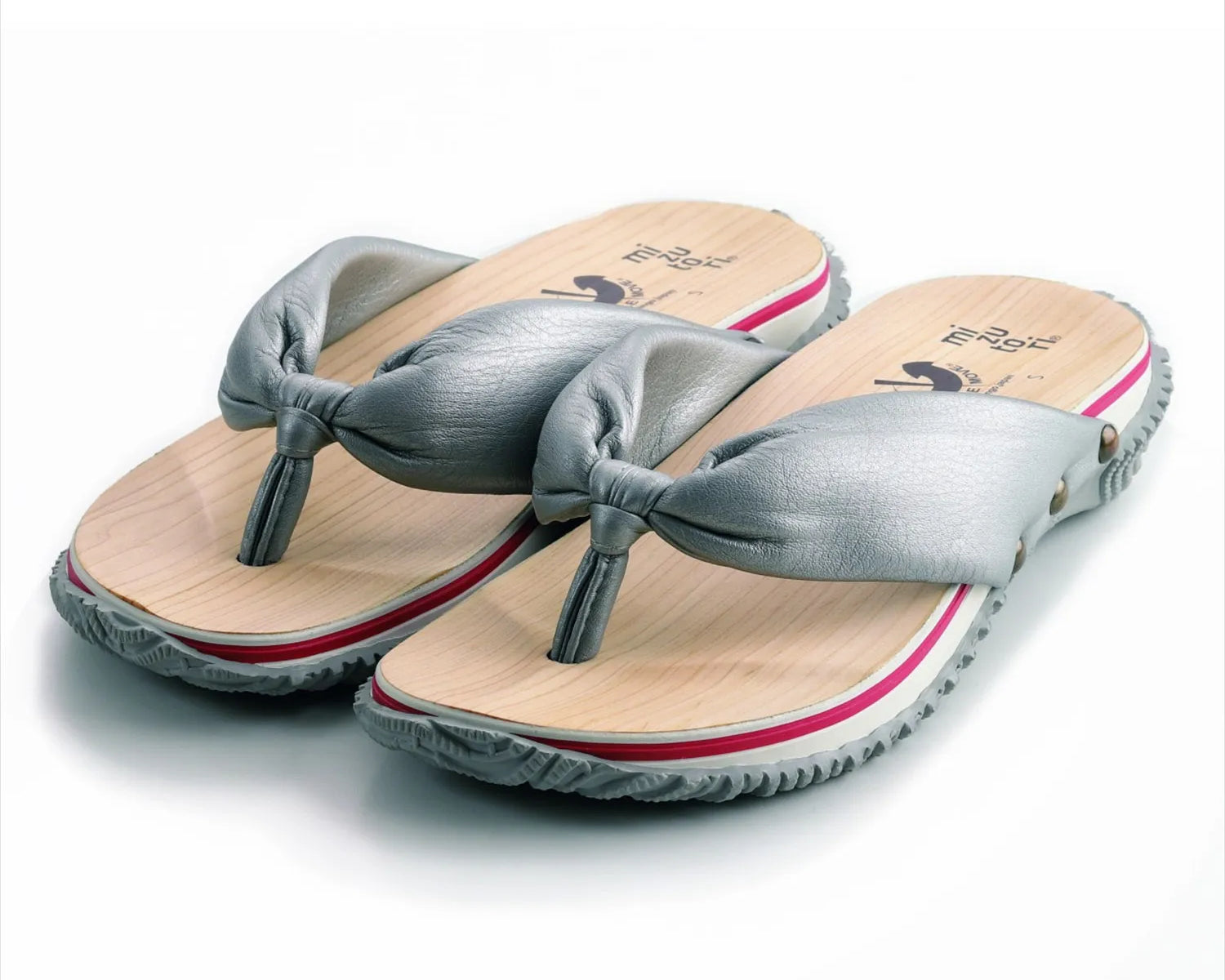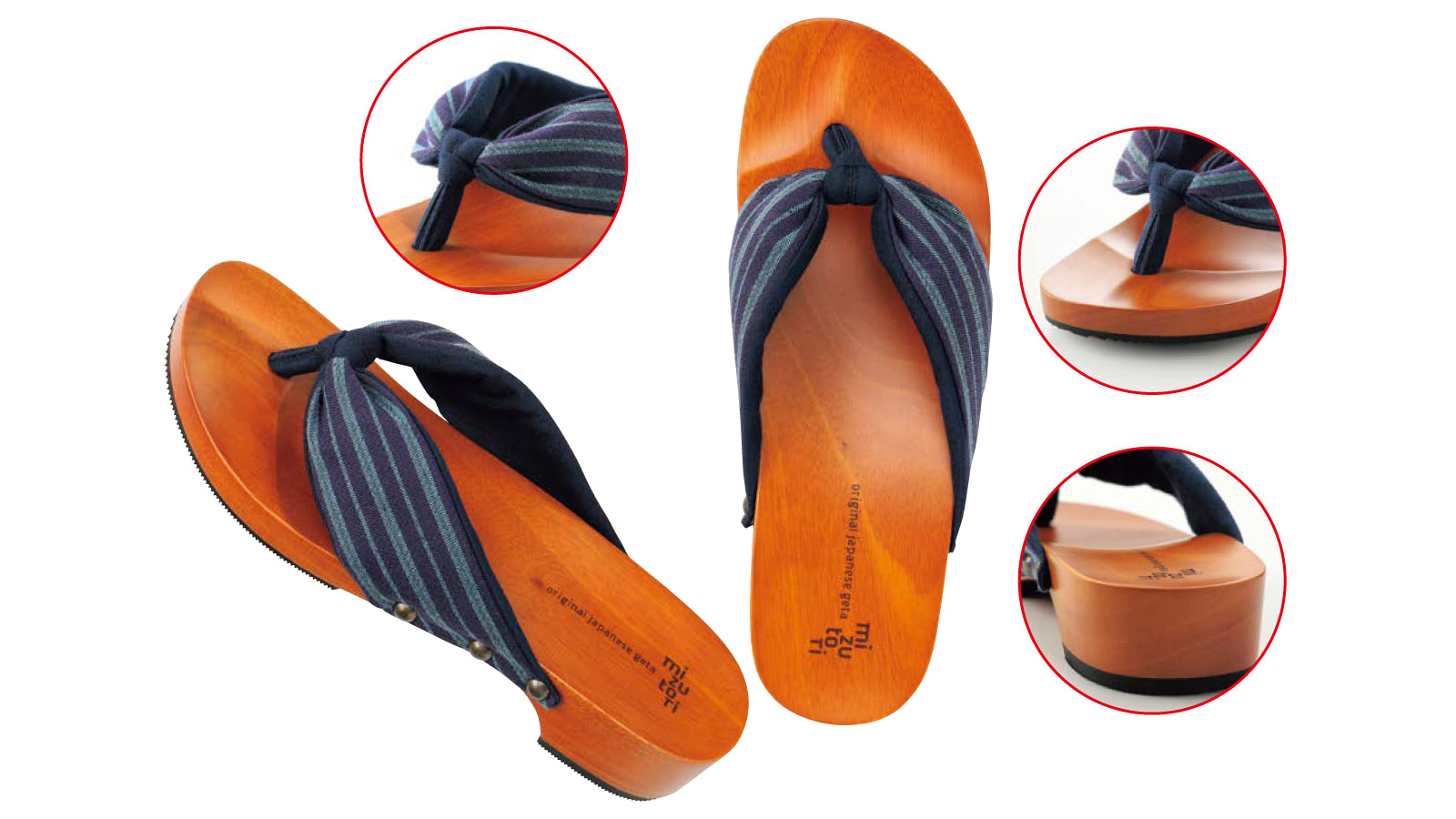
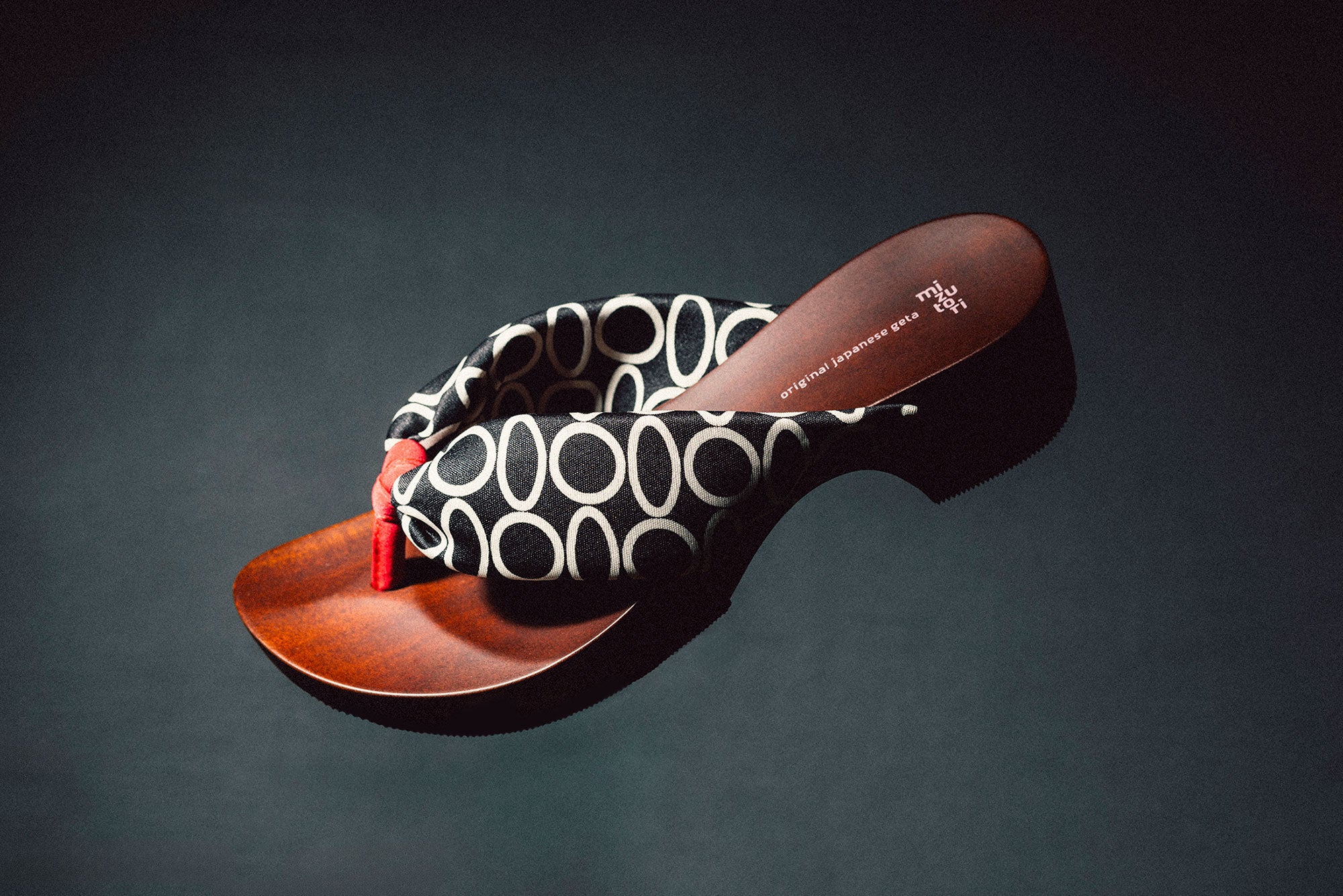

mizutori creates modern Japanese wooden sandals (geta) designed for comfort and everyday wear.
What Is mizutori?
Episode 52
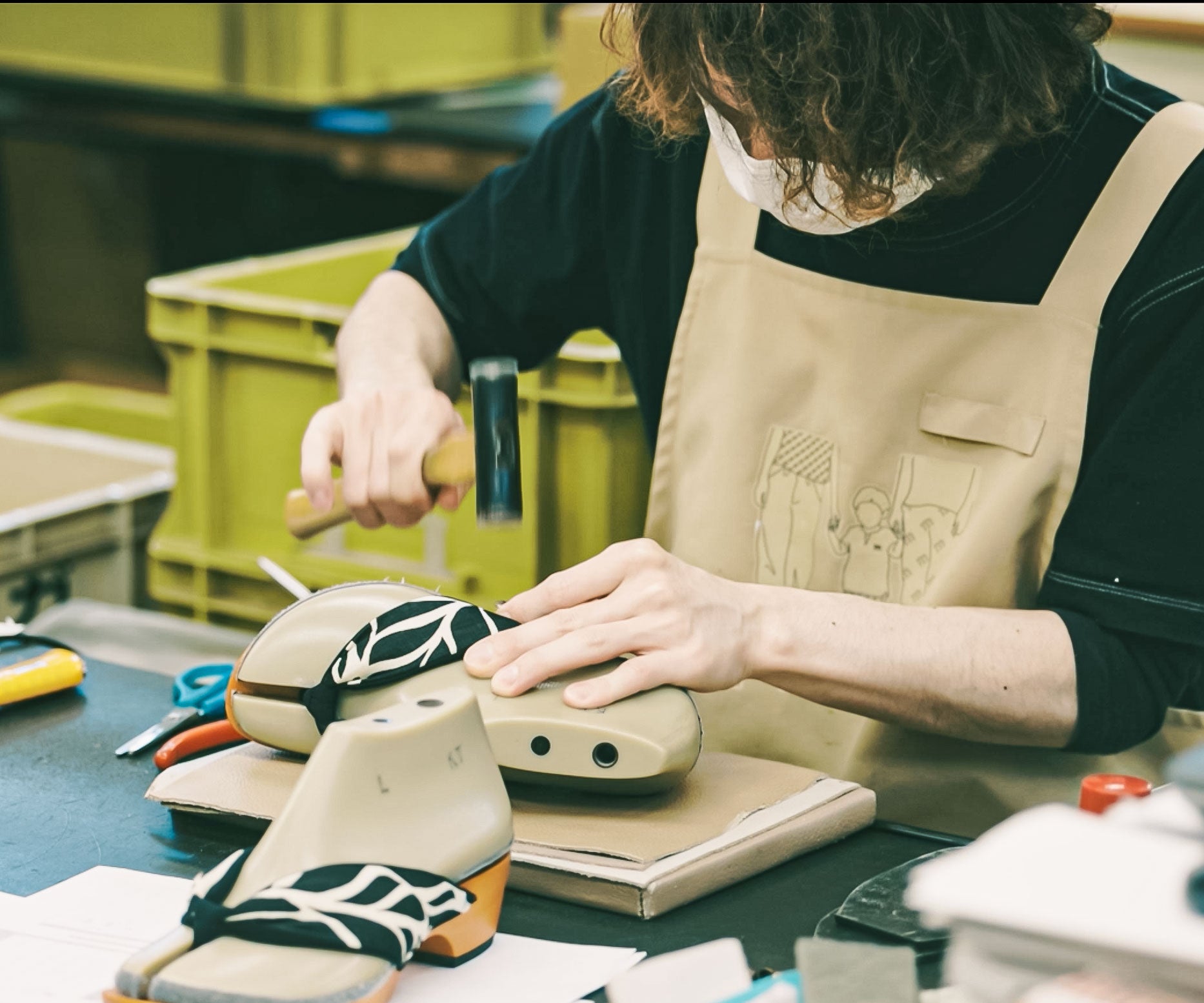
Yocchan — A Craftsman at mizutori
At mizutori,
there is a veteran craftsman
we all call “Yocchan.”
He will be turning 83 this year.
And yet,
inside the workshop,
his age is something
we rarely think about.
Even after switching
to shorter working hours,
before you know it,
he is already sitting
in his usual place,
moving his hands briskly and efficiently,
always working through each task with ease.
Some of my earliest memories
already include Yocchan.
He was also a friend
of the previous company president,
so he had always been
a familiar presence around me,
even before I was born.
Originally from the shoe industry,
he has spent more than sixty years
working in the world of footwear.
Of those years,
he has spent several decades
in the world of geta as well.
Being close in age to my father,
he has always felt
like a familiar senior figure—
someone I could naturally rely on.
And perhaps because we happen to share
the same birthday and blood type,
I sometimes wonder
if we may be a little alike.
For me,
he has become someone
I can talk with easily
and turn to without hesitation.
Over the years,
there have been many products at mizutori
that would never have existed
without Yocchan.
He mainly works on products
made from Shizuoka-grown hinoki cypress.
Our popular
“Hinoki no Hakimono”
and “two piece”
also became reality
because of him.
Even though both are footwear,
geta and slippers
are completely different things.
And when creating products
together with professional designers,
there were countless detailed conditions
to consider.
The design needed to work.
The comfort needed to work.
And sometimes,
the requests felt almost impossible—
the kind that made us wonder,
“Can this really be done?”
At times like that,
what supported us
was Yocchan’s overwhelming experience
and knowledge.
And there is something else.
Yocchan has a curiosity
and determination
that no one else in the workshop can match.
He never stops thinking
until he finds an answer.
Whenever we ask him
to take on something new,
he almost always reacts the same way.
“No way.”
“I’ve got no idea. Impossible.”
He always hesitates at first.
And yet,
despite those words,
he is usually already searching
for the next solution in his mind.
Maybe he simply has
a competitive side.
But more than that,
I often sense something stronger:
“I’m going to figure this out.”
People of his generation
do not give up easily.
Even after going home,
he keeps thinking.
And by the next morning,
he sometimes arrives
with a completely new solution.
And Yocchan does not simply make things.
He is always asking:
“Could this be done faster?”
“Is there any waste here?”
These questions
come naturally to him.
When he finds something
that could be improved,
he moves forward immediately.
There is rarely any need
for detailed instructions.
Yocchan has become
someone truly indispensable
to mizutori today.
Of course,
I hope he stays healthy
for many years to come.
But at the same time,
we also need to prepare
to pass on his skills
and way of thinking.
For the past several years,
he has also helped
mentor younger staff.
Passing on not only technique,
but also his philosophy toward craftsmanship—
creating a “second Yocchan”—
is not an easy thing.
And yet,
little by little,
it feels as though
small new shoots
have begun to grow.
Craftsmanship is not built
only from skilled hands.
It is built from instincts and intuition
accumulated over many years,
and from ideas born through
flexible ways of thinking.
And perhaps
these are things
that cannot be fully passed on
through neatly organized manuals.
Perhaps they can only be handed down
from one person
to another.
Passing on
what Yocchan carries within him,
little by little,
to the next generation—
I believe that too
is an important part
of what it means
to carry mizutori forward.