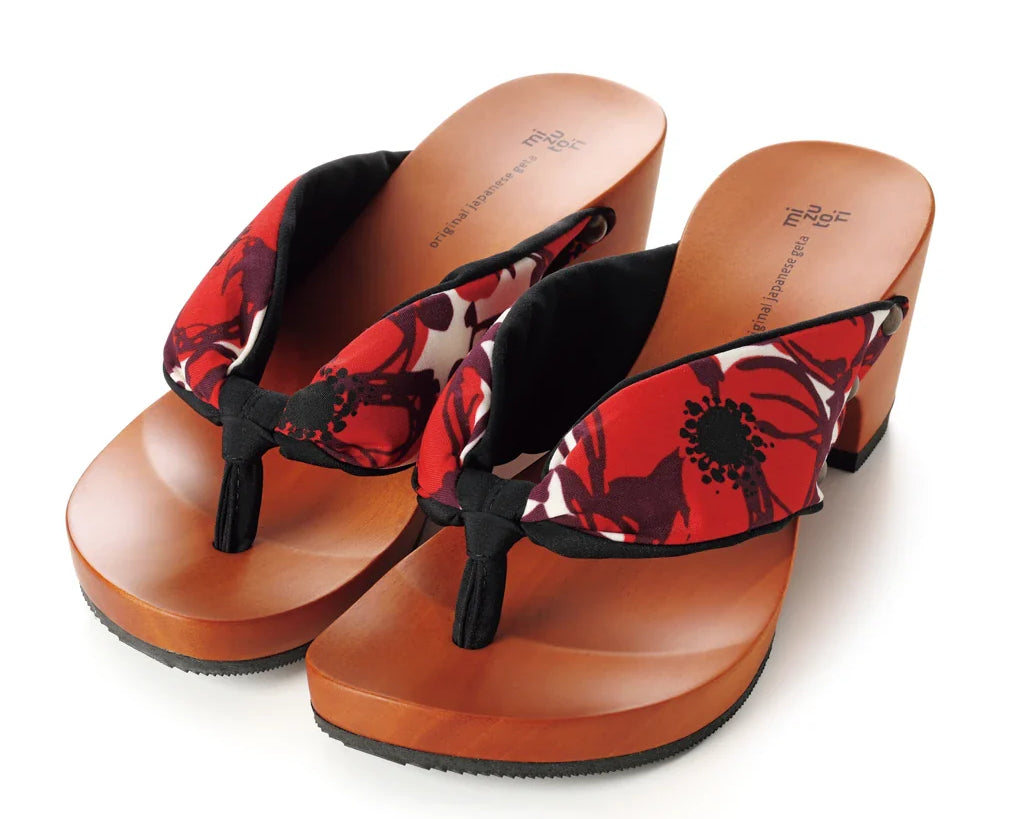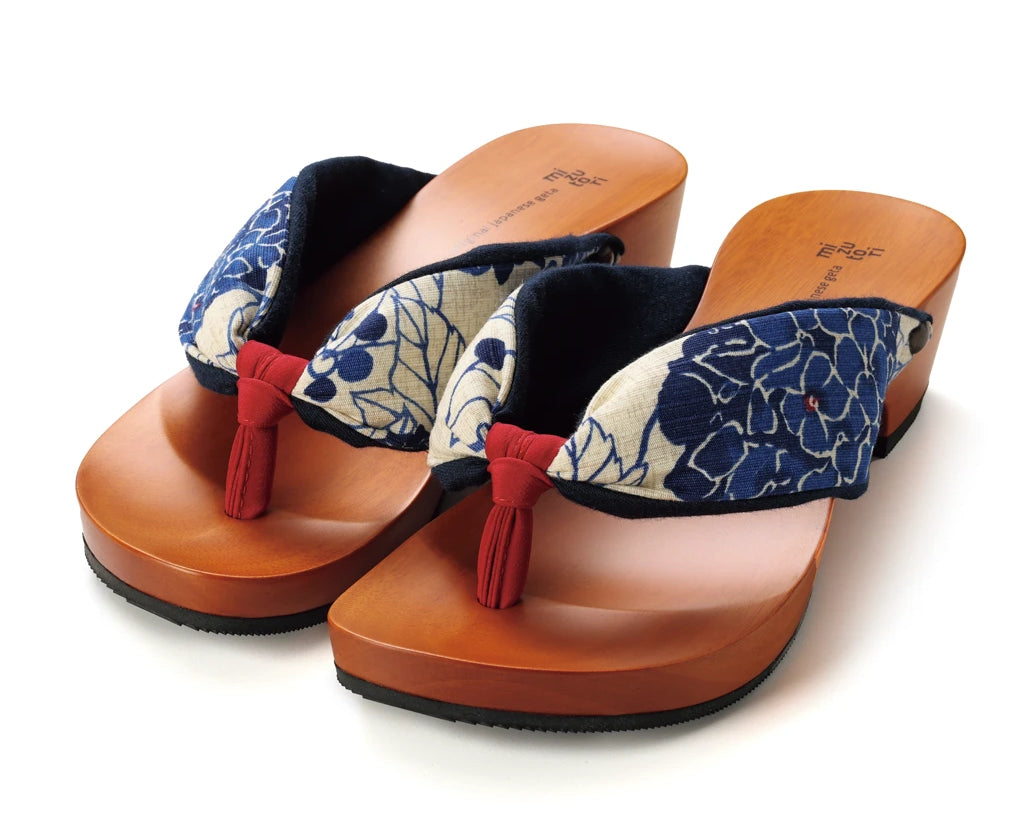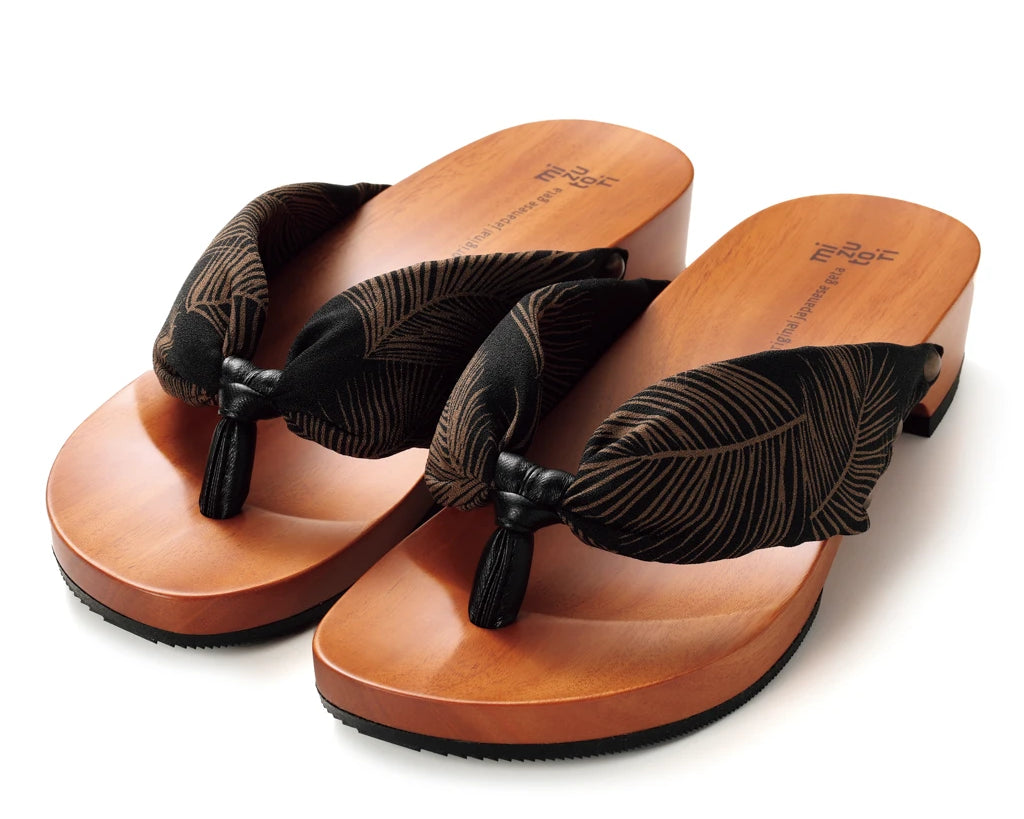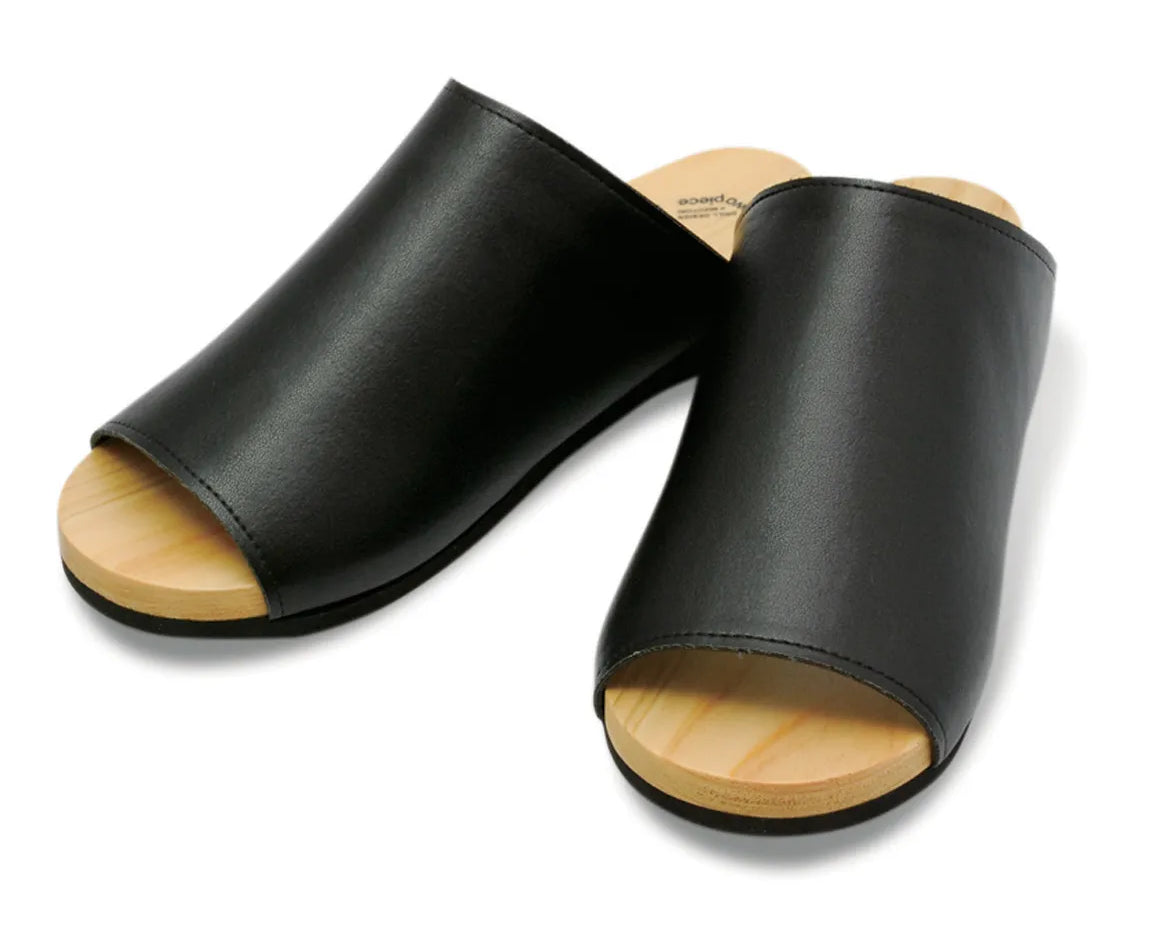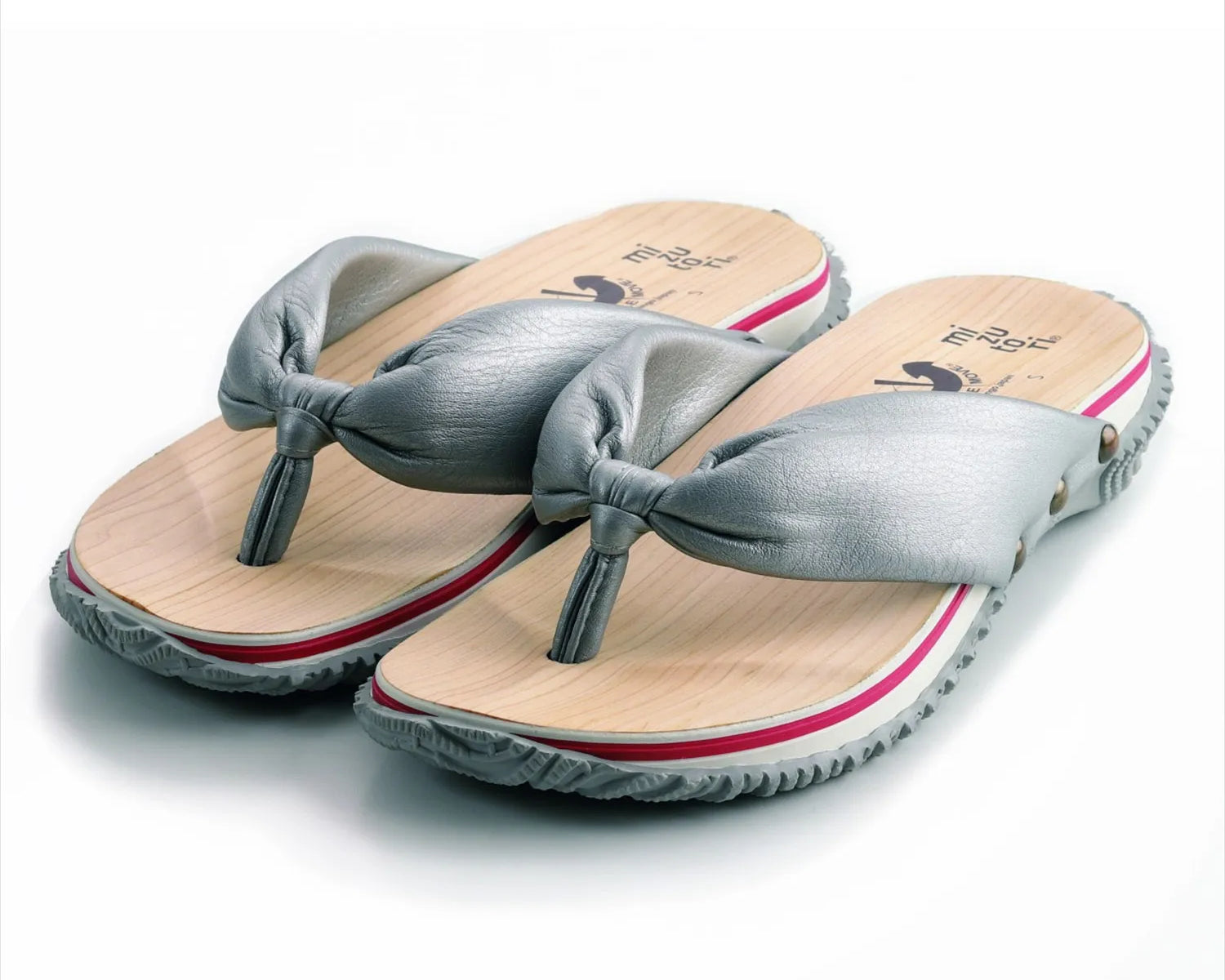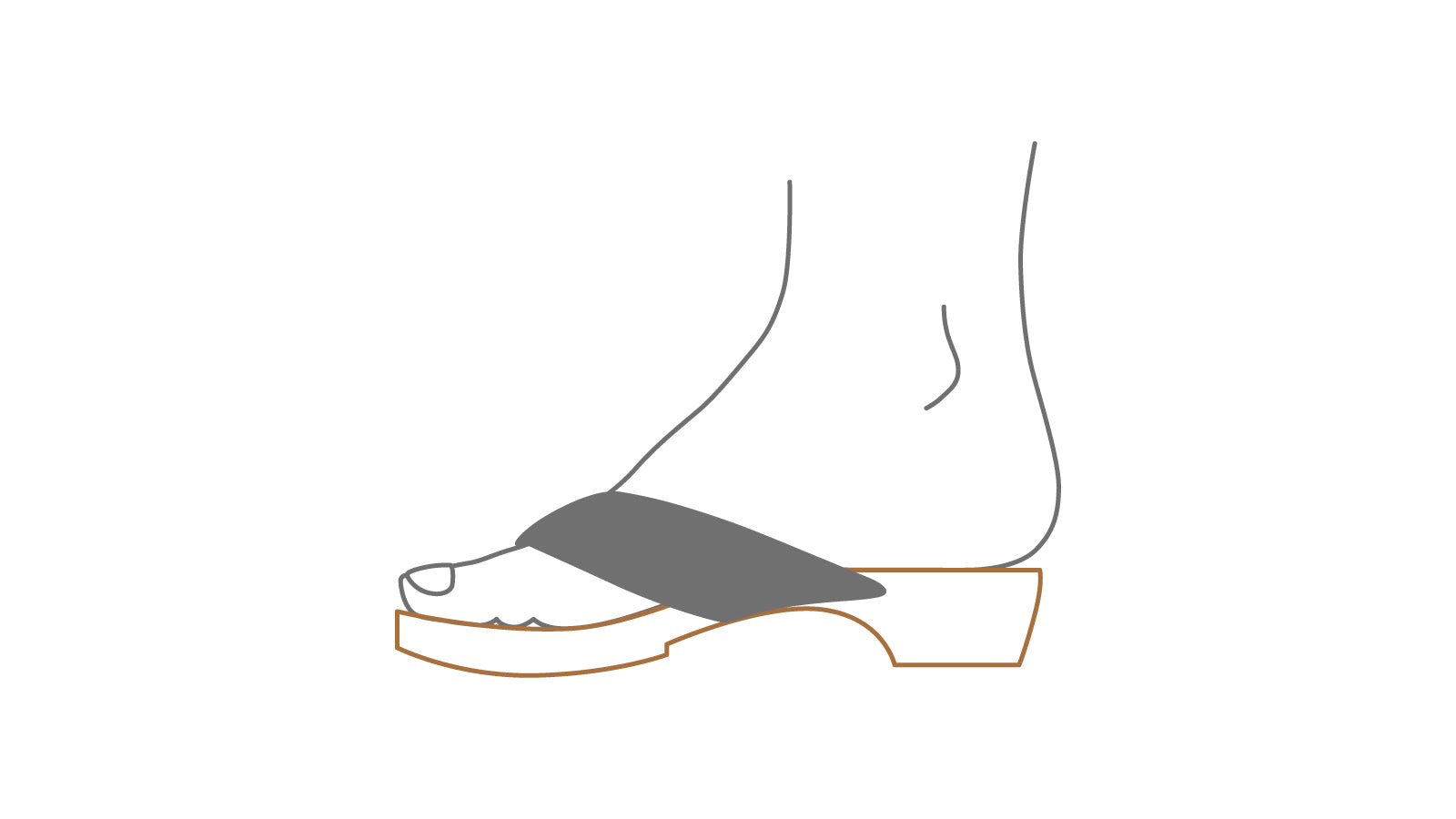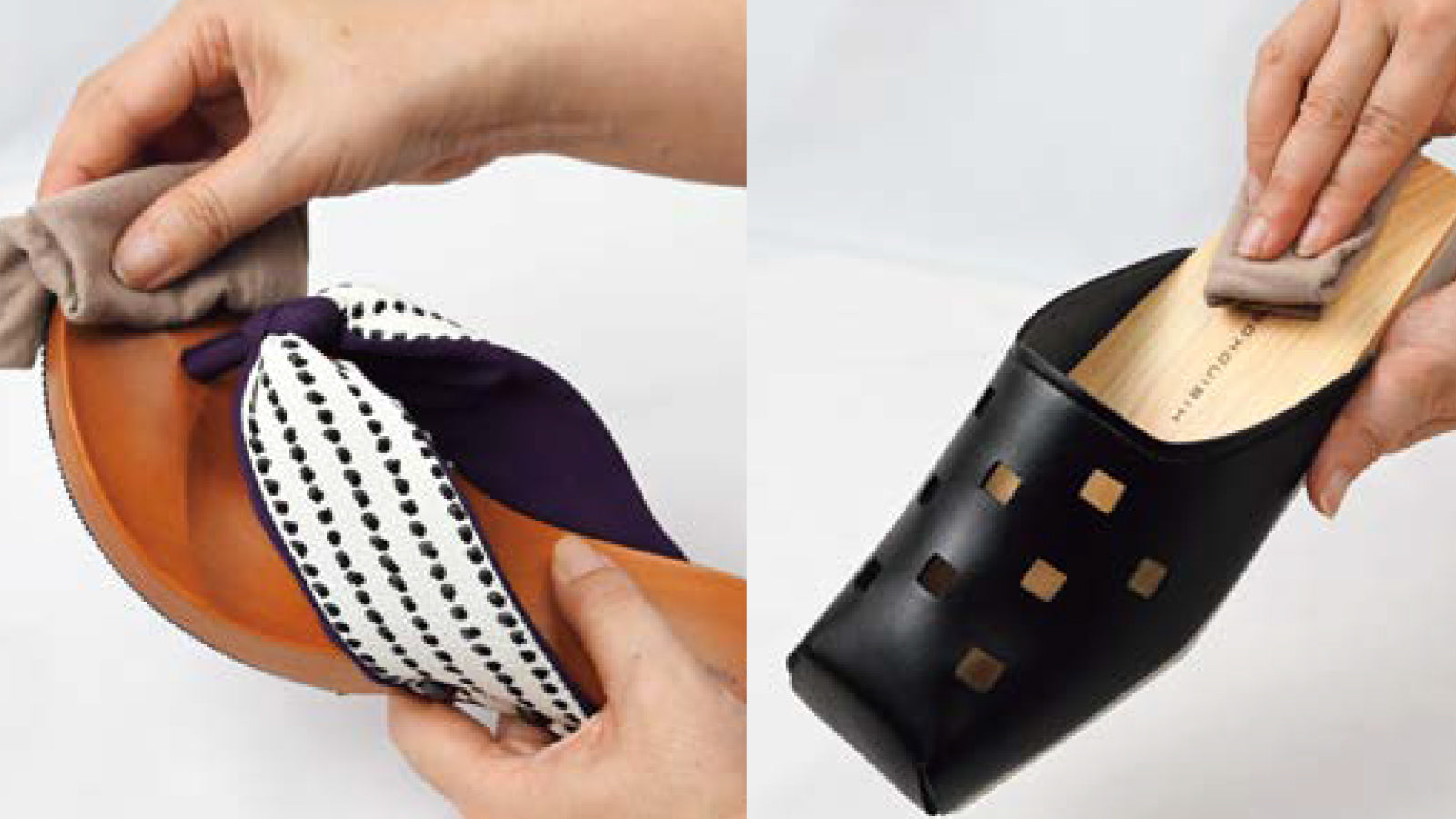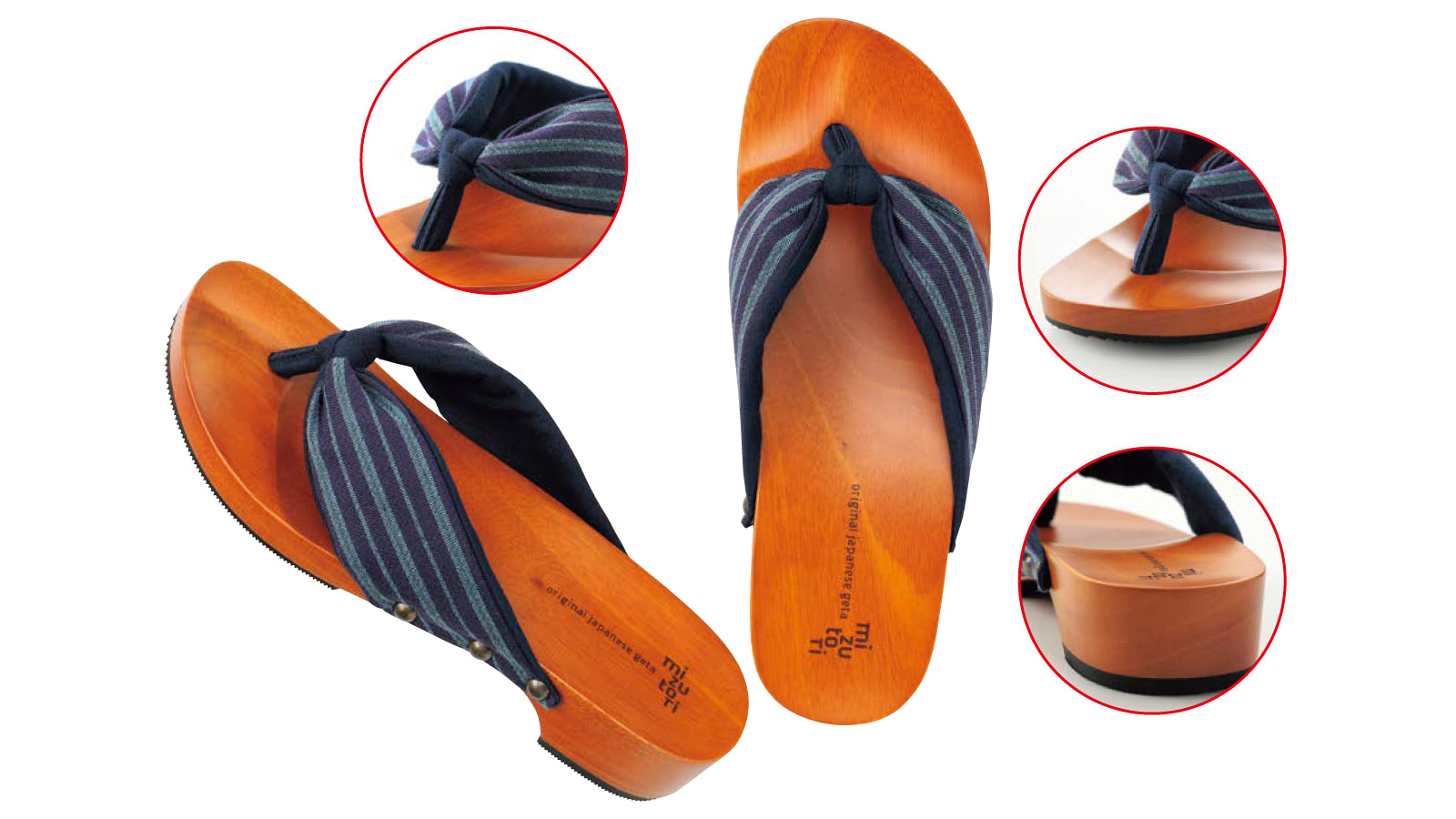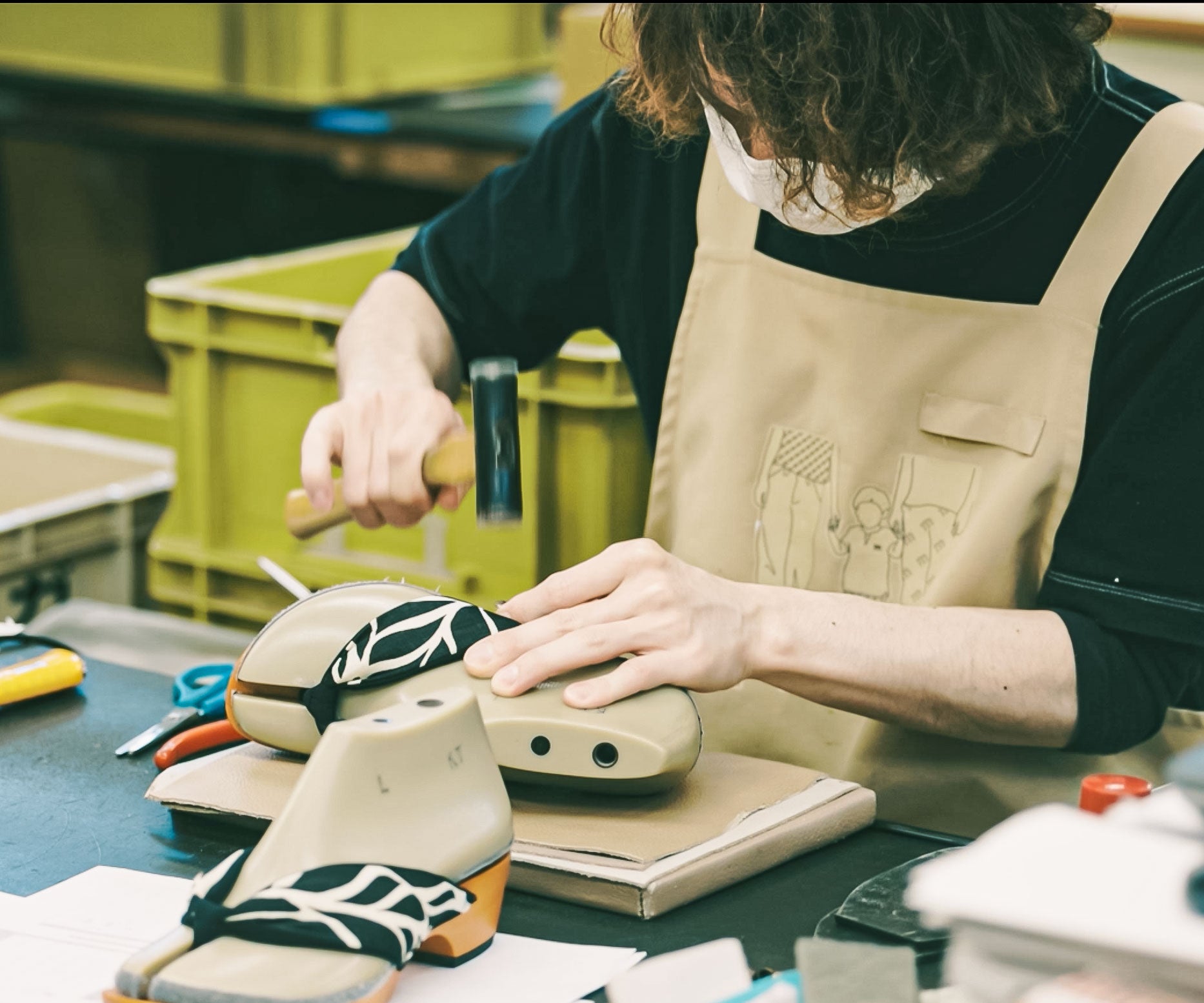
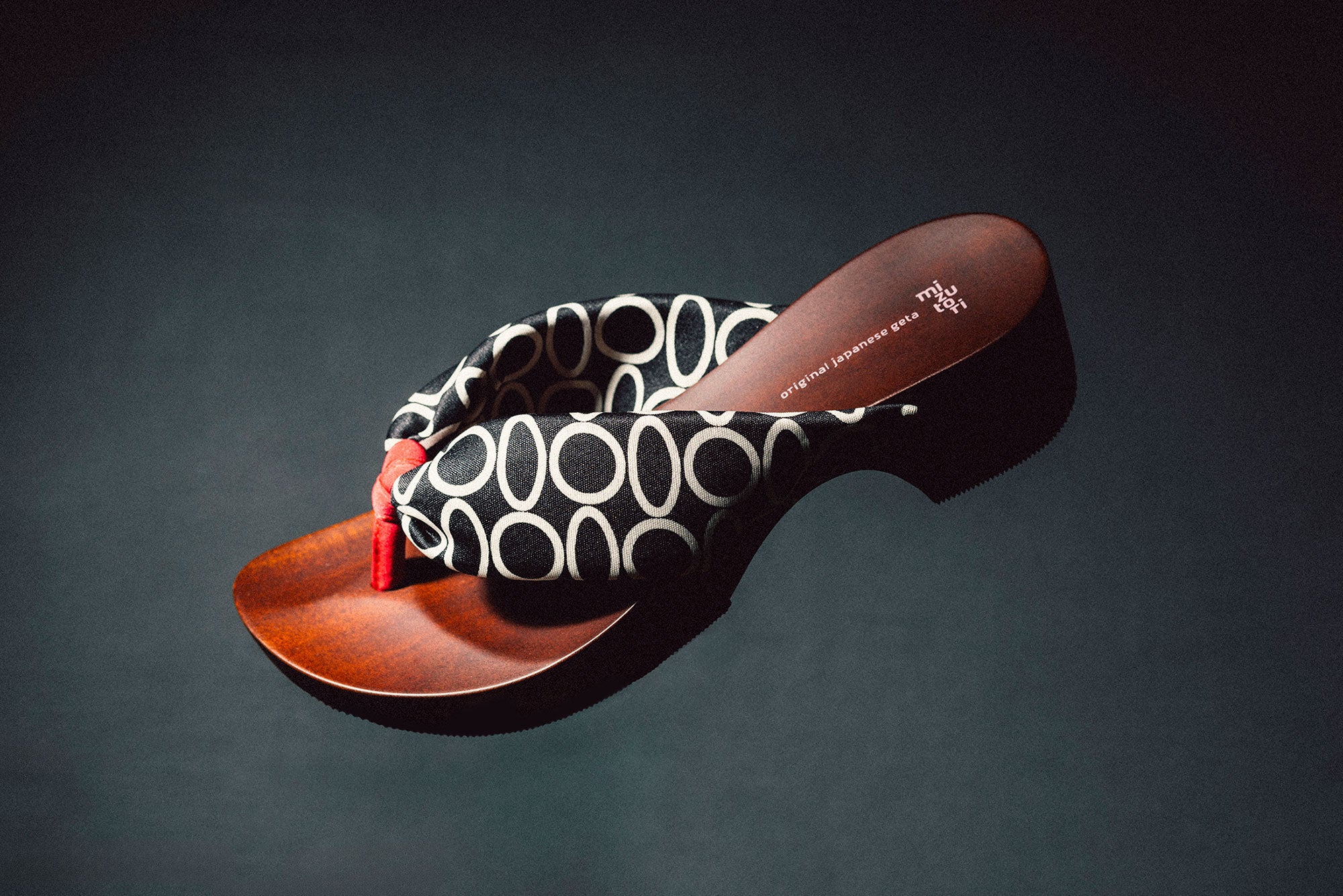

mizutori creates modern Japanese wooden sandals (geta) designed for comfort and everyday wear.
Episode 36
Why Is a Canadian Selling Geta?

At a department store event,
a customer suddenly stops in their tracks.
Before them are mizutori’s geta,
crafted in Shizuoka.
And standing beside them, selling them —
is a foreigner.
A slight tilt of the head.
An expression that says,
“…Huh?”
“Why is a foreigner
selling geta from Shizuoka?”
This is a scene
we occasionally witness
at mizutori’s pop-up events.
mizutori’s managing director
is from Quebec, Canada.
His native language is French,
and he speaks English fluently.
He came to Japan after the age of forty,
when he married the third-generation head of Mizutori Kogyo.
When he first arrived,
he could hardly speak Japanese.
He attended language school,
but studying alongside teenagers and students in their twenties,
he says he became keenly aware
that his own ability to absorb new knowledge
was not the same as it had been in his younger days.
As time passed,
and he began to understand everyday conversation a little,
he decided,
“The only way to truly learn a language is to use it.”
And so,
he began standing on the sales floor
at department store events.
To be honest,
there were concerns within the company.
Handling administrative procedures at department stores,
communicating carefully with customers —
what if something went wrong?
Still,
“you never know unless you try”
is part of mizutori’s spirit.
Once he began working in the field,
as expected,
many things happened.
At events showcasing Japanese craftsmanship,
where local products are displayed,
customers look up —
and see a foreigner.
For a brief moment,
the air seems to freeze.
That reaction, he says,
happened often.
And yet,
that very “why?”
sometimes becomes the doorway to curiosity.
“Why are you selling these?”
“Your Japanese is very good.”
From those conversations,
the story of geta begins.
In recent years,
the number of international visitors has grown.
At such times,
he introduces Shizuoka’s geta
switching between English and French.
On the other hand,
at regional events,
local dialects and differences in intonation
can be challenging.
At those moments,
rather than striving for perfect wording,
he prioritizes enjoying the interaction
with the customer in front of him.
Is that appropriate
for business?
Some may wonder.
And yet,
we believe
this too is part of mizutori’s character.
Of course,
not everything is easy.
At times, some customers hesitate,
unsure whether communication will go smoothly.
But there are also those
who stop,
who listen.
Geta made from natural materials
by human hands
are never exactly the same.
The grain of the wood,
the carving,
the fit —
each differs slightly.
To find those differences
interesting,
to see them as character —
geta are supported
by customers
with that kind of generous sensibility.
Those who choose mizutori’s geta
often seem to have
a certain openness of heart,
embracing each difference
as part of the charm.
Perhaps that is why
even when our managing director’s Japanese is imperfect,
customers still welcome him warmly.
What amazes us most, however,
is his spirit of challenge.
If the roles were reversed —
if we stood in a foreign country
with only limited everyday language ability,
selling products in a department store —
honestly,
just imagining it
is intimidating.

“Why is a Canadian selling geta?”
If that small moment of surprise
becomes the reason
someone learns about mizutori,
then that too
is one way
of carrying geta into the future.
If you ever happen to see
a Canadian selling geta somewhere,
please do stop
and say hello.