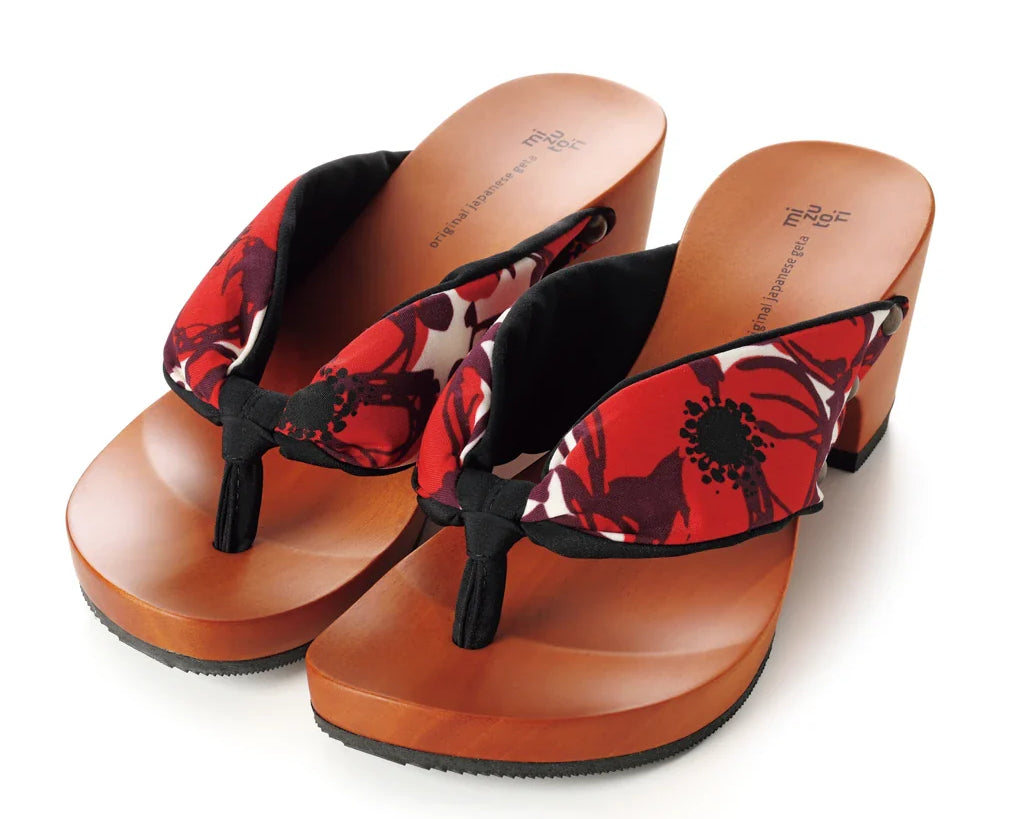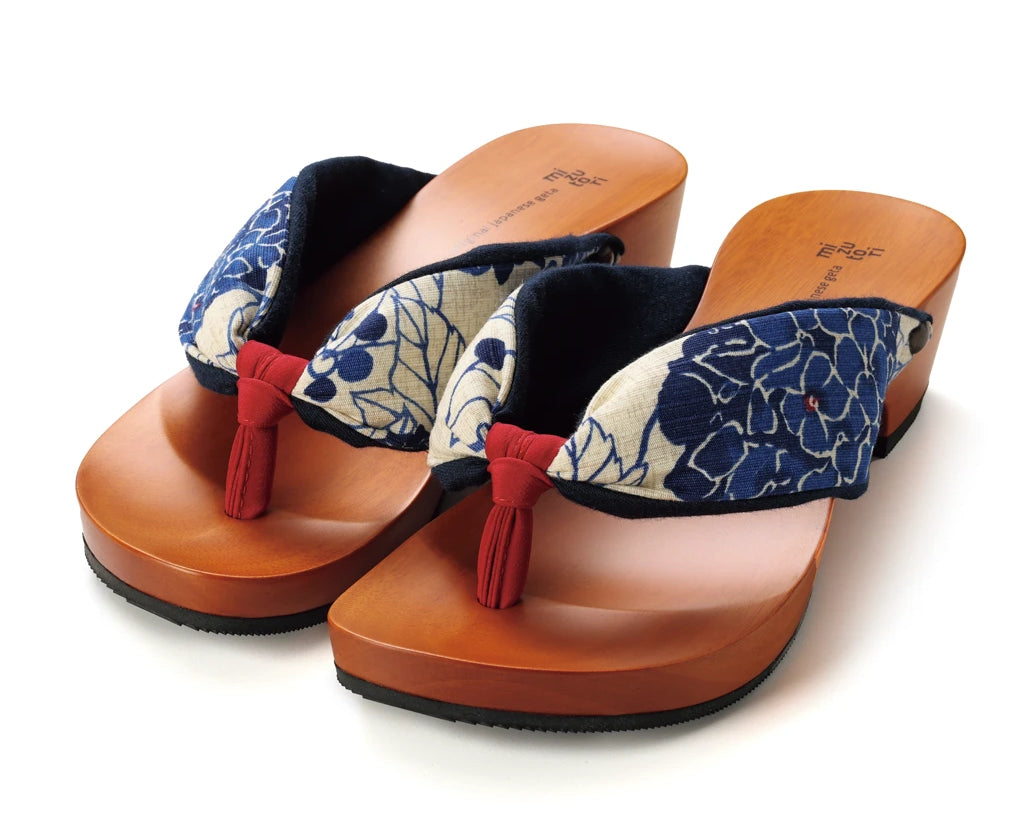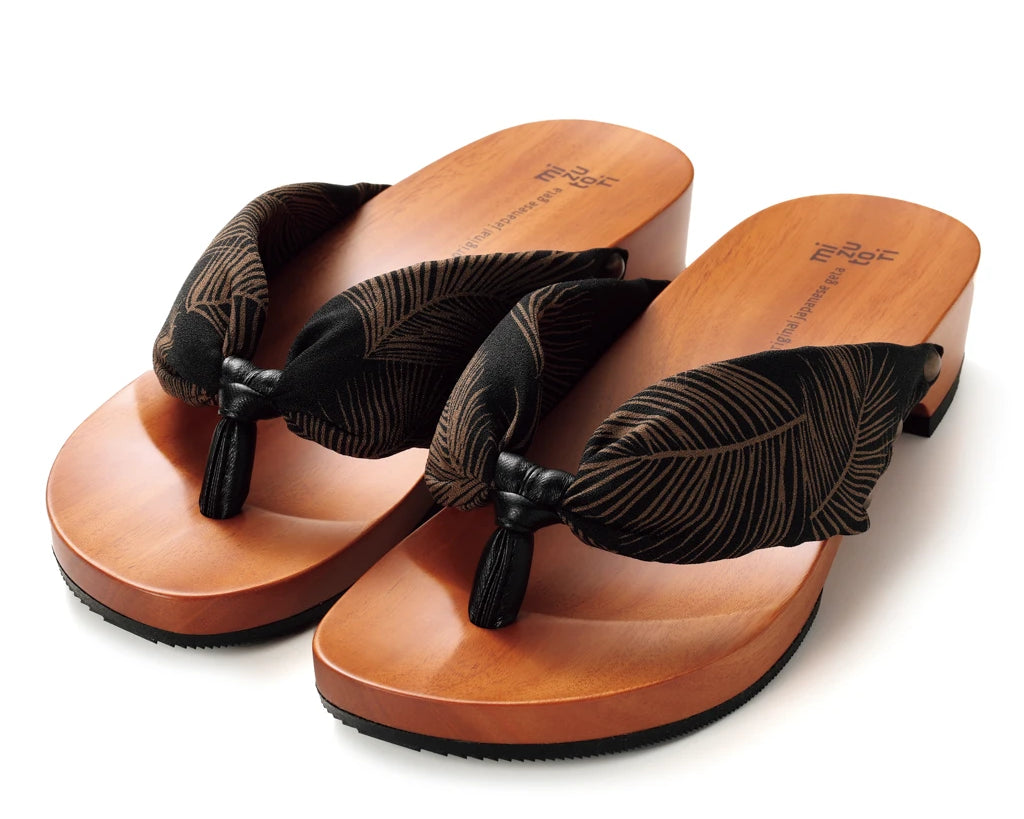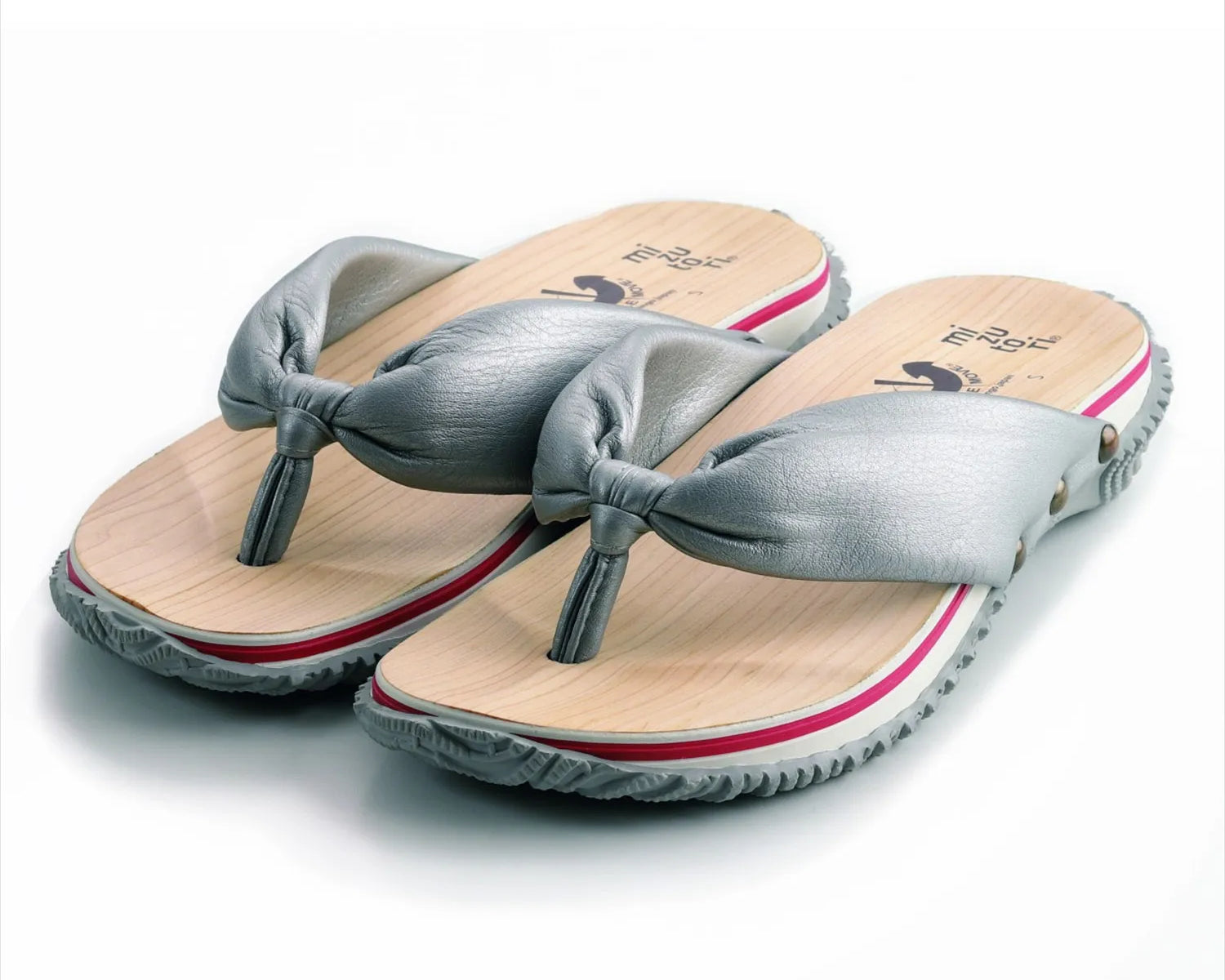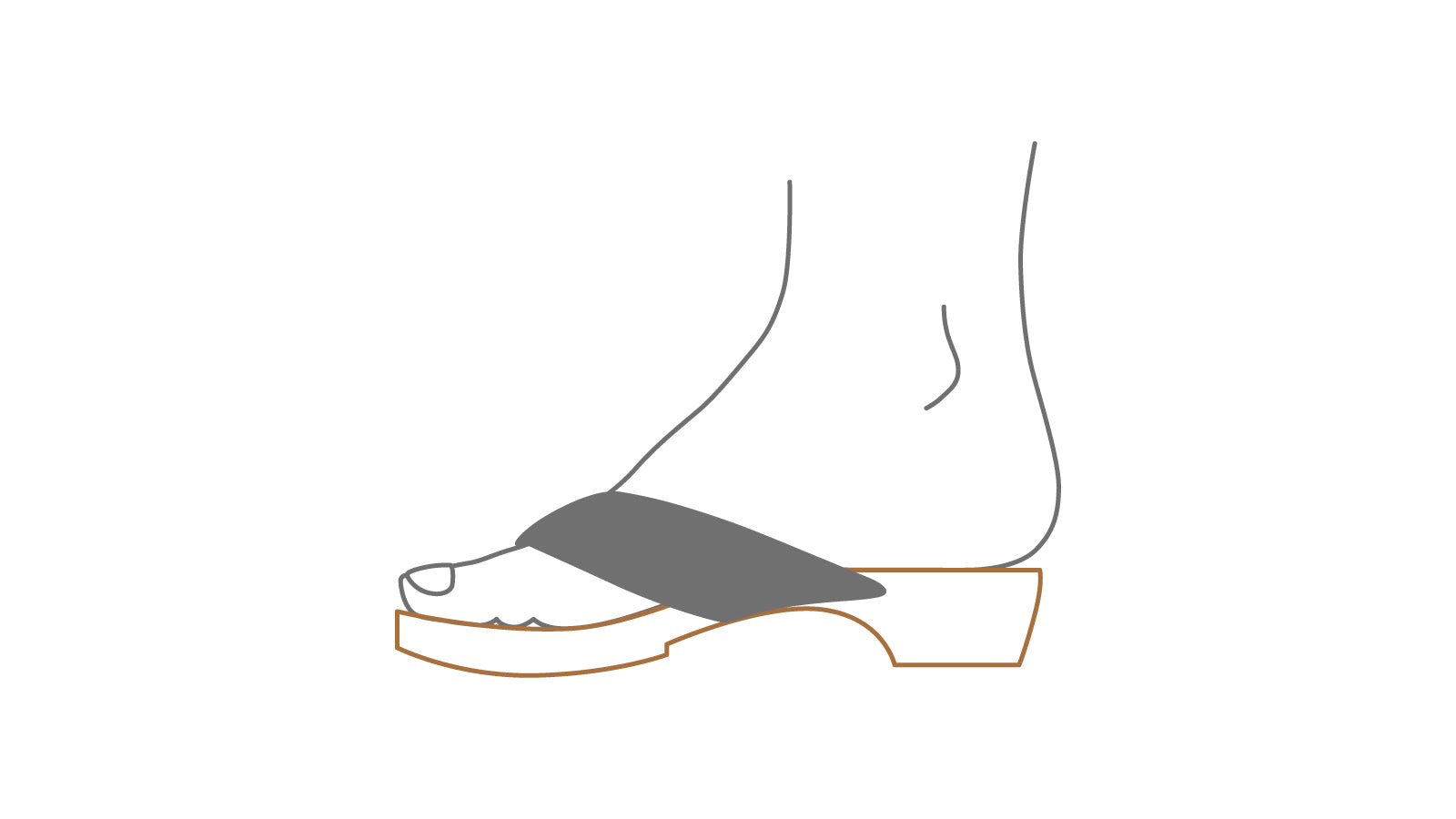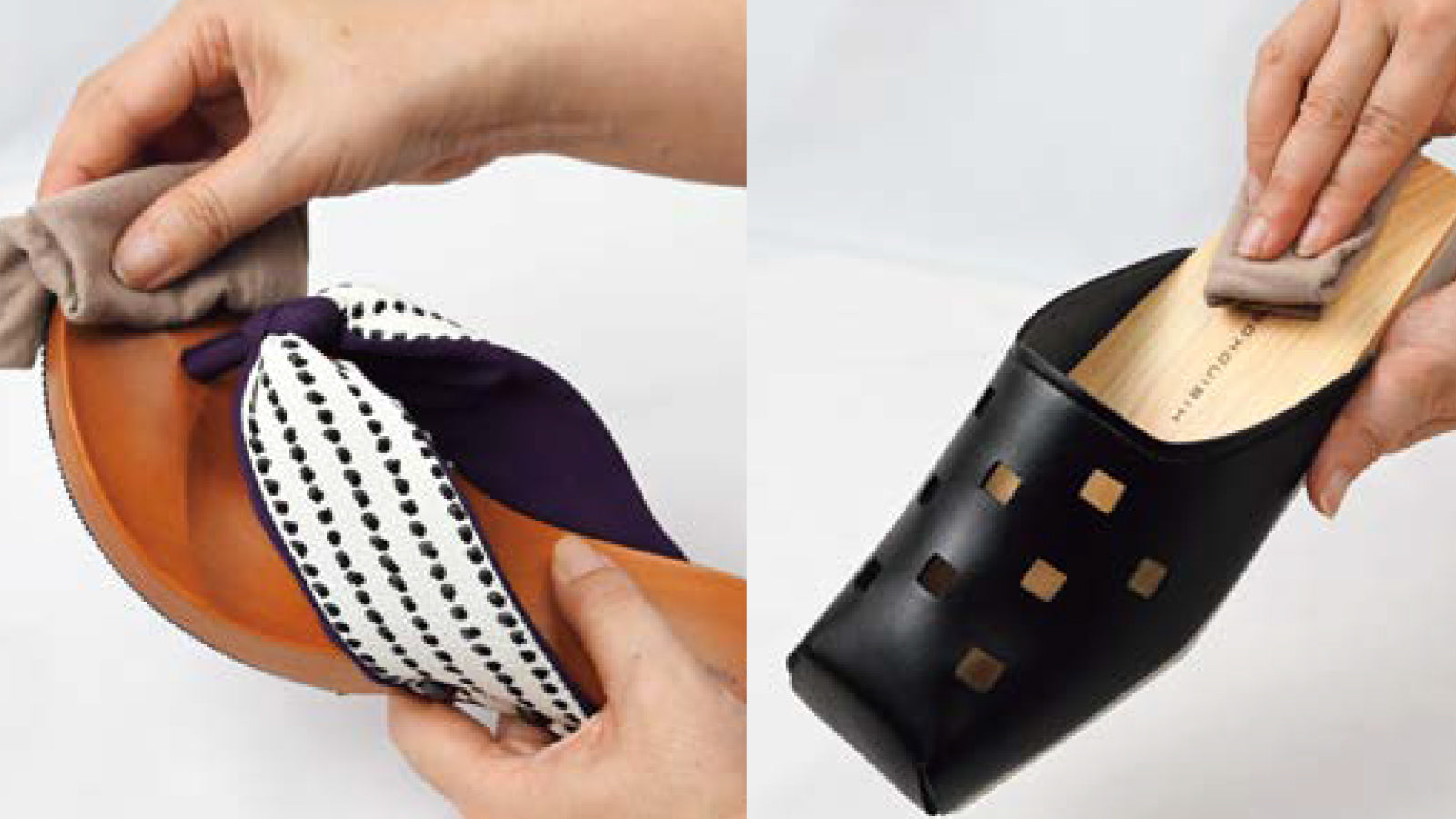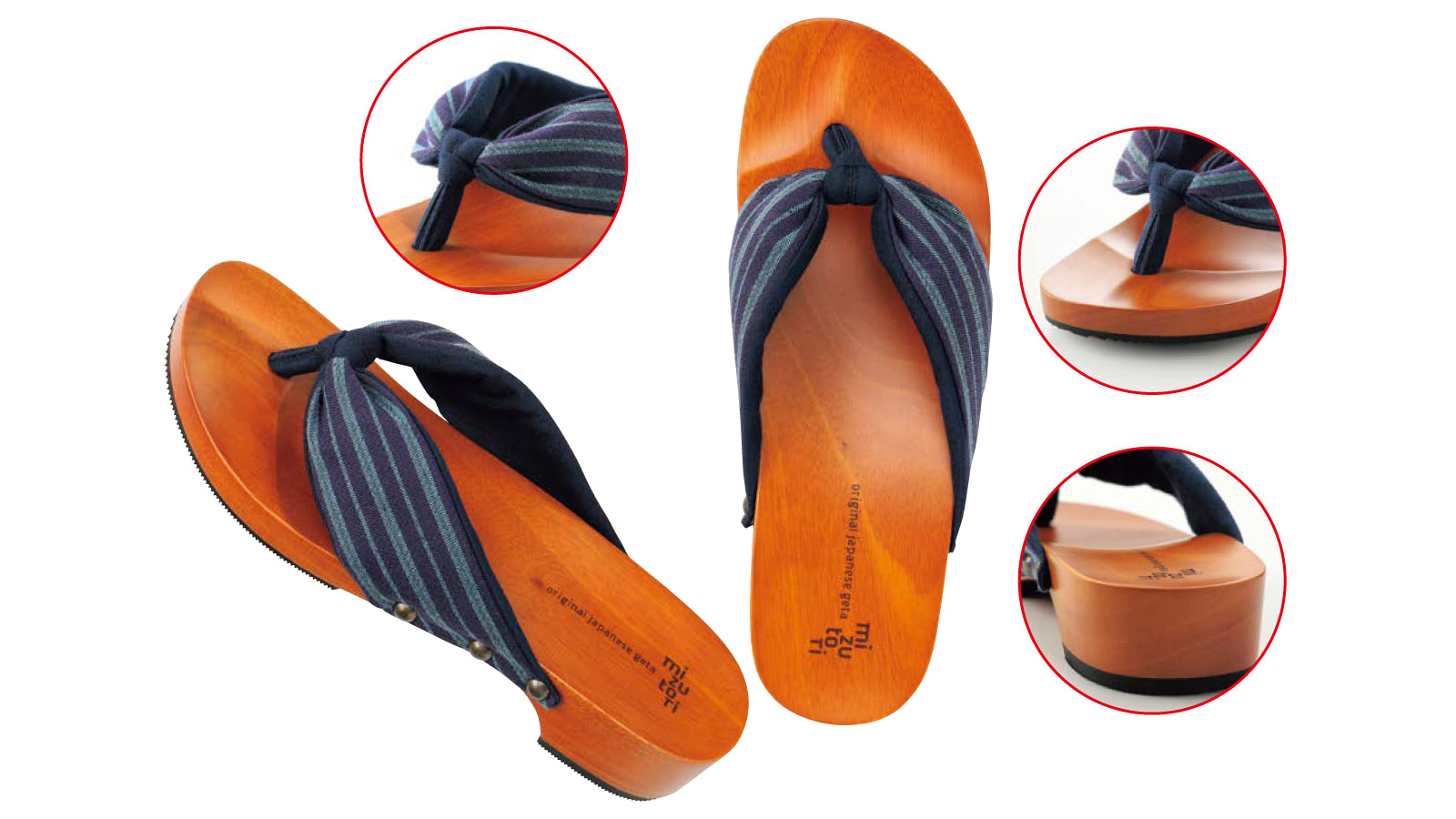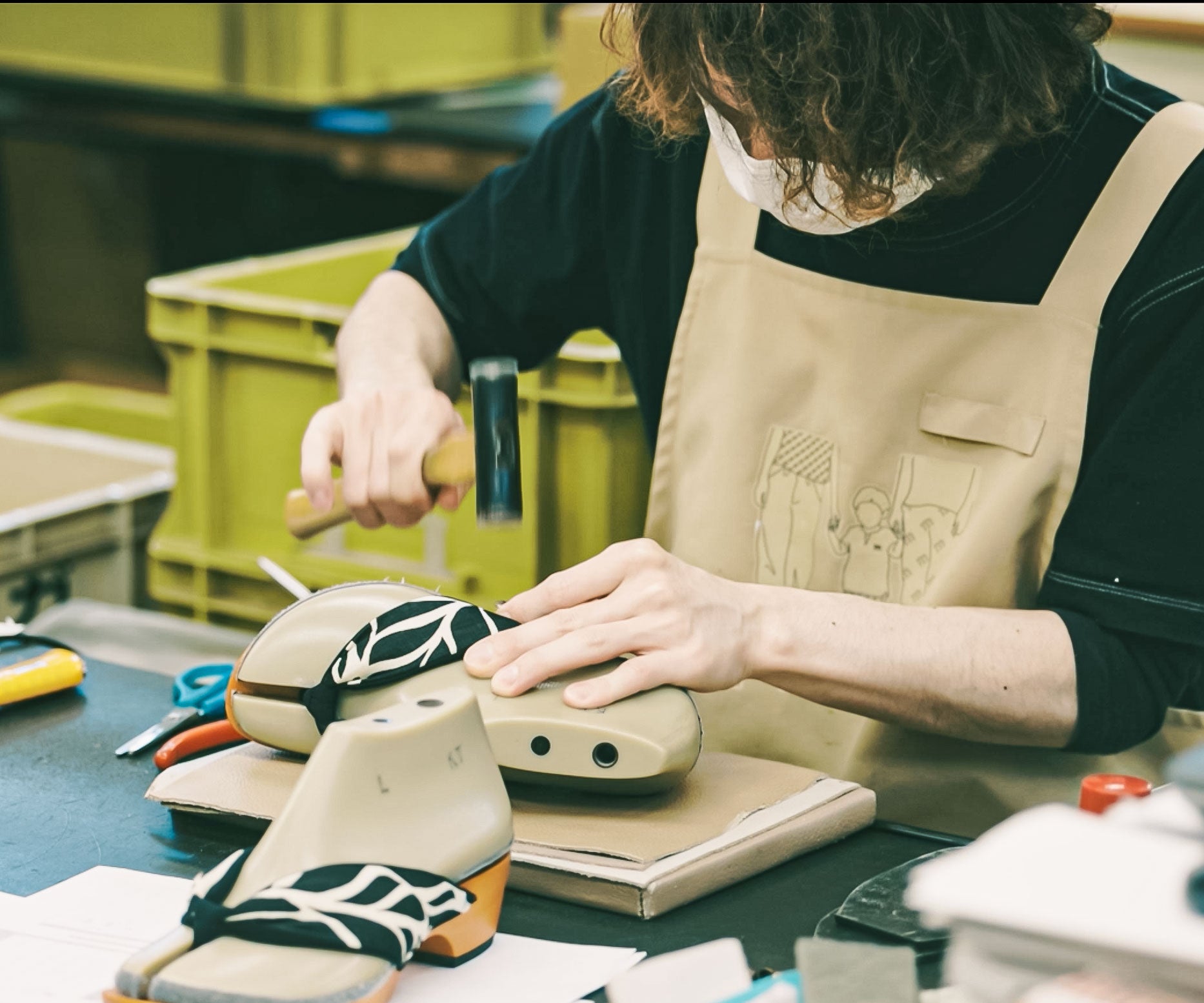
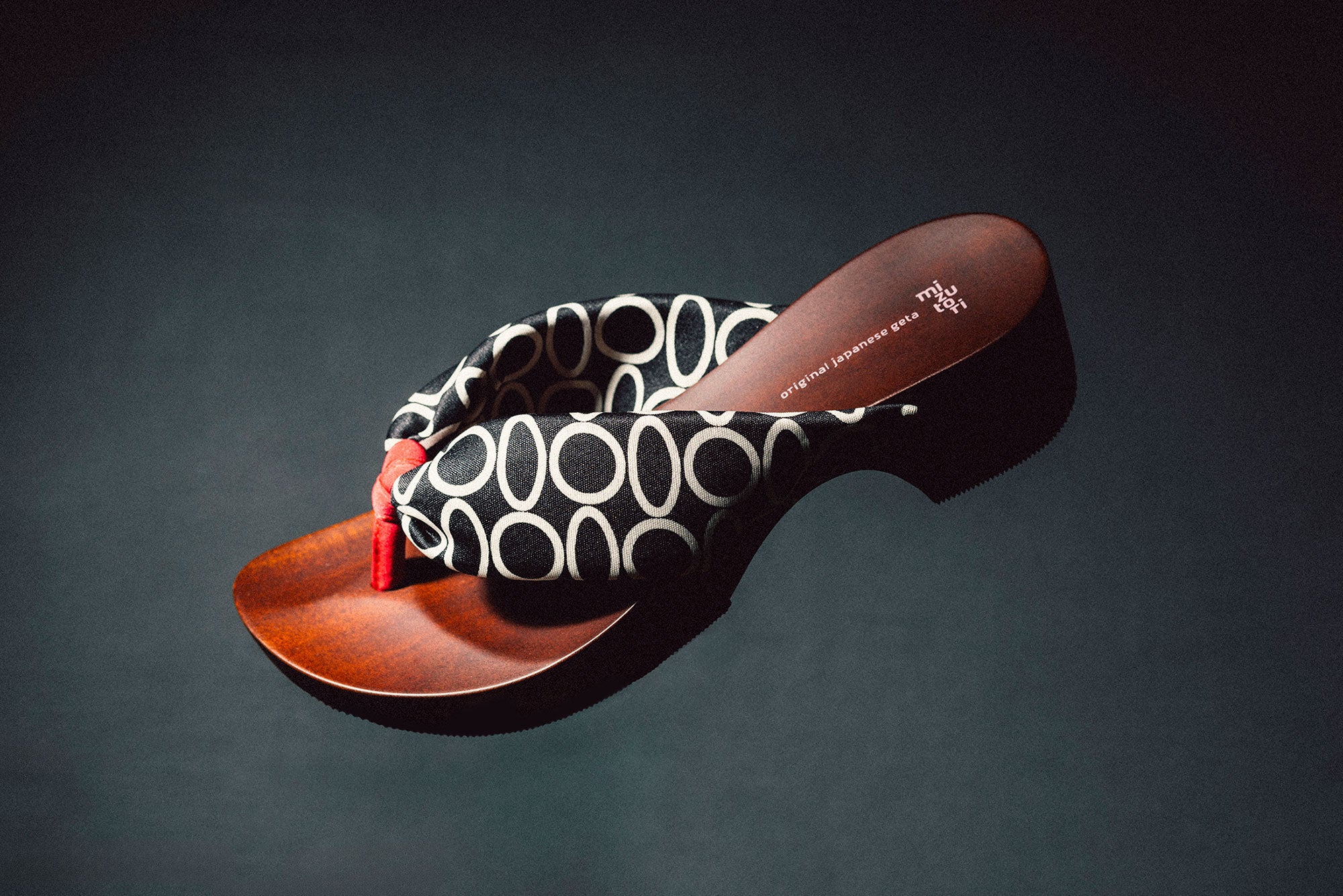

mizutori creates modern Japanese wooden sandals (geta) designed for comfort and everyday wear.
Episode 21
Are Geta Only for Summer?

When we stand at our sales counters, we often hear
questions such as:
“Geta are only for summer, aren’t they?”
“What do you wear them with once it gets cold?”
We sometimes see mothers telling their young children,
“These are shoes for festivals.”
In Shizuoka City, where mizutori’s factory is located, snow is rare except in mountainous areas. By pairing geta with tabi socks, they can be worn comfortably throughout the year.
Because we ourselves wear geta regularly, we rarely think of them as footwear reserved for limited occasions. Each time we hear these comments, we gently realize how different the common image of geta may be.
The idea that “geta are for summer” may actually be a relatively modern perception.
So how did people in the past — when geta were everyday footwear — live through the colder seasons?
Geta Through the Seasons
From the Edo period through the early Showa era, geta were worn year-round.
Alongside zori and waraji sandals, they were essential companions in daily life. The practice of changing footwear according to the season became common only in more modern times.
In winter, people layered thick tabi or padded cotton tabi to keep their feet warm. Some even added straw or cloth inside for extra insulation.
Tabi functioned much like what we might think of today as “socks layered over inner socks.”
There were also seasonal variations of geta themselves.
“Tatami-omote geta” featured woven rush covering for a softer touch.
“Yaki-geta” were treated to reduce the chill of the wooden base.
Lacquered geta provided improved resistance to moisture and cold.
Historical records even suggest that in snowy regions, lacquered geta paired with thick tabi were worn throughout the winter.
At that time, temperature differences between indoors and outdoors were less extreme than today, and daily life involved much more walking. With bodies in constant motion, people were naturally less prone to cold feet.For them, geta were not “summer footwear.”
They were trusted companions throughout the year.
Enjoying Geta in Autumn and Winter Today
Of course, our environment and lifestyles are different now.
Yet it may be worth remembering that for a long stretch of Japanese history, geta were never confined to a single season.
If conditions allow, perhaps they can once again accompany us through more than just summer.
With a bit of creativity, they can blend naturally into cooler months.
Try pairing them with thick tabi socks or wool socks.
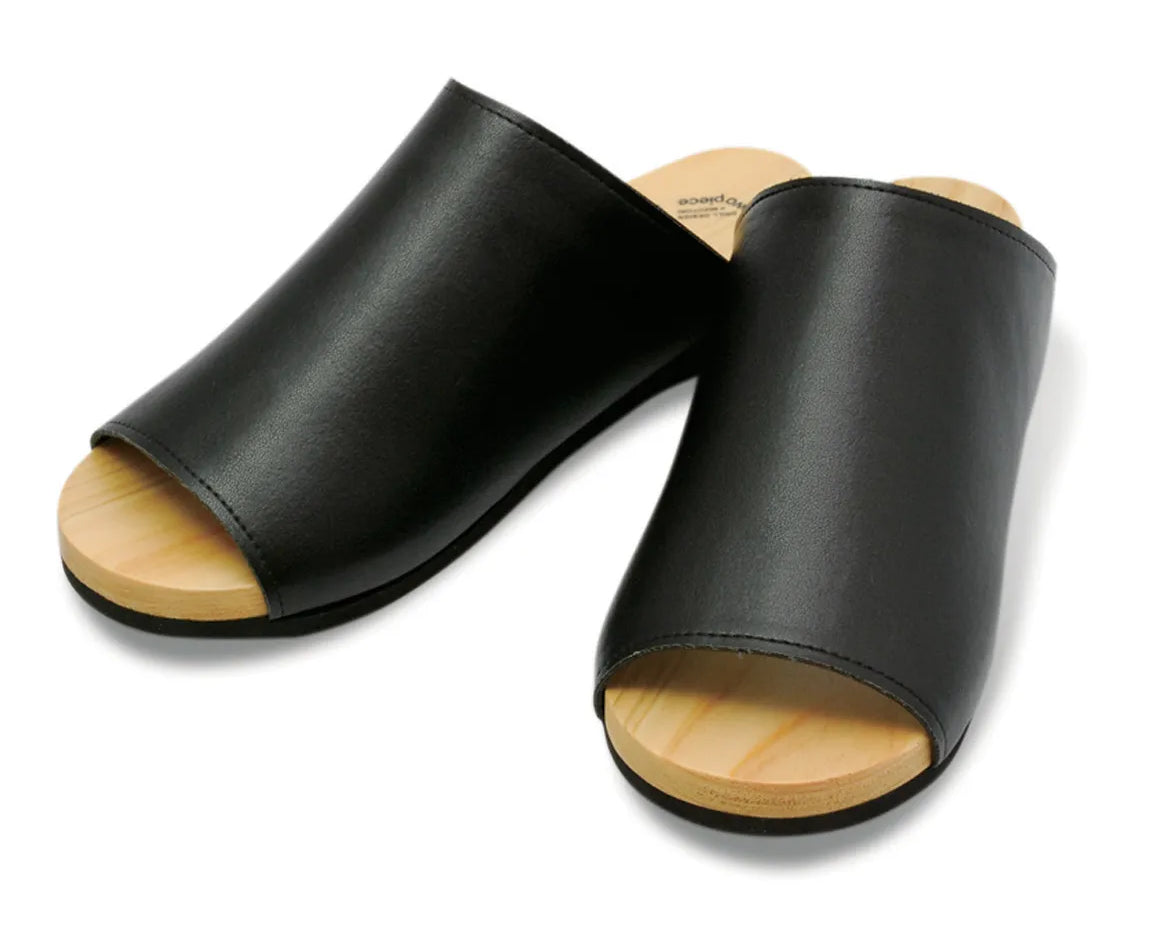
Choose subdued tones, a glossy black-lacquered base, or a sabo-style design that feels grounded and calm.
For example:
• A knit dress × leggings × wool tabi socks × black-lacquered geta
• A chunky sweater × denim × natural wood-grain geta
• A coat × soft loose socks × sabo-style geta
Rather than following strict rules, it may be more enjoyable to experiment — discovering combinations that feel comfortable and authentic to you.
mizutori’s geta carry the quiet warmth of wood, gradually molding to the shape of your feet. In the soft light and crisp air of autumn and early winter, their natural texture can feel especially alive.
A Companion Shaped by Those Who Wear It
Of course, in regions with heavy snowfall or extreme cold, we do not recommend wearing them without care.
But where the climate permits, geta can become a subtle way to add a touch of Japanese identity to autumn and early winter attire.
Just as people in the past adapted their footwear to their needs, we believe the ways of enjoying geta today do not need to be defined by the maker alone.
Craft evolves not only through those who make it, but also through those who live with it.
If you have discovered your own way of wearing geta in the cooler seasons, we would truly love to hear from you.
Perhaps, together, we can gently expand the seasons in which geta are enjoyed.