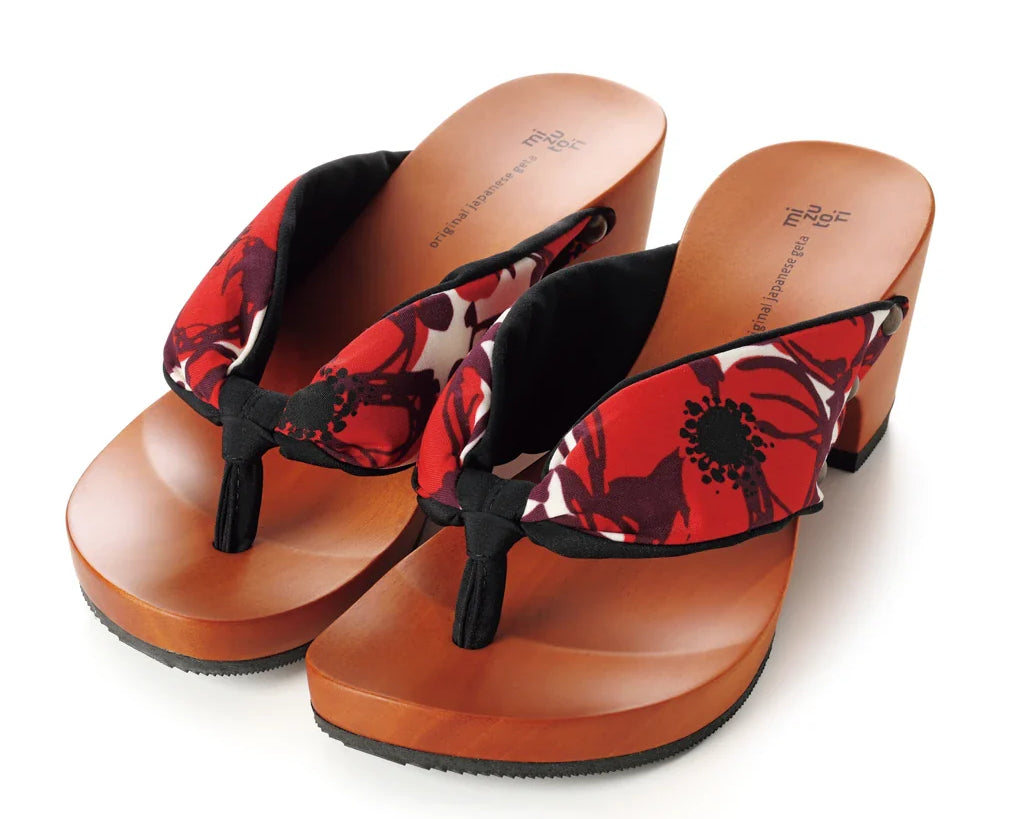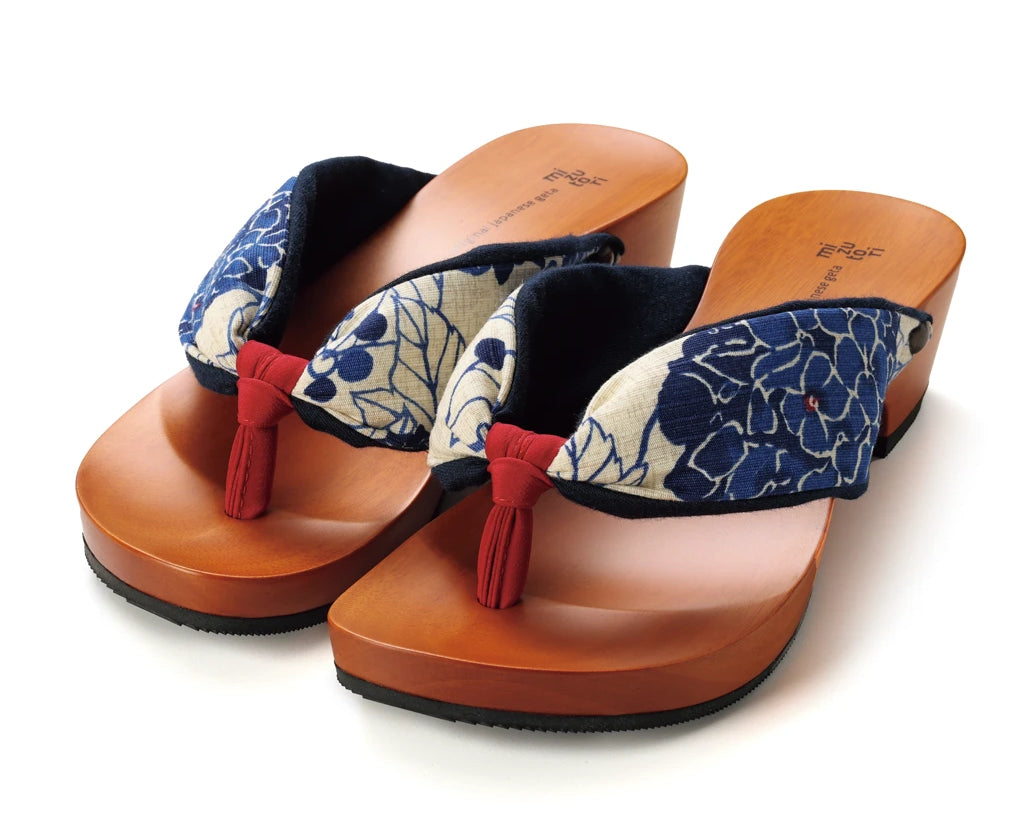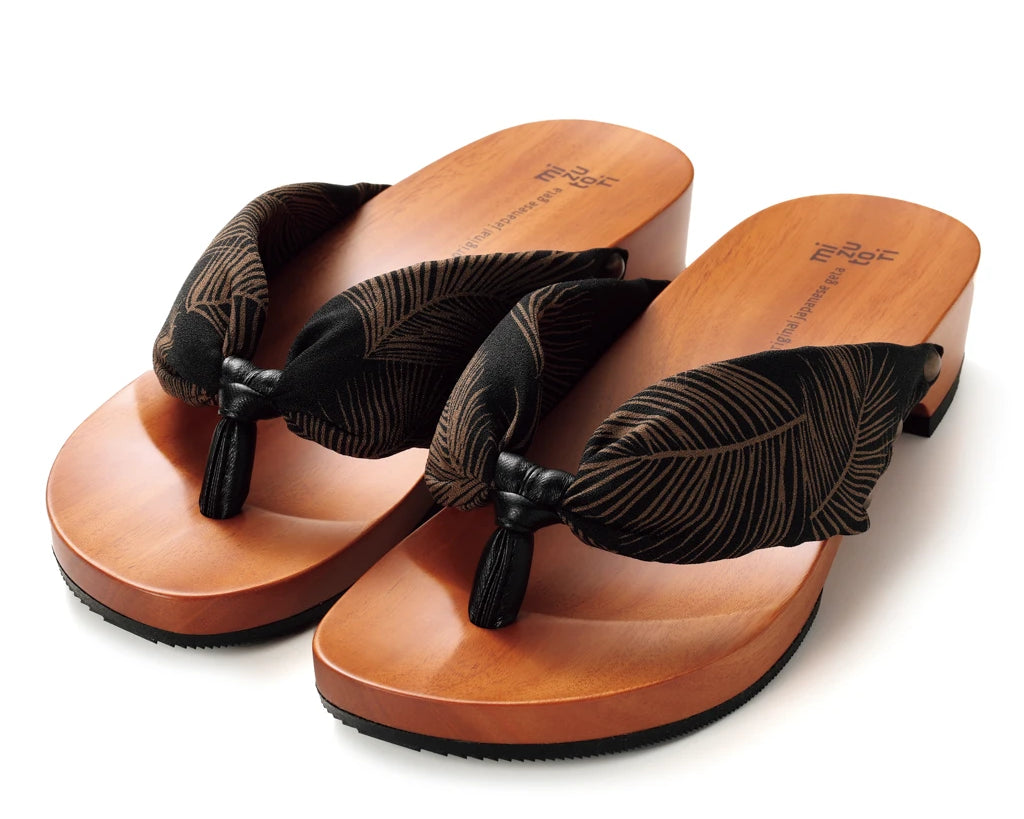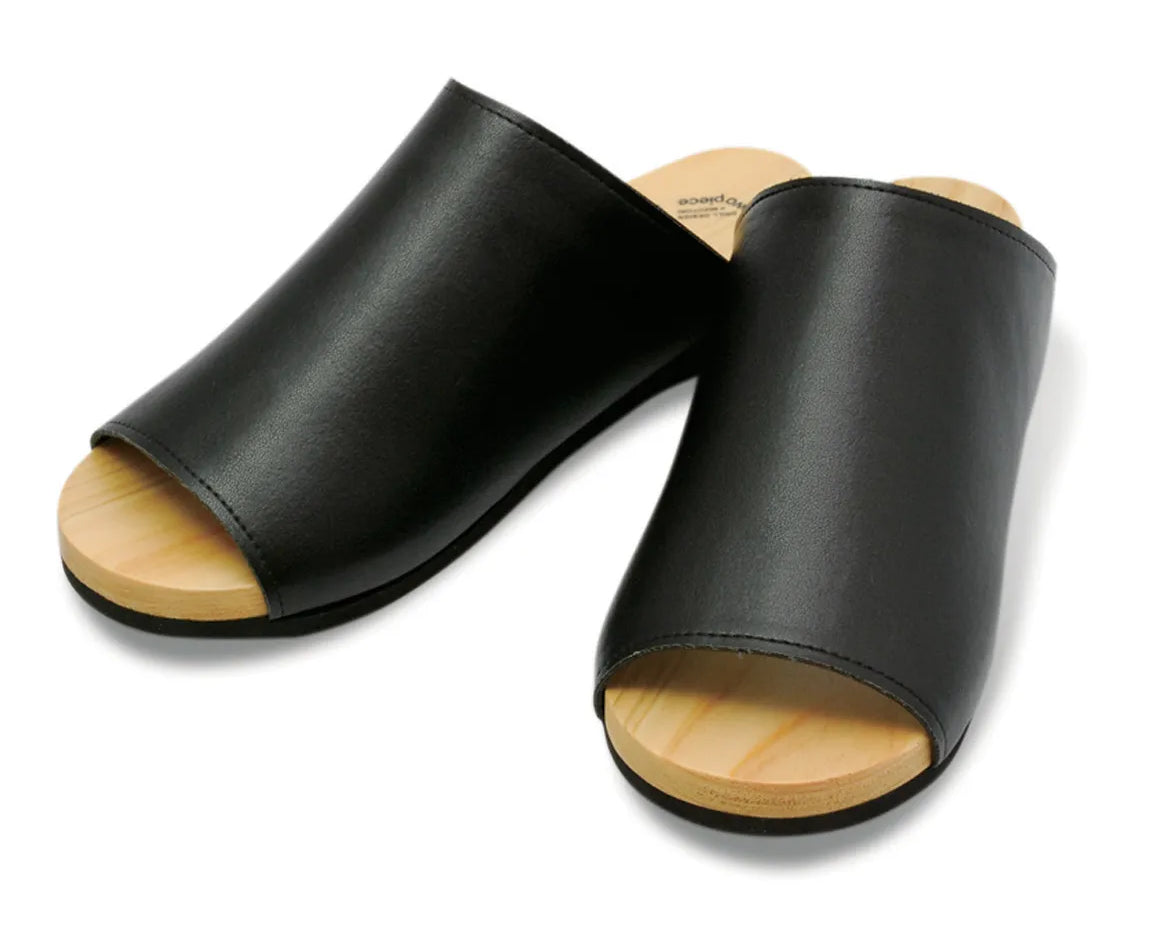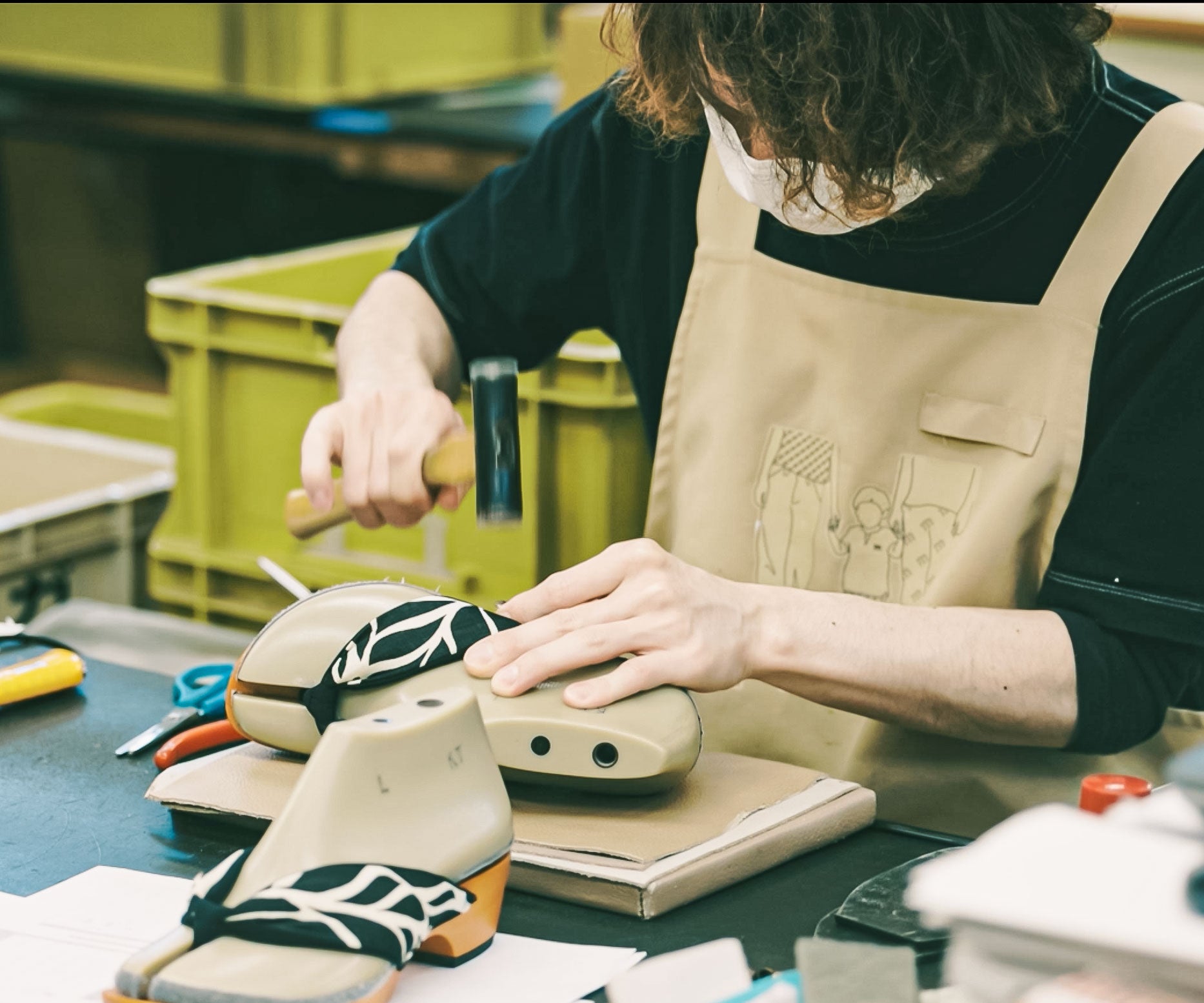

Geta come in various shapes.
While geta are a simple footwear consisting of a wooden base with a thong, their shapes are packed with ingenuity born over a long history.
This time, we will introduce the traditional shapes of geta and the mizutori geta shapes created to suit modern lifestyles.
Traditional Geta Shapes
Japanese geta come in several representative shapes.
One well-known type is the "two-toothed geta" with two supports on the sole.
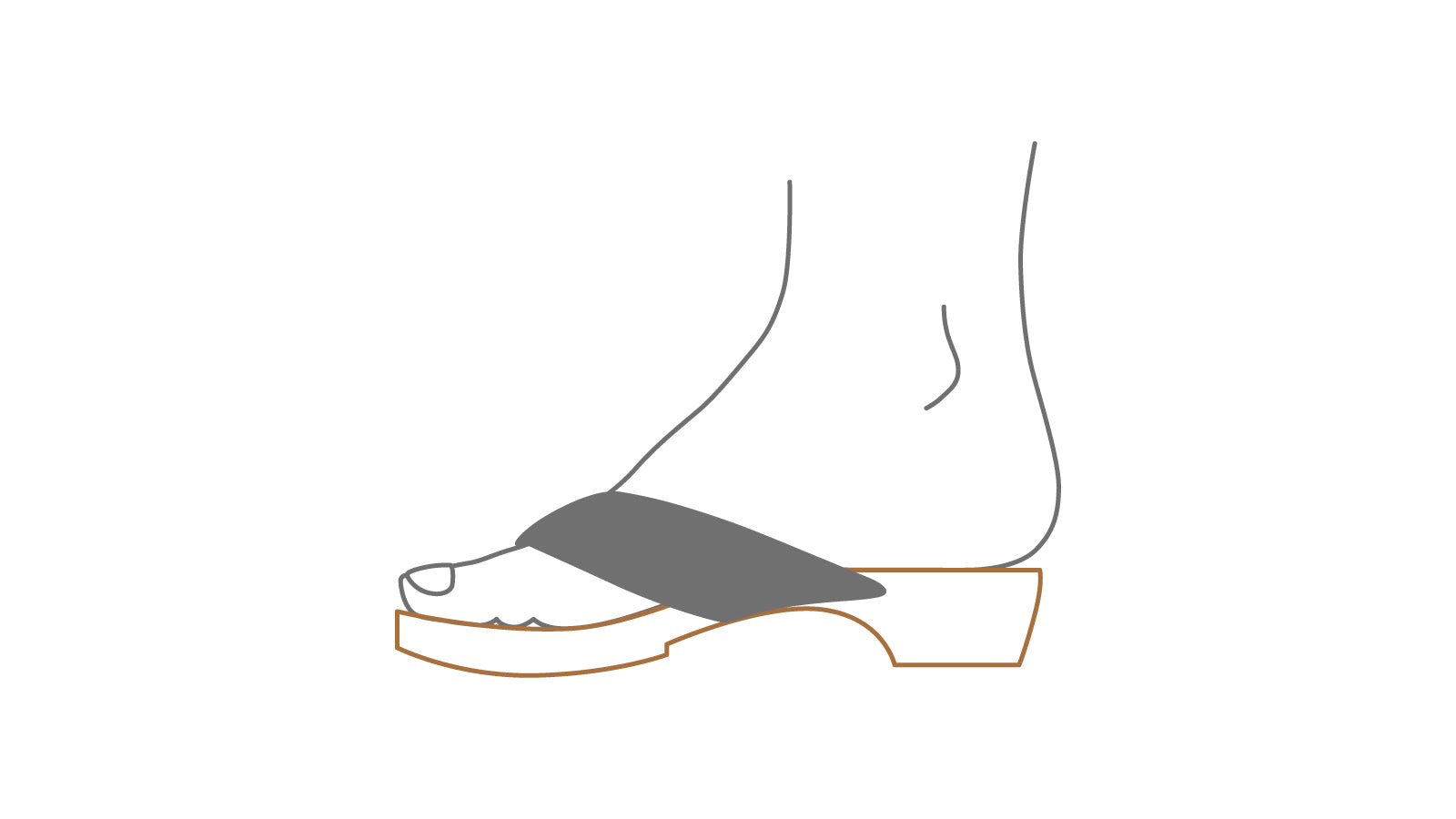
Because it creates a space between the foot and the ground, it served a practical purpose in keeping tabi socks and kimono hems from getting dirty even on rainy days.
Many other shapes were also created to suit different uses and regions, such as the "ukon geta," which has low teeth and provides stability.
Each shape, from the form of the wooden base to the height of the teeth and the position of the thongs, embodies the wisdom of Japanese life.

mizutori Geta for Modern Lifestyles
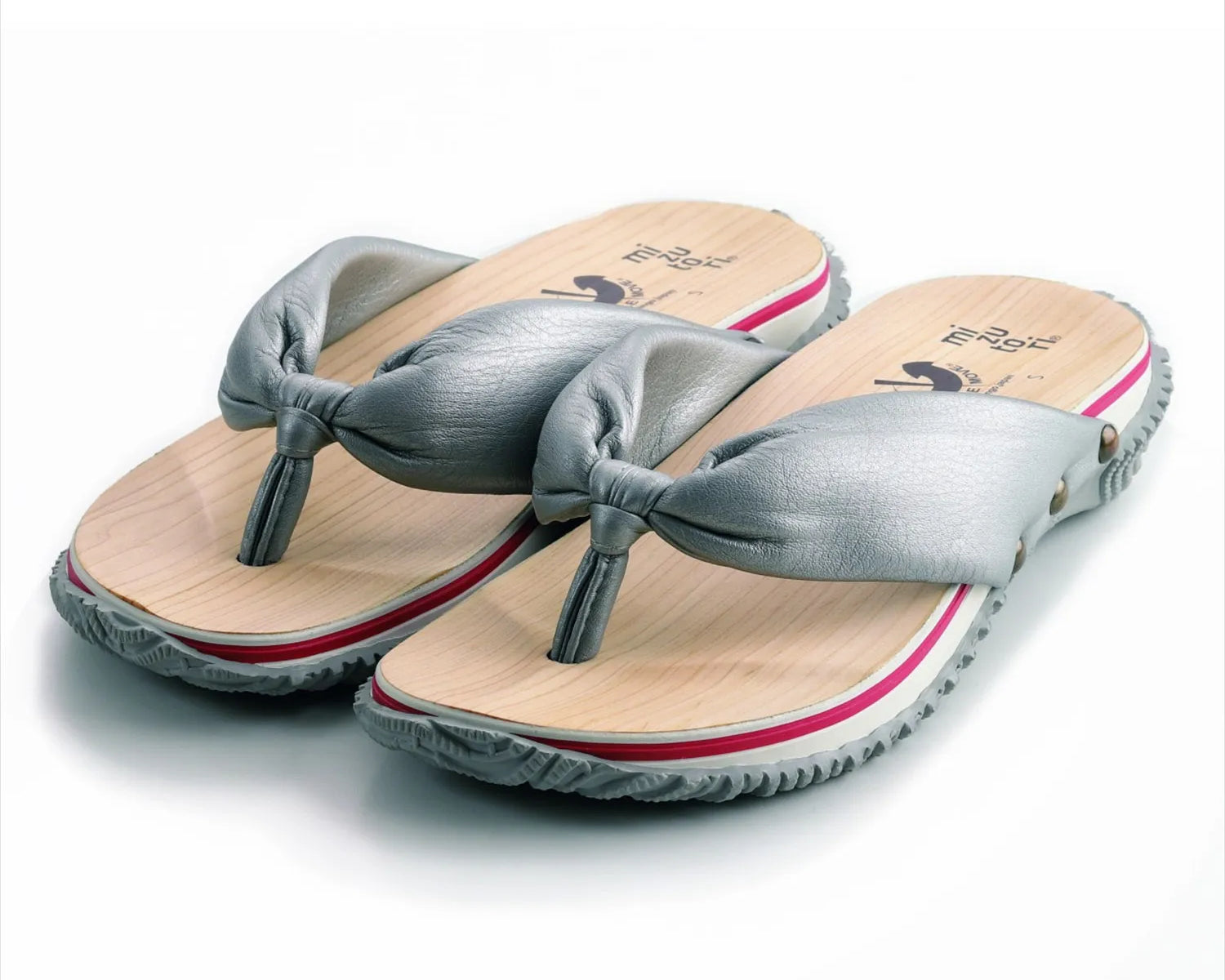
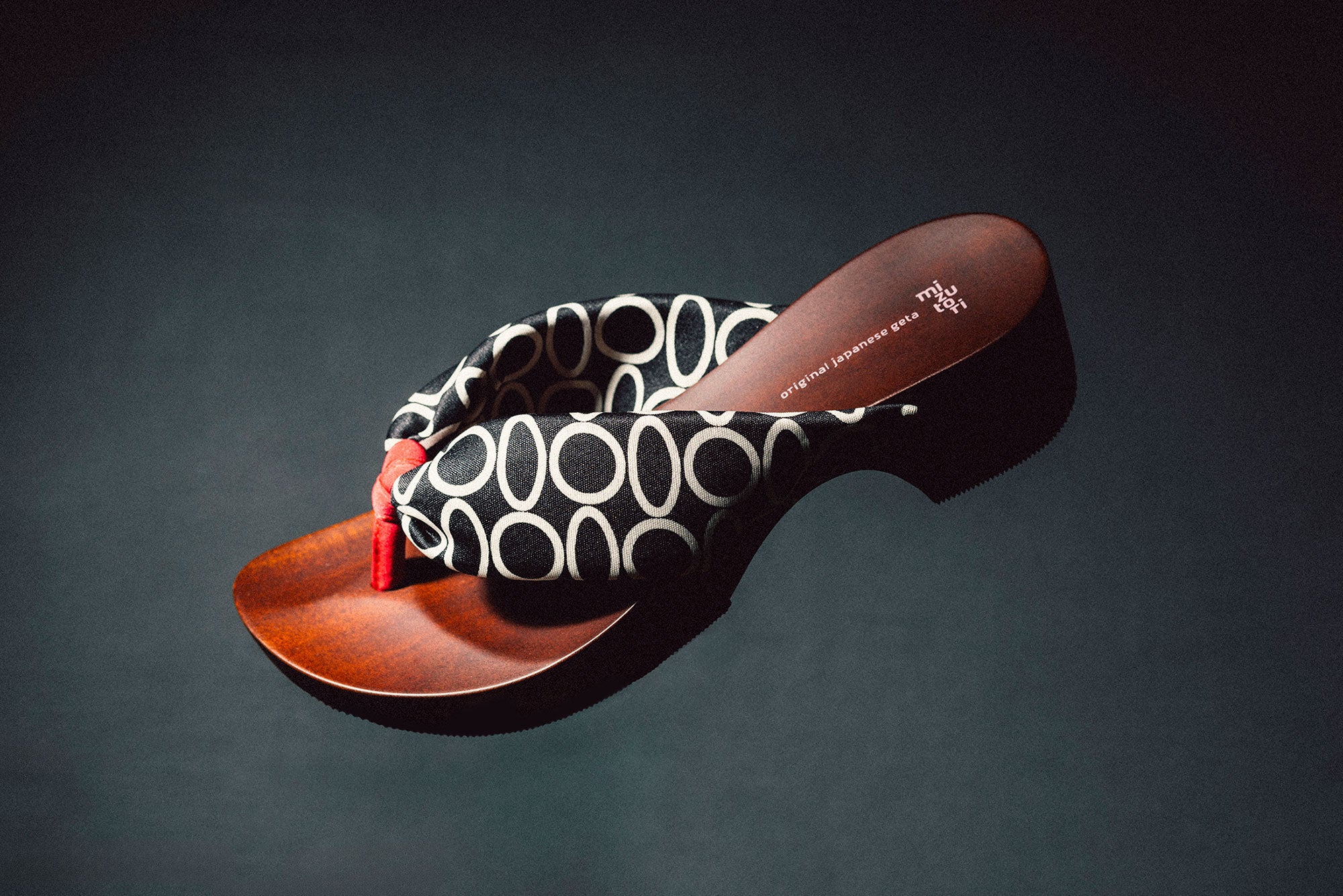
mizutori geta are designed to suit modern lifestyles while preserving the charm of traditional geta.
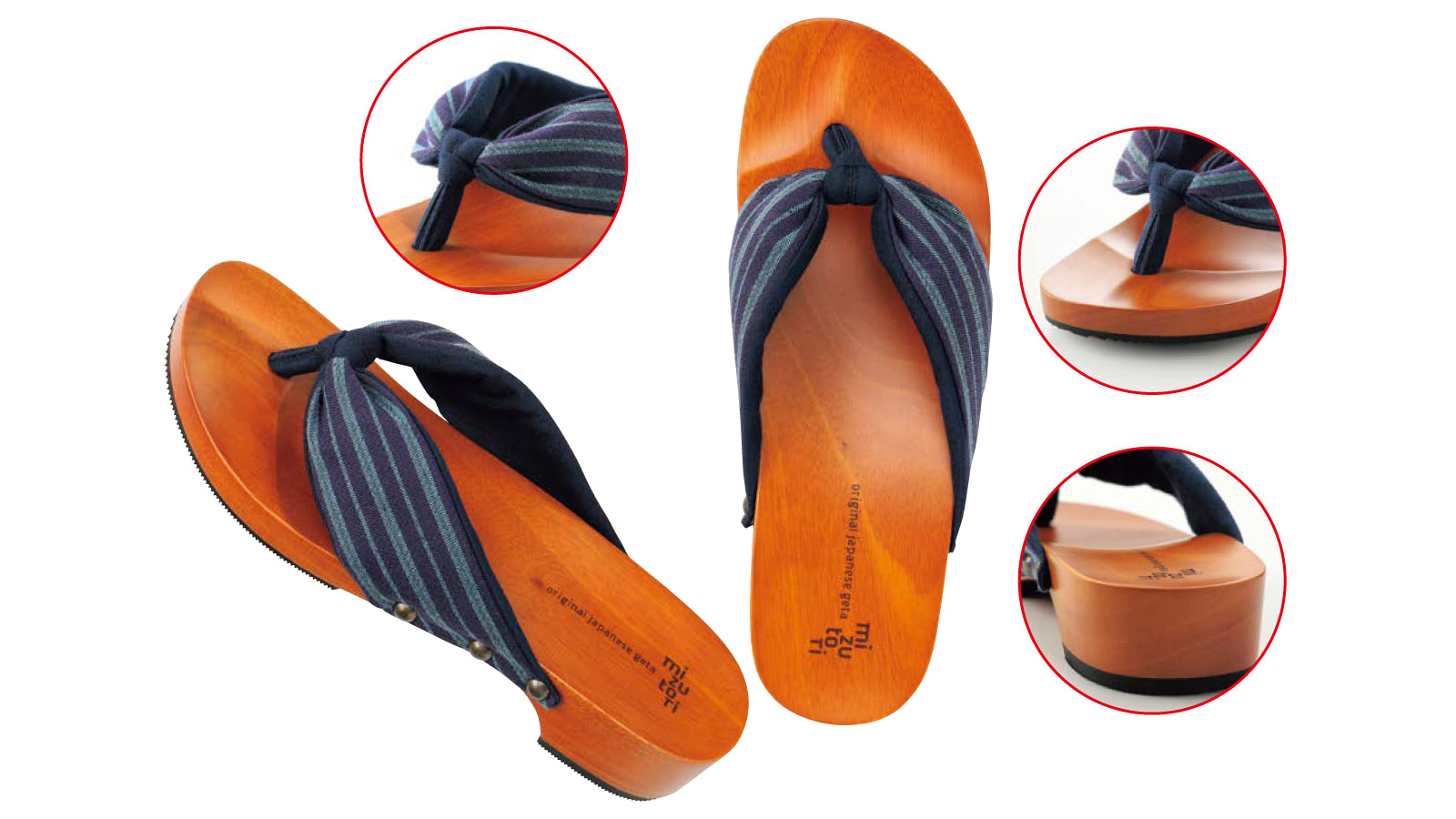
The base shape has a clean silhouette with distinct left and right sides, like shoes, and features a rounded design that is easy to pair with Western clothing.
The top surface where the foot rests is carved like a footbed, making them surprisingly comfortable to wear for geta.
The wide, rubber-soled heel provides stability, and the moderate height difference aids in smooth walking.
The thong material and shape are also carefully designed, creating a comfortable fit that naturally conforms to the foot.

The Appeal of Geta as Seen Through Their Shapes
The shapes of geta reflect ingenuity tailored to different eras and lifestyles.
Traditional geta possess functional shapes born from Japanese living culture.
Modern geta are designed with everyday fashion and ease of walking in mind.
By paying attention to these differences in shape, one might gain a deeper understanding of the appeal of geta as footwear.