
Even the footwear we casually choose every day reveals its purpose when we look at it from a slightly different perspective.
Interest in footwear that considers its relationship with the body, not just ease of walking, is growing, and more people are choosing health sandals and functional shoes.
Amidst this trend, geta (traditional Japanese clogs) are also being re-evaluated from the new perspective of health.
Footwear that changes your awareness of your feet
Health sandals are designed to stimulate acupressure points on the feet, promote arch formation, or improve body balance, approaching health from various angles.
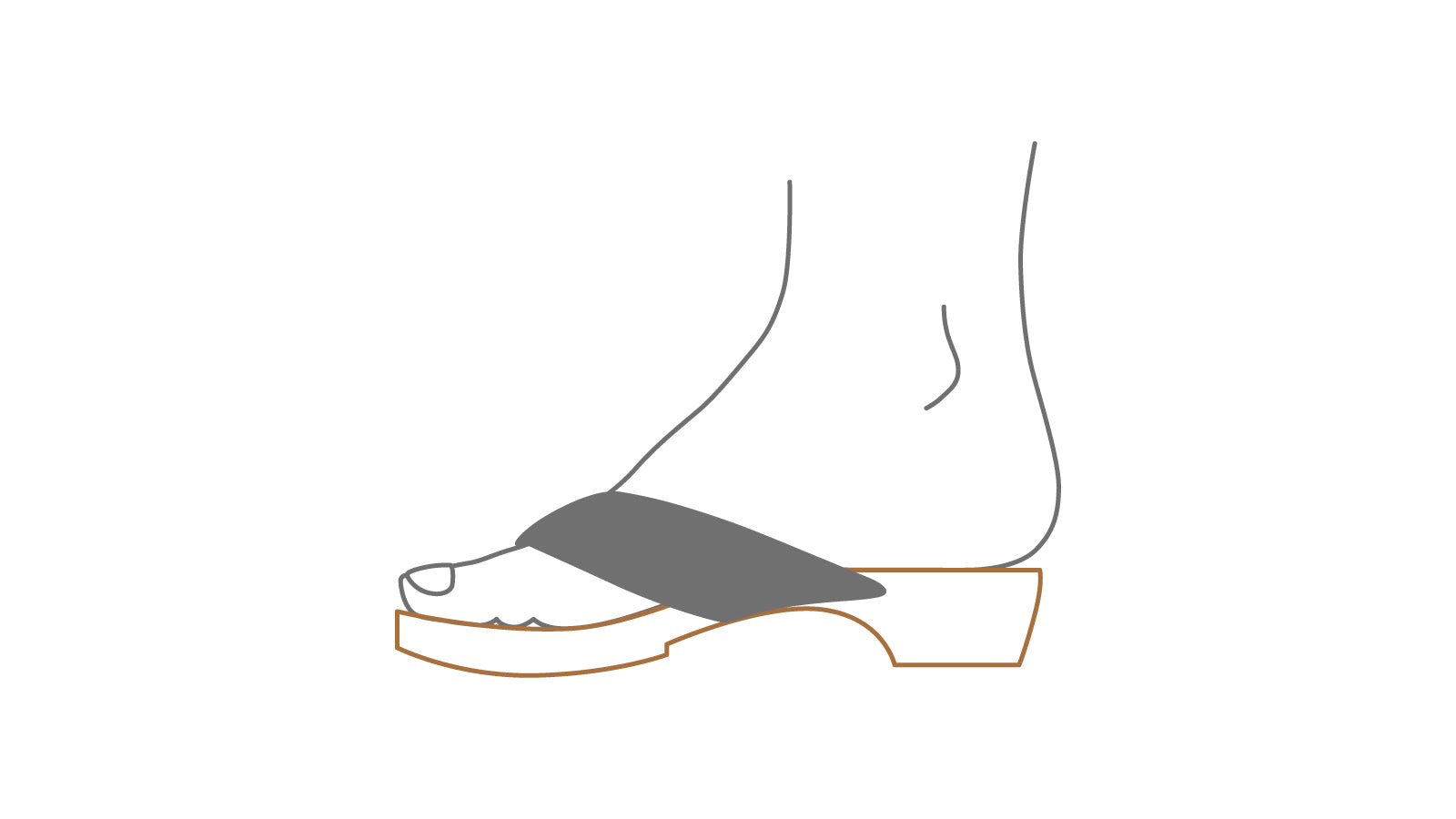
Geta, on the other hand, with their simple structure that doesn't overly restrict the feet, unconsciously create a sensation of walking while using the leg muscles necessary for locomotion.
They have a characteristic that, as you wear them, you recall the sensation of supporting your body with your own feet.
In addition to geta with these characteristics, geta that can strengthen the core, such as one-toothed geta, are also gaining attention.

Evolution that makes them easy to incorporate into daily life
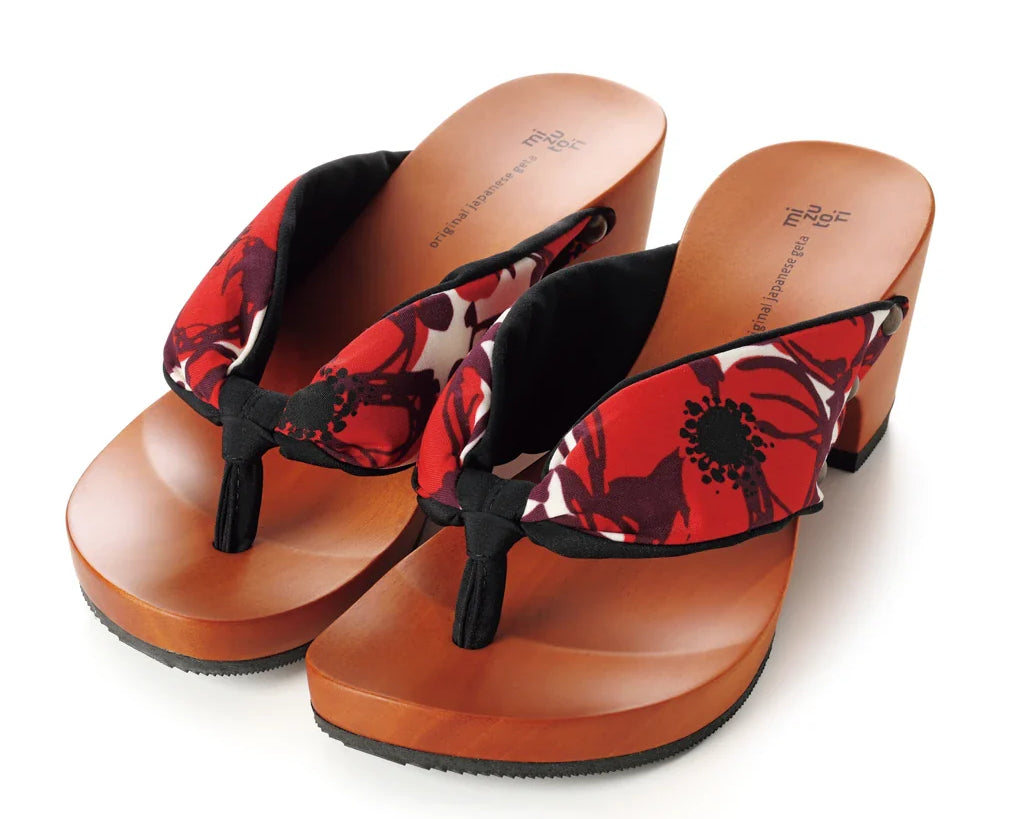
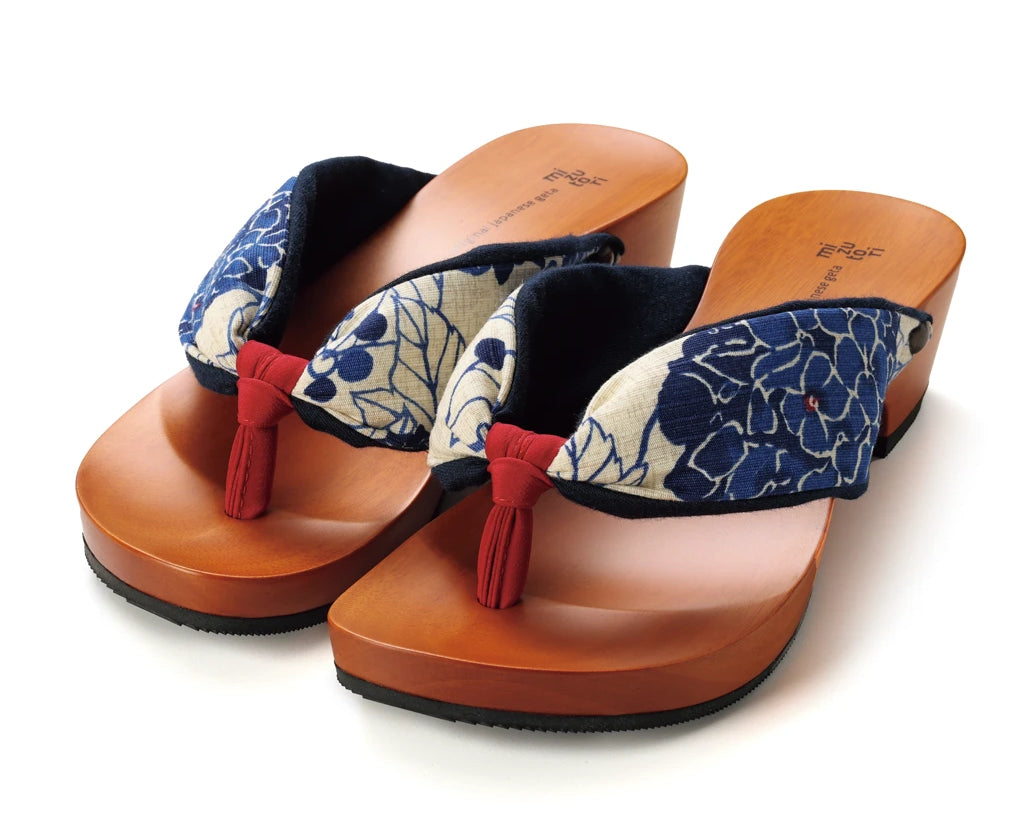
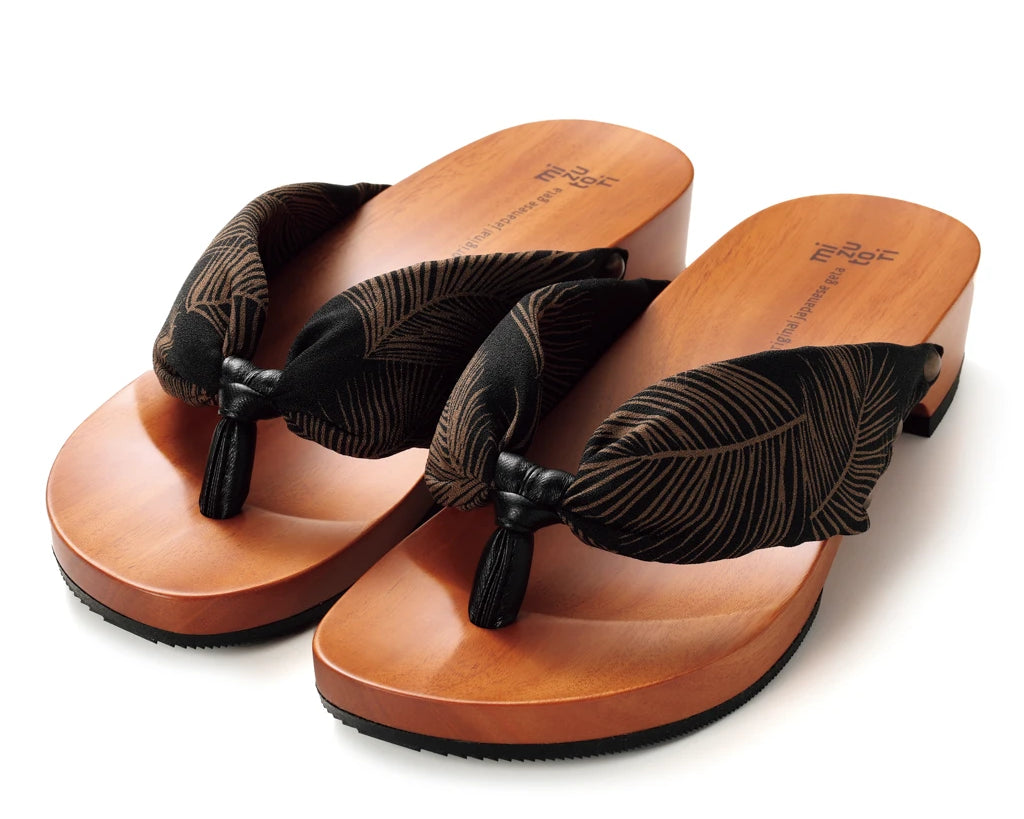
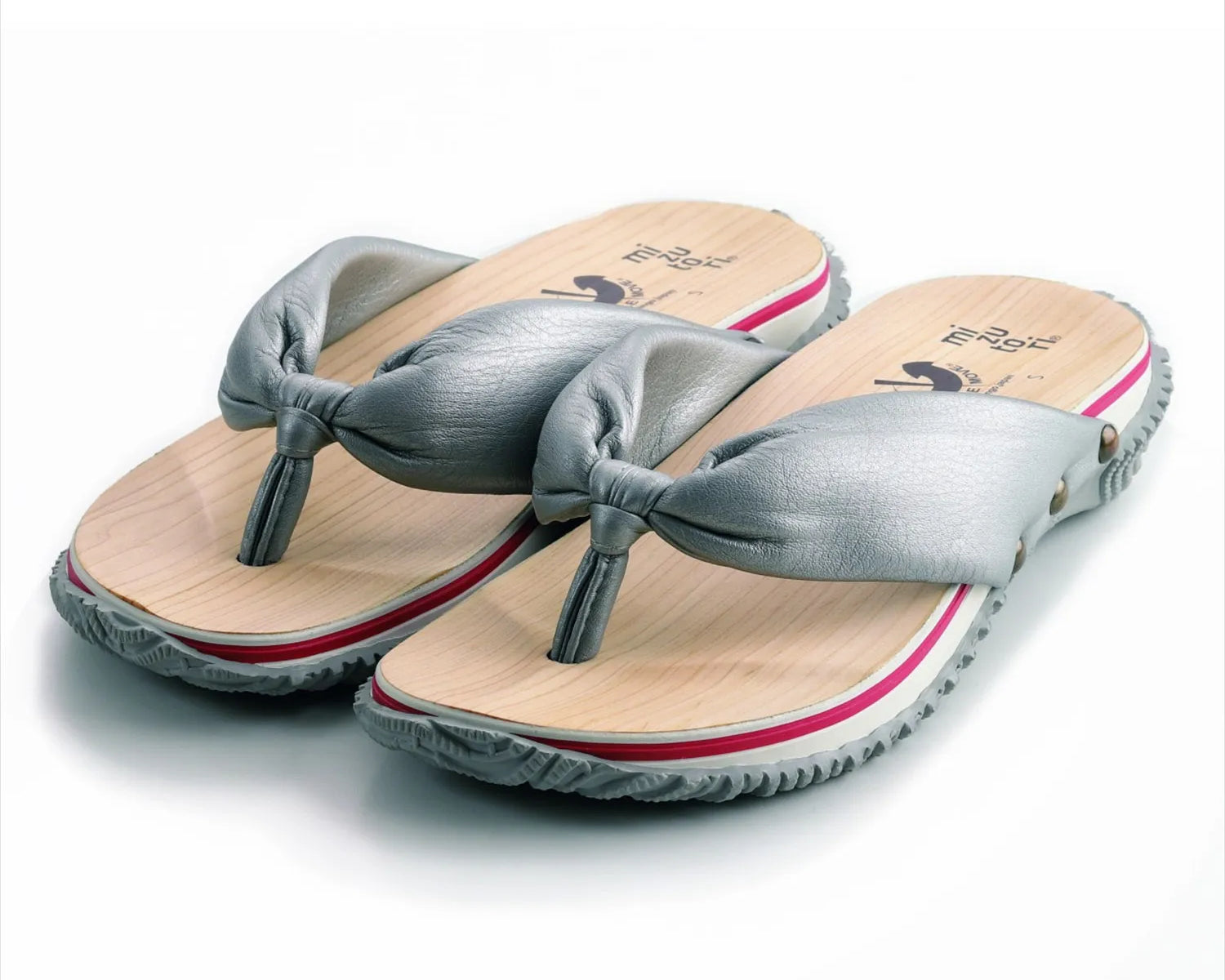
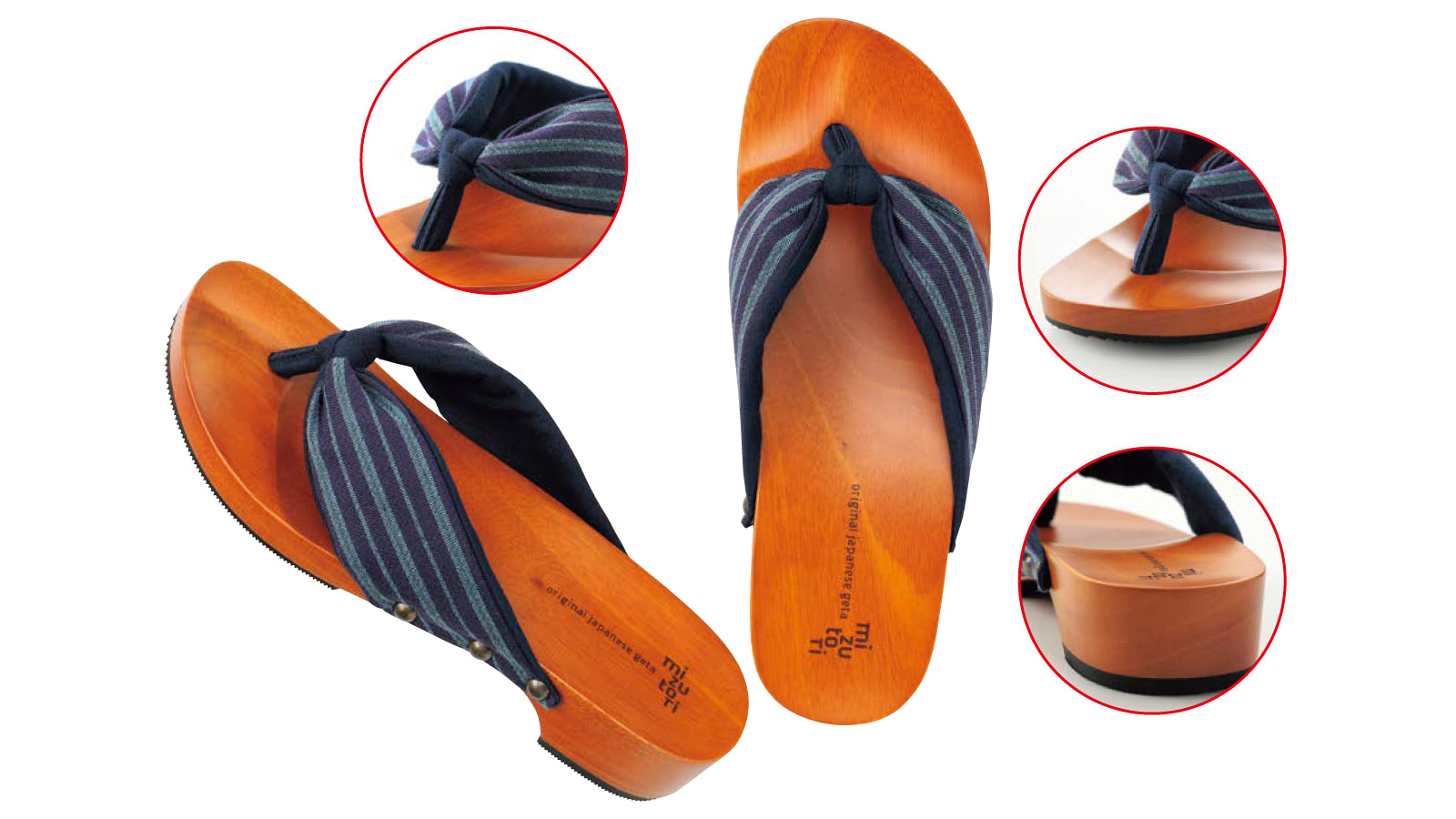
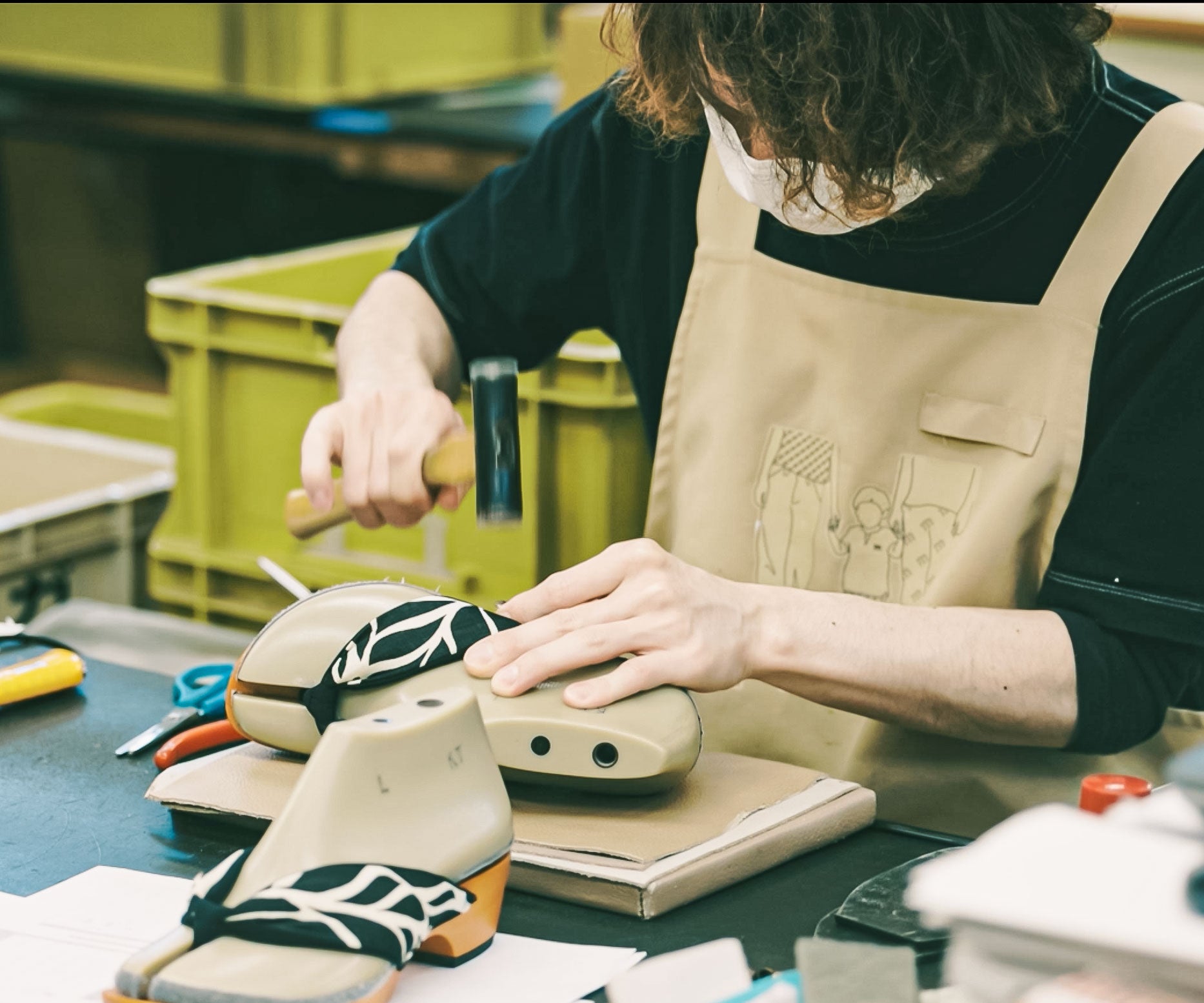
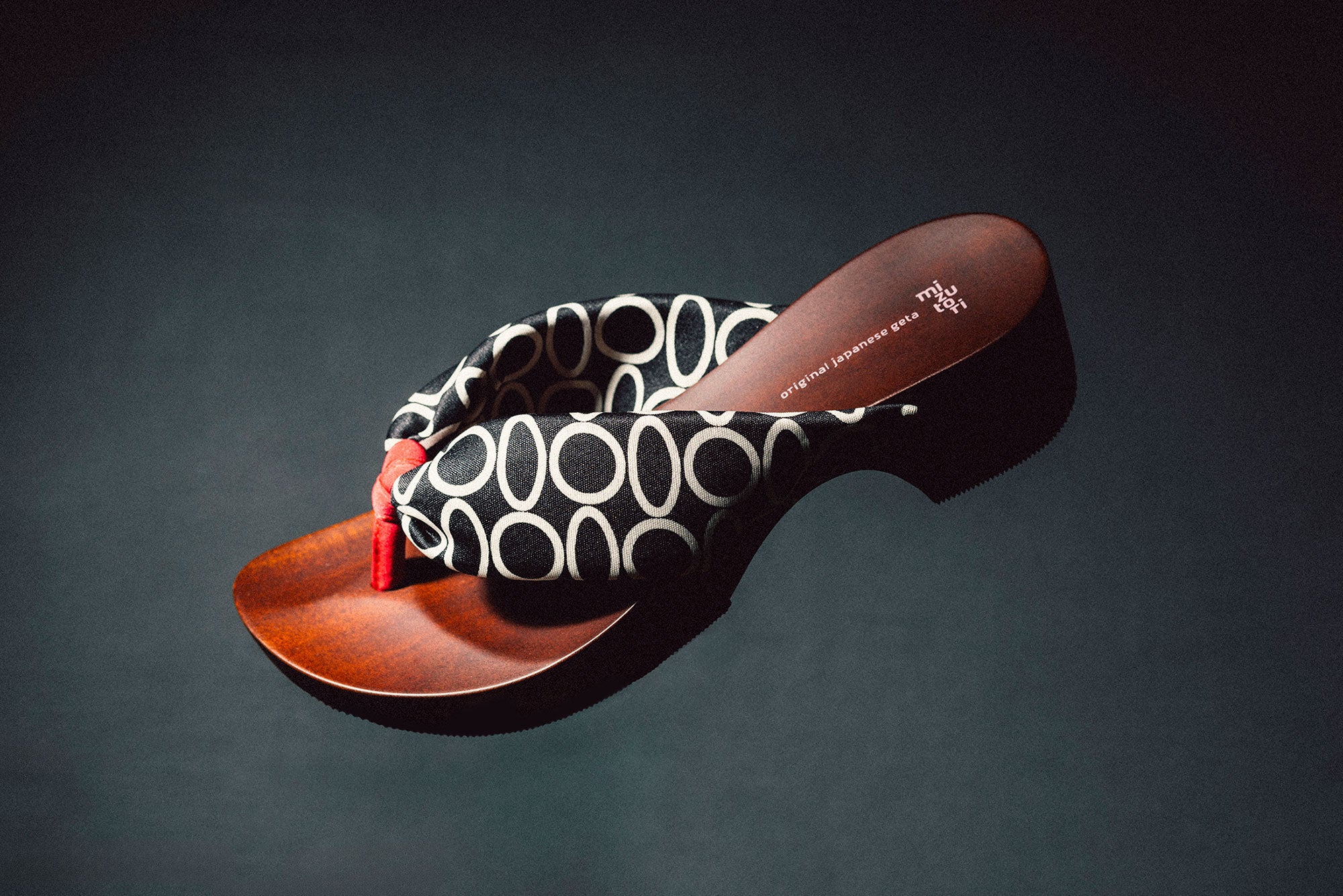
mizutori geta are designed to be easily incorporated into modern life while based on traditional forms.
With a stable fit that conforms to the sole of the foot and designs that easily match everyday attire, they become footwear that is easy to use not only on special occasions but also in daily life.
Even without consciously aiming for "health," simply wearing them casually when you go out can lead to an opportunity to re-evaluate your walking style and posture.

How to choose footwear in the future
For future footwear, the perspective of "how to use the body" might become as important as "being easy to wear."
Supportive footwear, corrective footwear, and footwear that naturally brings out the innate power of the feet.
By understanding the characteristics of each, you can find the right choice for you.
Geta, too, may quietly become a part of our future lives as one of those choices.
We want to look at the potential of what value geta, which have been a part of Japanese life for a long time, will hold in the coming era.