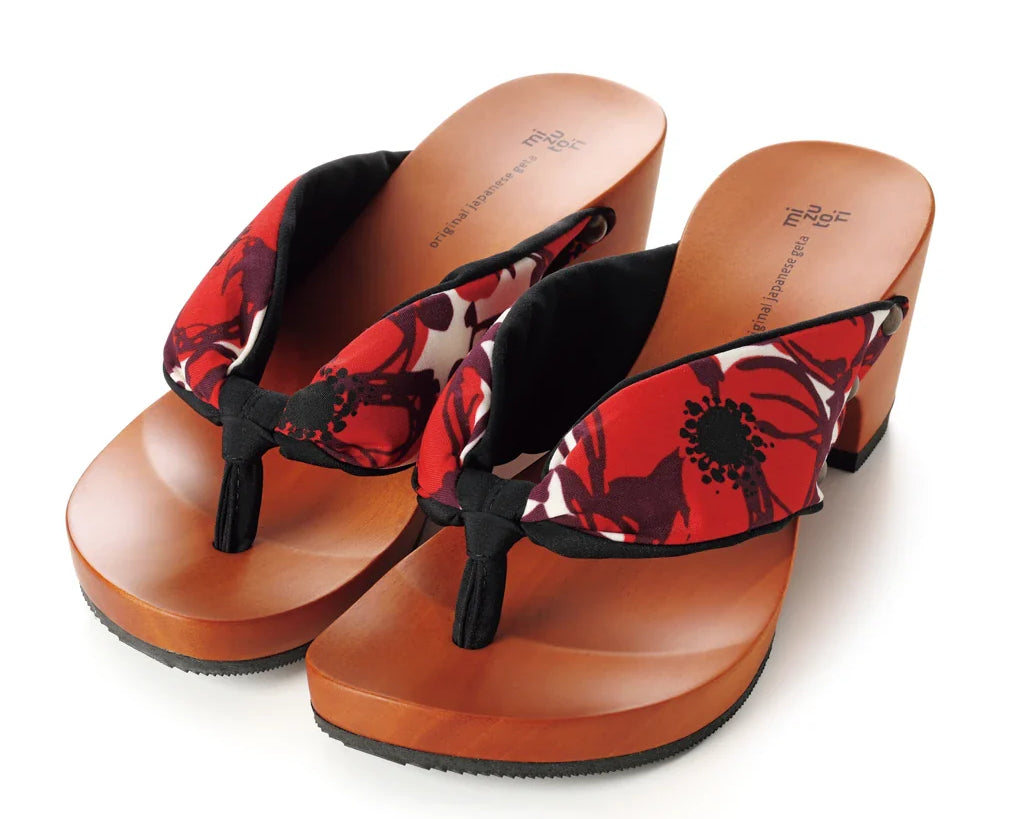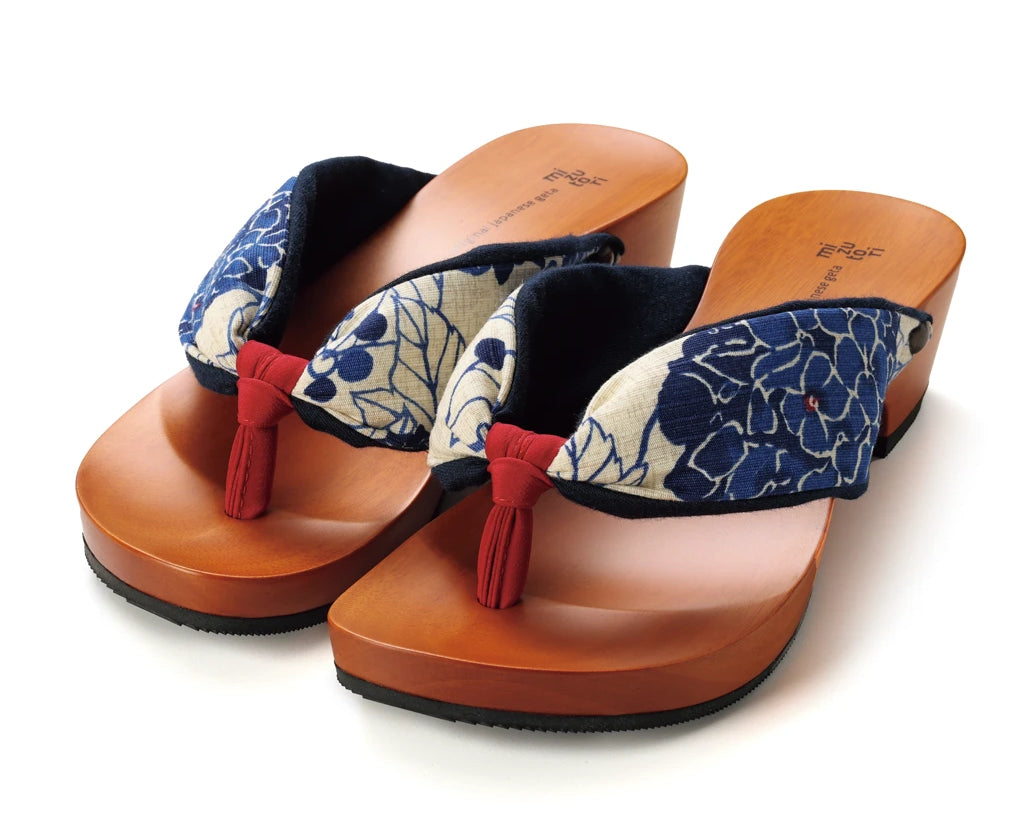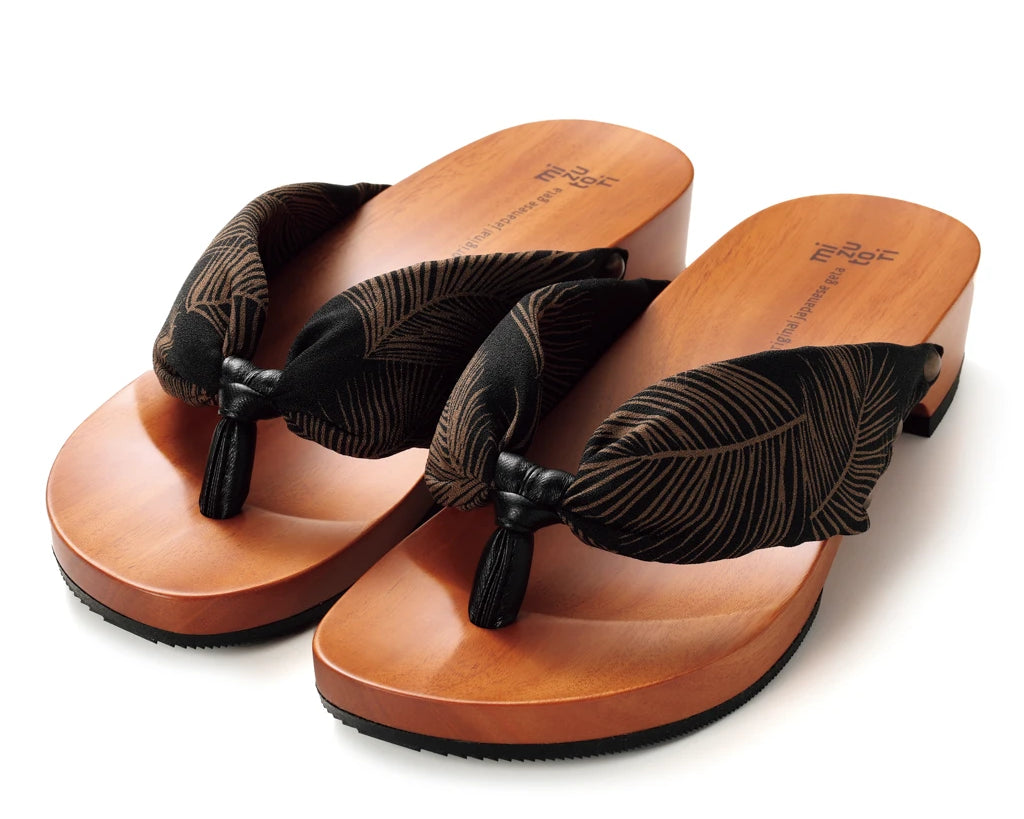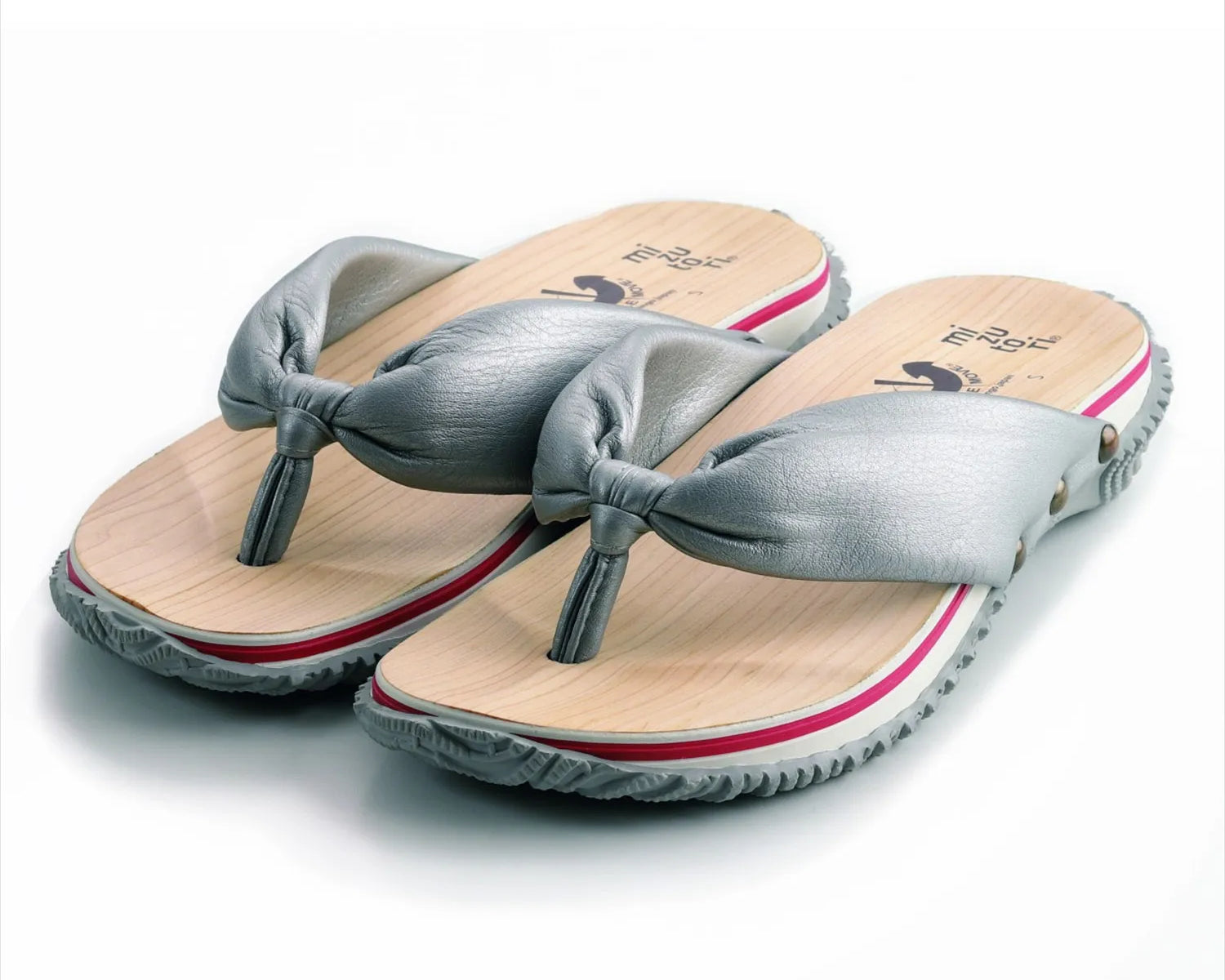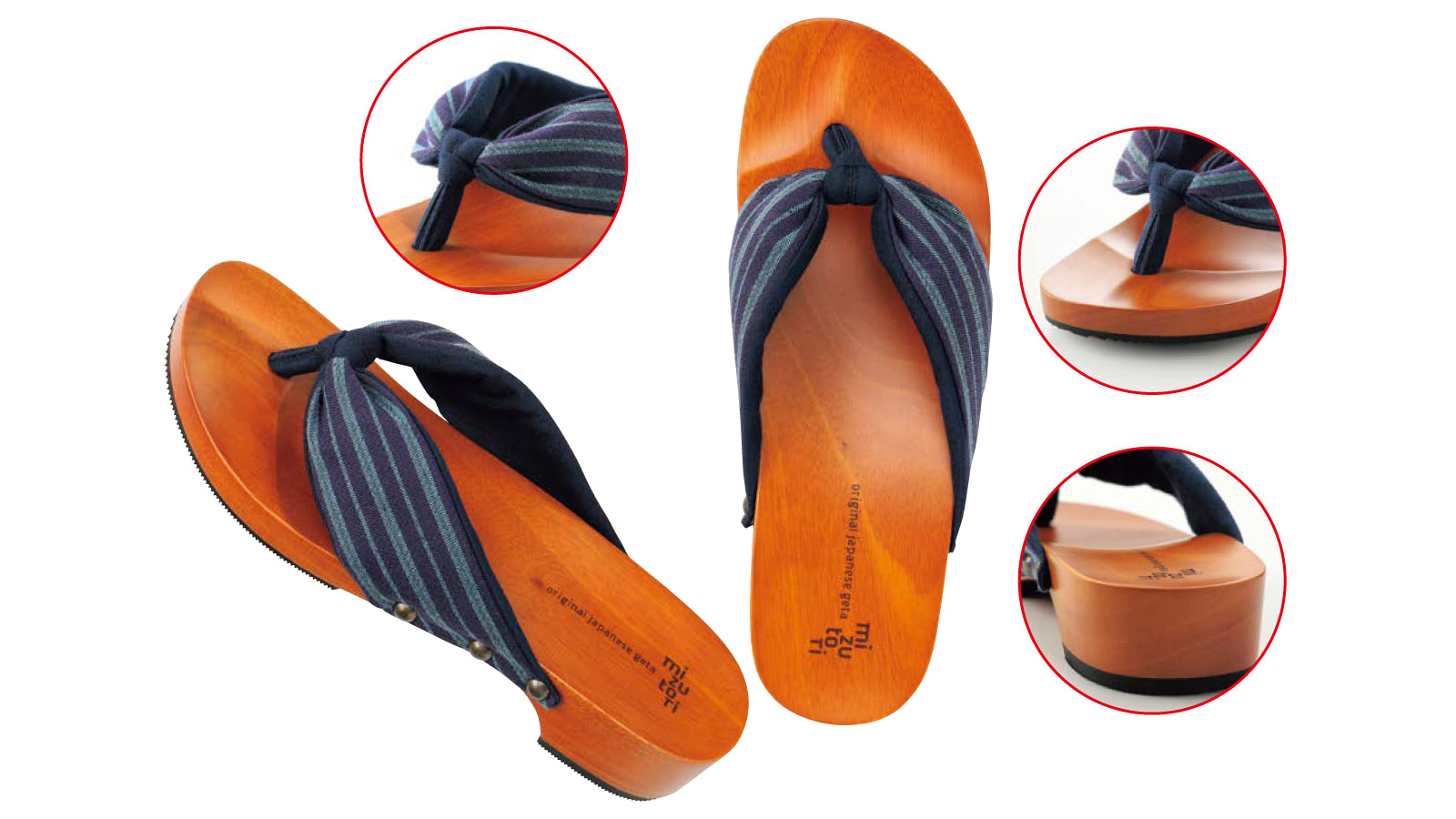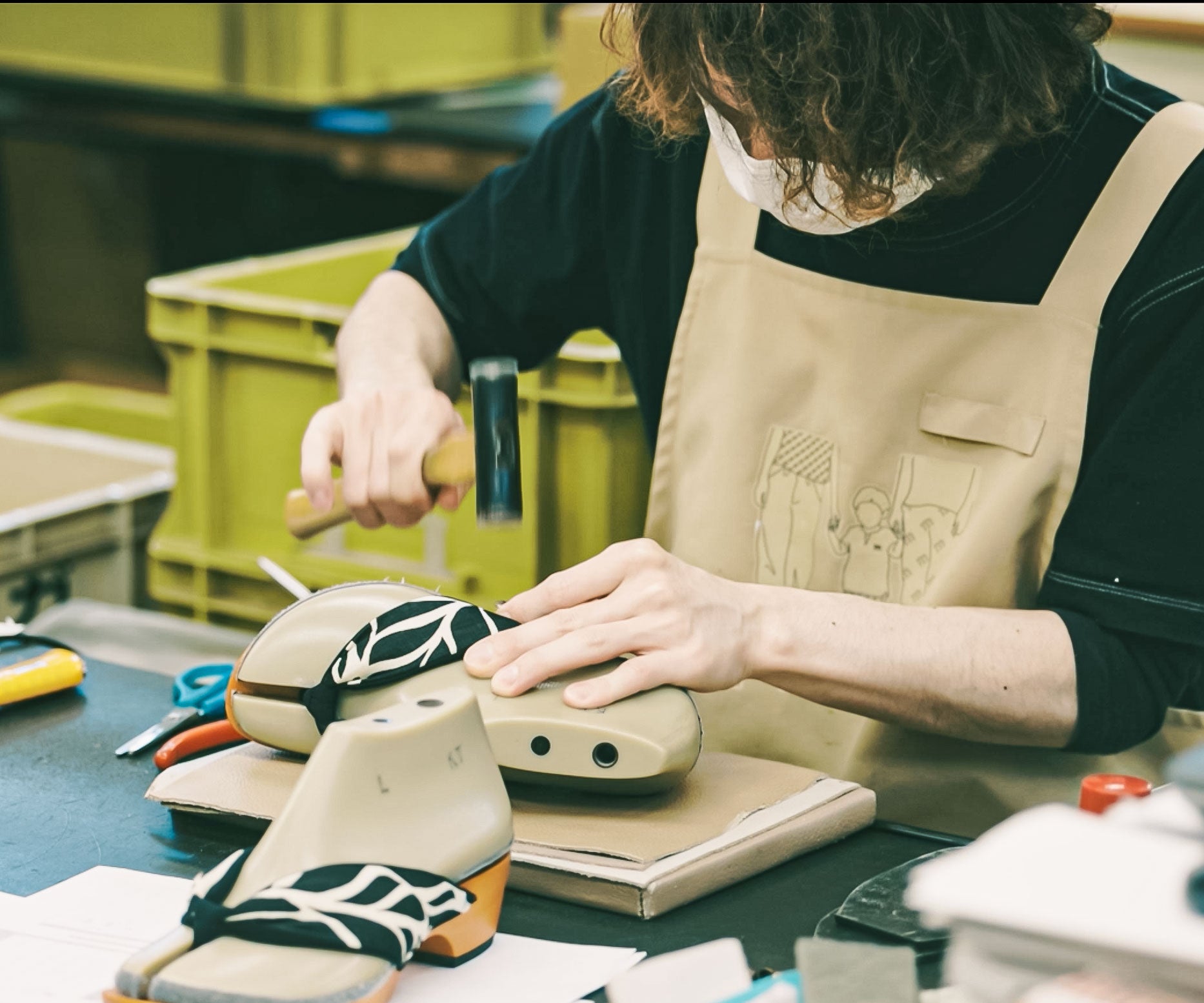
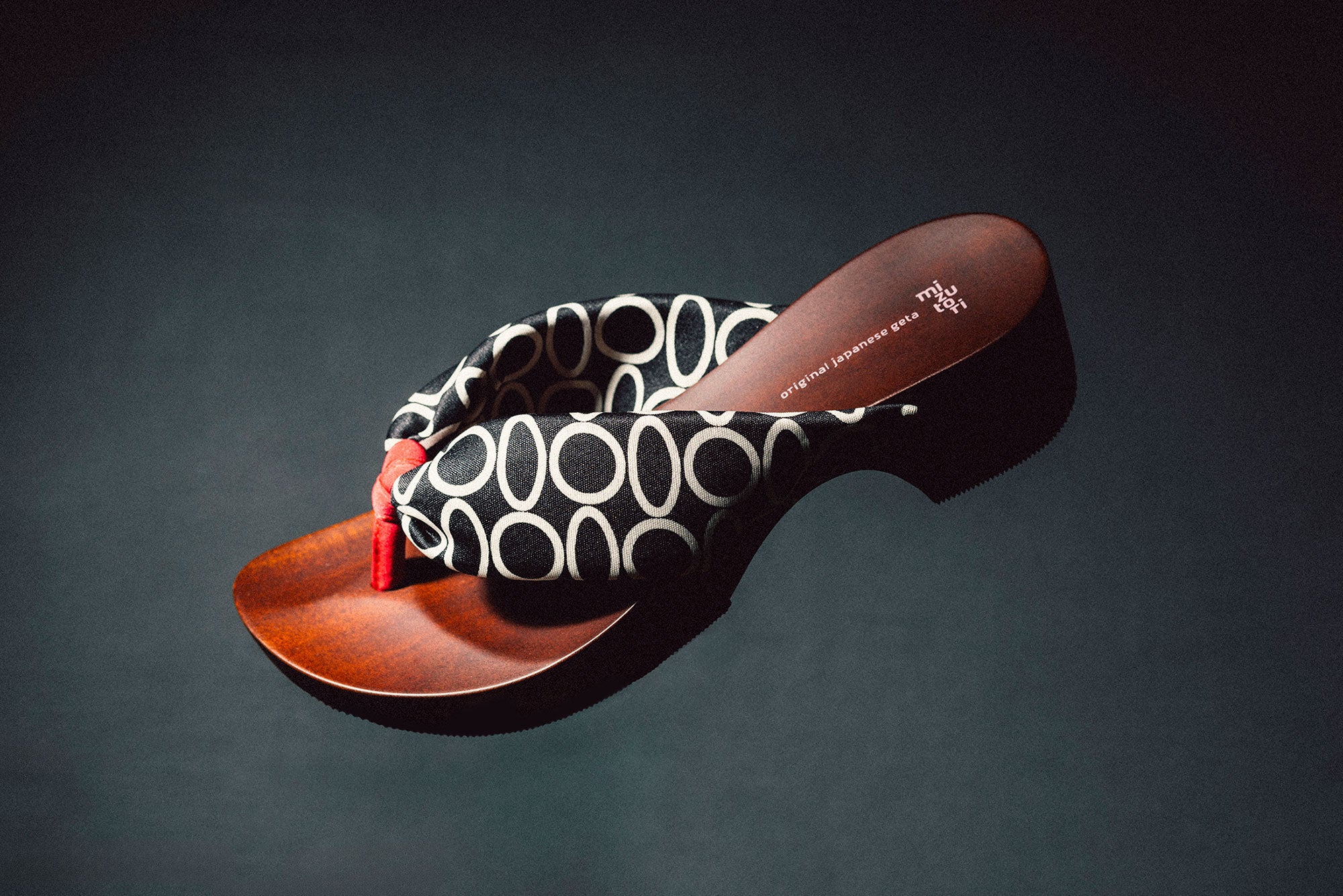

Geta are traditional Japanese footwear consisting of a wooden base and fabric straps known as hanao.
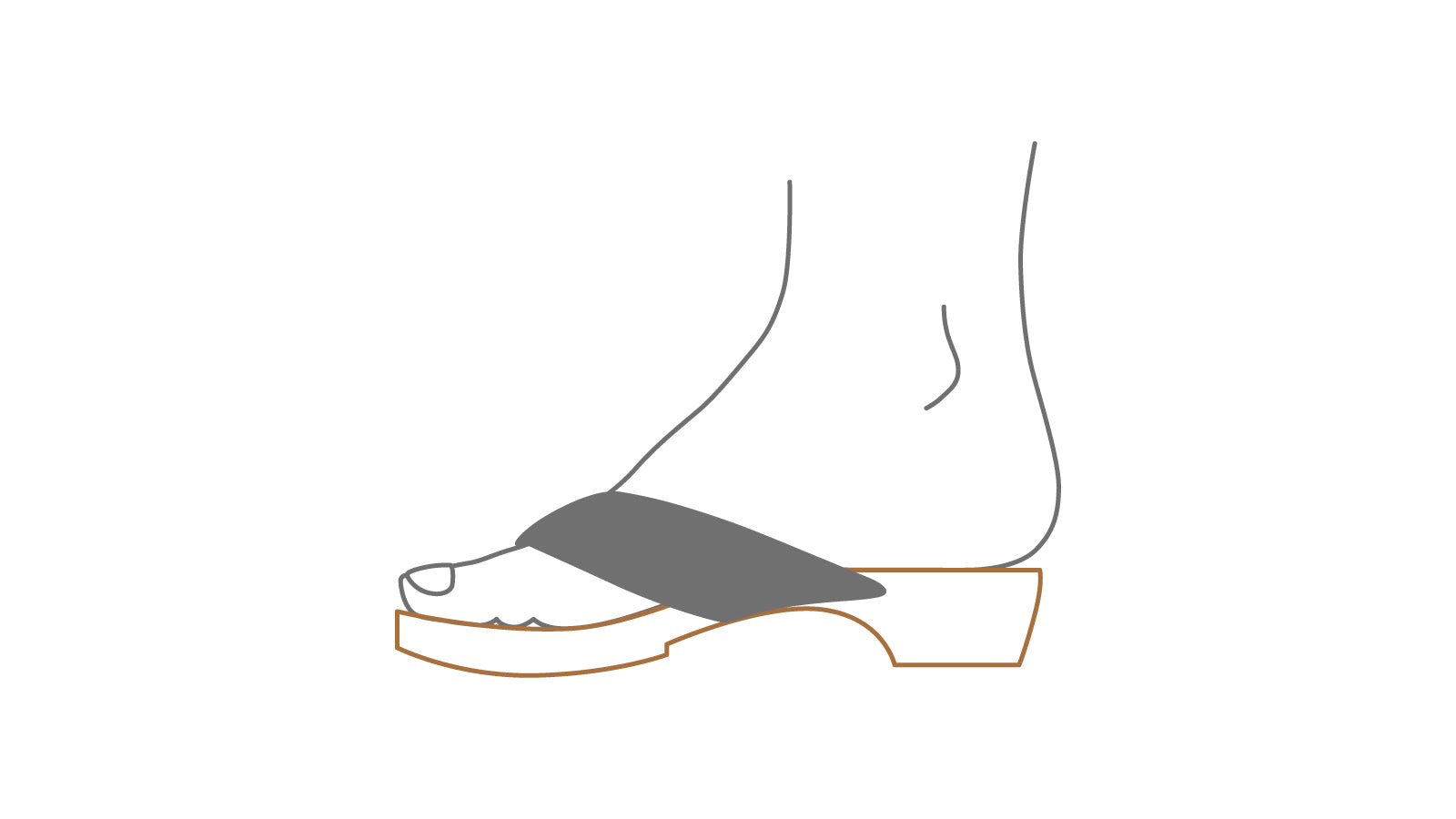
The wearer secures the geta by placing the straps between the toes, a design that has been used in Japan for centuries.
Today, geta are commonly associated with yukata and kimono, but historically they were everyday footwear worn by people in daily life.
Characteristics of Geta
One of the defining features of geta is their elevated wooden base, which keeps the feet above the ground.
Traditional geta often have wooden “teeth” underneath, allowing the wearer to walk through mud or wet roads while keeping their feet and clothing cleaner.
Before paved roads became common, this practical design made geta an essential part of daily life.
The History of Geta
The history of geta dates back thousands of years.
Archaeological excavations from the Yayoi period (approximately 300 BCE–300 CE) have uncovered wooden footwear known as tageta (rice-field clogs).
Although tageta were primarily used for agricultural work and differ from modern geta, they demonstrate that wooden footwear has been part of Japanese life since ancient times.
Over time, various forms of geta developed, including the familiar two-toothed geta, one-tooth geta, and tall geta. Despite their differences, all share the same basic structure of a wooden base and straps.

Differences Between Geta, Zori, Setta, and Waraji
Japan has several types of traditional footwear that use straps between the toes.
Zori are flat sandals traditionally made from materials such as straw, rush grass, or woven coverings. Today they are most commonly worn with formal Japanese clothing.
Setta combine characteristics of zori with a more durable sole, often made from leather or other materials. They became popular among townspeople and samurai during the Edo period.
Waraji are sandals woven from straw and were used by travelers, farmers, and workers who needed footwear suitable for long-distance walking.
While each type evolved for a specific purpose, geta became especially widespread as practical footwear for everyday life.
Geta Culture During the Edo Period
During the Edo period (1603–1868), geta evolved beyond their practical role and became part of Japanese fashion culture.
Craftsmen began creating decorated geta featuring lacquer finishes, carvings, and other ornamental details.
As a result, geta developed not only as footwear but also as traditional crafts, with regional styles and designs emerging throughout Japan.

Geta in Modern Times
Today, paved roads have reduced the original practical need for geta.
However, many people continue to appreciate them for their natural wooden feel, breathability, and unique walking experience.
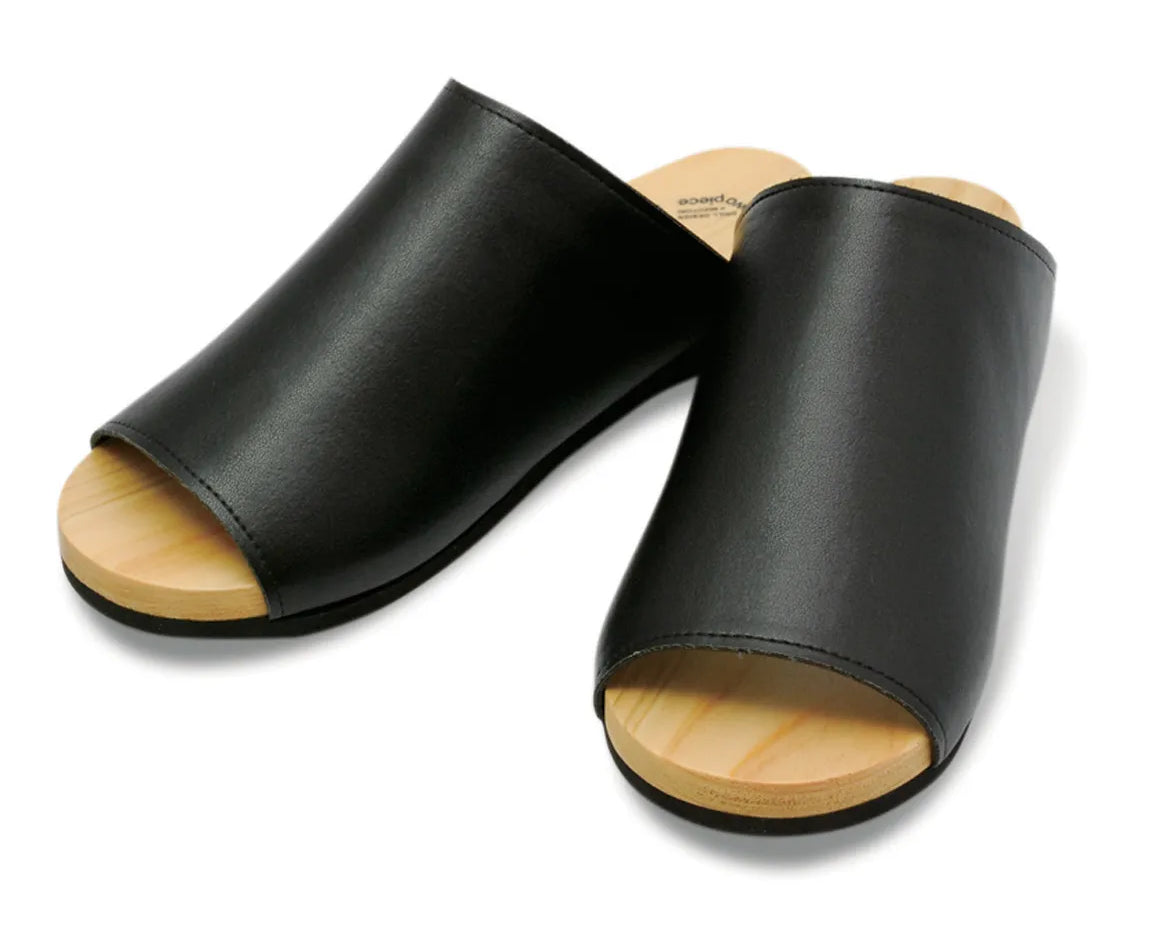
Modern geta are worn not only with traditional Japanese clothing but also with casual contemporary outfits.
Summary
Geta are traditional Japanese footwear made from a wooden base and hanao straps.
Originally developed as practical everyday footwear, they have evolved over centuries into cultural icons, traditional crafts, and fashion items that continue to be enjoyed today.