
Ideal walking is a walking pattern that uses the entire sole of the foot efficiently, allowing body weight to move forward in a stable and natural way.
Walking involves much more than simply moving your legs. The sole of the foot plays an important role in supporting body weight and guiding weight transfer. Ideally, the foot lands on the heel, weight moves smoothly across the sole, and the toes provide the final push-off that propels the body forward.
Research in gait and biomechanics suggests that smooth and efficient weight transfer contributes to stable and effective walking.
The Ideal Walking Sequence
In an ideal walking pattern, the heel first makes contact with the ground, usually on its outer side.
From there, body weight travels along the outer edge of the foot and gradually shifts toward the ball of the little toe and then to the ball of the big toe.
Finally, the toes push off the ground, helping generate forward movement.
This transfer of pressure across the sole follows a gentle S-shaped path from heel to toe.

The Role of the Toes
The toes play an important role in ideal walking.
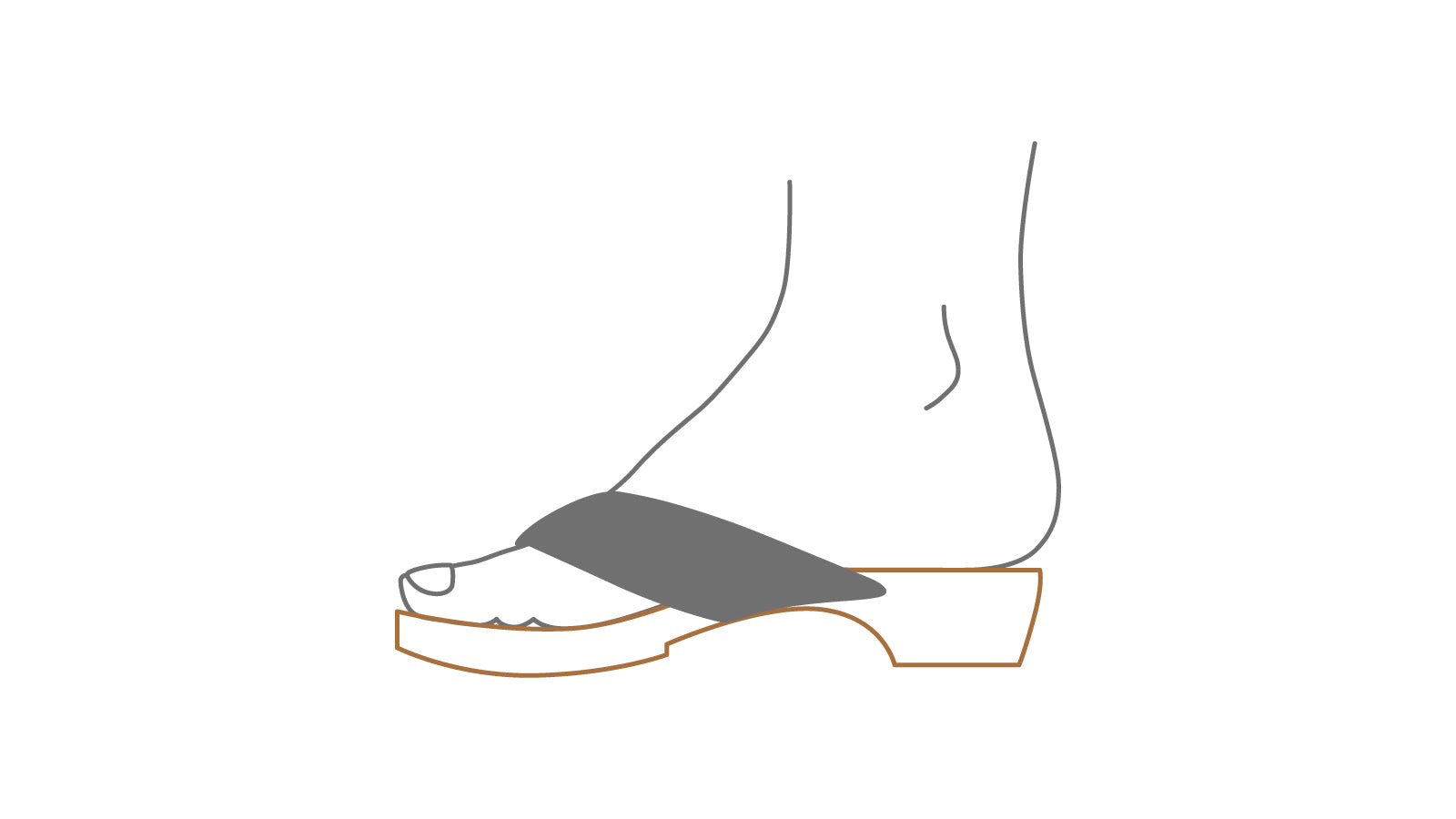
They help maintain balance and stability while also generating the final propulsion needed for each step.
When the toes do not function effectively, stride length may decrease and weight transfer can become less stable.
For this reason, ideal walking involves not only using the entire sole of the foot but also engaging the toes effectively during the final push-off phase.
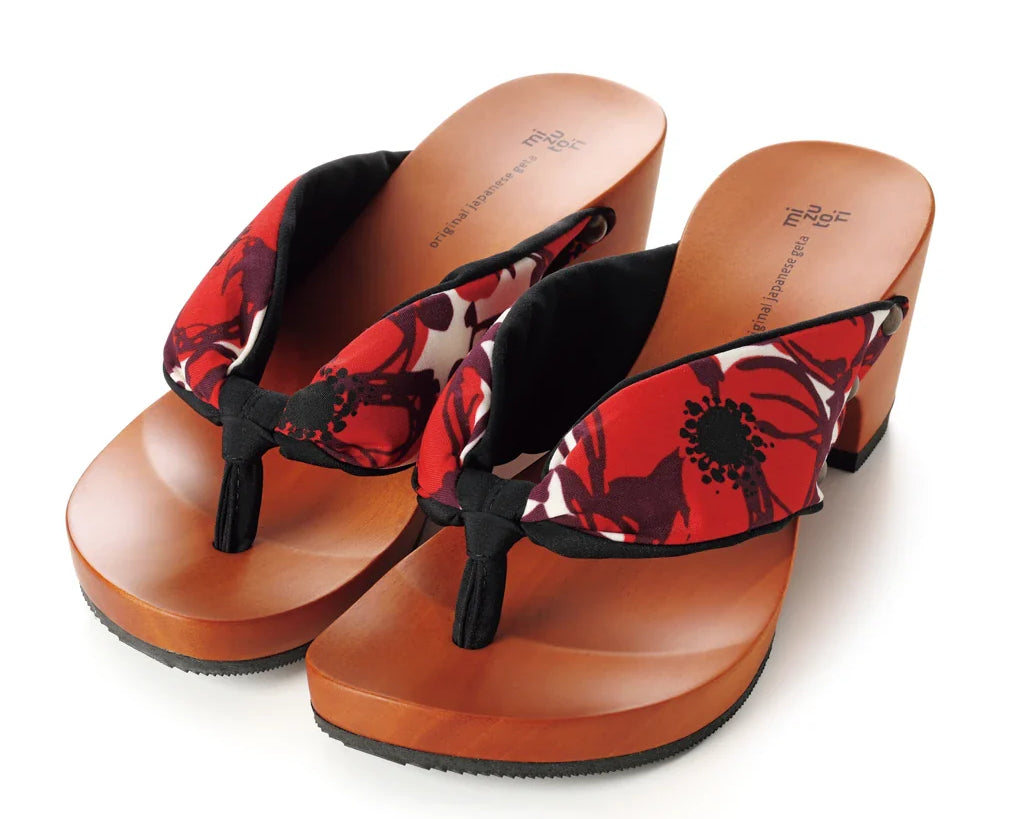
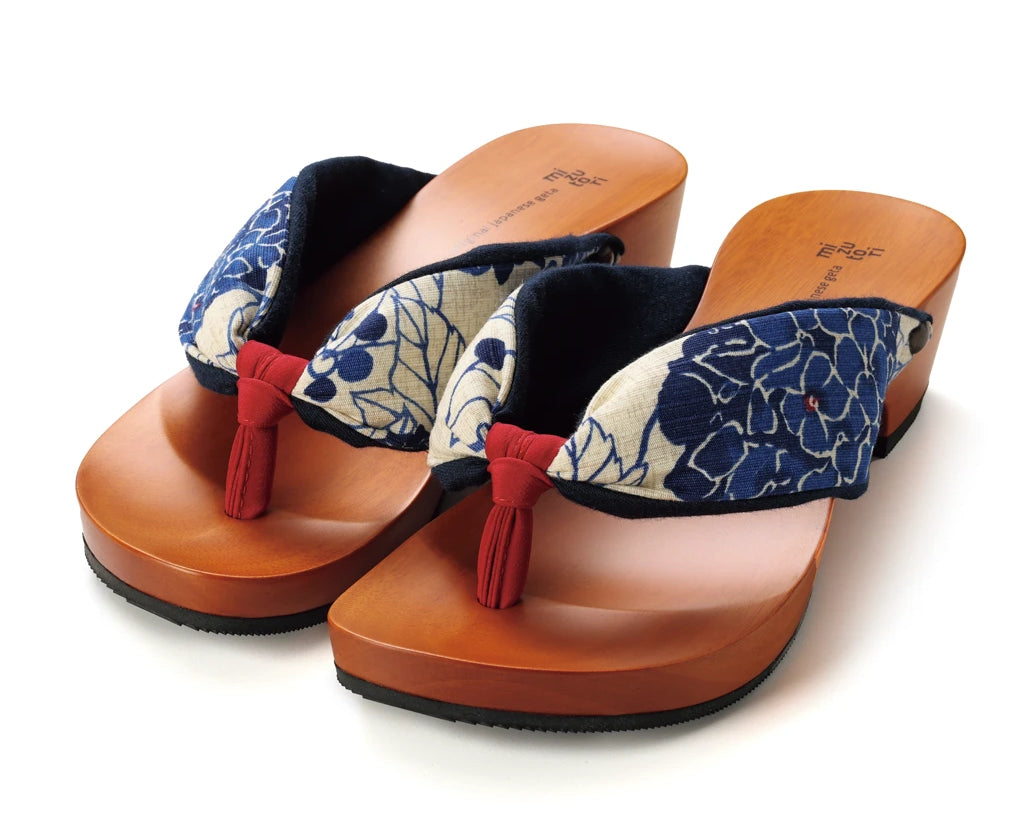
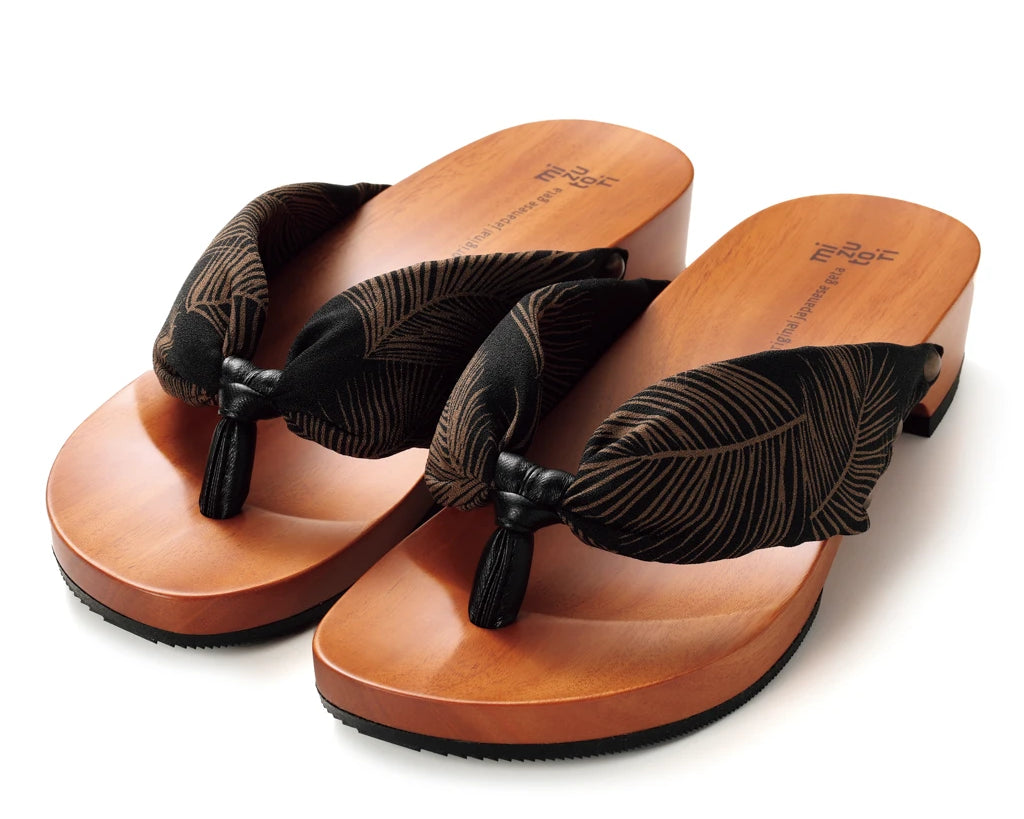
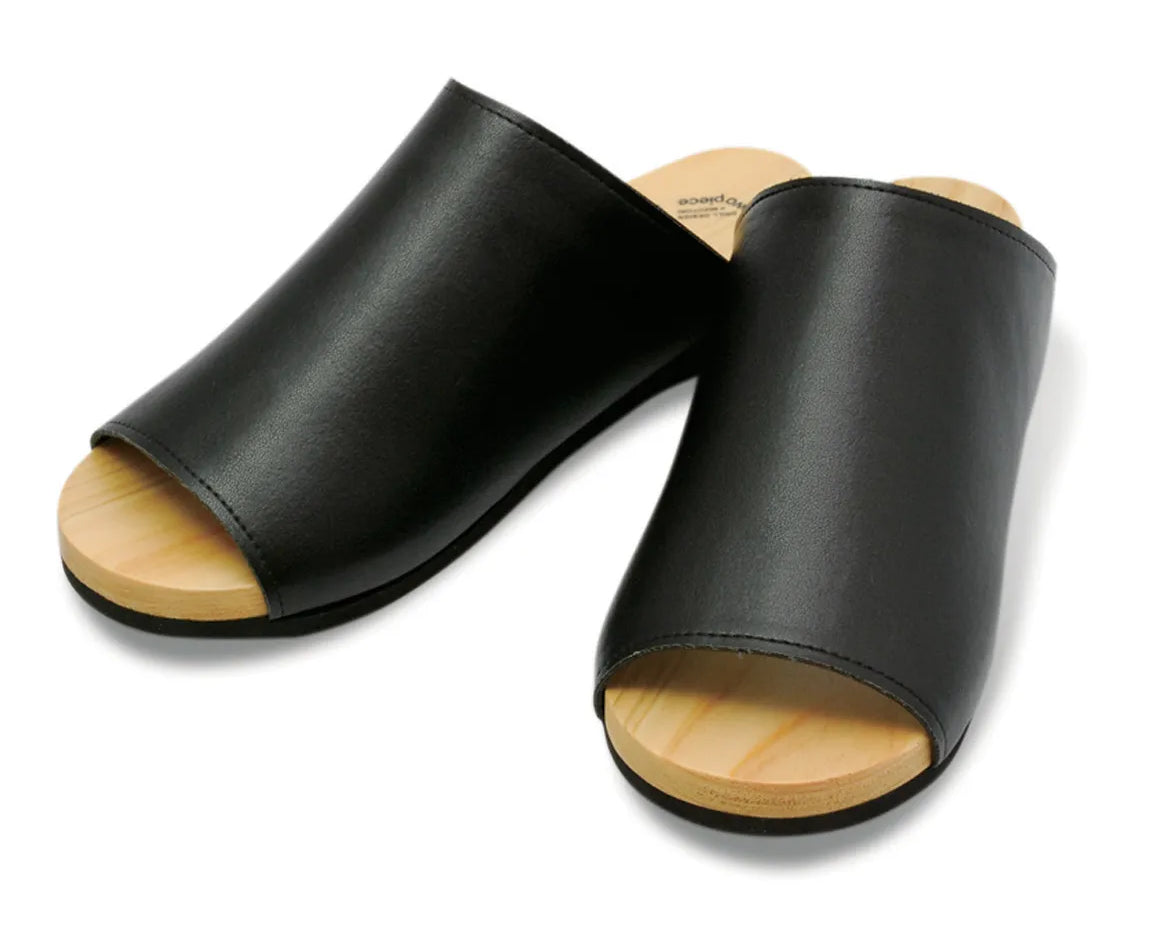
Modern footwear comes in many forms, often emphasizing lightness, convenience, or cushioning.
However, footwear that feels lighter or more comfortable is not always the best choice for promoting efficient walking mechanics.
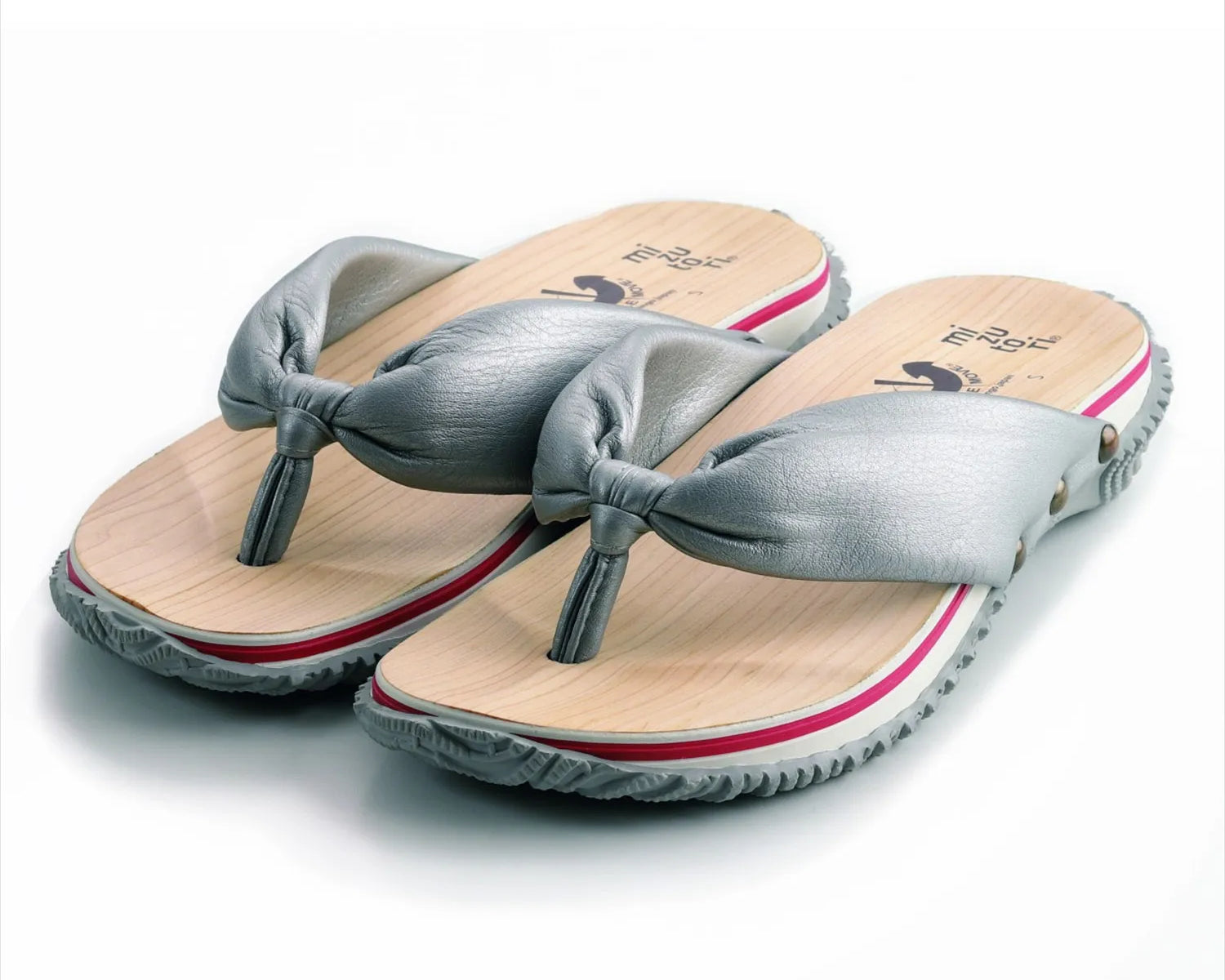
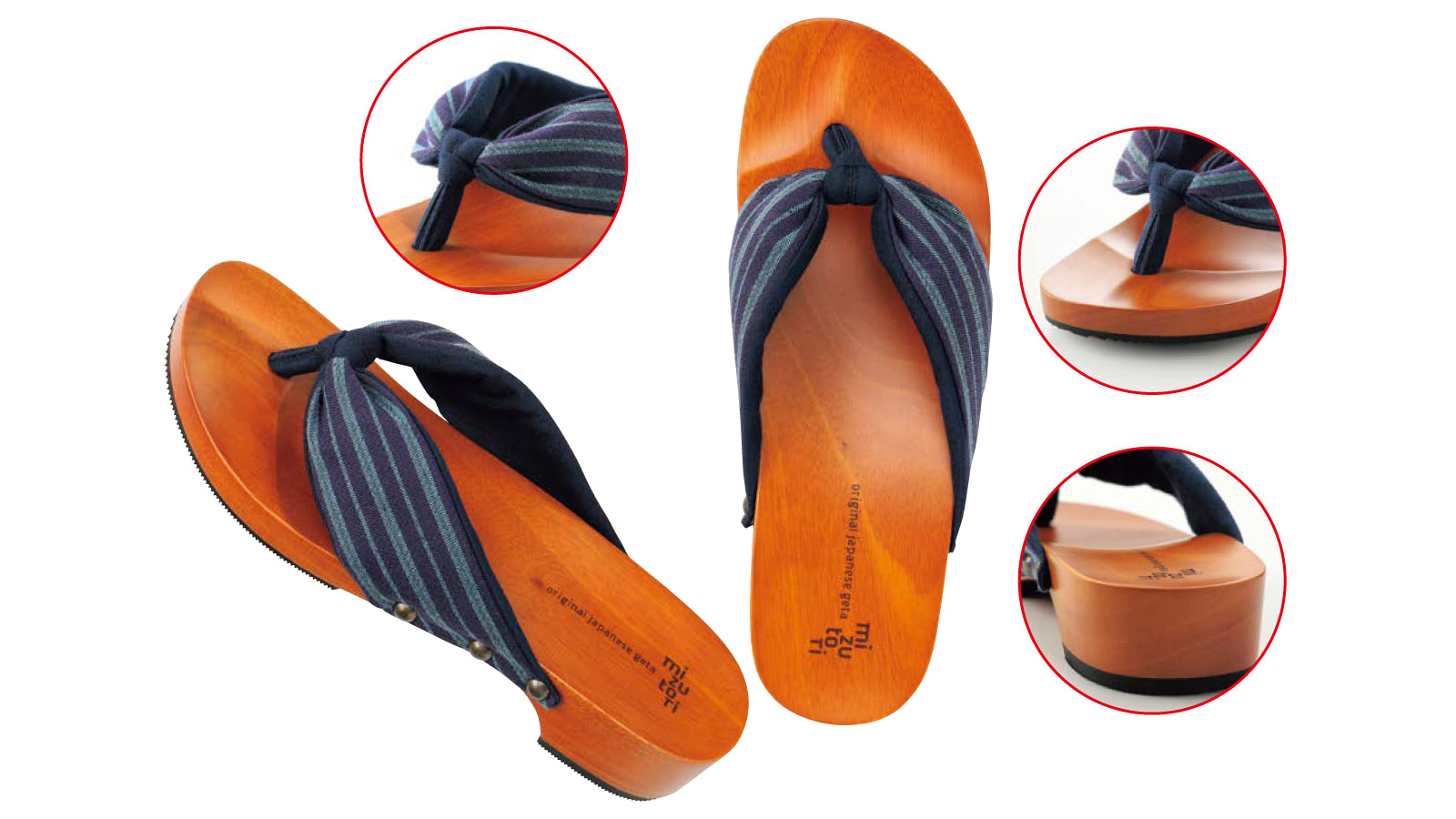
Because footwear influences how the foot functions, designs that allow the toes to move and engage naturally can help support healthy walking patterns.
Why Ideal Walking Matters
Today, advances in footwear technology and changes in lifestyle mean that many people rarely think about how they walk.
Yet walking is one of the most fundamental movements we perform every day.
Paying attention to natural walking mechanics can help us better understand how our bodies move and may contribute to long-term physical well-being.

Summary
Ideal walking is a gait pattern in which body weight moves from the heel, along the outer edge of the foot, to the ball of the little toe, then to the ball of the big toe, and finally through the toes during push-off.
By using the entire sole of the foot efficiently and engaging the toes during the final phase of each step, walking can become smoother, more stable, and more effective.