
We rely on our toes every day when we stand, walk, and move.
Our toes help support the body, maintain balance, and contribute to forward movement during walking. In recent years, increasing attention has been given to a condition commonly referred to as "floating toes."
Floating toes describe a condition in which one or more toes do not make sufficient contact with the ground while standing or walking. Although the term is widely used in discussions about foot function, it is not a formal medical diagnosis. Nevertheless, it has attracted interest because of its potential relationship to toe function, posture, and walking mechanics.
Characteristics of Floating Toes
Under normal conditions, the toes form part of the body's base of support.
With floating toes, however, the toes may lift away from the ground or make only limited contact during standing and walking.
Because the toes contribute to stability and weight distribution, their contact with the ground is considered one aspect of overall foot function.
For this reason, toe contact is often observed when evaluating how the foot functions during movement.
The Relationship Between Walking and Floating Toes
During walking, body weight moves from the heel through the sole of the foot before reaching the forefoot and toes.
In the final phase of each step, the forefoot and toes help push against the ground to propel the body forward.
This movement is known as the push-off phase and plays an important role in walking mechanics.
Research has suggested that reduced toe contact or toe function may influence stride length, walking performance, and pressure distribution across the sole of the foot.
As a result, toe function is frequently considered when studying gait and foot biomechanics.

The Relationship Between Floating Toes and the Foot Arch
The foot contains a system of arches that helps absorb impact and support body weight.
These arches are maintained by a combination of bones, ligaments, the plantar fascia, and muscles.
Some of the muscles involved in supporting the foot also contribute to toe movement, which is why toe function and foot arch function are closely connected.
Rather than functioning independently, the toes and arches work together as part of the foot's overall support system.
Why Floating Toes Have Gained Attention
Interest in floating toes has grown alongside increased awareness of walking mechanics, posture, and foot function.
Because toe contact can be observed relatively easily, floating toes have become a topic of discussion among researchers, clinicians, and people interested in foot health.
However, the causes and effects of floating toes are not fully understood and may vary between individuals.
Factors such as age, muscle strength, lifestyle, footwear habits, and foot structure are all thought to play a role.
For this reason, floating toes alone should not be used to assess a person's overall physical condition.
Footwear and Toe Function
The way the toes are used can be influenced not only by walking habits but also by footwear design.
Researchers have explored how different types of footwear affect toe movement and foot muscle activity.
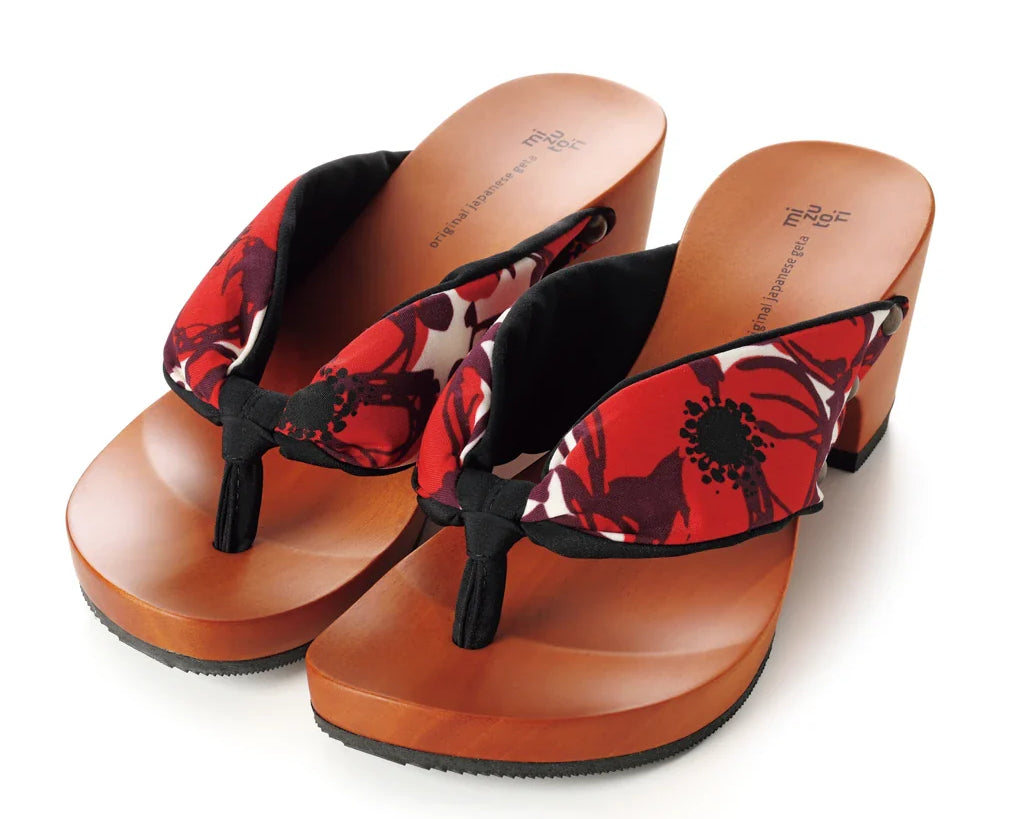
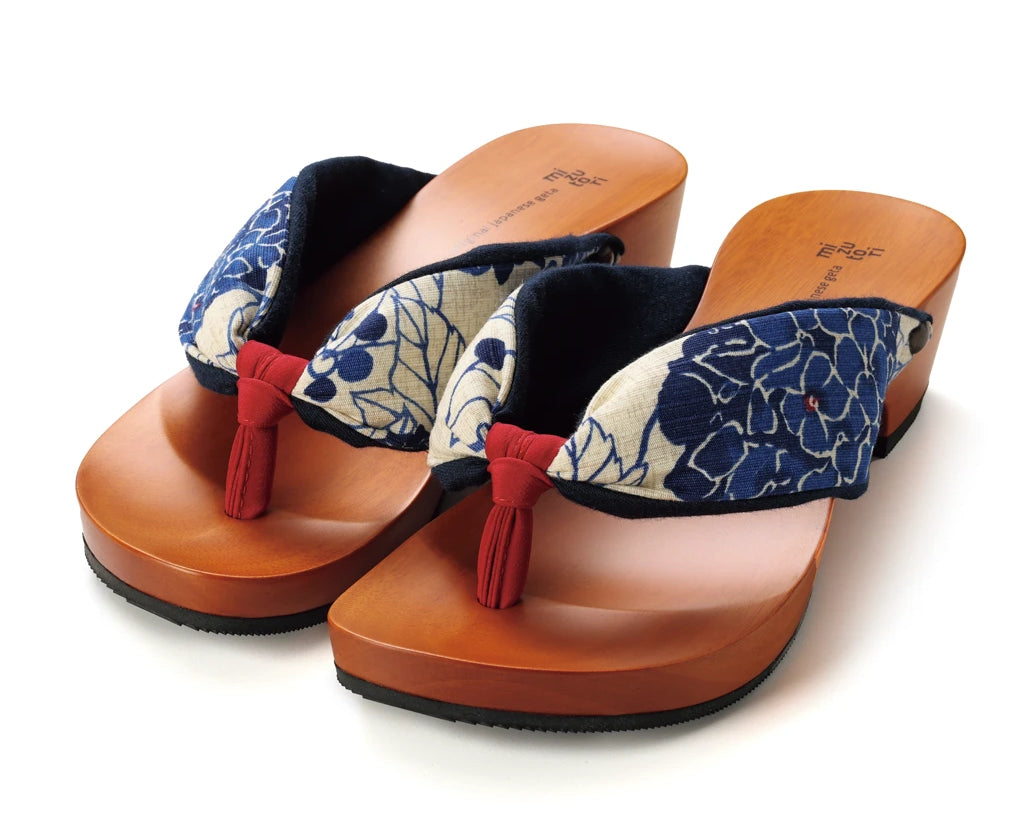
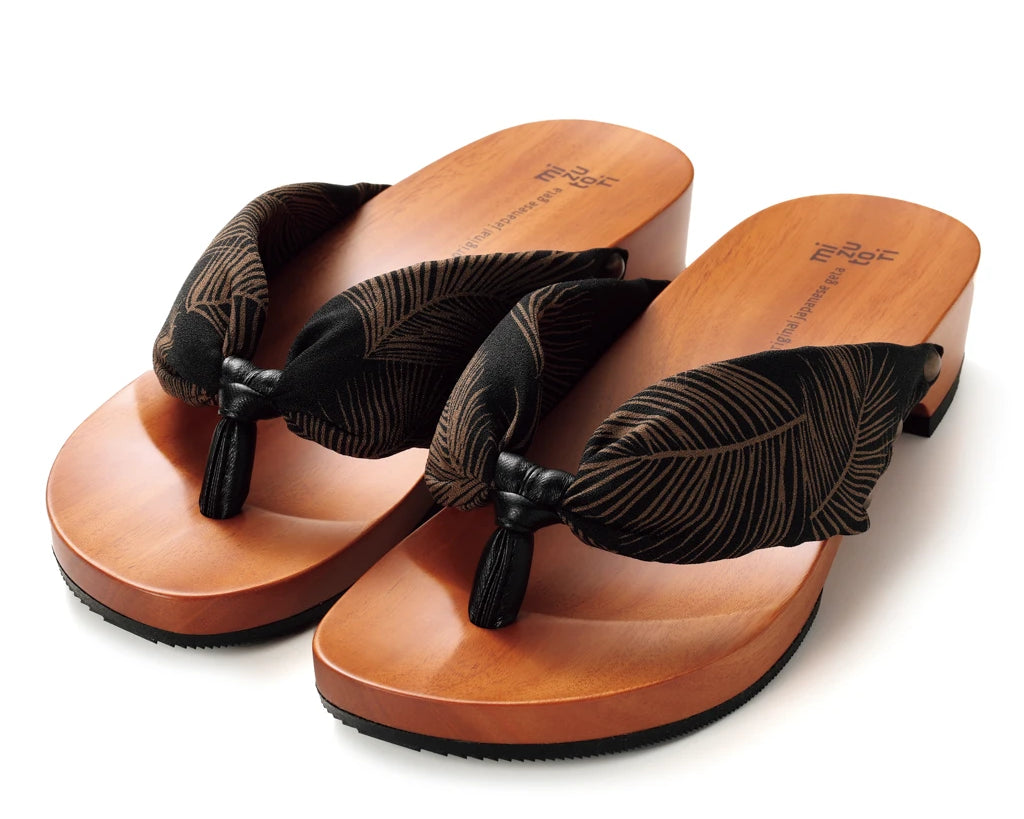
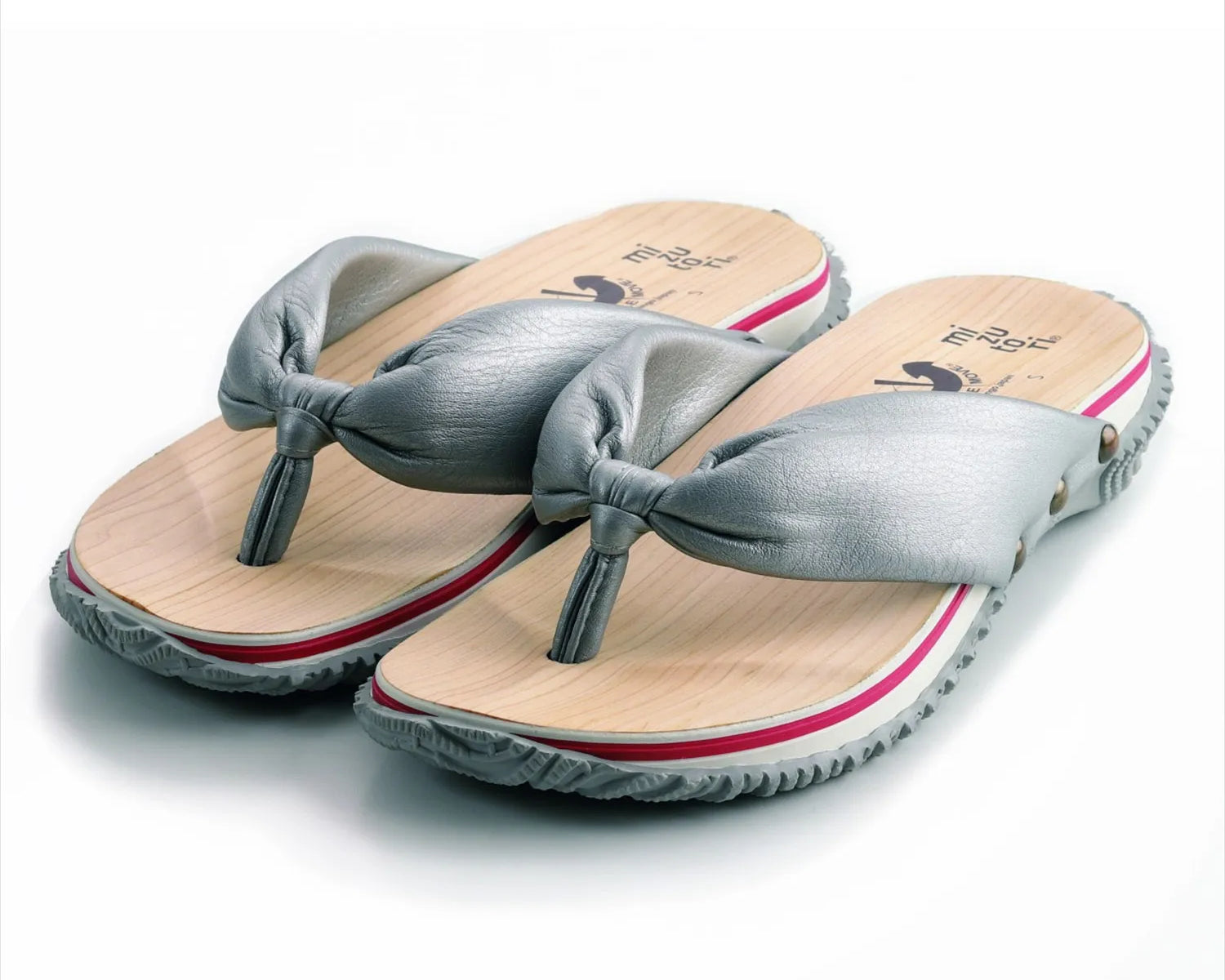
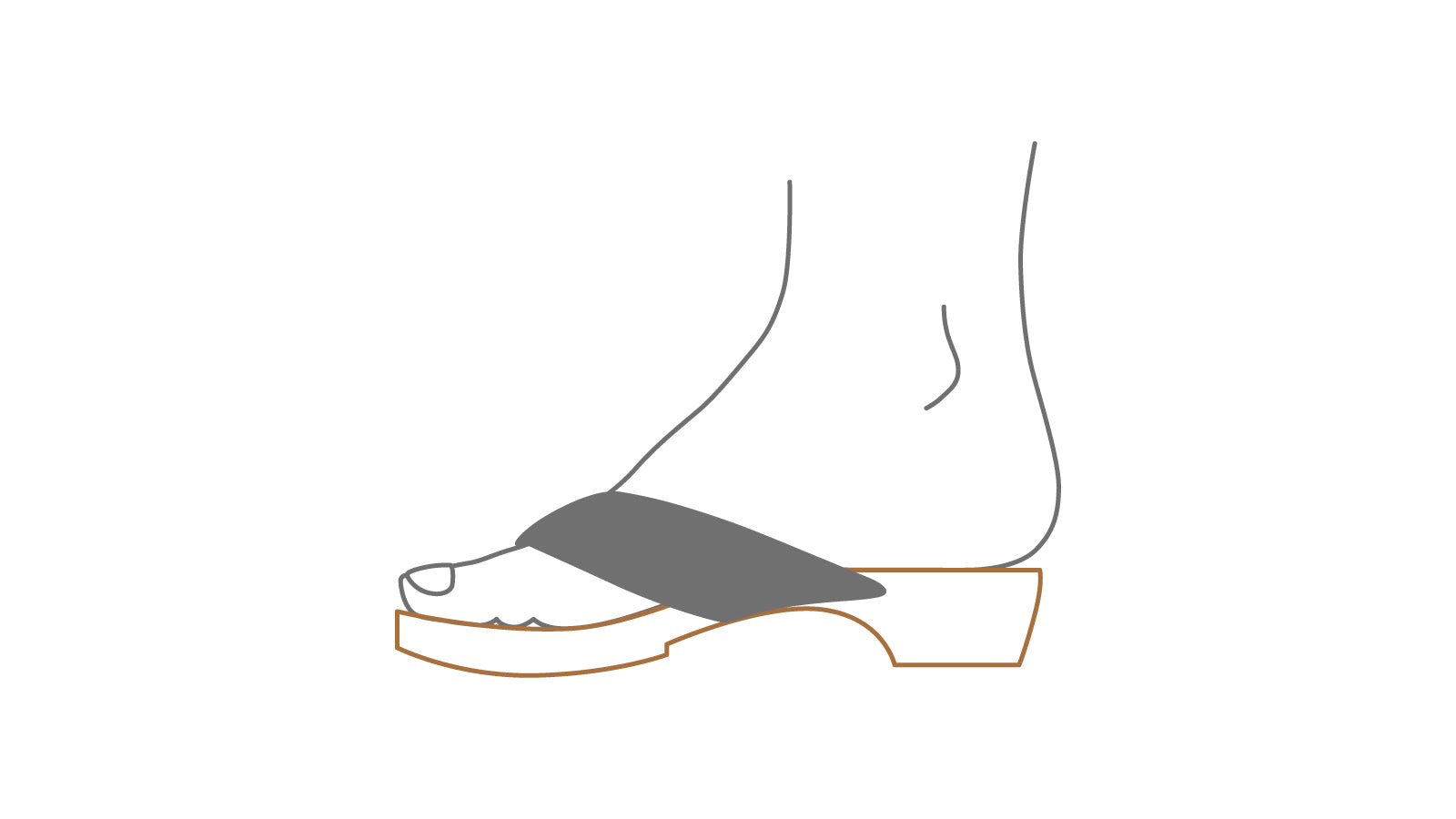
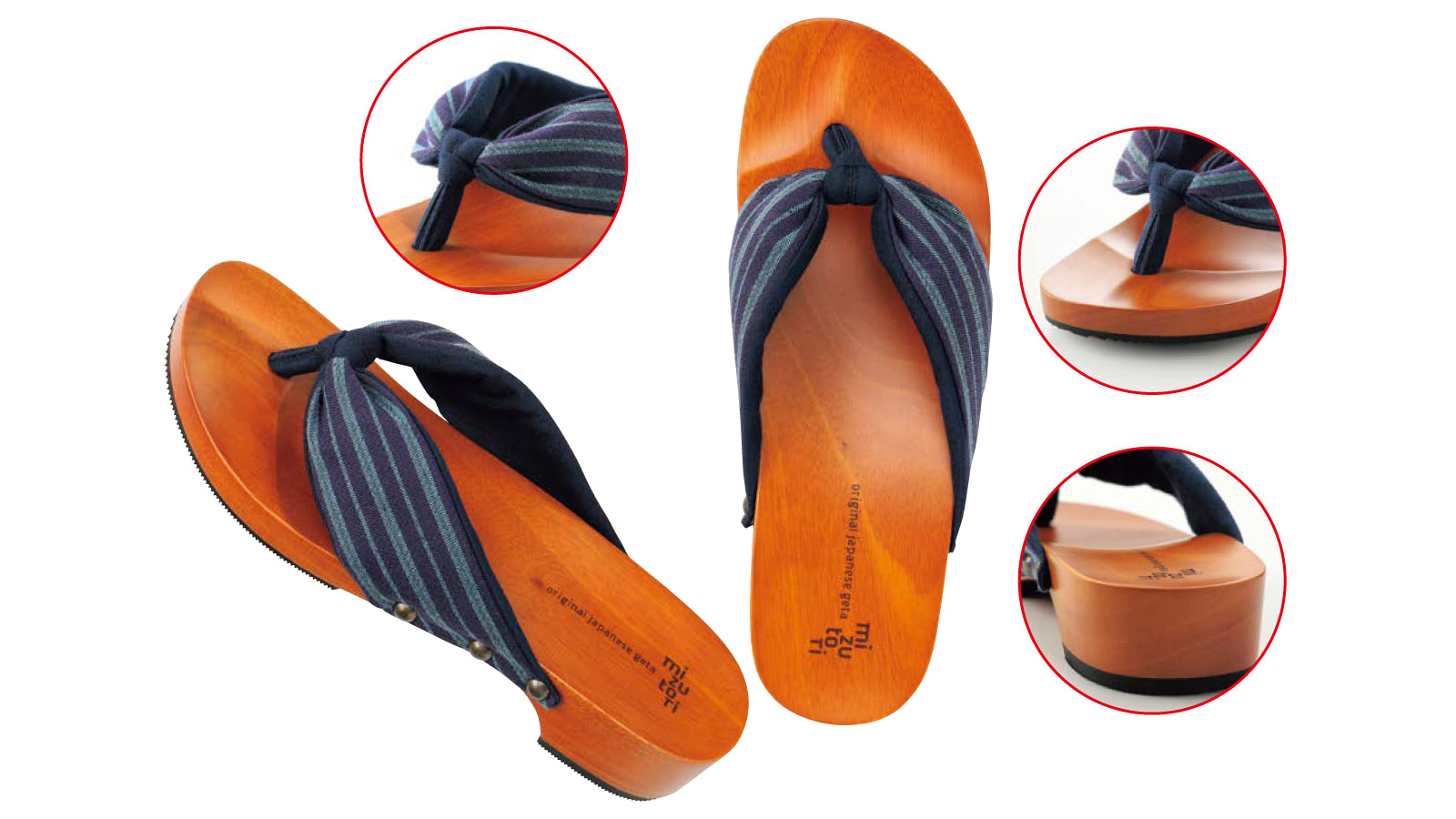
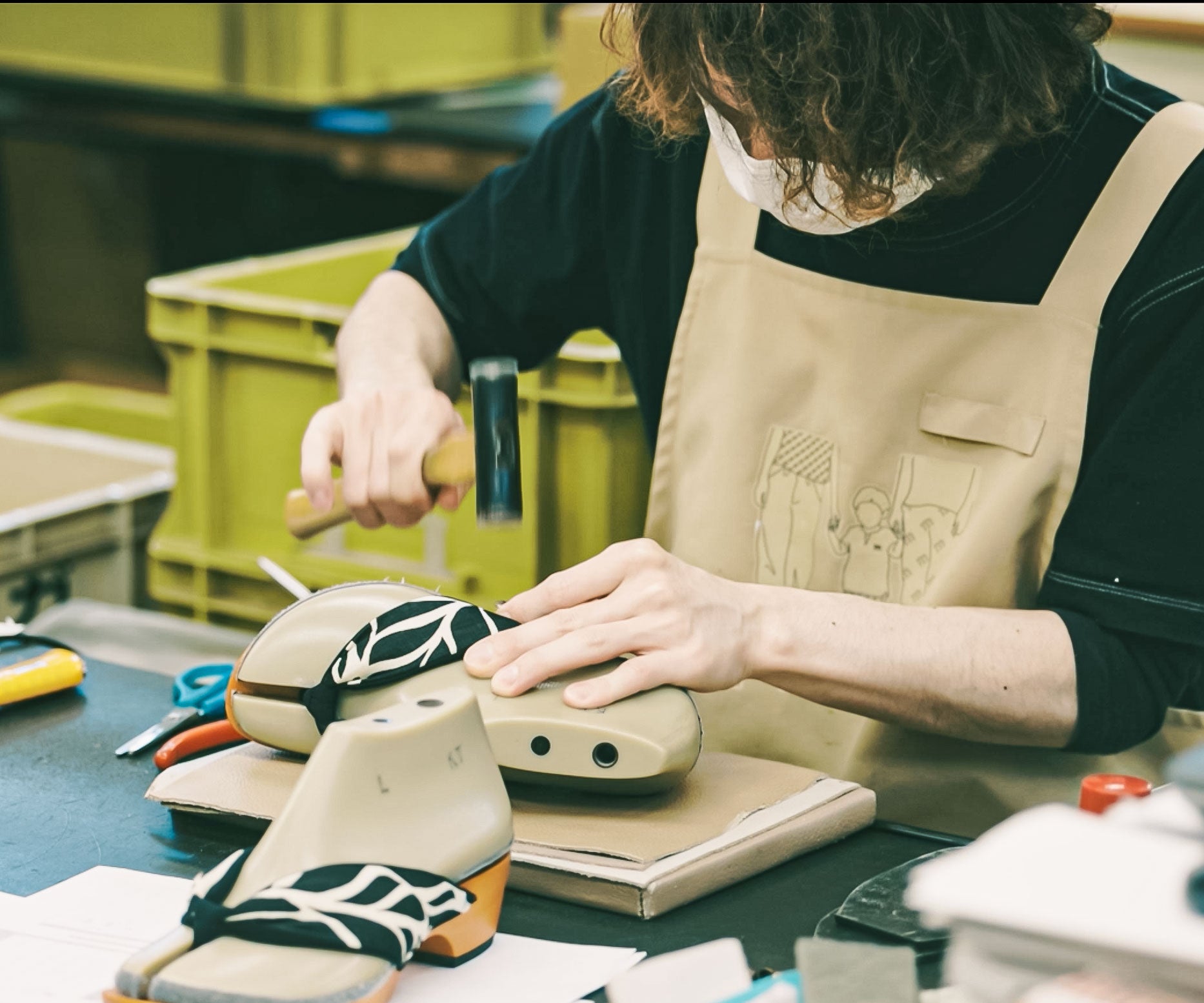
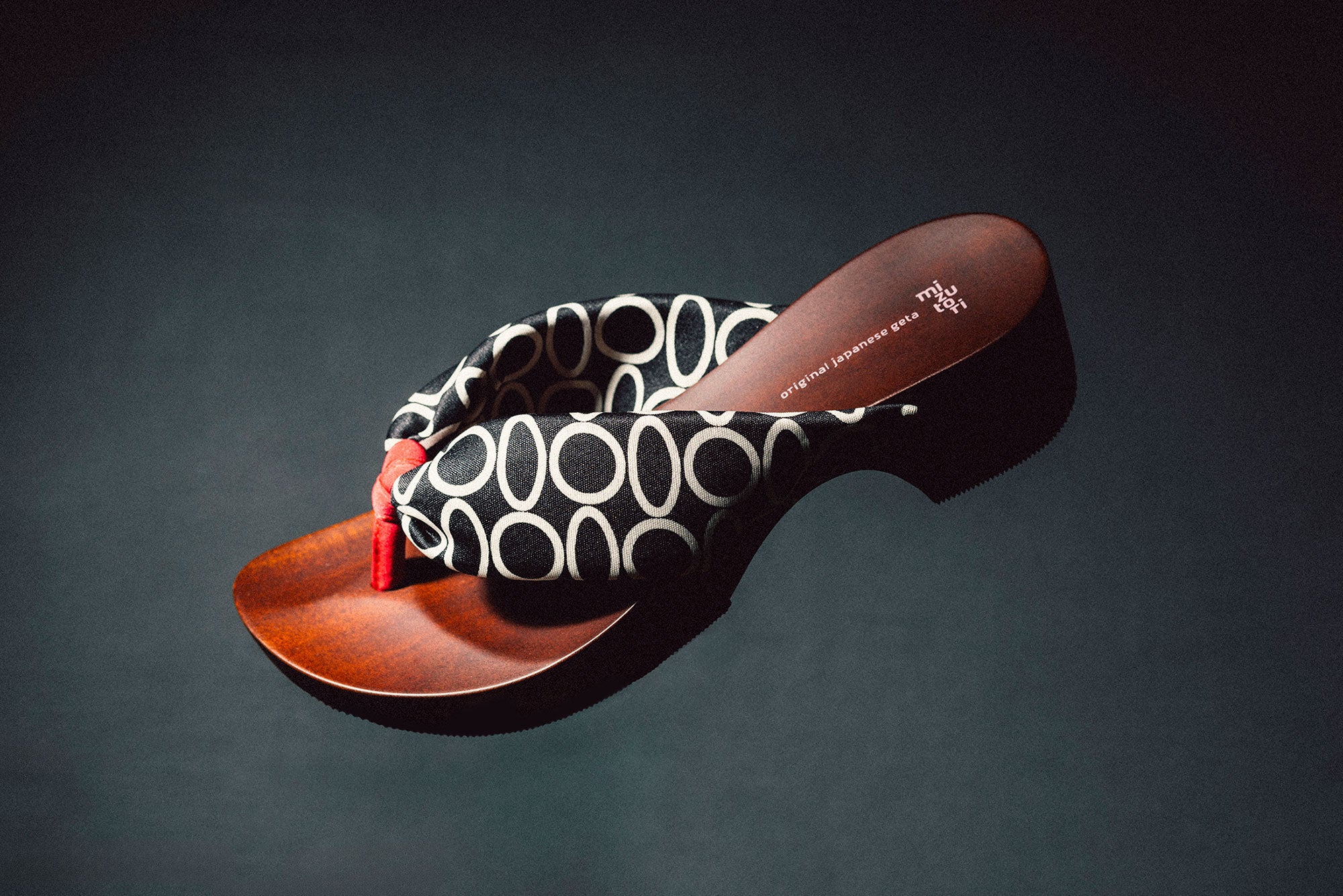
As a result, there is growing interest in footwear that allows the toes to move naturally, including traditional thong-style footwear that encourages active use of the toes.

Summary
Floating toes describe a condition in which the toes do not make sufficient contact with the ground while standing or walking.
Although it is not a formal medical diagnosis, it has attracted attention because of its relationship to toe function, walking mechanics, and the foot arch.
Understanding floating toes can provide useful insight into how the feet function and may encourage greater awareness of walking and foot use in everyday life.