
What Are Kiri Geta? — Traditional Japanese Paulownia Wood Sandals
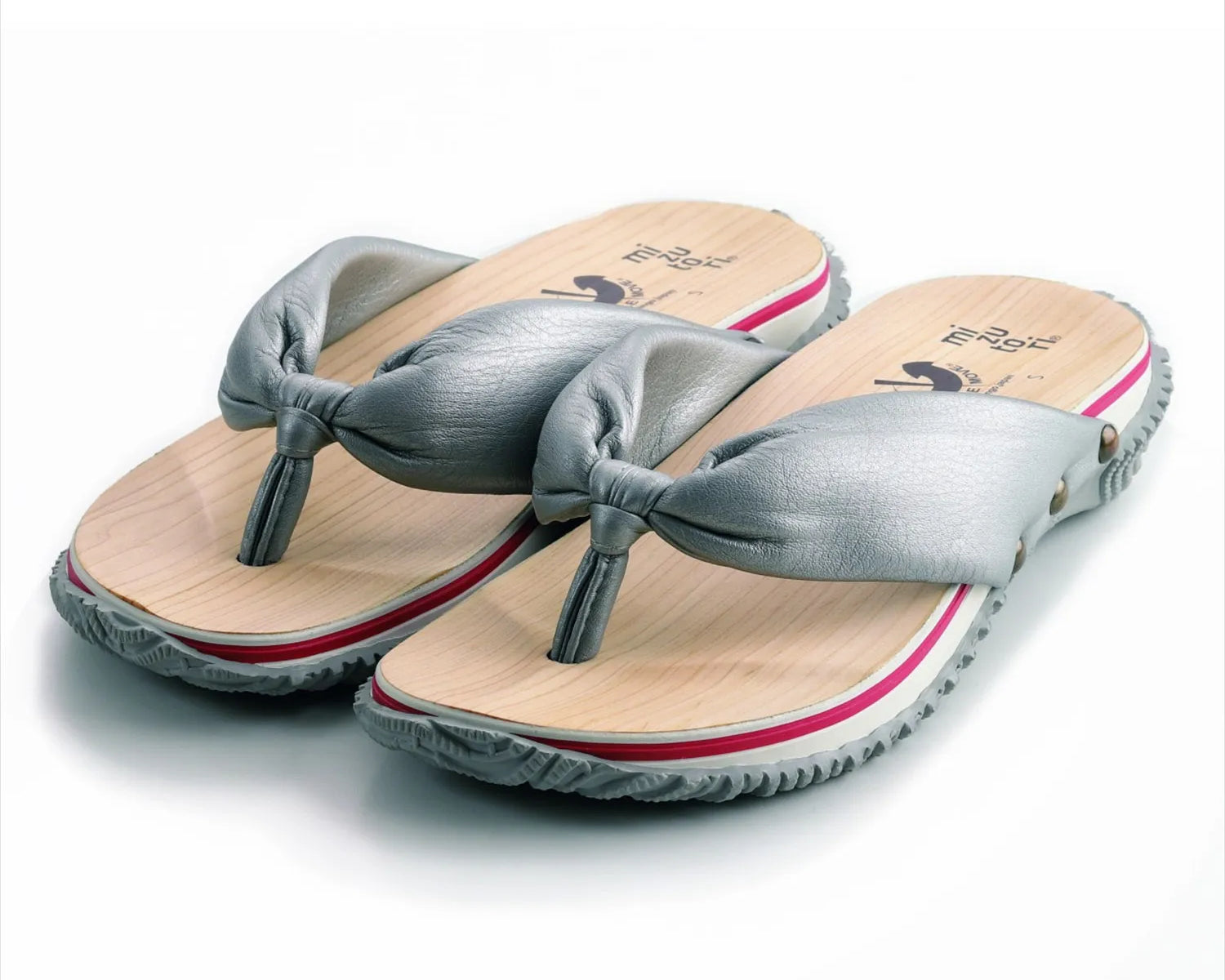
Kiri geta are traditional Japanese wooden sandals made primarily from paulownia wood, known in Japanese as kiri.
Paulownia is a lightweight wood with low thermal conductivity and has long been used to make geta. Its beautiful grain and soft, gentle feel against the feet are among the distinctive qualities of kiri geta.
Why Is Paulownia Used for Geta?
Paulownia is one of the lightest types of wood commonly used in Japan.
Its structure contains numerous air-filled spaces, giving it good thermal insulation and helping reduce the transfer of outside temperatures to the soles of the feet. Like other woods, paulownia also absorbs and releases moisture, making it a traditional material for geta that are often worn barefoot.
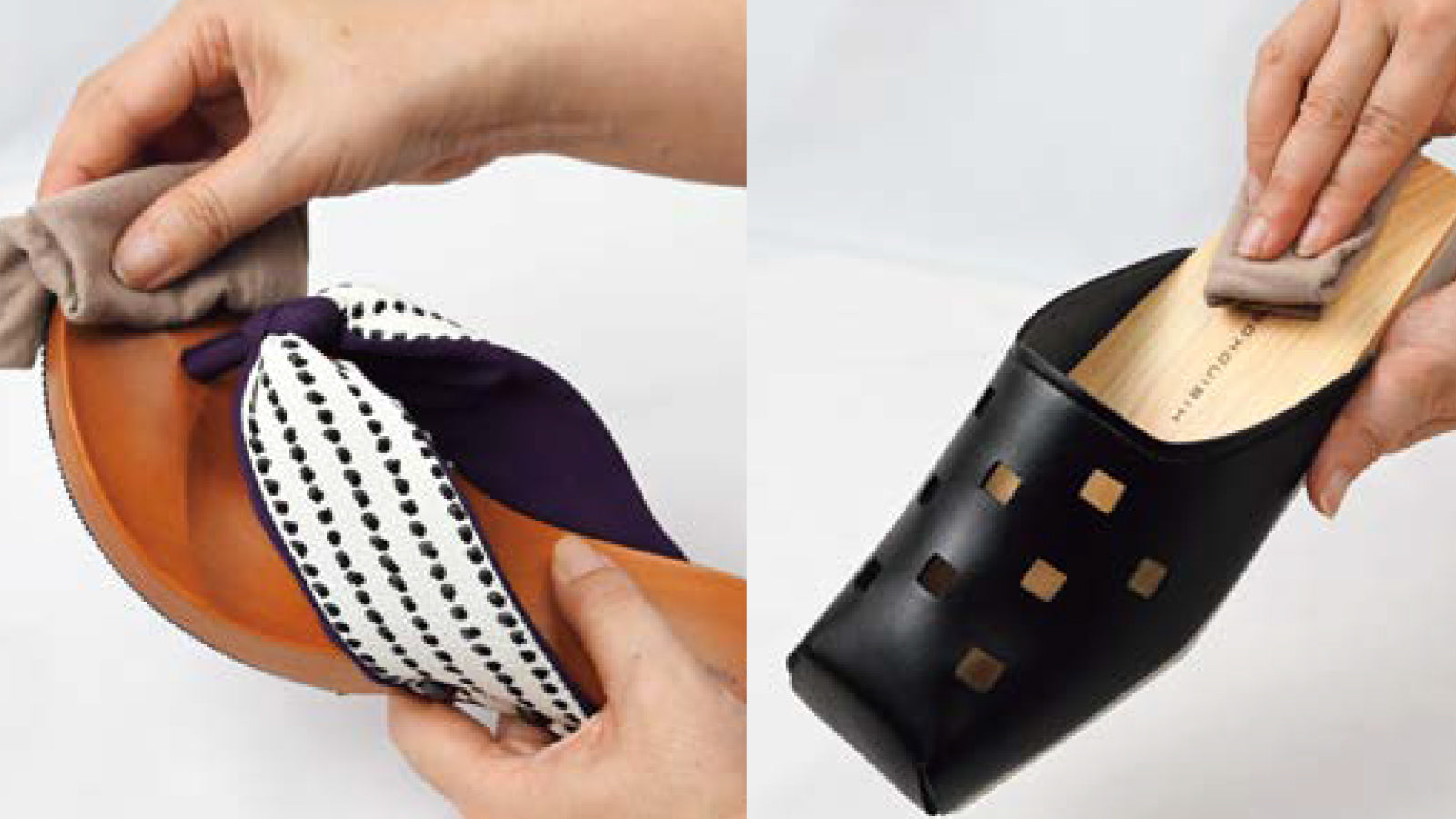
However, paulownia is relatively soft and can develop scratches or dents when subjected to strong impacts. Understanding both its advantages and its limitations is important when choosing and caring for wooden footwear.

Kiri Geta Traditions Across Japan
Kiri geta have developed in different regions of Japan, shaped by local environments and generations of craftsmanship.
Well-known examples include Tsugaru kiri geta from Aomori Prefecture, Aizu kiri geta from Fukushima Prefecture, and Shido kiri geta from Kagawa Prefecture. Each region has developed its own approaches to wood selection, craftsmanship, and finishing techniques.
While paulownia was once produced in many parts of Japan, domestic production has declined, and imported paulownia wood, particularly from China, is now widely used.
At the same time, traditional paulownia-growing regions such as Aizu continue to preserve the cultivation and woodworking skills associated with this material.
Different Styles and Finishes of Kiri Geta
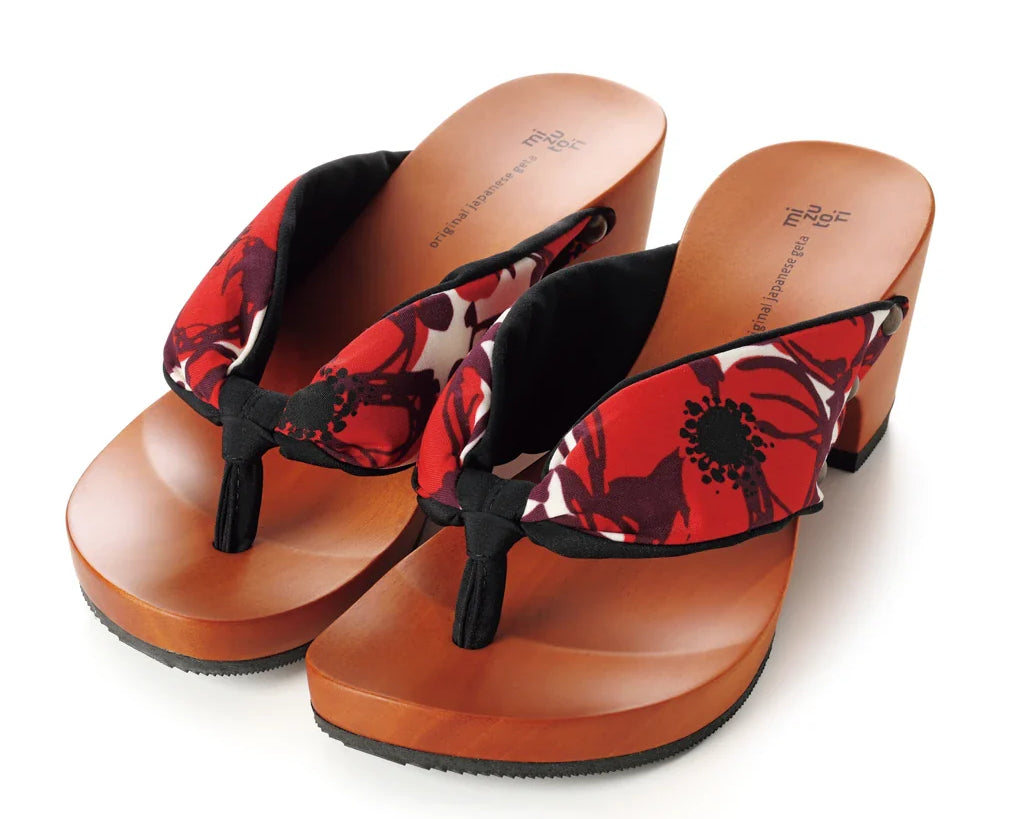
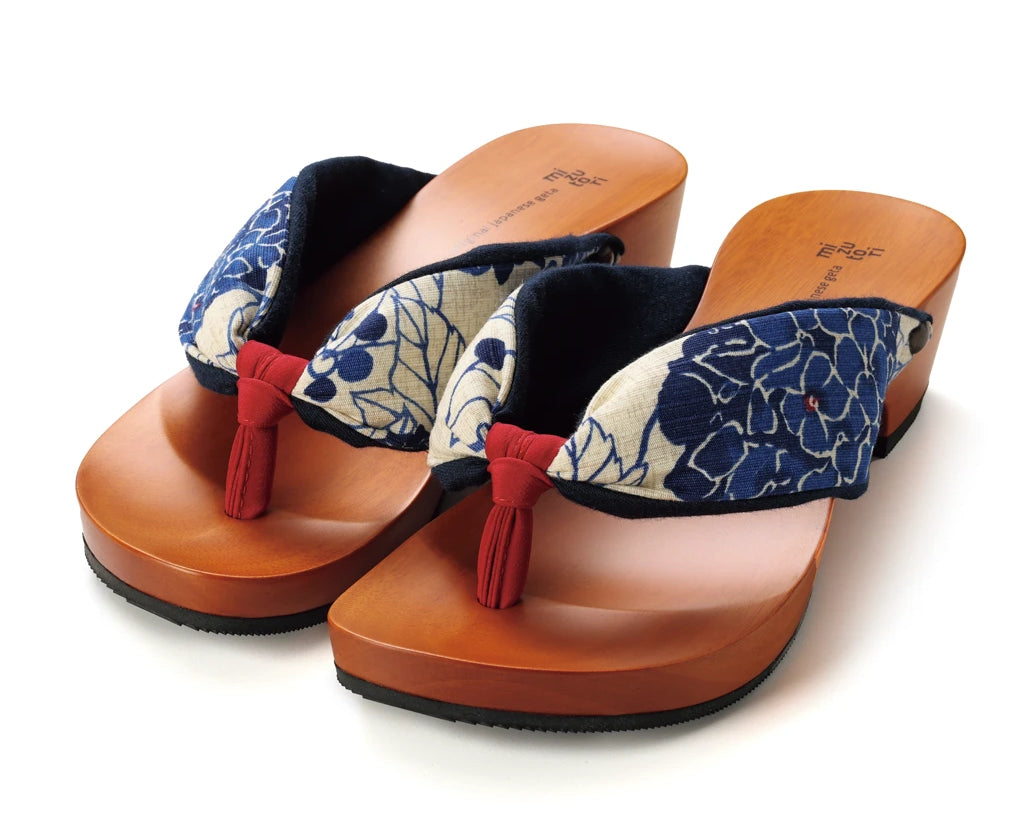
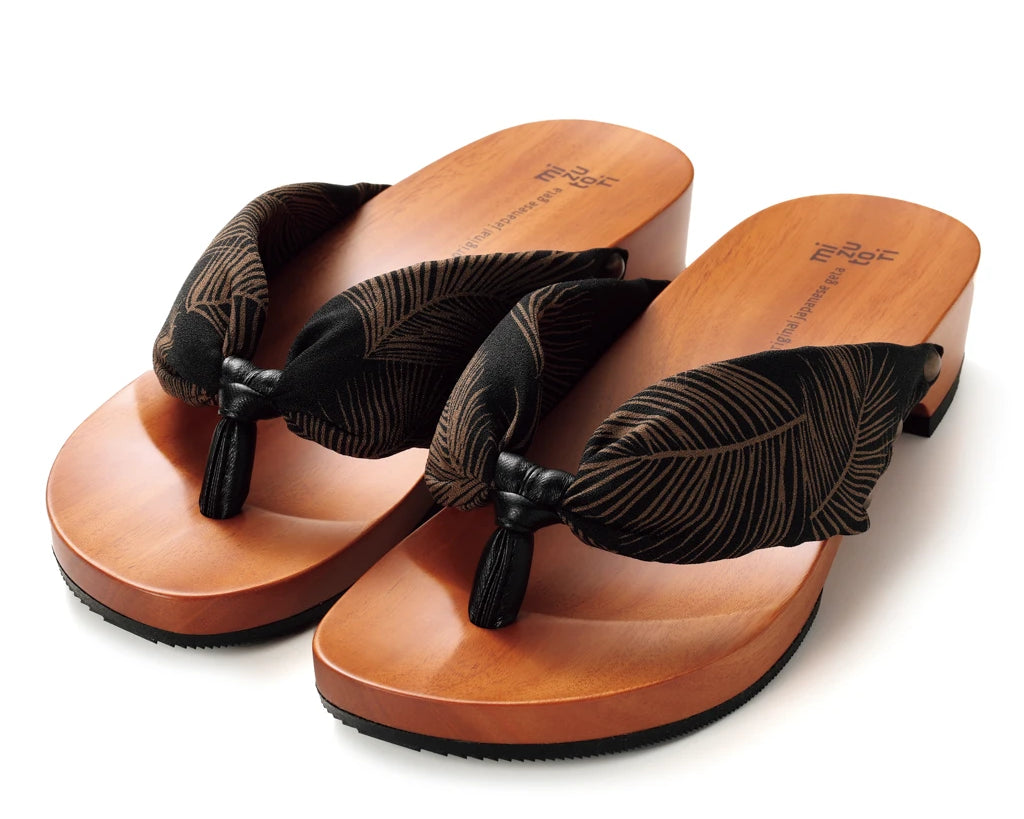
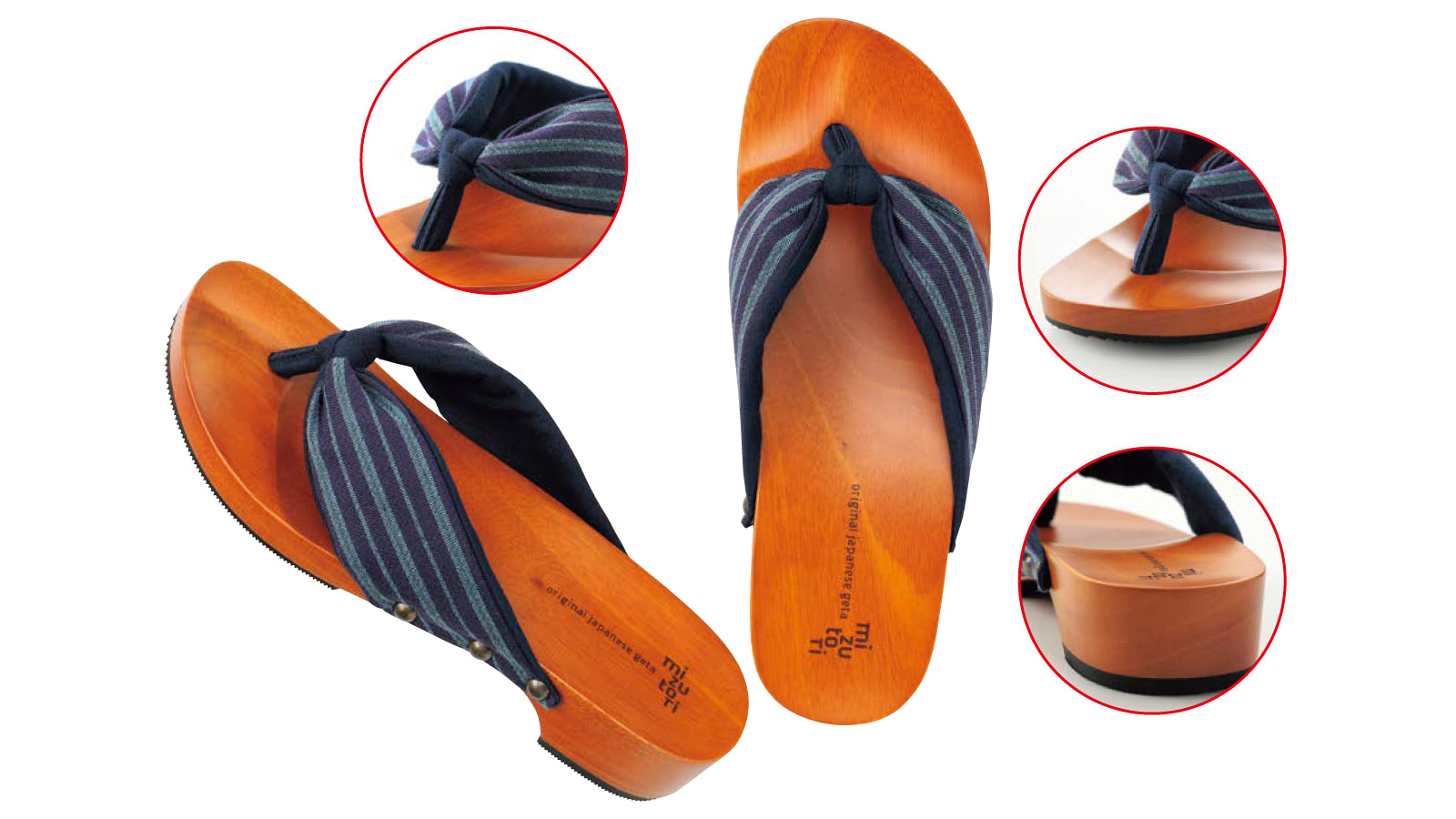
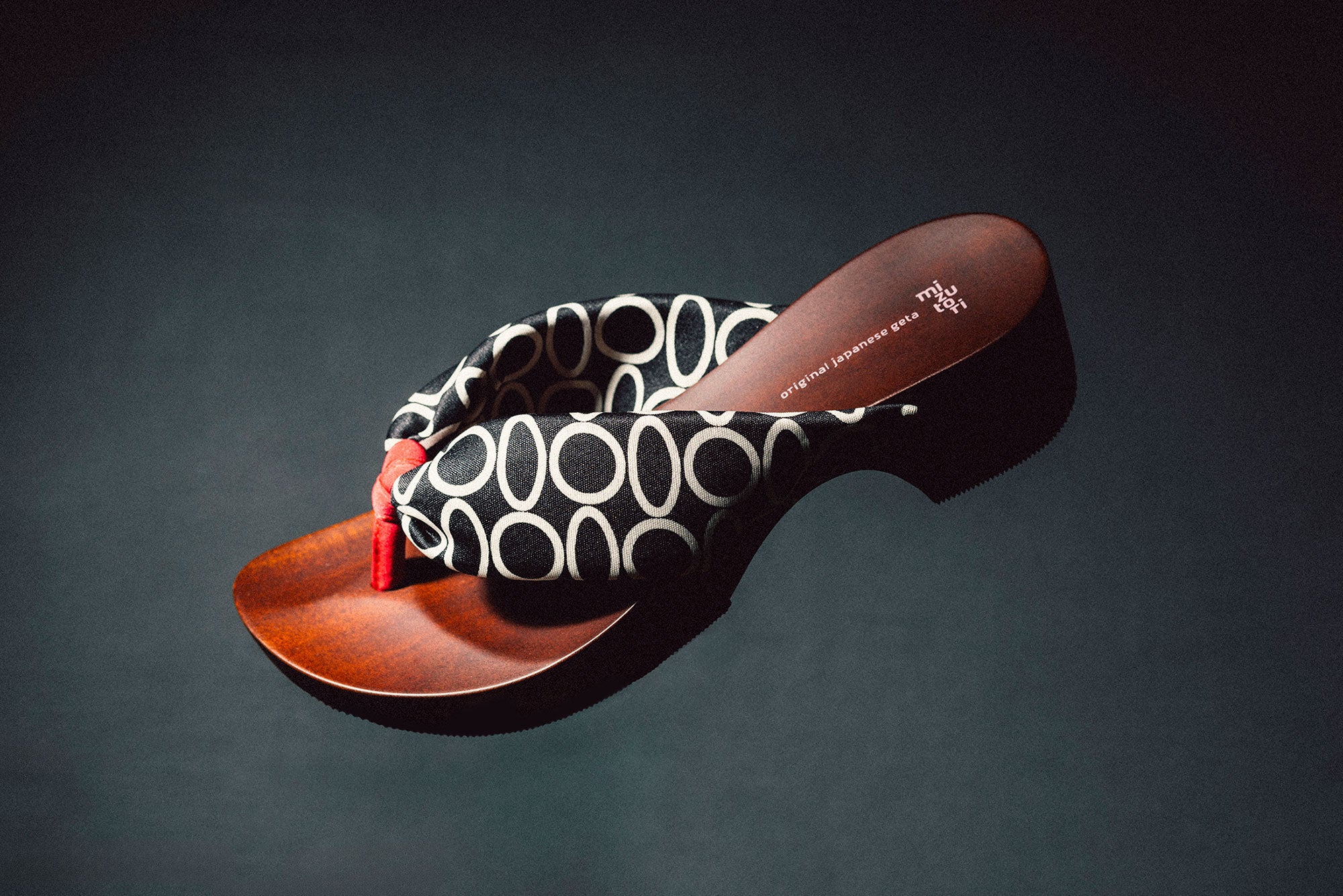
Kiri geta come in a variety of finishes, including natural, unfinished wood that highlights the grain, charred finishes that deepen the color and emphasize the wood's texture, and painted or coated surfaces.
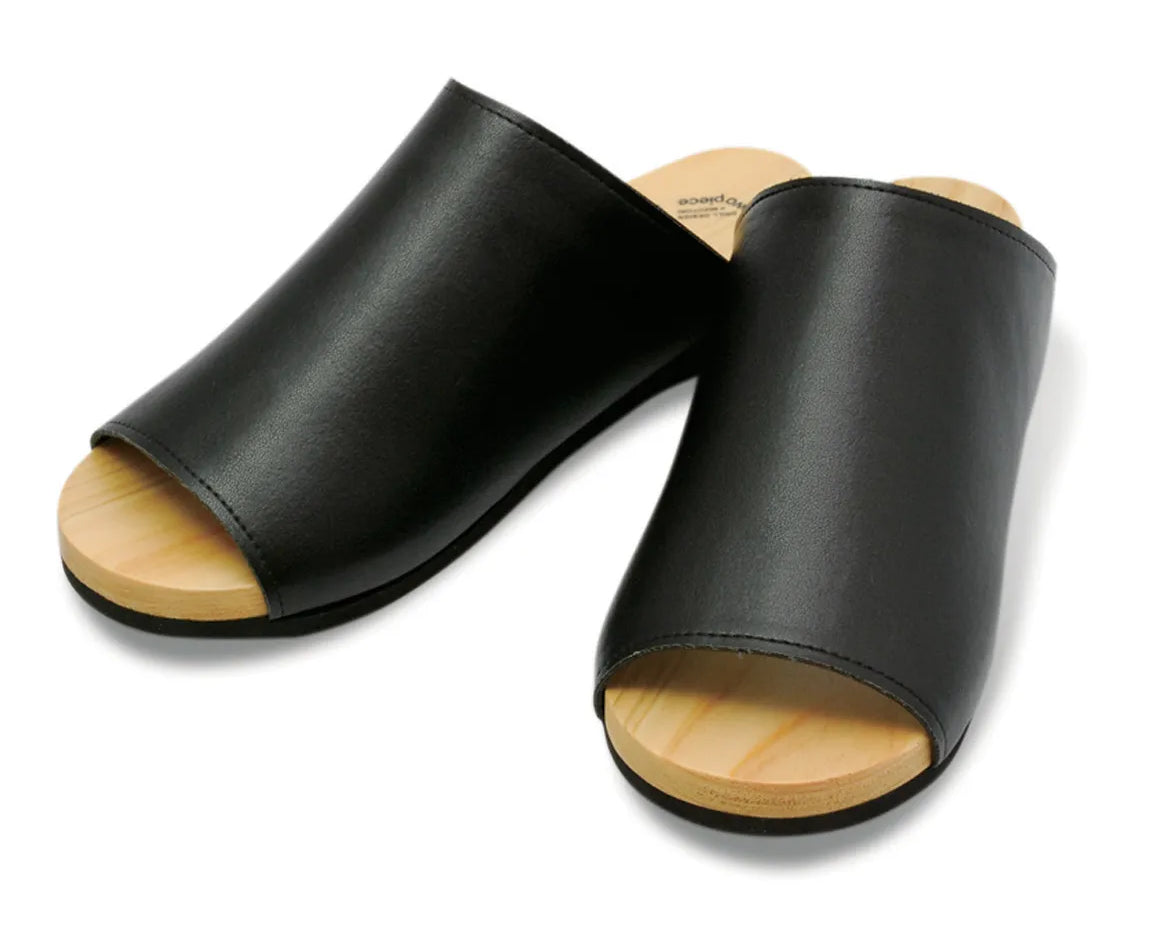
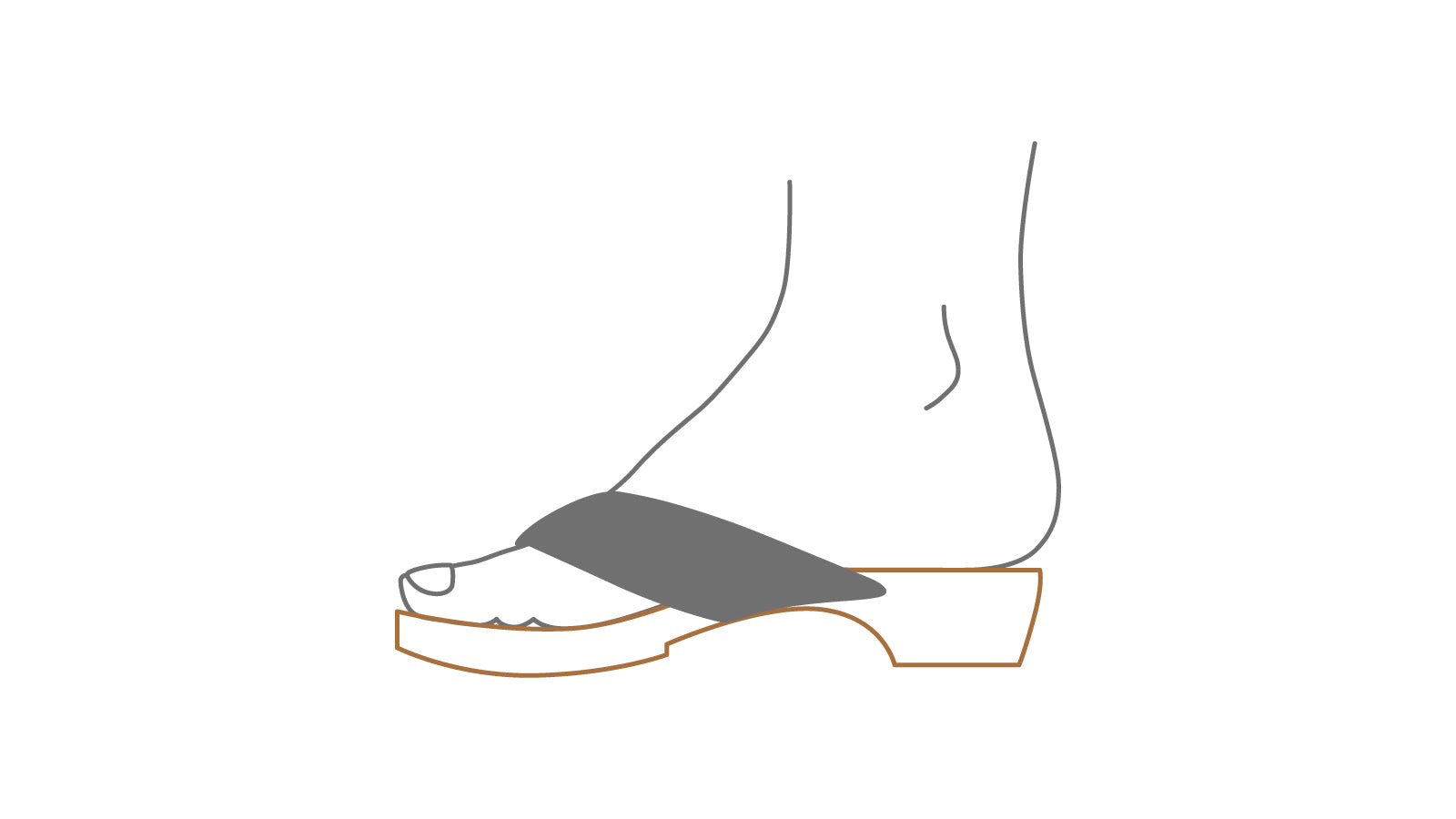
Their shapes also vary, from traditional geta with two raised wooden teeth to styles with relatively flat soles.
Even when made from the same type of wood, differences in shape and the choice of hanao (fabric straps) can create distinct wearing experiences and visual impressions.

Conclusion
Kiri geta are traditional Japanese wooden sandals that make use of paulownia's light weight, insulating properties, and gentle texture.
Their appeal lies not only in the characteristics of the wood itself but also in the regional woodworking traditions and variety of finishes developed over time.
Understanding the unique qualities of paulownia offers a deeper appreciation of Japanese geta culture.