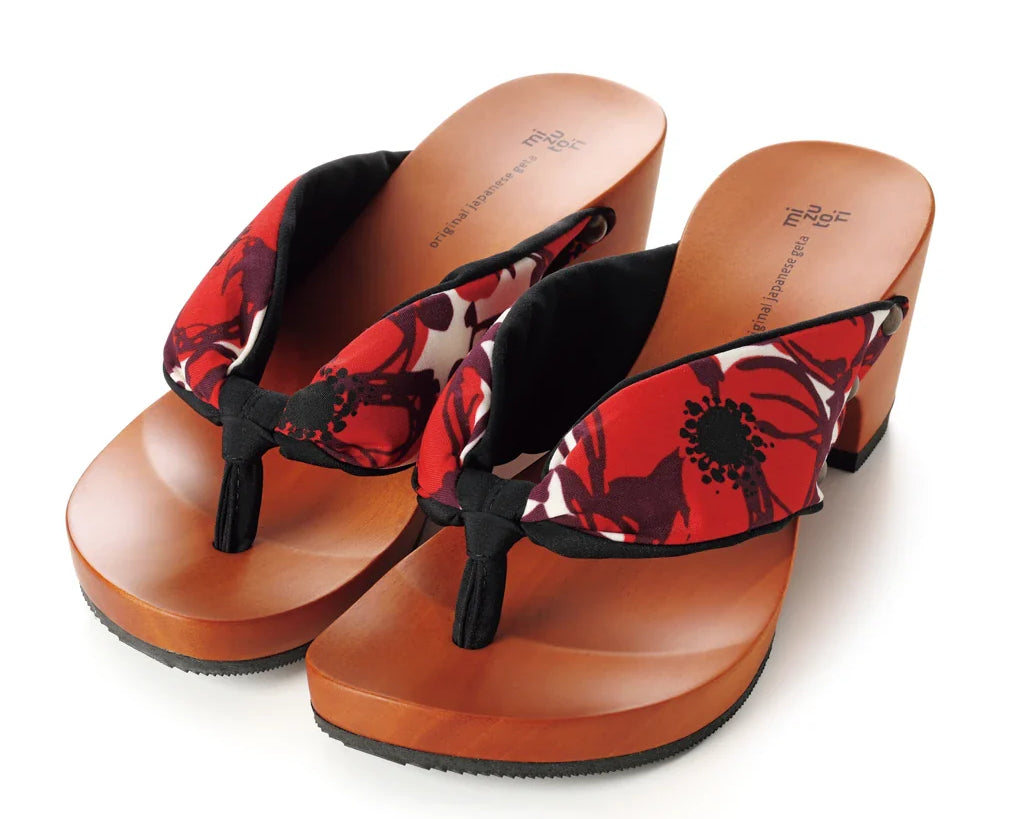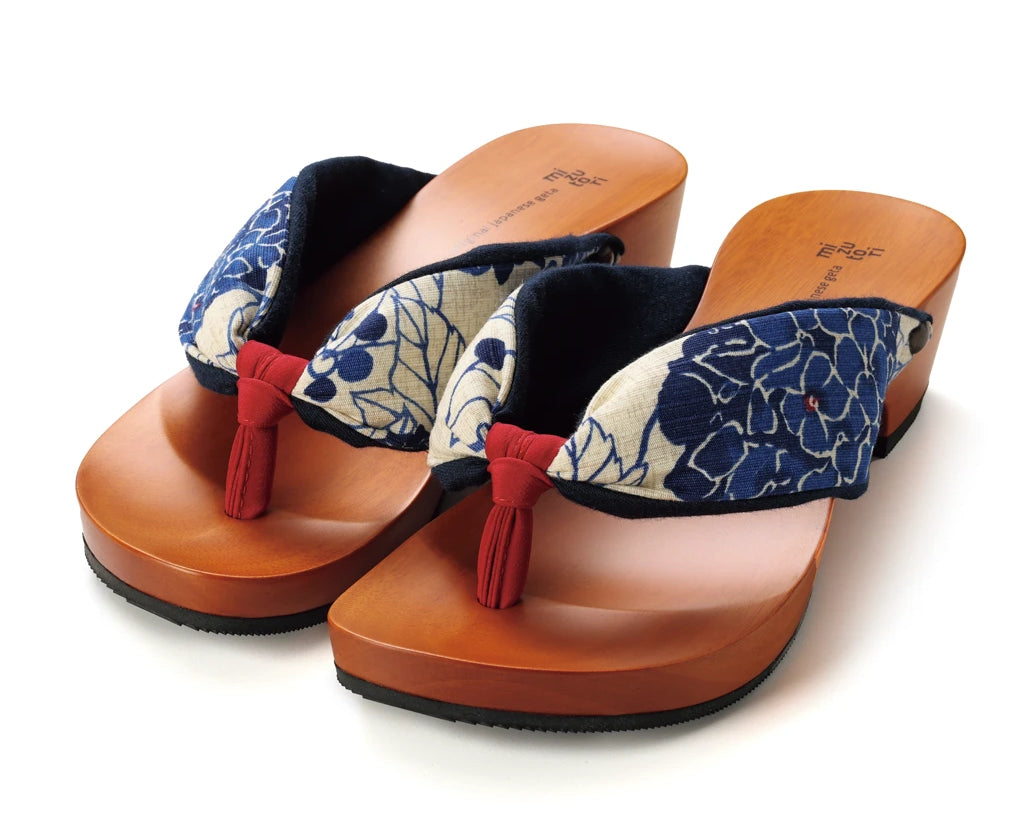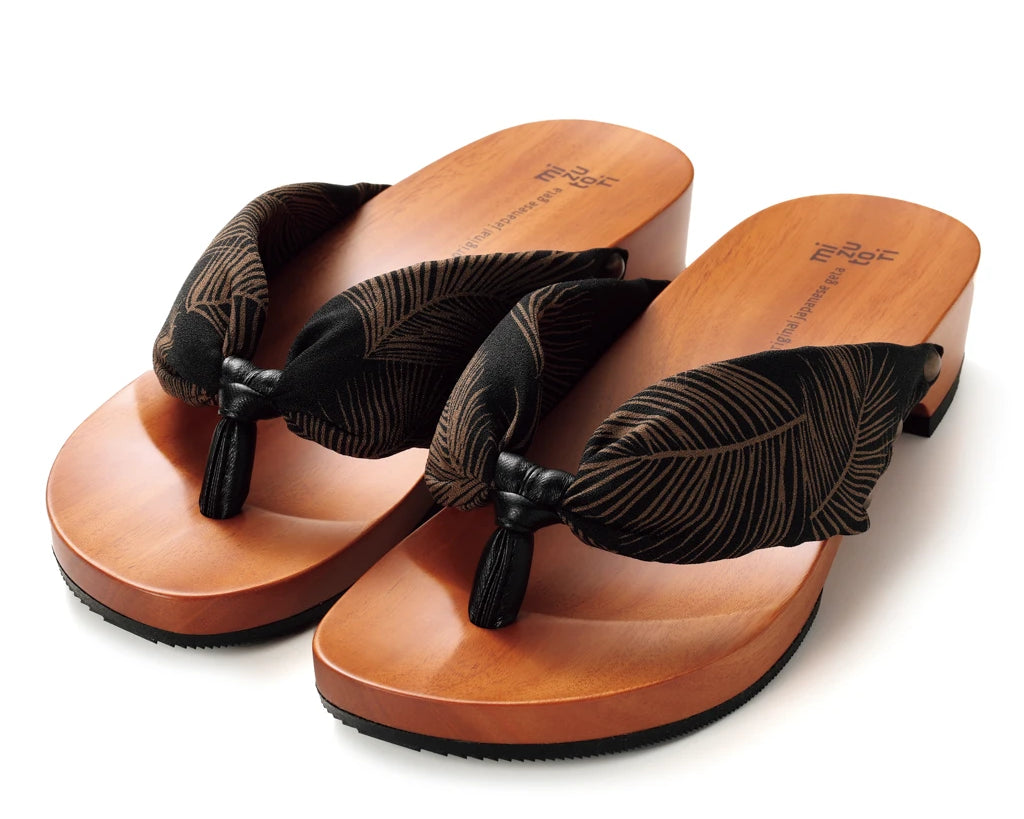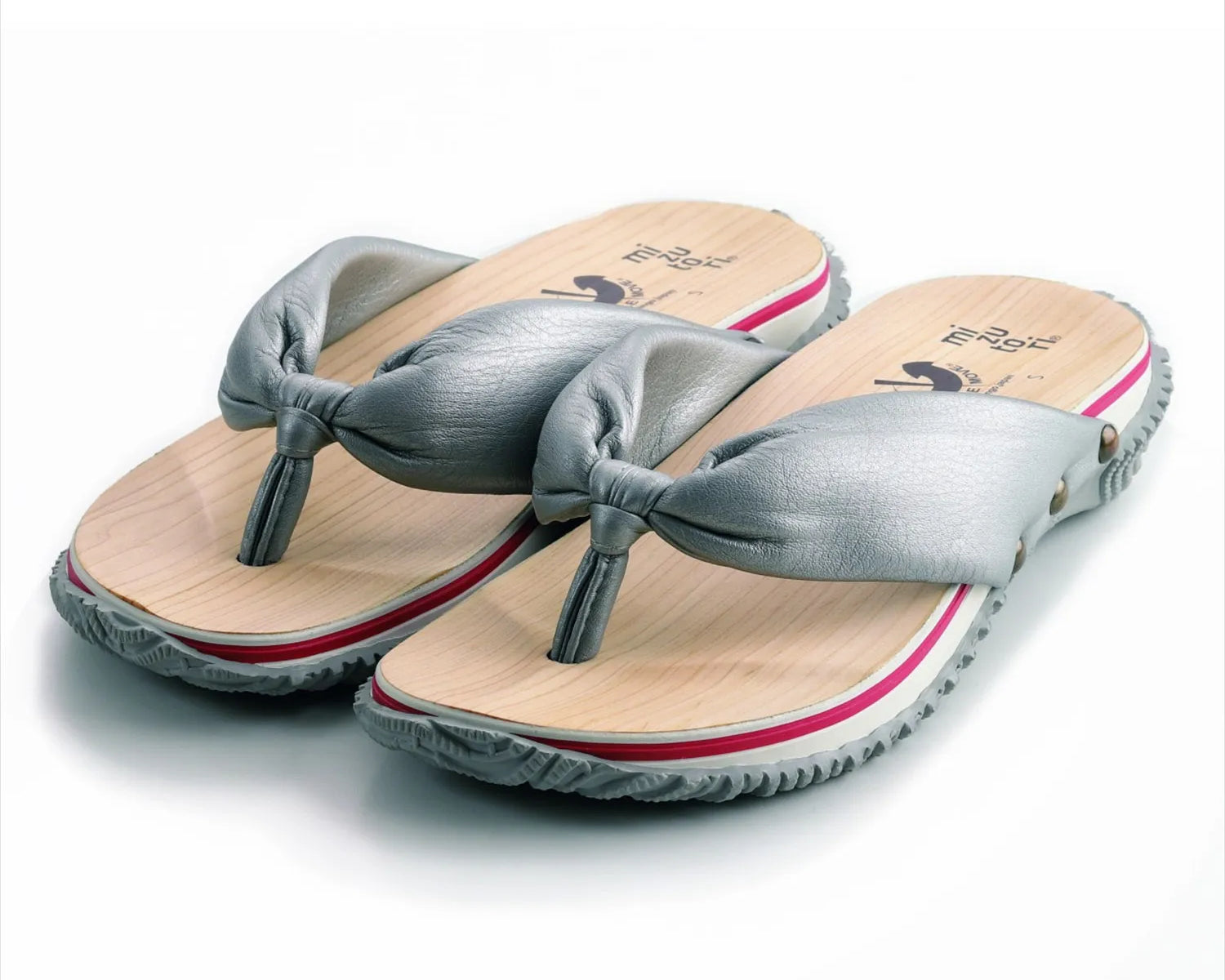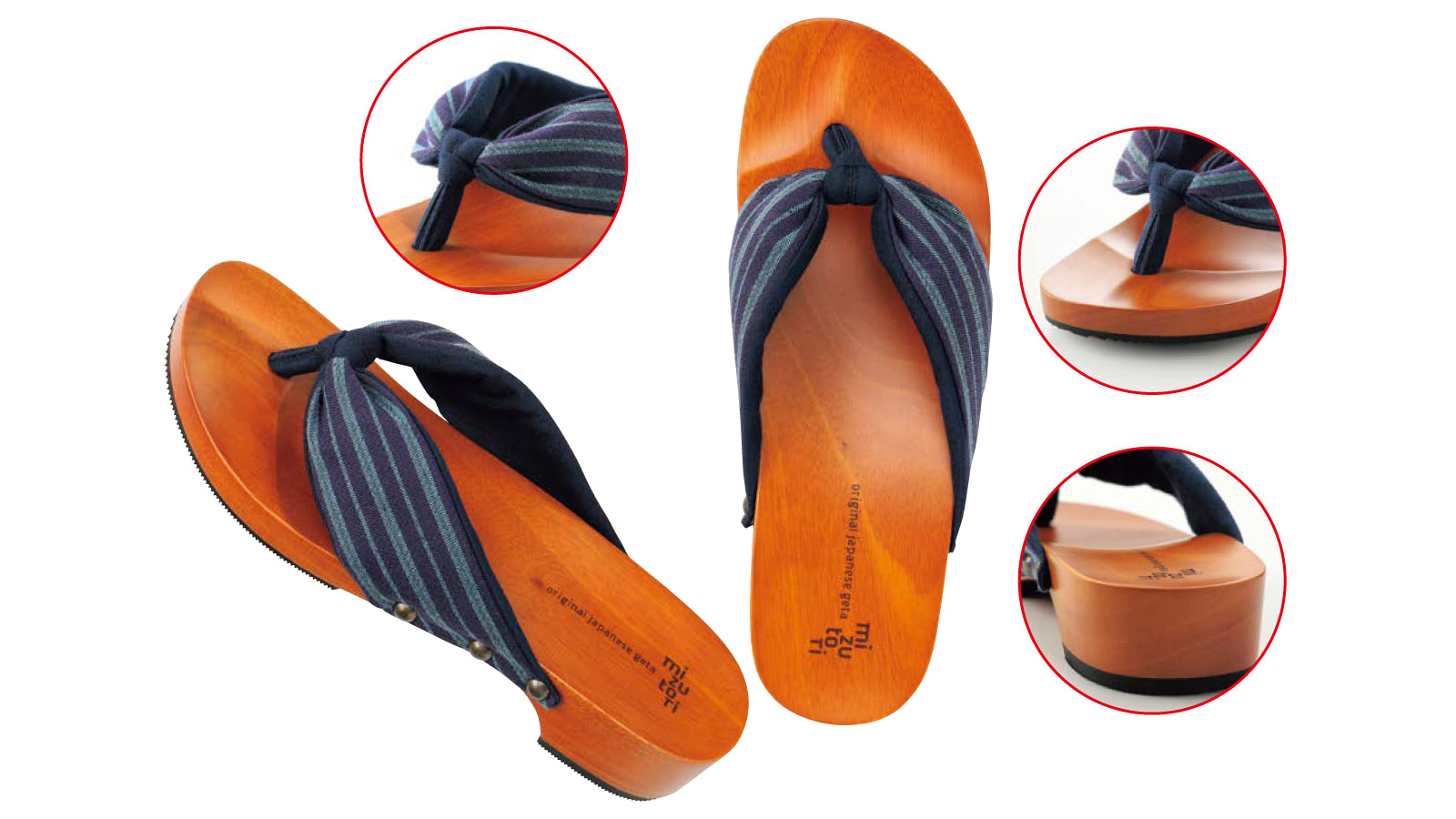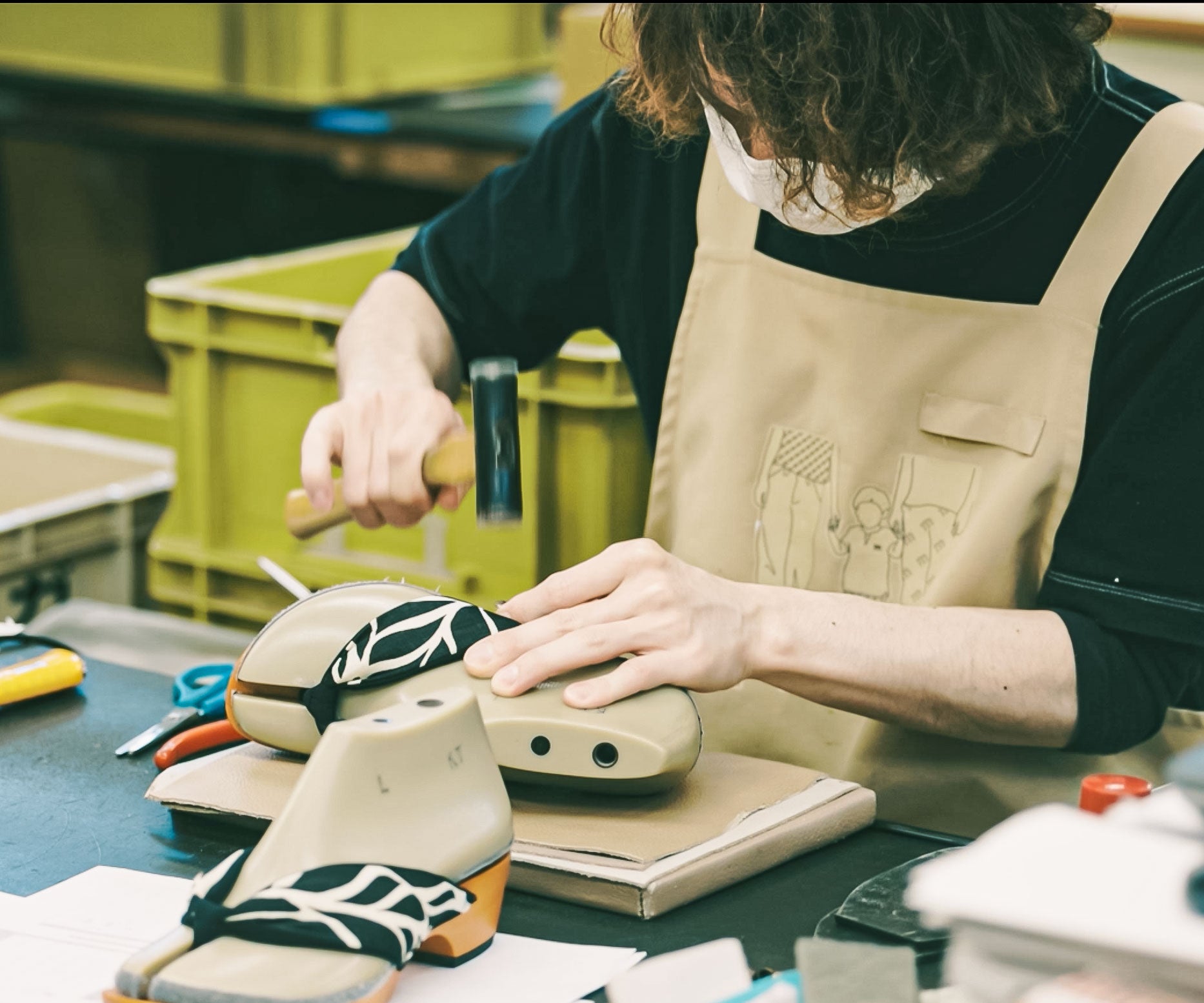
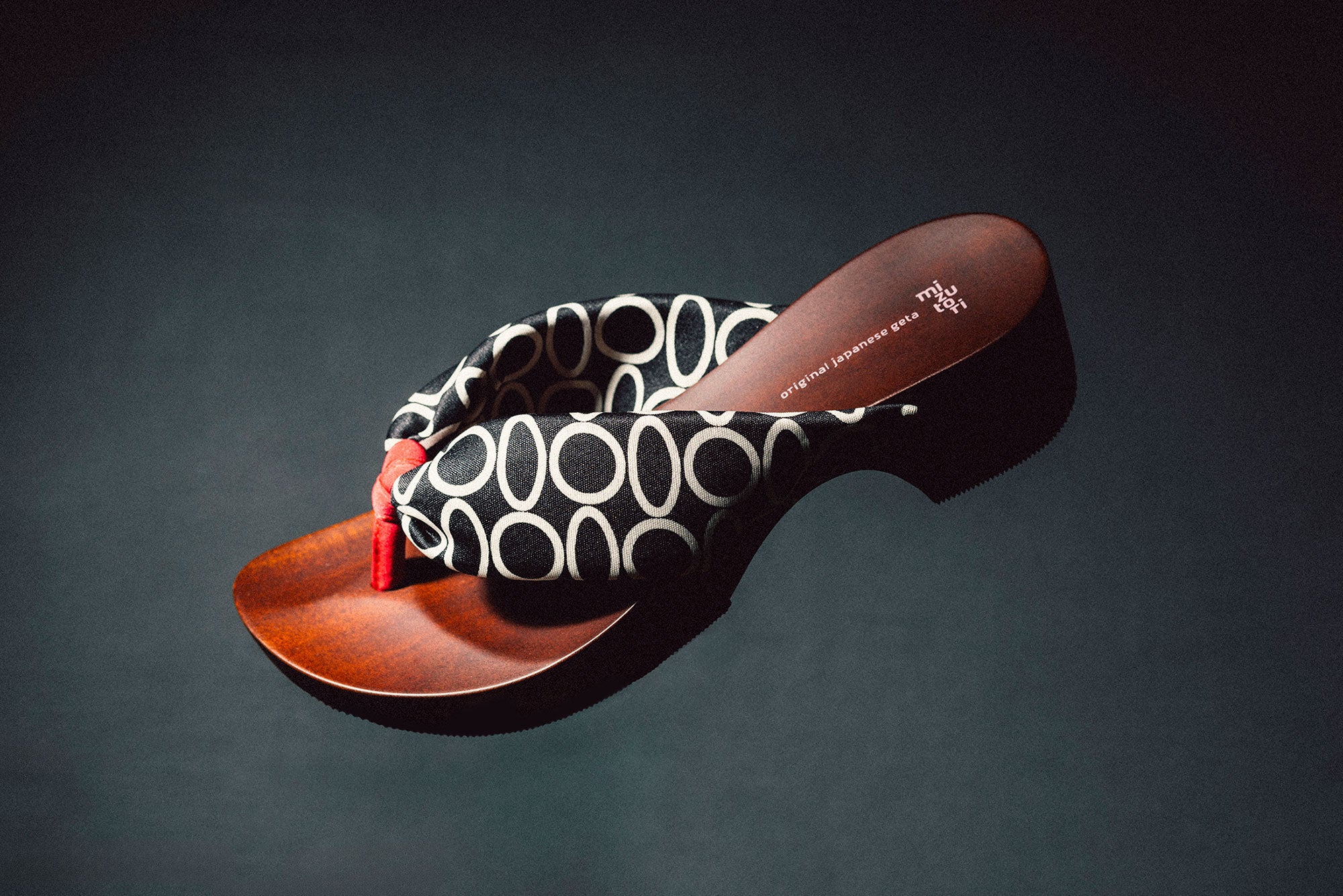

mizutori creates modern Japanese wooden sandals (geta) designed for comfort and everyday wear.
What Is mizutori?
Episode 68
Why Go to All the Trouble of Using Wood?
“You know,
mizutori doesn’t really
need to make this.”
Someone we work with
once said that to me.
At mizutori,
we use wood,
a natural material,
and finish each pair
by hand.
That inevitably
takes time and care,
and it’s also true
that the price
can sometimes make people
hesitate before buying.
Could we make something
more accessible?
With that thought in mind,
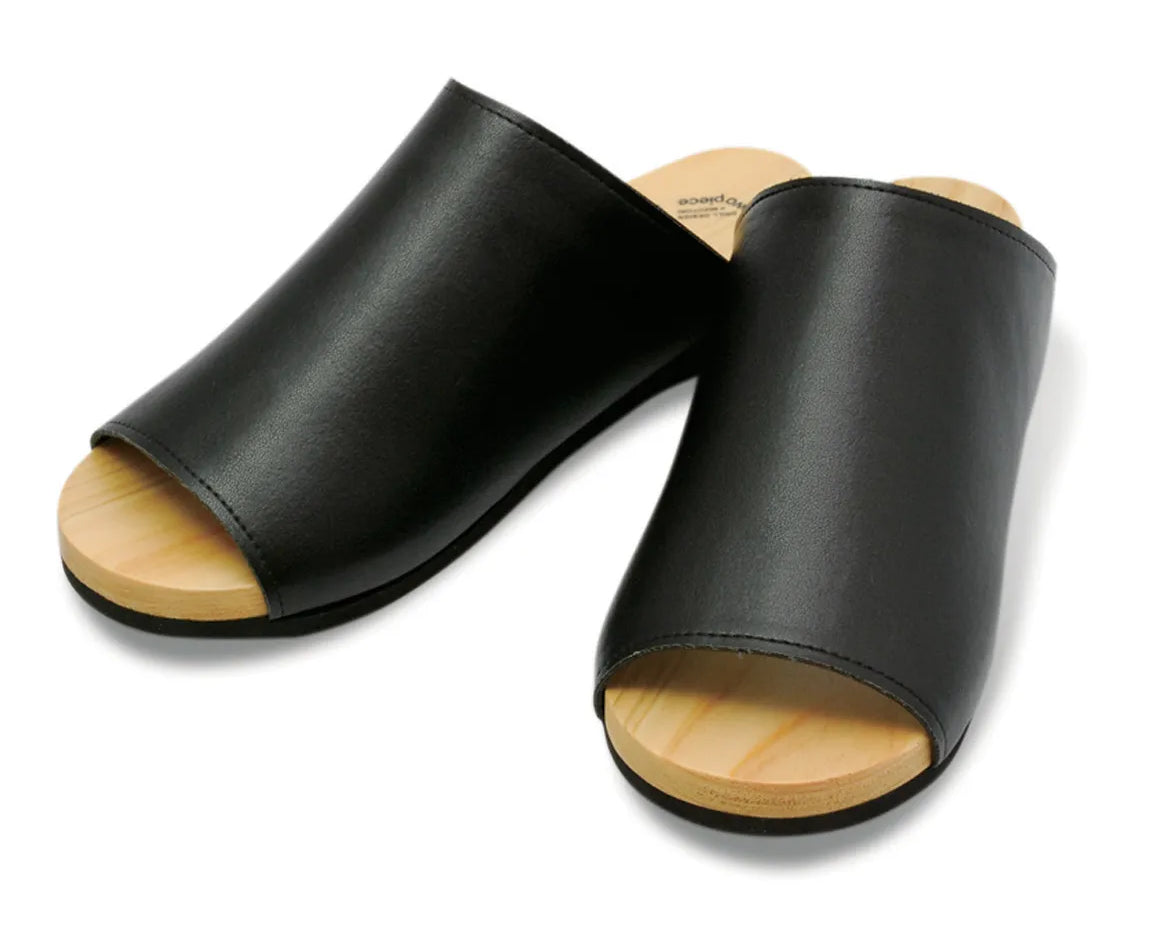
we once experimented
with making footwear
without using wood.
The words
at the beginning
came from someone
who saw that prototype.
To that person,
I think mizutori was
“a company
that makes wooden footwear.”
There is already
plenty of footwear
in the world
made without wood.
There was no real need
for mizutori
to go out of its way
to enter that space.
At least,
that’s how
I understood
what they meant.
Those words
made me stop
and think again.
Why had we
continued to care
so much about wood?
It’s true.
Today,
there are many materials
that are easier
to work with than wood,
with far more freedom
in shape and color.
It may also be easier
to achieve
a consistent finish.
And yet,
why go to all the trouble
of making footwear
from wood?
The first thing
that came to mind
was the feeling of wood
against the soles
of my feet.
Wood does not
conduct heat easily.
And when I actually
wear wooden geta,
in summer,
they feel pleasantly cool.
In winter,
gently warm.
Throughout the year,
there is a quiet comfort
that seems to belong
to wood alone.
As I looked into it
a little further,
I discovered
that researchers
have also studied
what happens
when the soles of our feet
come into contact with wood.
In one experiment
using hinoki cypress,
participants touched
the wood
with the soles of their feet,
and responses associated
with relaxation
were observed
in the brain
and autonomic nervous system.
“Touching wood
with the soles
of your feet.”
For someone
who makes wooden footwear,
I found that
especially fascinating.
And then,
no two pieces of wood
are ever exactly alike.
Even within
the same species,
the grain,
the color,
and the knots
are all different.
There are growth rings too.
Perhaps,
for us humans,
they are a little like
freckles and wrinkles.
Every tree
that has grown
over many years
has an expression
all its own.
Somehow,
that feels
a little like us.
Of course,
wood can get scratched
as you use it.
But with wood,
a scratch
doesn’t necessarily
mean the end.
It can be sanded,
filled,
or touched up
with color.
If you’re good
with your hands,
you may even be able
to make small repairs
yourself
with ordinary
woodworking glue
or a floor touch-up pen.
Even after
it has been damaged,
human hands
can work on it again.
Perhaps that, too,
is one of the reasons
wood continues
to be chosen
as a material.
There is something
about seeing wood
that makes us
feel at ease.
Something about
touching it
that simply
feels good.
People have lived
alongside wood
for a very,
very long time.
Perhaps
that sense of comfort
we feel
when we touch it
has somehow remained
deep within
our distant memory.
Every now and then,
I remember
those words
from the beginning.
“You know,
mizutori doesn’t really
need to make this.”
And it was only because
we tried making footwear
without wood
that I was able
to notice something
I hadn’t before.
We shape wood.
We feel it
beneath our feet.
And we make footwear
while working
with the character
of a material
in which no two pieces
are ever exactly alike.
Why go to all the trouble
of using wood?
I’ve thought about it
in many different ways,
but perhaps
the answer
is surprisingly simple.
We really do
love wood.