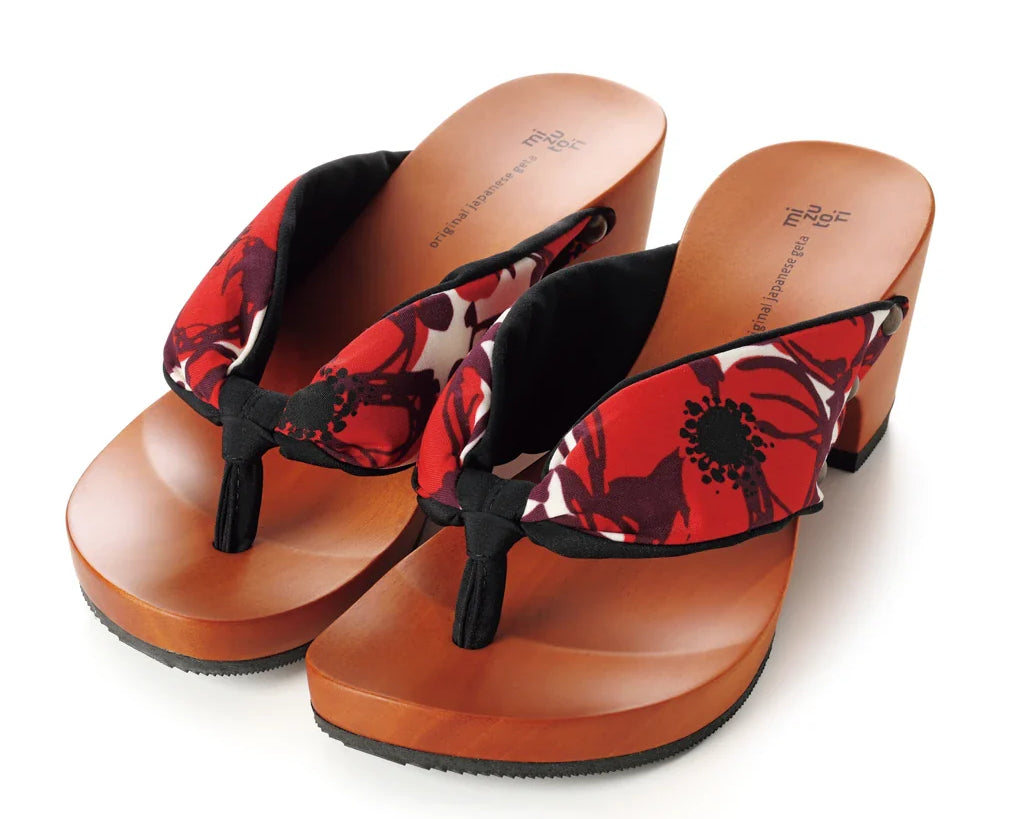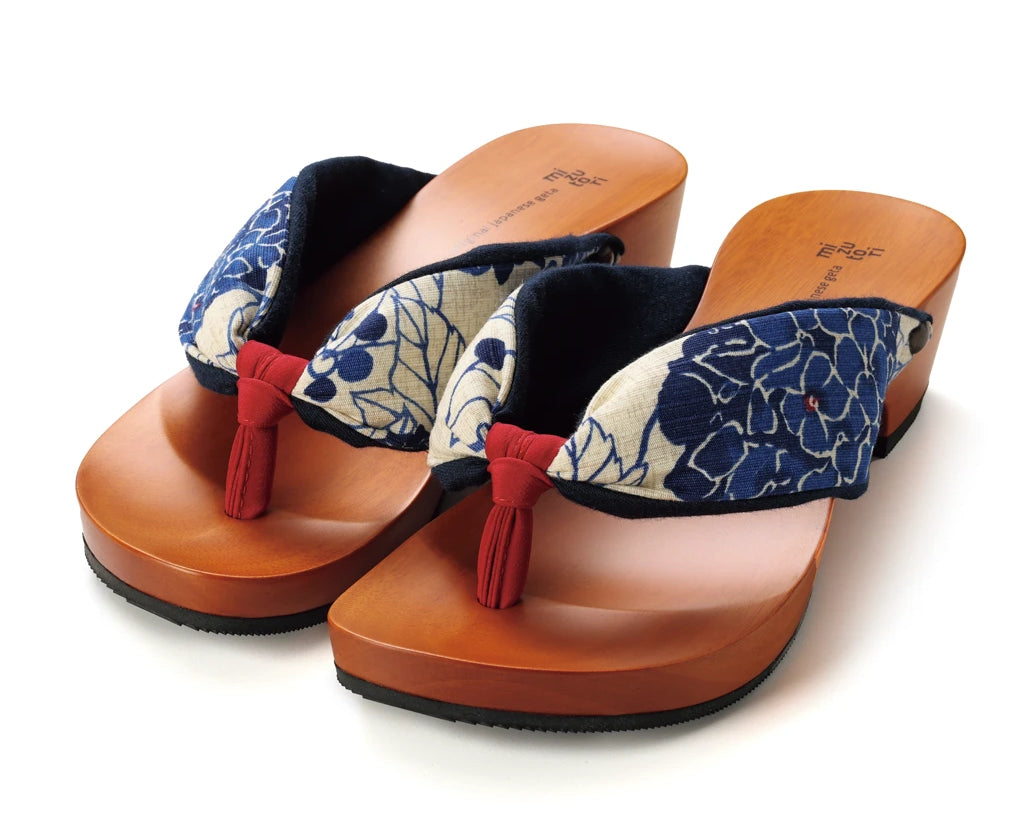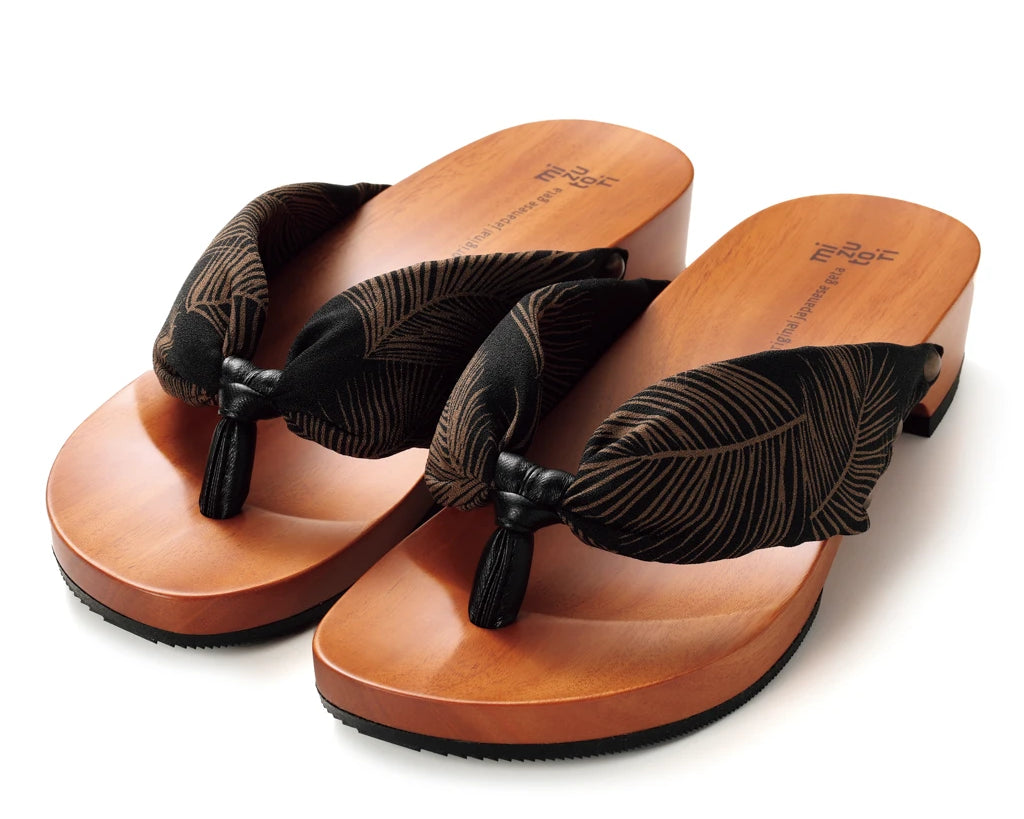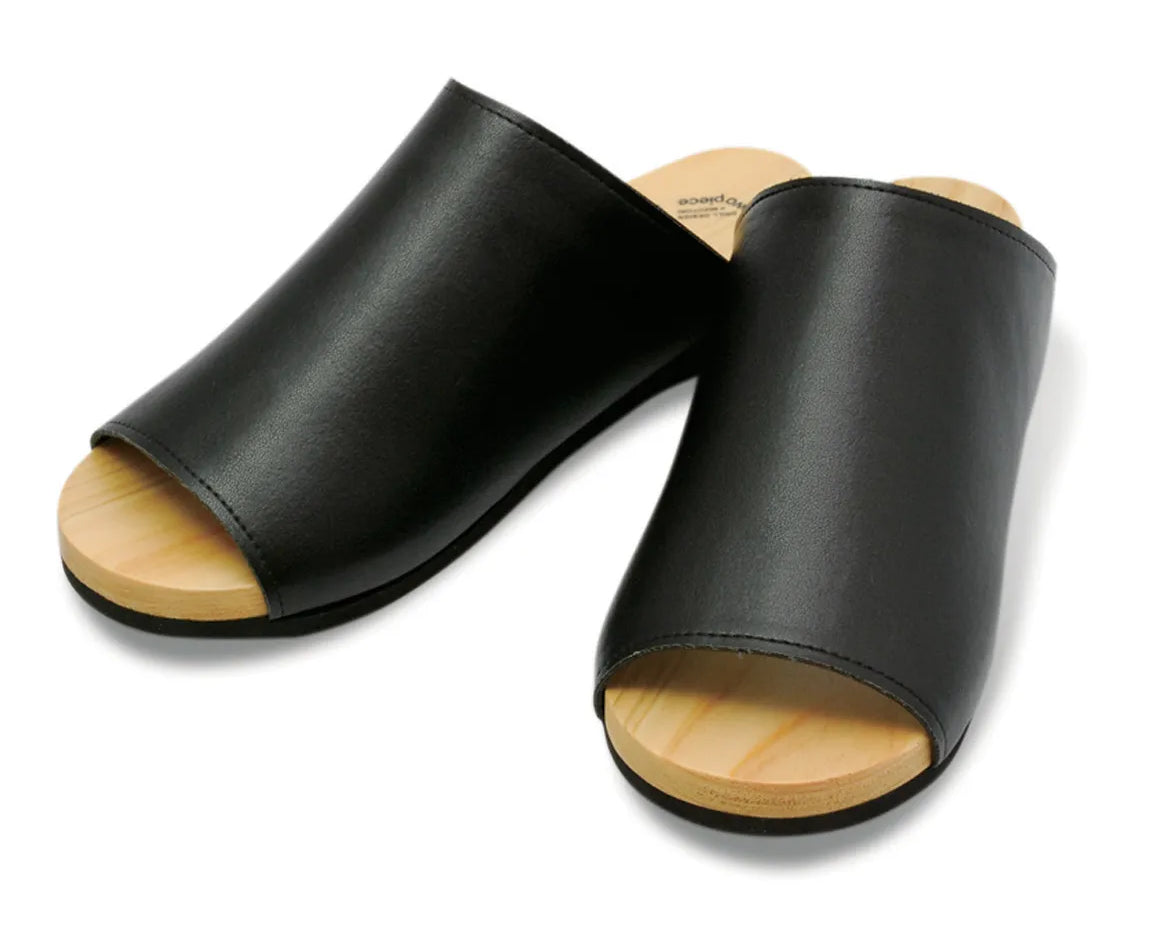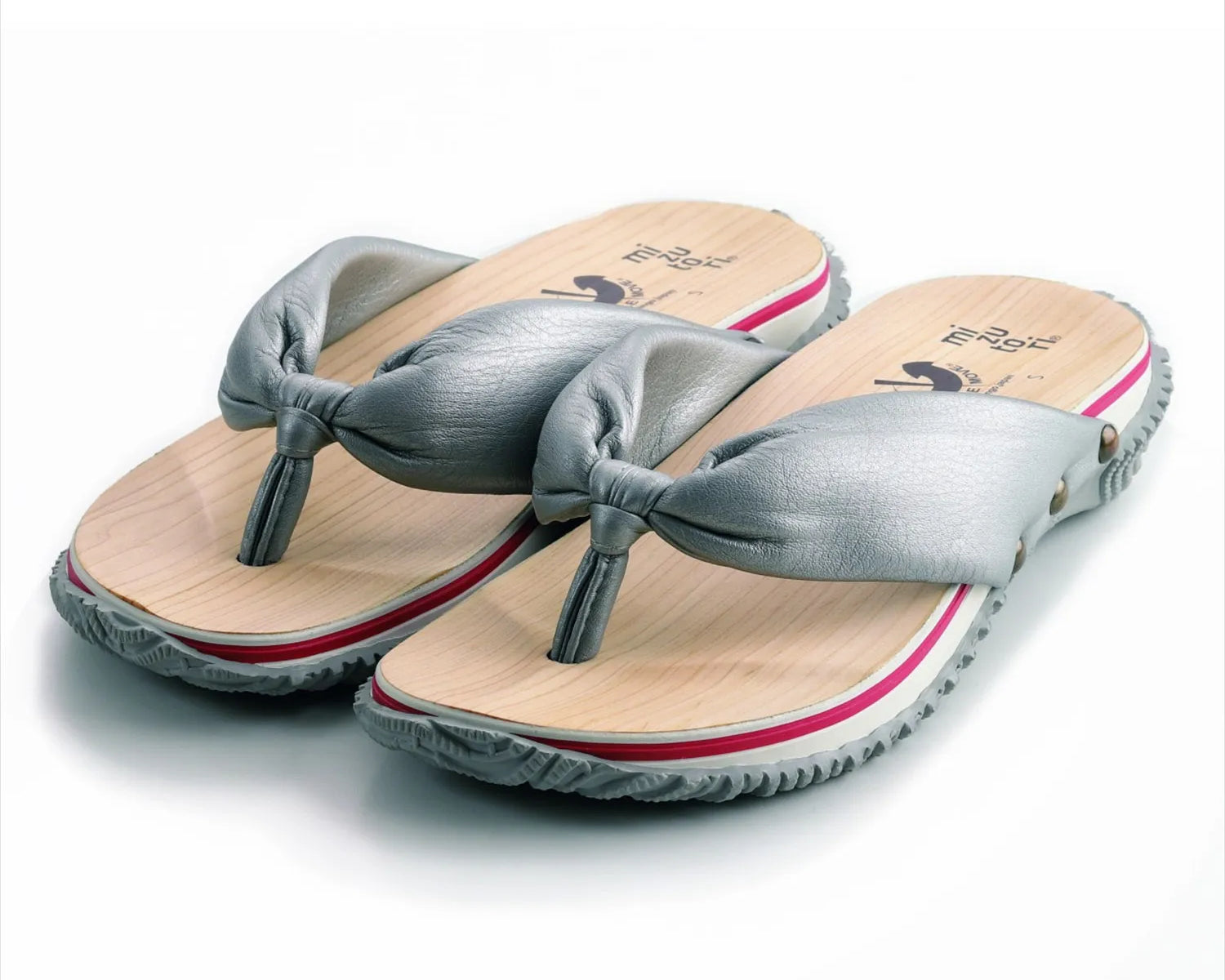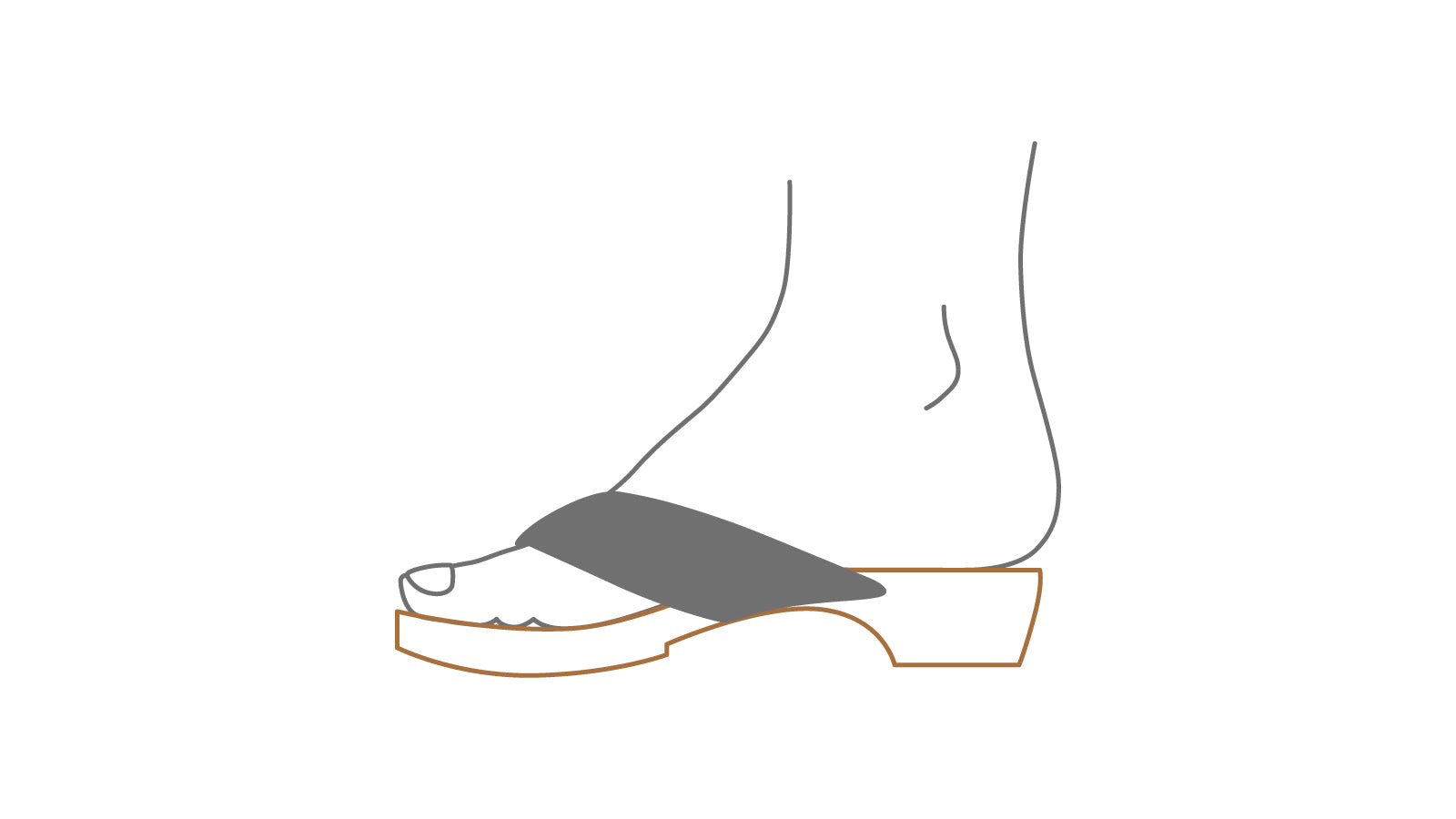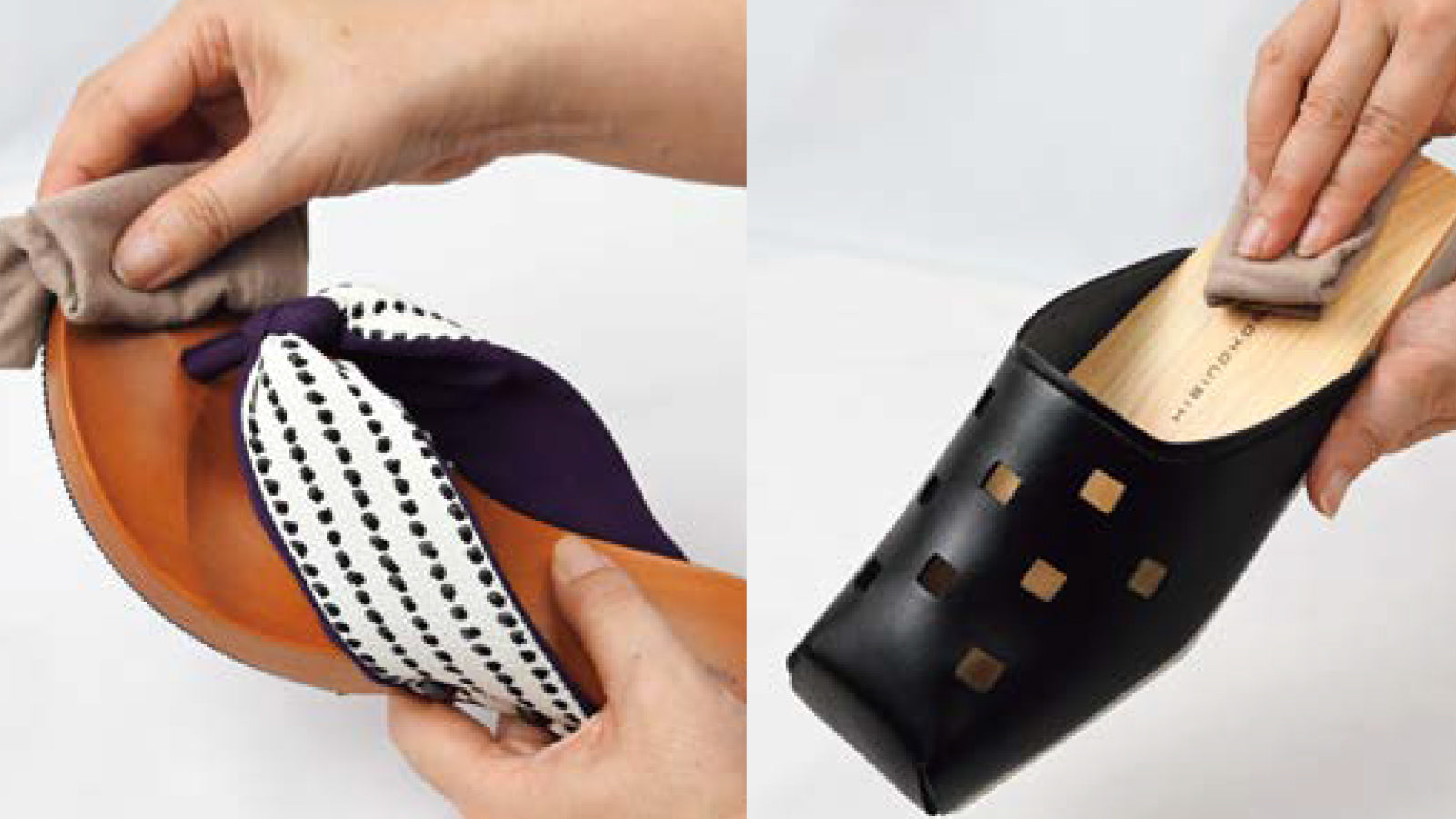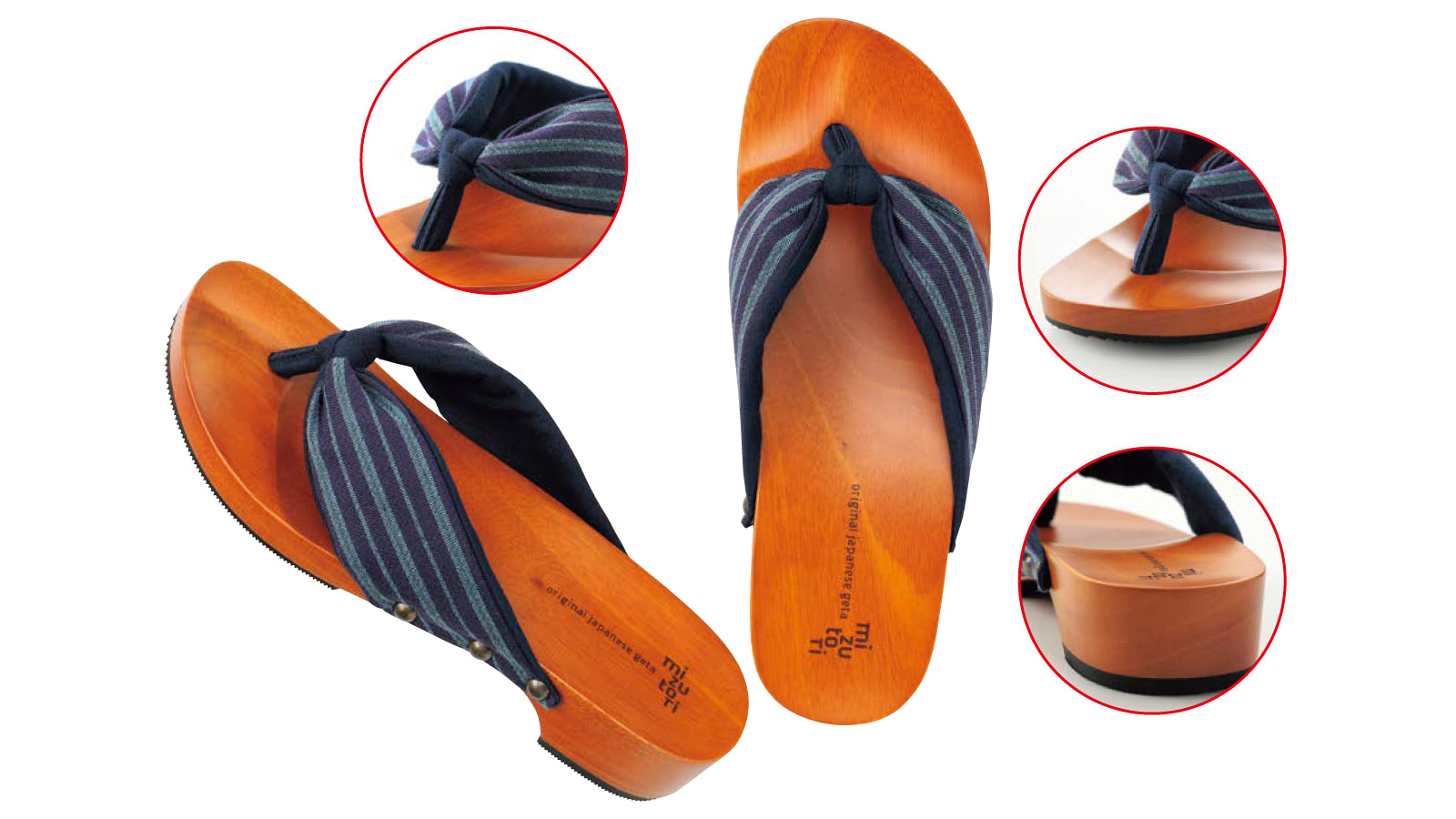
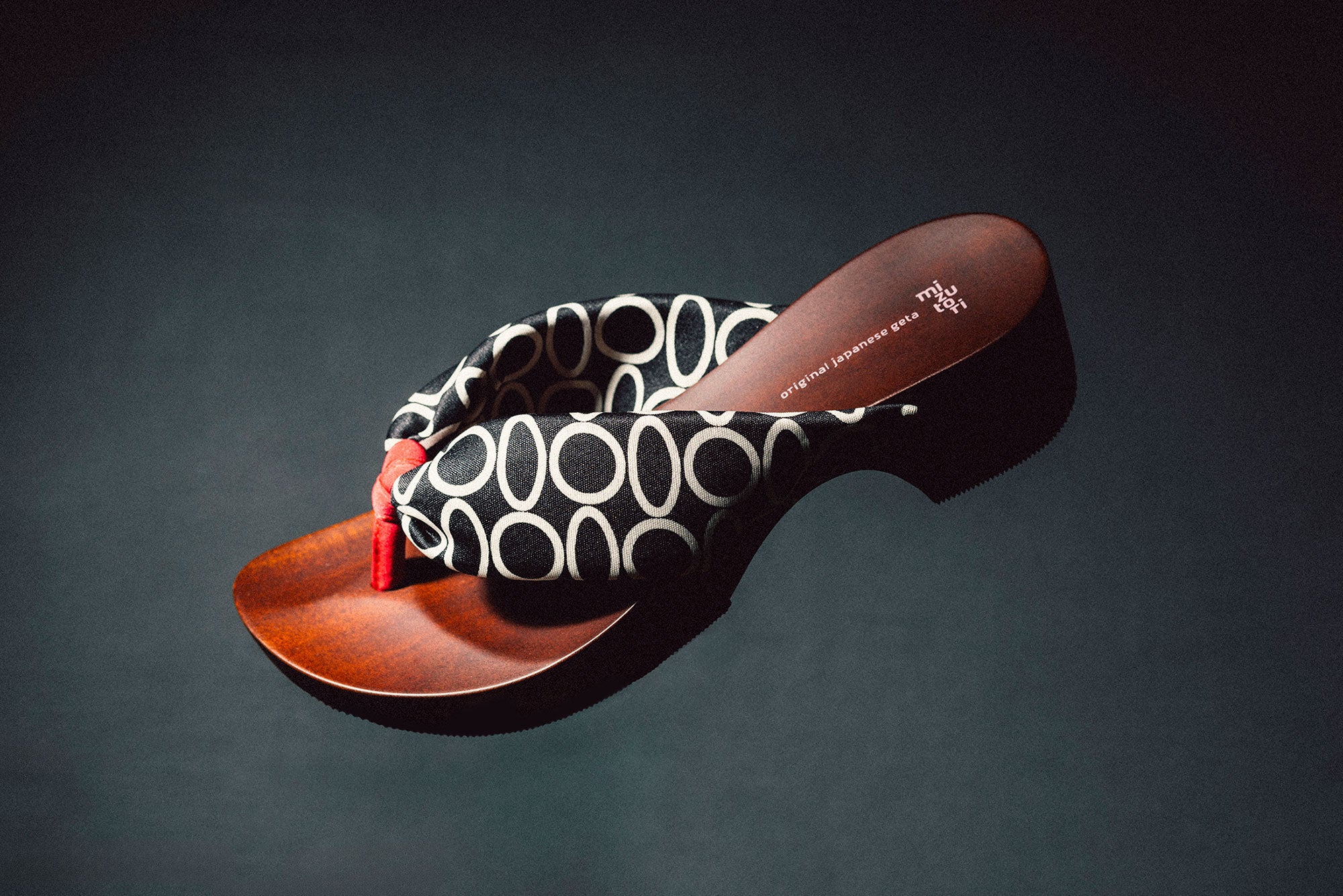

mizutori creates modern Japanese wooden sandals (geta) designed for comfort and everyday wear.
What Is mizutori?
Episode 55
Learning from the Past
— What a Mountain of Prototypes Can Teach Us —
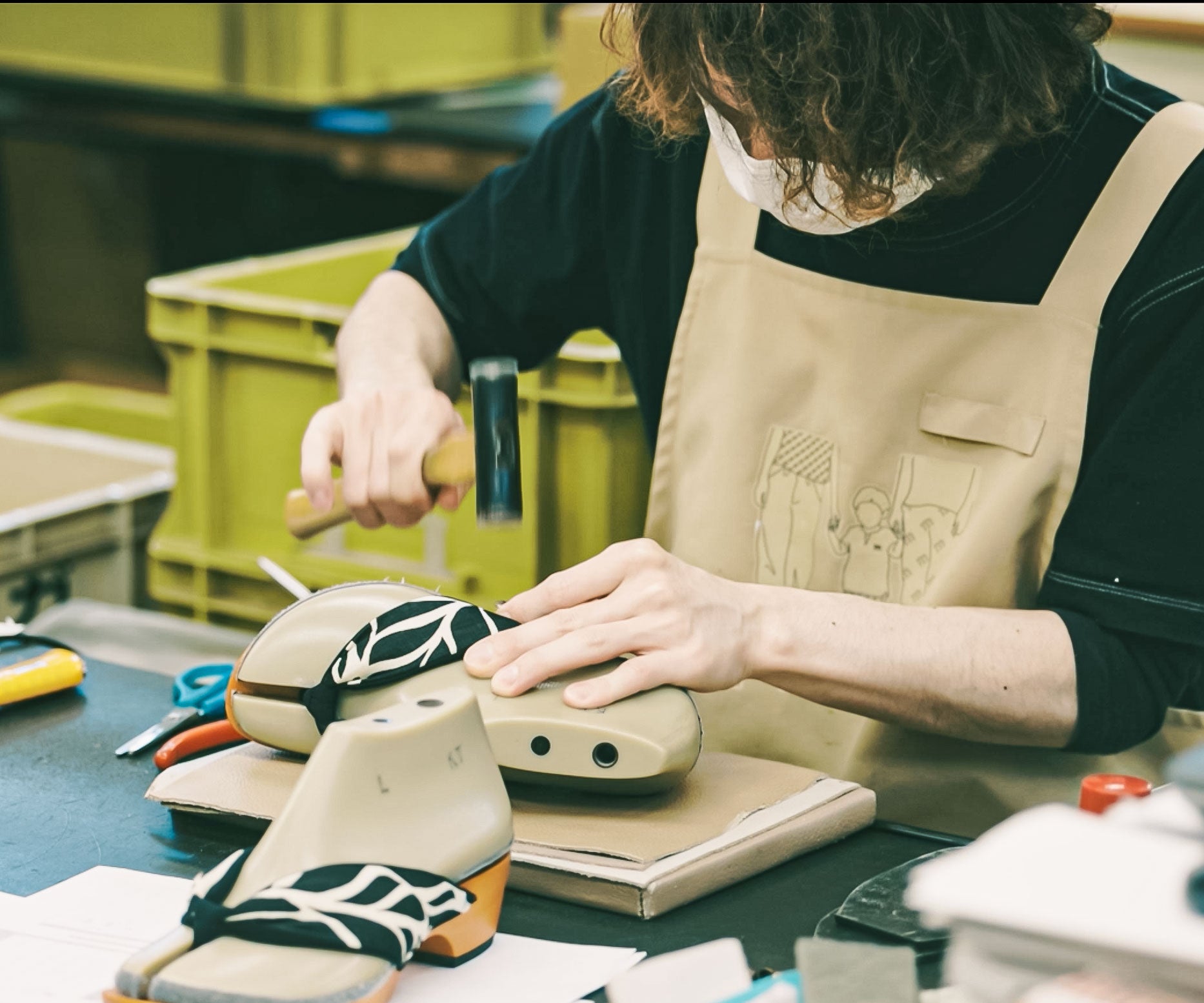
Our workshop is home to countless prototypes.
Whenever we begin developing a new product,
we create prototypes.
We change the color of a hanao strap.
We adjust a shape.
We try different materials.
Very rarely does something turn out exactly as we imagined on the first attempt.
We make a small change and test it.
Then another change,
and another test.
Little by little,
through that process,
a product begins to take shape.
Some prototypes eventually become products.
Others never make it that far.
As a result,
our workshop continues to fill up,
little by little,
with prototypes and paper patterns.
To be honest,
finding space for them has become a challenge.
Some people might wonder,
“If you no longer use them,
why not simply throw them away?”
But for us,
prototypes are not things that can be discarded so easily.
Because they are part of mizutori’s history—
and a valuable record of what we have learned along the way.
Sometimes we pull out a wooden base that was made decades ago
and discover a hint for a new product.
Sometimes an old color combination inspires us.
Sometimes a technical solution from the past
still has something to teach us.
And occasionally,
we discover that an idea we think is new today
was actually explored by someone here many years ago.
That is not unusual at all.
When we trace ideas back through the past,
we often begin to understand
why certain products were never brought to market.
Perhaps the idea was simply ahead of its time.
Perhaps the necessary materials did not yet exist.
Perhaps it was technically too difficult then.
Or perhaps it simply was not needed at the time—
while today,
it may finally be possible
to bring that same idea to life.
Sometimes,
understanding the past
helps us see more clearly
what we should be doing now.
That is why,
for as long as anyone can remember,
we have been told:
“Always keep the prototypes and the patterns.”
And so,
our workshop still holds many prototypes
and paper patterns created long ago.
When a prototype is fully functional
and meets our quality standards,
we occasionally offer it as a limited item
at EnJoy,
a shop in Shizuoka City
run by our managing director.
If you ever have the opportunity to visit Shizuoka,
you may come across
a one-of-a-kind pair of geta
with a hanao design that never appeared in our catalog,
or a slightly unusual design
that exists nowhere else.
Of course,
the reality is not always so simple.
We want to keep them somewhere easy to access.
But we do not use them every day.
And if we store them too far away,
we risk forgetting they are even there.
For years,
this has been an ongoing struggle in the workshop.
We would love to create dedicated shelving
and organize everything properly.
It remains one of the goals
we hope to achieve.
But like many things,
it is difficult to find the time.
Much like organizing a house,
we know it would be better
to do it now—
yet in reality,
that is often easier said than done.
Even so,
I hope that one day
we can properly organize everything
and give these prototypes
a chance to play a role once again.
If, someday,
we are able to welcome more visitors
through factory tours
or hands-on workshop experiences,
I am sure they will have
an important part to play there as well.
These prototypes never became products,
but each one contains
a challenge,
an experiment,
or an idea
someone once believed in.
Together,
the successes and failures alike
form part of mizutori’s story.
That is why
we continue to keep them.
And perhaps,
if you visit our workshop someday,
among the prototypes
that never became products,
you may discover a hint
that eventually helped shape
a future product.