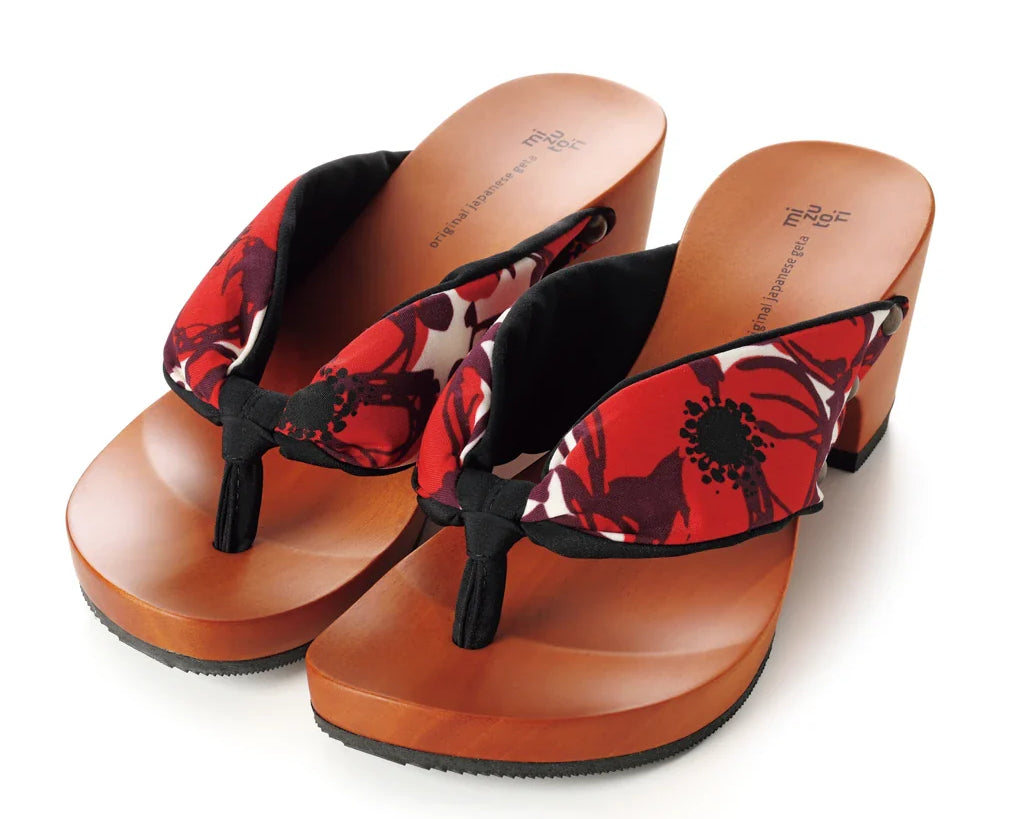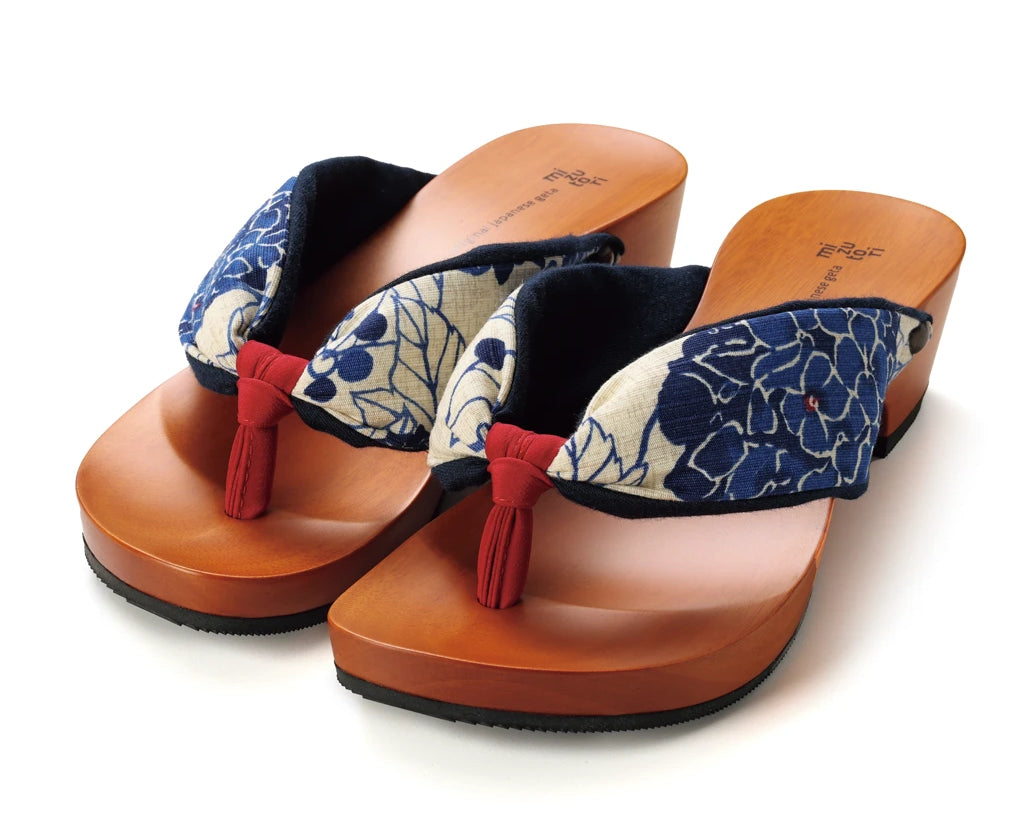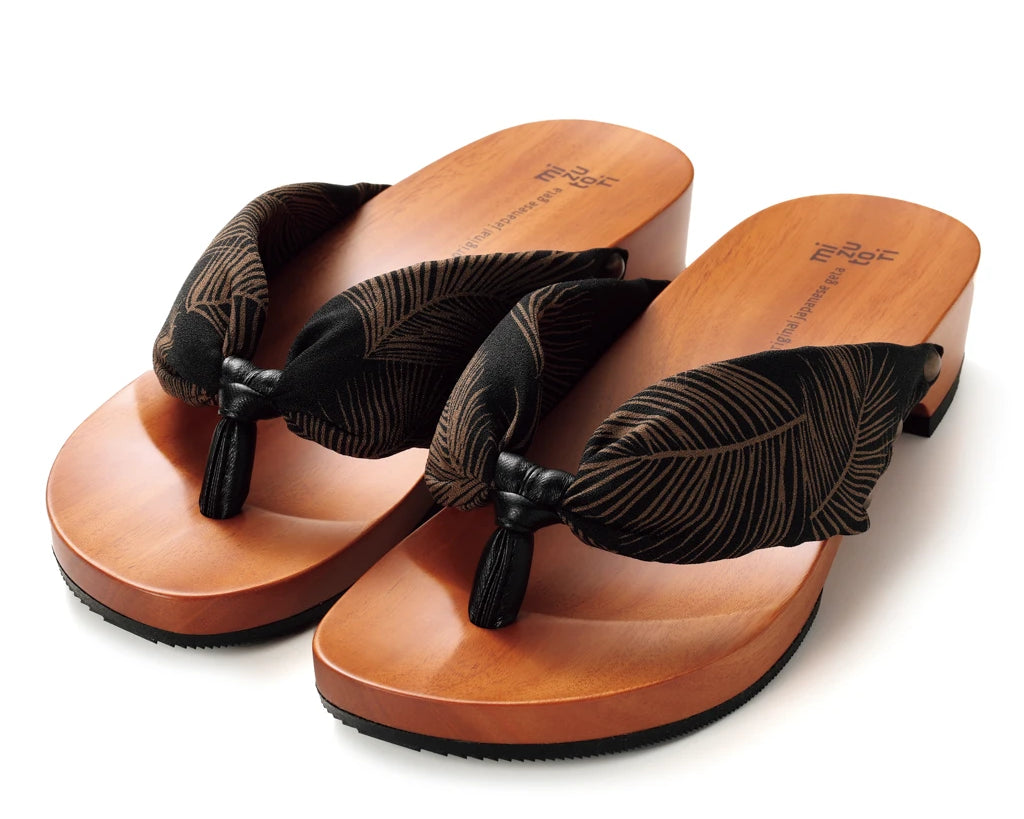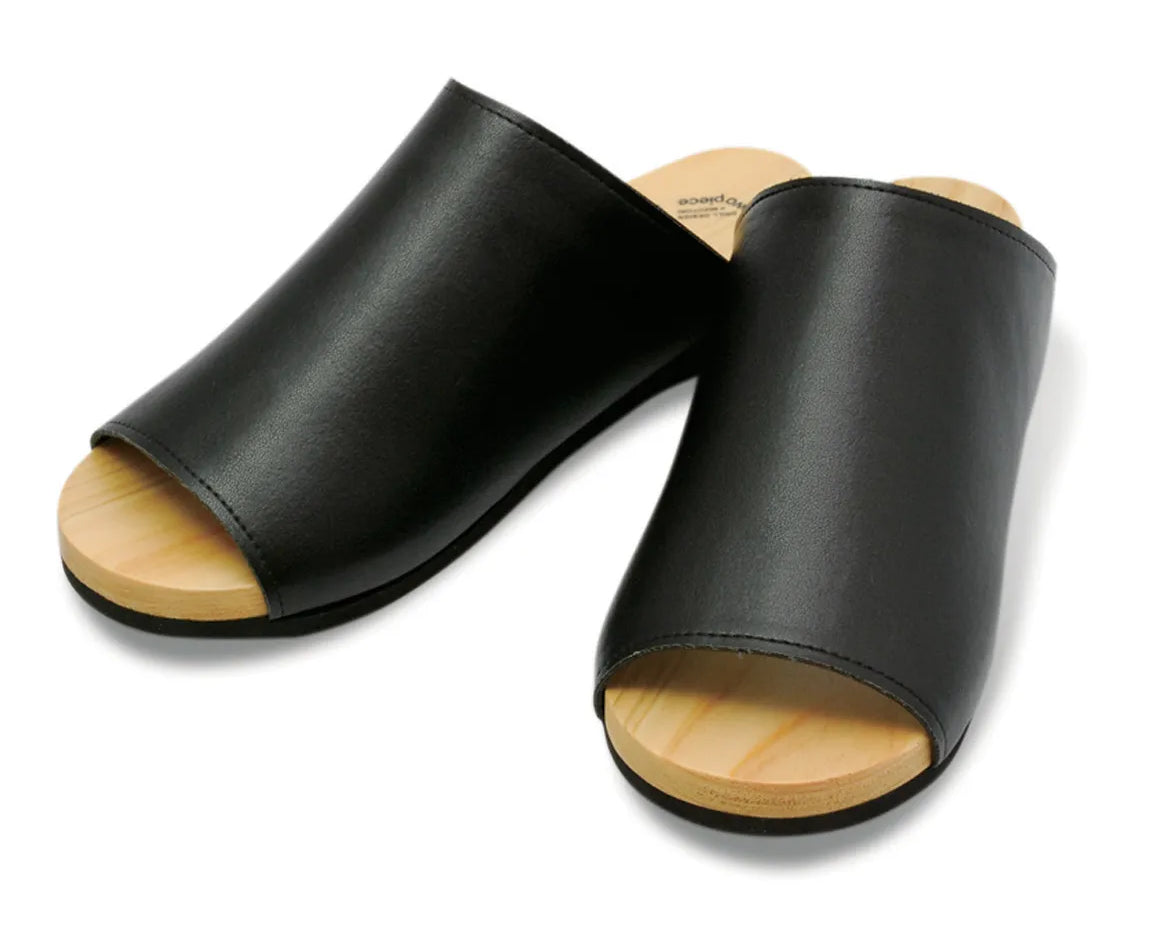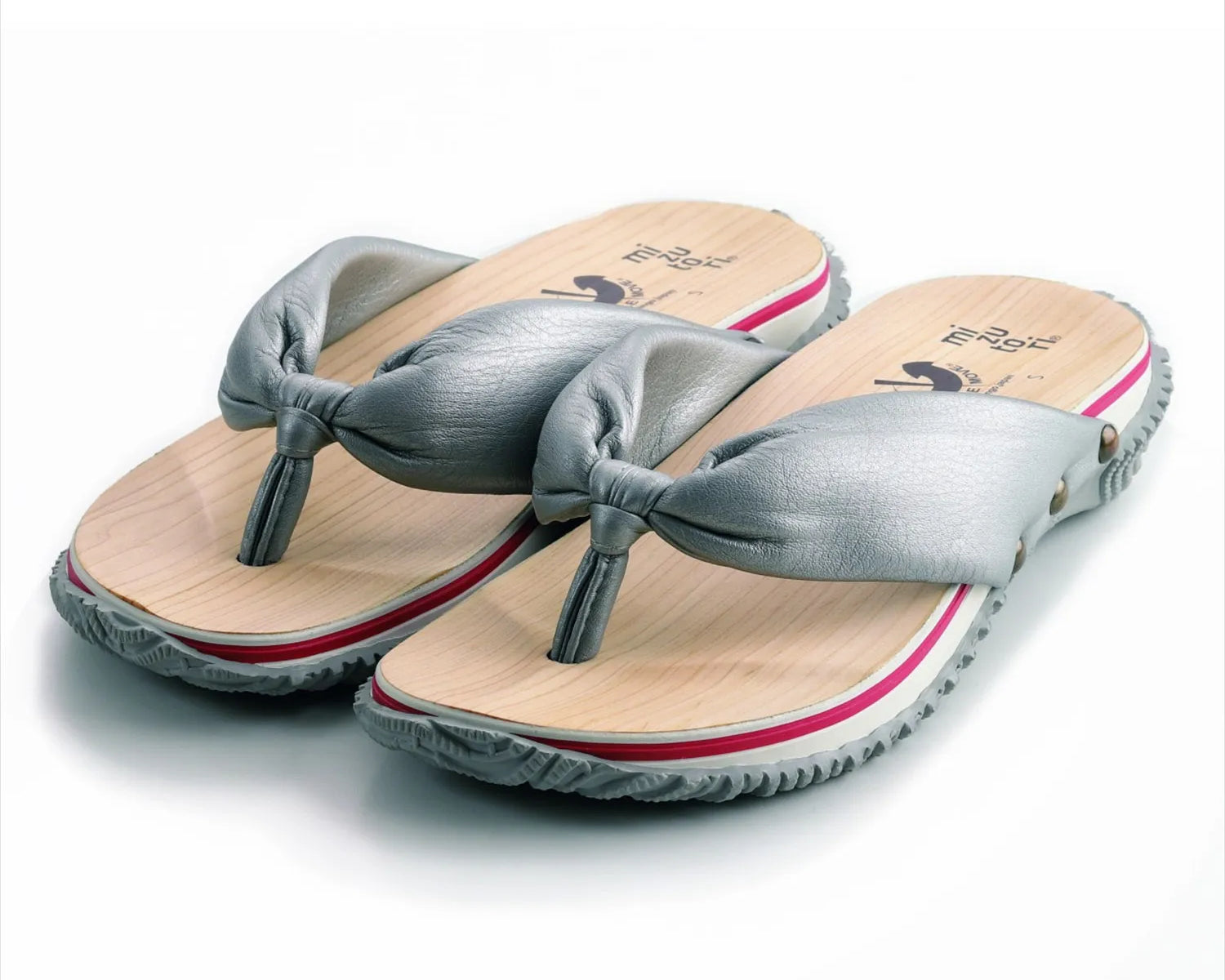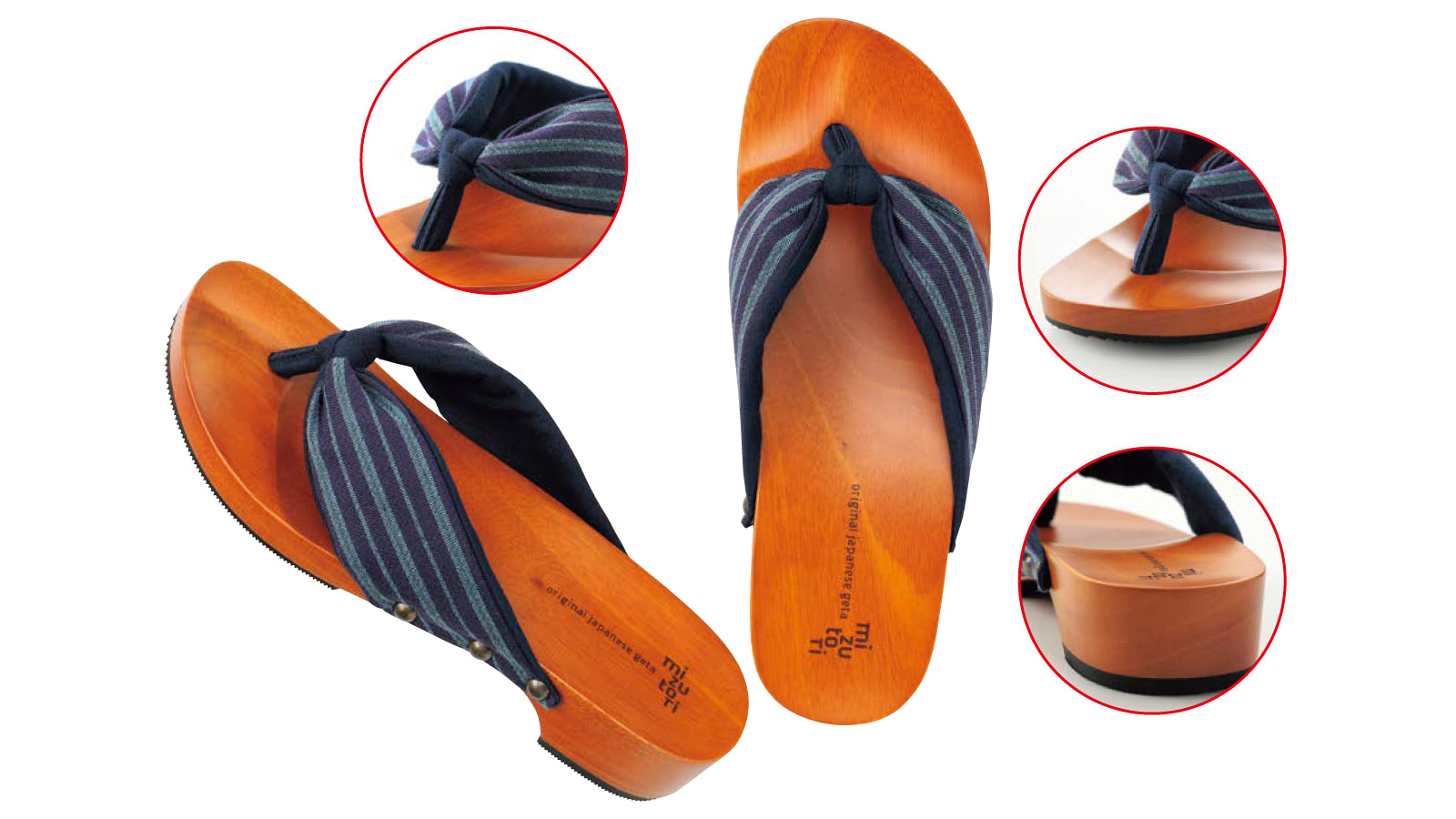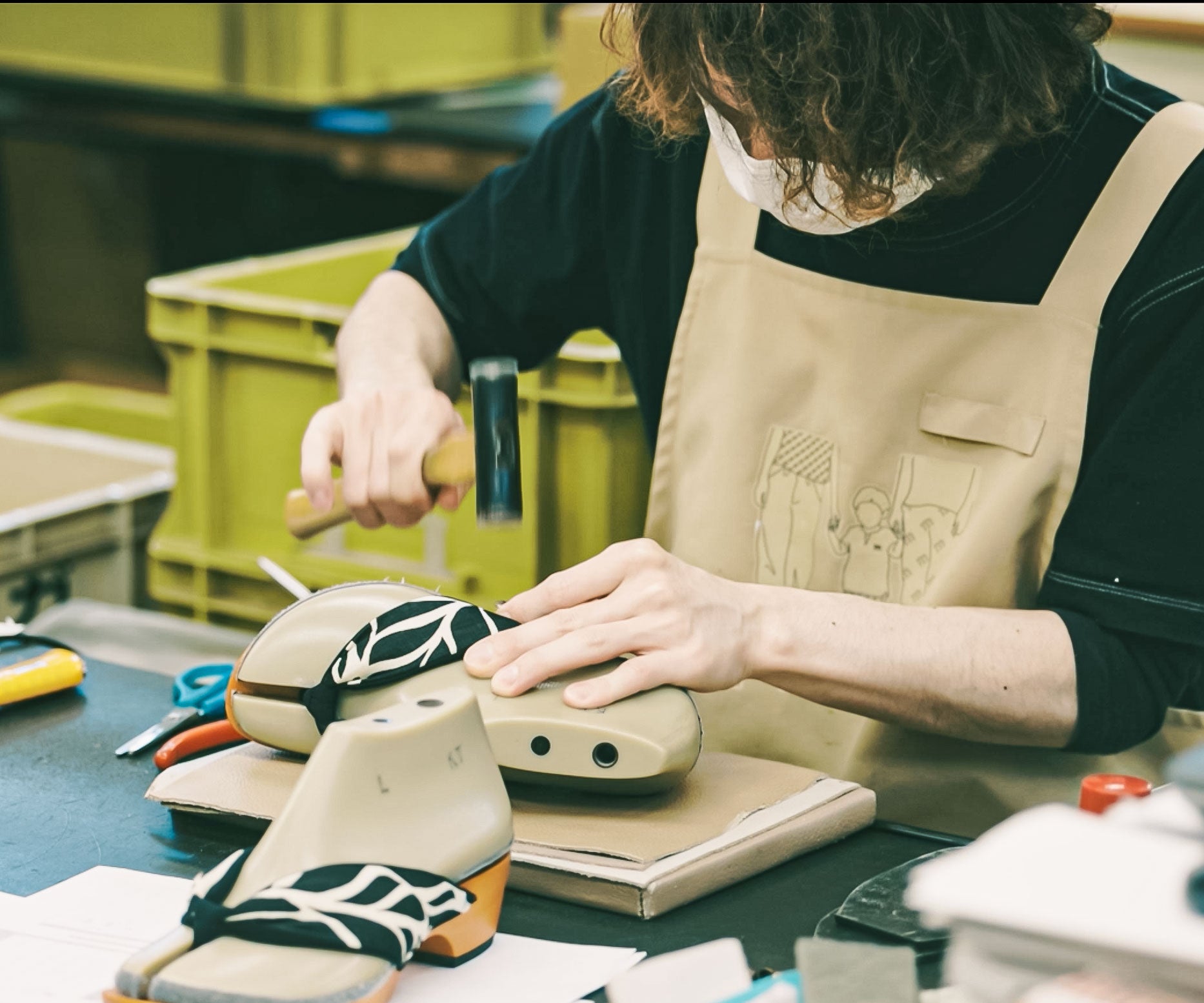


mizutori creates modern Japanese wooden sandals (geta) designed for comfort and everyday wear.
Episode 24
Carrying Crafting Hands into the Future — The People Behind mizutori

mizutori’s geta are not made within a single factory alone.
They are sustained by a culture of specialization —
woodworking, lacquering, hanao strap preparation, sole processing —
each stage entrusted to skilled hands.
Within every workshop lives knowledge shaped by years of experience:
technique, intuition, and quiet mastery that give form to a single pair of geta.
Yet today, those hands are slowly diminishing.
There are fewer successors to inherit the craft.
Even when there is a desire to teach, it becomes difficult to continue without a stable foundation for living.
Facing this reality, mizutori, too, must look directly at the future of craftsmanship.
More Than Making Products
What we value is not simply the act of producing goods.
It is about connecting the culture of geta to contemporary life.
To do so, we must protect an environment where those who create can work with stability and dignity.
This includes clearly communicating how our work differs from mass production.
Through collaborations and continued storytelling, we strive to share the appeal of craftsmanship that does not cut corners.
And we continue to sell our products at prices that properly reflect the labor involved.
Fair pricing is not merely a business decision —
it is a way of protecting the pride of the people who make them.
The Quiet Reality of the Workshop
The production floor is far from glamorous.
Each day is a process of careful trial and error:
How can quality be maintained while improving efficiency?
It is steady, patient work.
Yet there is a profound reward in creating something with one’s own hands —
something that will quietly accompany someone’s daily life.
That tangible sense of contribution is the true fulfillment of this work.
Preparing for the Next Generation
At mizutori, we are also preparing to welcome the next generation of crafting hands.
It is not easy work.
But we hope that those with curiosity — those who can even find meaning in the challenges of craftsmanship — will step into this world.
To know that each action we take supports local industry —
that quiet pride sustains mizutori today, and sustains Japanese craftsmanship as a whole.
As long as there are people who value the stories and culture behind the products,
mizutori will continue, steadily and carefully, to carry Japanese craftsmanship into the future.