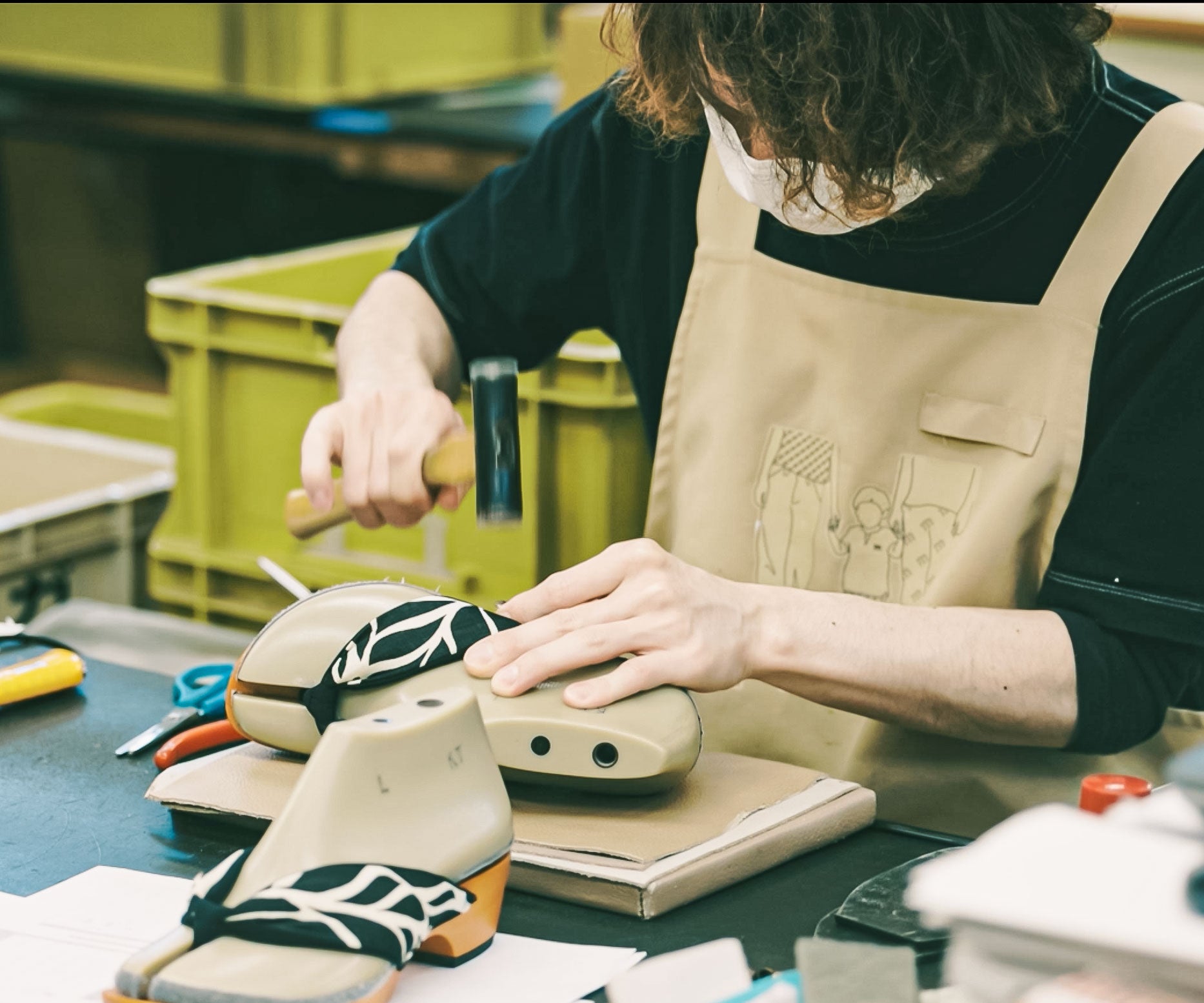
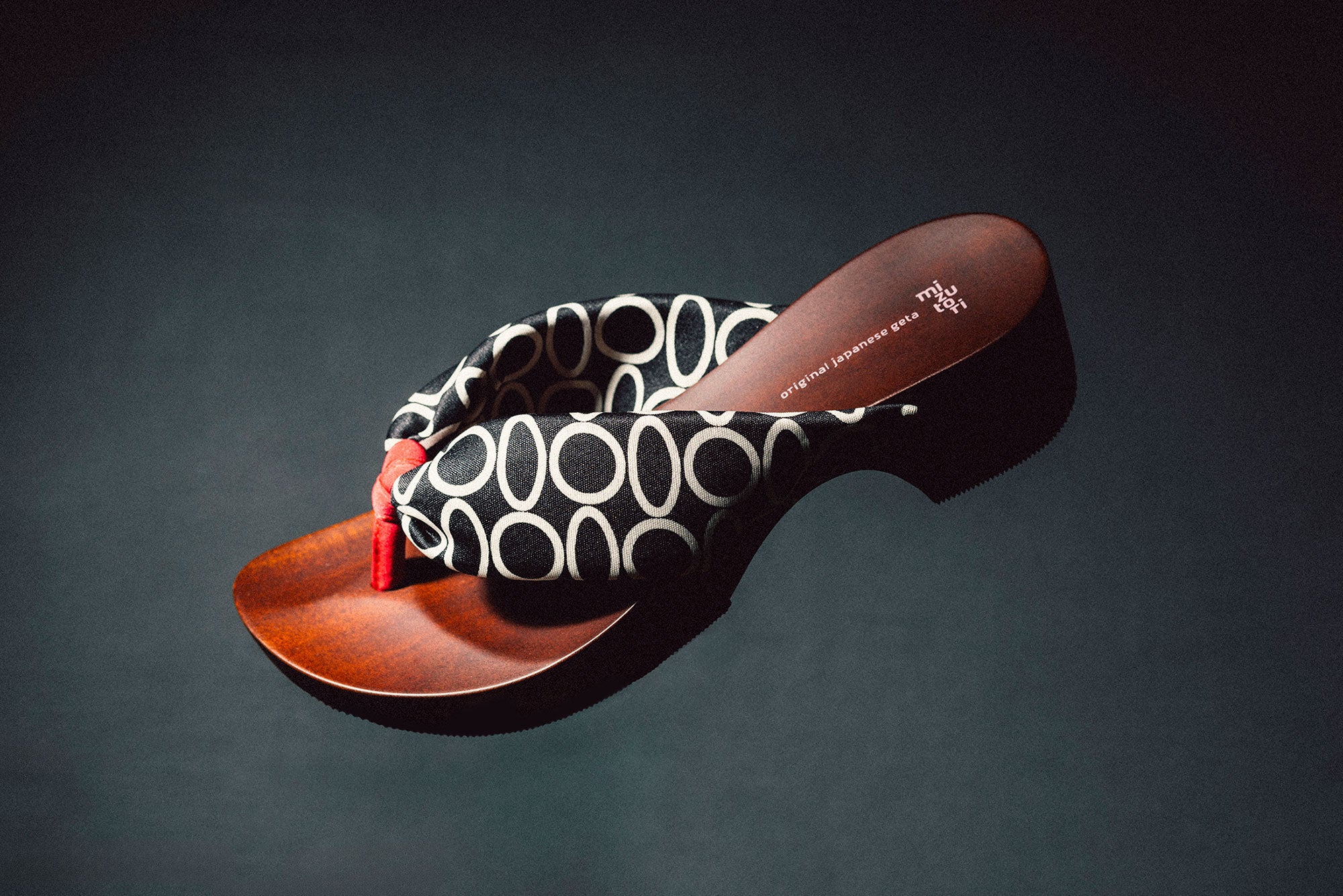

Geta, traditional Japanese clogs, have been a part of Japanese life since ancient times.
They have continuously evolved over a long period, always remaining close to people's daily lives.
Geta have gradually changed their form to match the environment and culture of each era, and have been handed down as a presence that accompanies daily life.
Forms developed through daily life
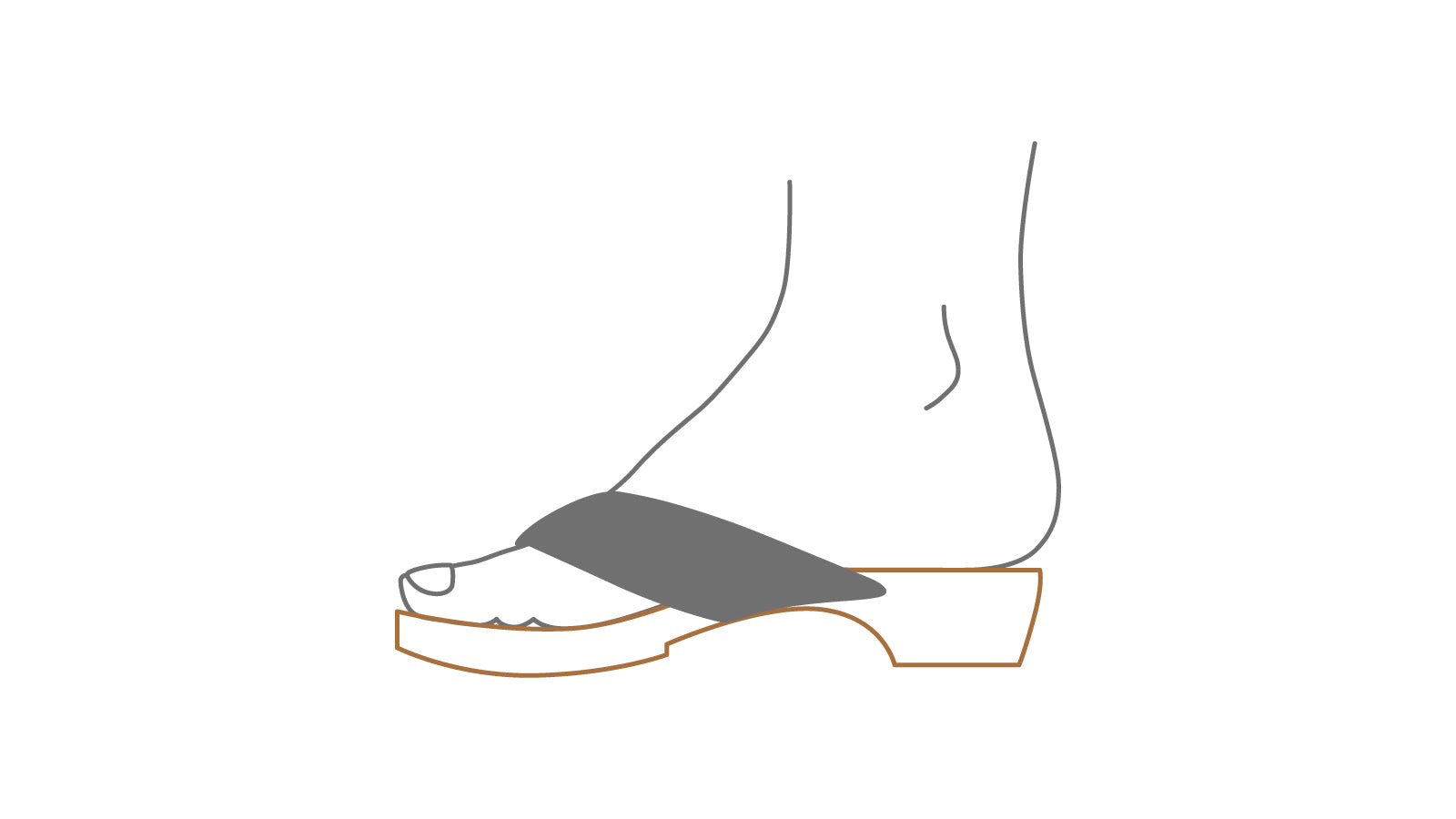
In an era when roads were not yet well-maintained, the ground was often muddy and wet, and walking conditions were far from ideal.
It was in such circumstances that geta with "teeth" were created.
This was an ingenious way to keep feet elevated from the ground, allowing people to walk while avoiding mud and water.
Furthermore, various forms emerged depending on the region and purpose.
For example, tall geta suitable for rainy days, stable ones for walking in town, and shapes usable on snow, among others, were devised to suit each lifestyle, and these ingenious forms have been passed down.

Changing roles with the times
As paved roads became widespread and footwear options increased, the role of geta gradually began to change.
From practical footwear, they transitioned into being a part of one's attire.
They began to be incorporated not only with yukata and kimono but also into everyday wear, and their positioning evolved into something more flexible.
By re-evaluating comfort and ease of walking, geta have evolved into forms suitable for modern life.
mizutori: Adapting to modern life
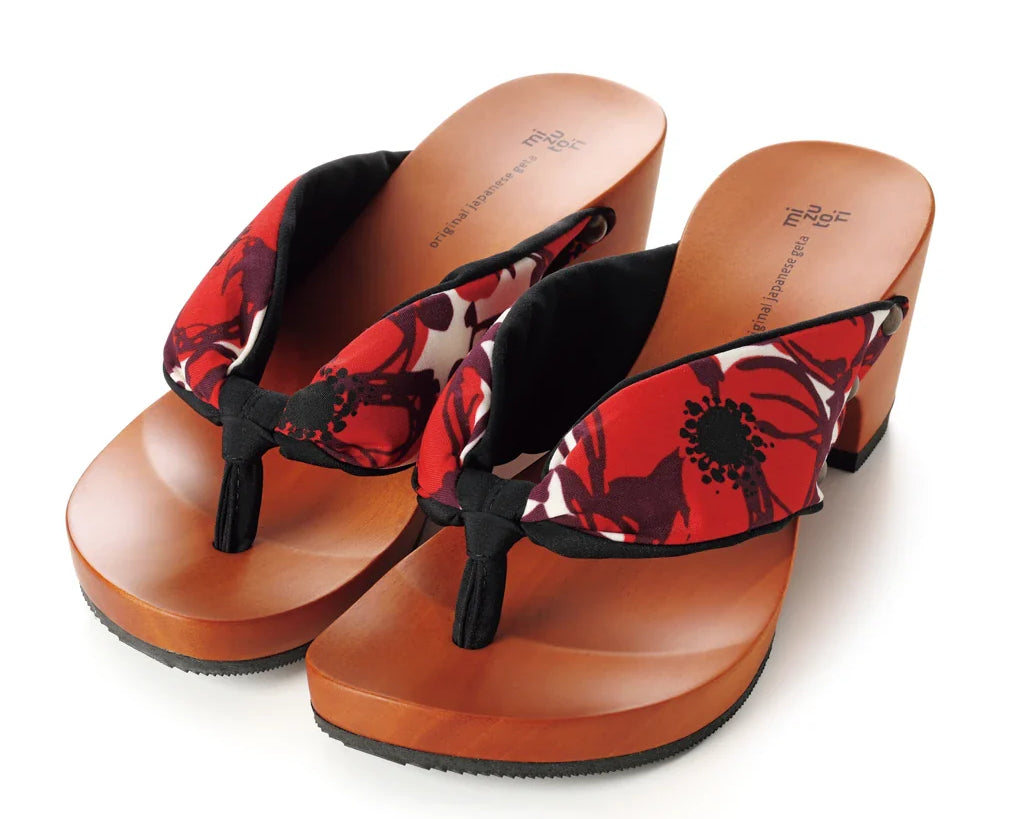
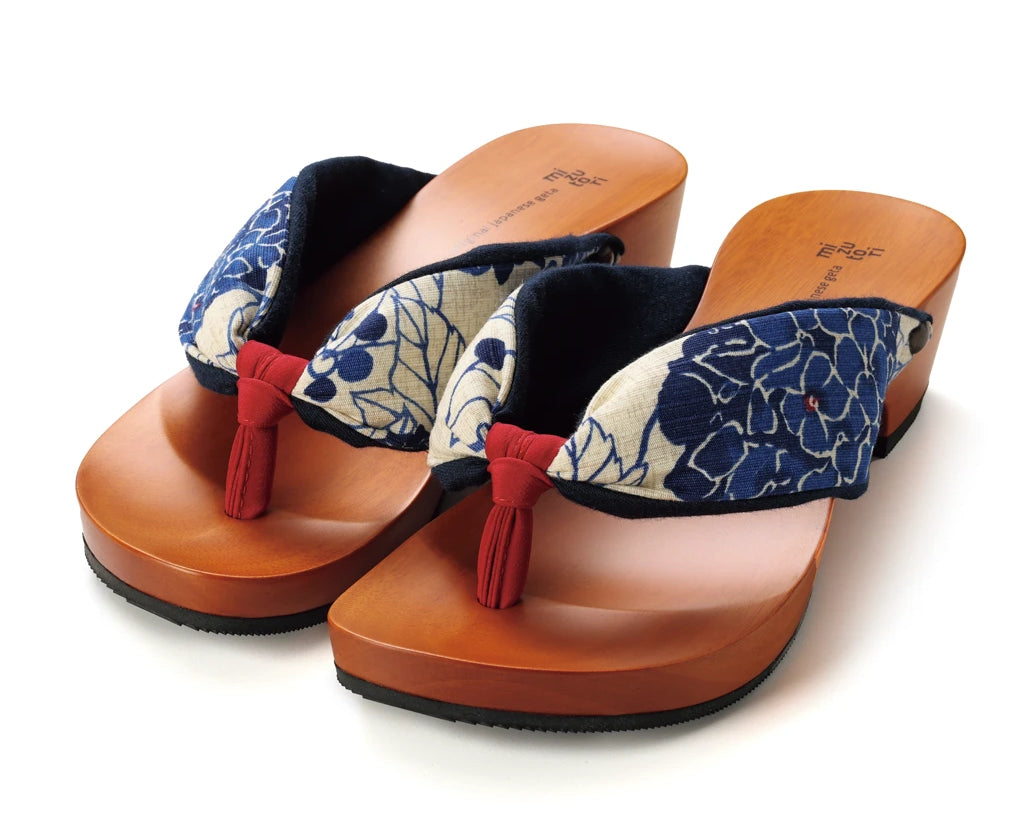
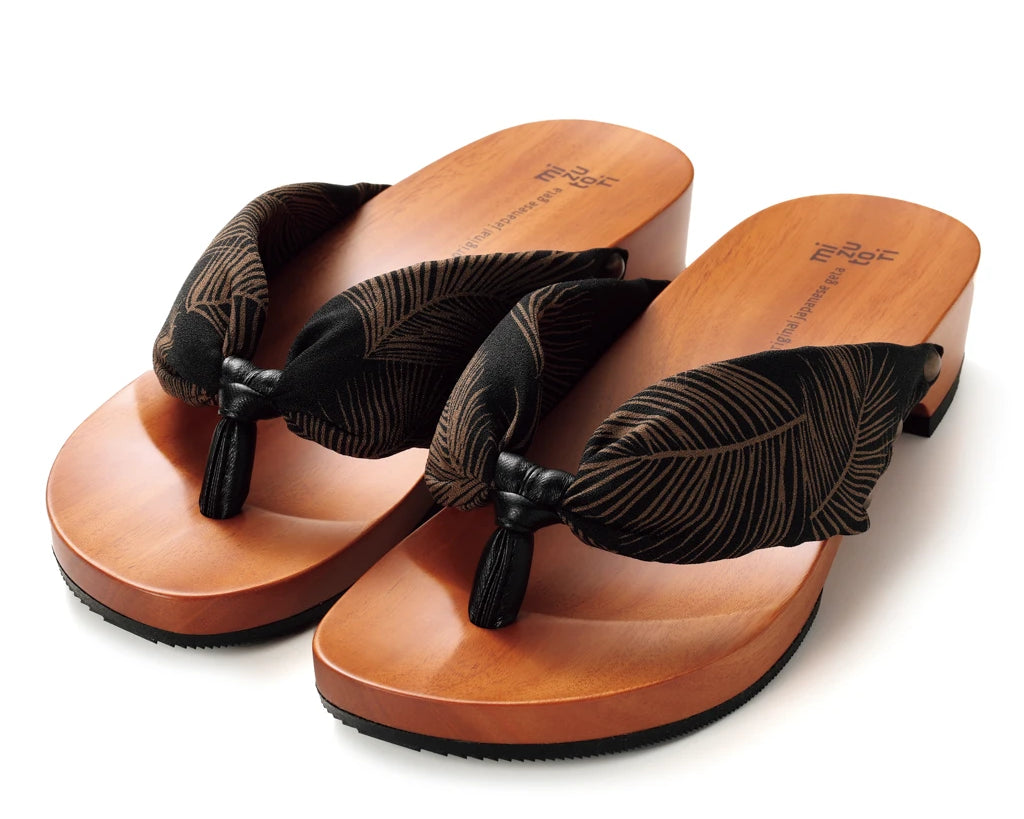
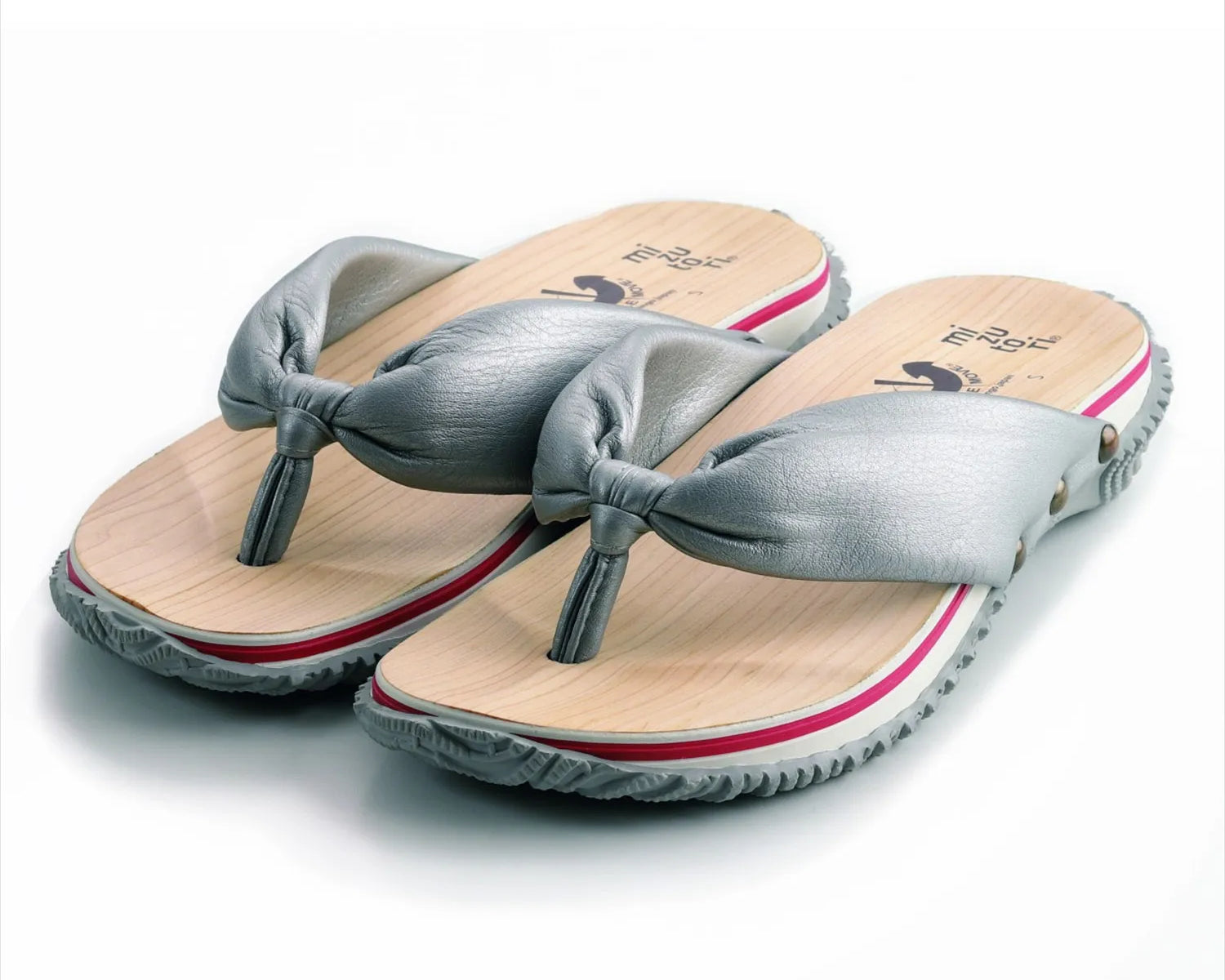
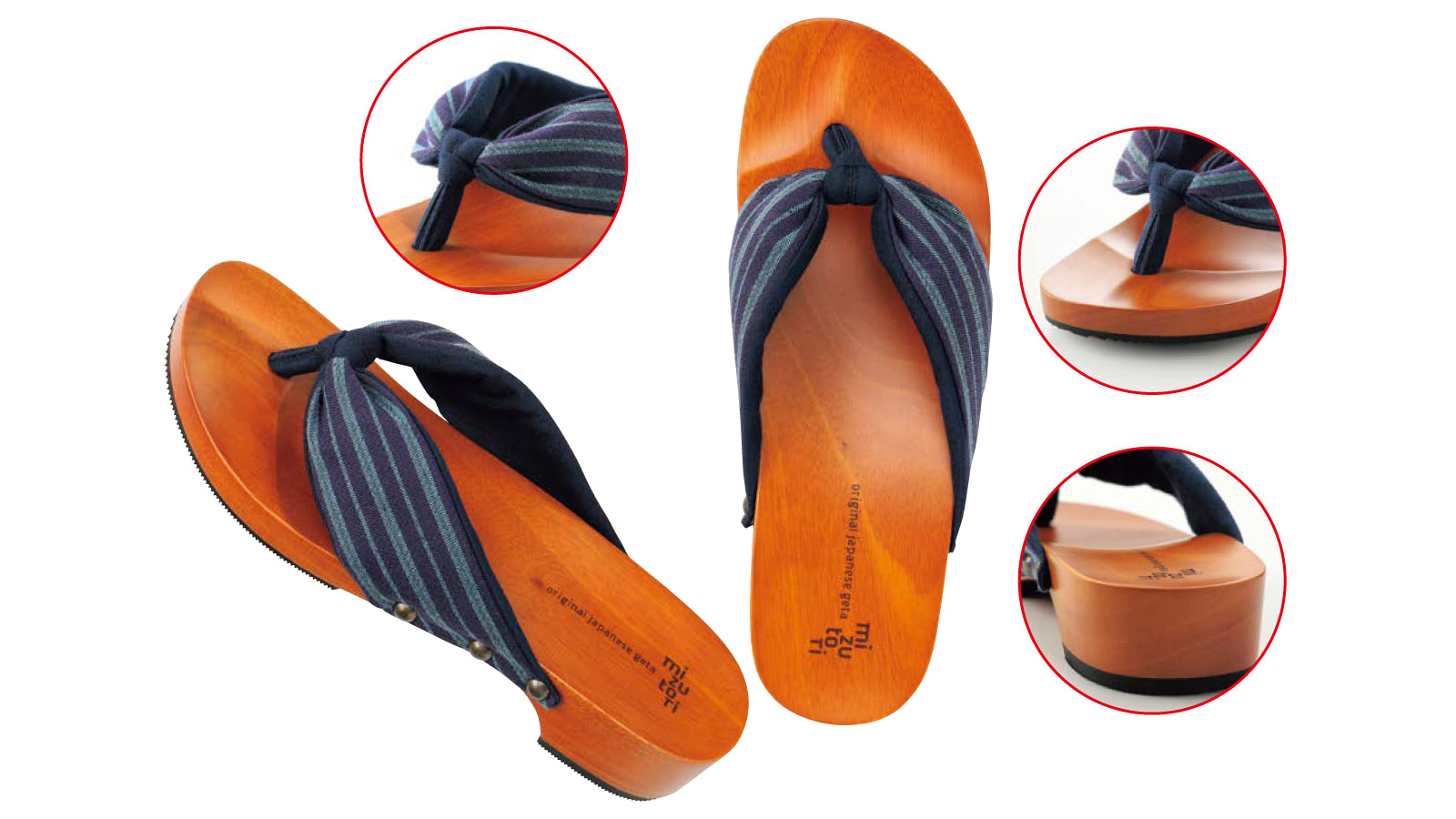
mizutori geta are "geta that fit modern life," born out of this trend.
With shapes that gently fit the feet and designs that prioritize ease of walking, they have been perfected into footwear that can be easily incorporated into daily life.
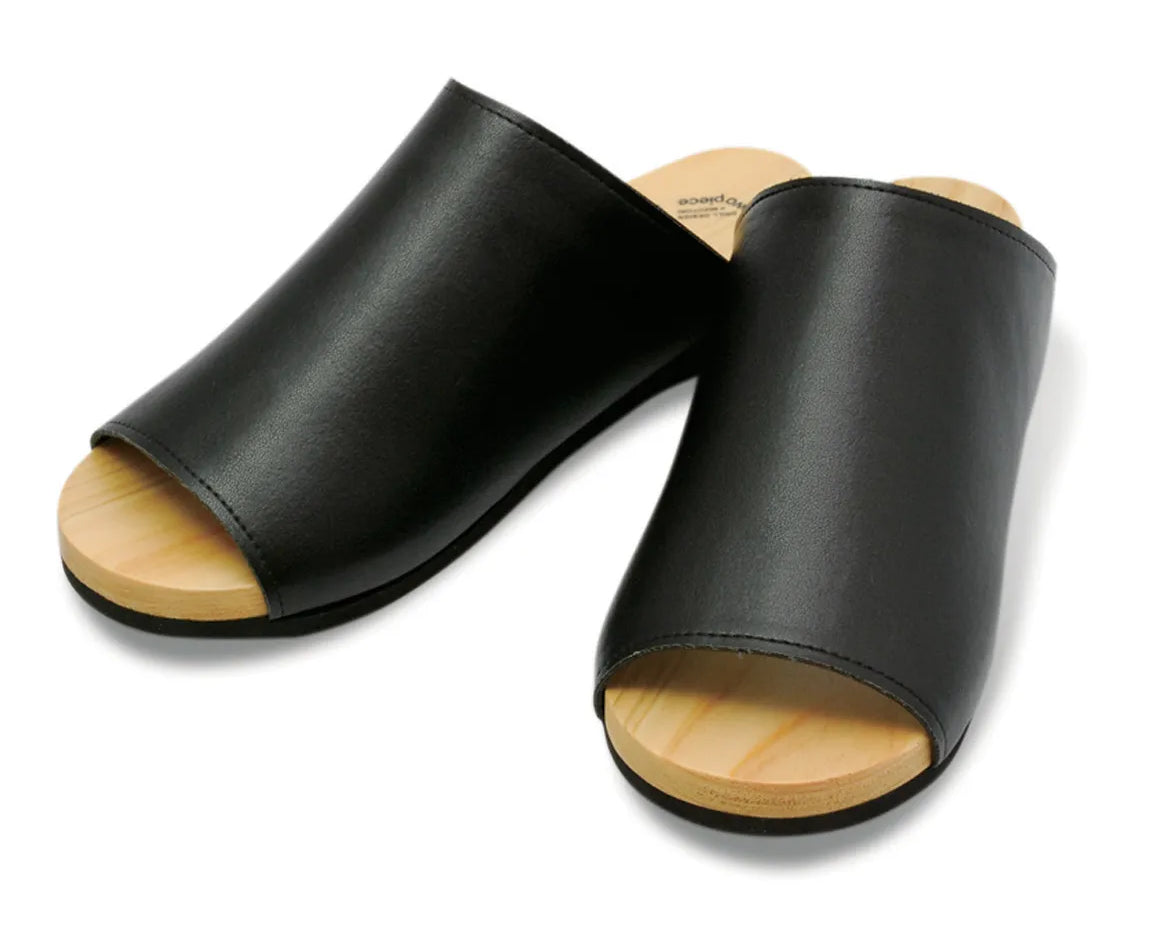
Furthermore, by devising designs that are easy to pair with Western clothing and carefully selecting materials, mizutori aims to create a presence that naturally blends into daily life.

Footwear that accompanies daily life
Geta are not just for special occasions; they are footwear that has been used in daily life.
While changing their appearance with the times, they have supported people's lives from the ground up.
Perhaps they will continue their role quietly, adapting to the ways of life.
As a presence that gently accompanies your feet,
geta will continue to be a part of daily life.