
Interest in foot health and walking mechanics has grown significantly in recent years.
As people have become more aware of how footwear may influence comfort and foot function, a variety of products have been developed with these ideas in mind. One term that is sometimes used in this context is "Health Geta."
The term "health geta" is sometimes used to describe geta that are designed with consideration for toe movement, walking mechanics, foot comfort, and everyday wearability.
Although it is not a formally defined category, the term is commonly used to distinguish geta that place particular emphasis on foot function, walking comfort, and ease of use.
Why Are They Called Health Geta?
Geta have been worn in Japan for centuries as traditional footwear.
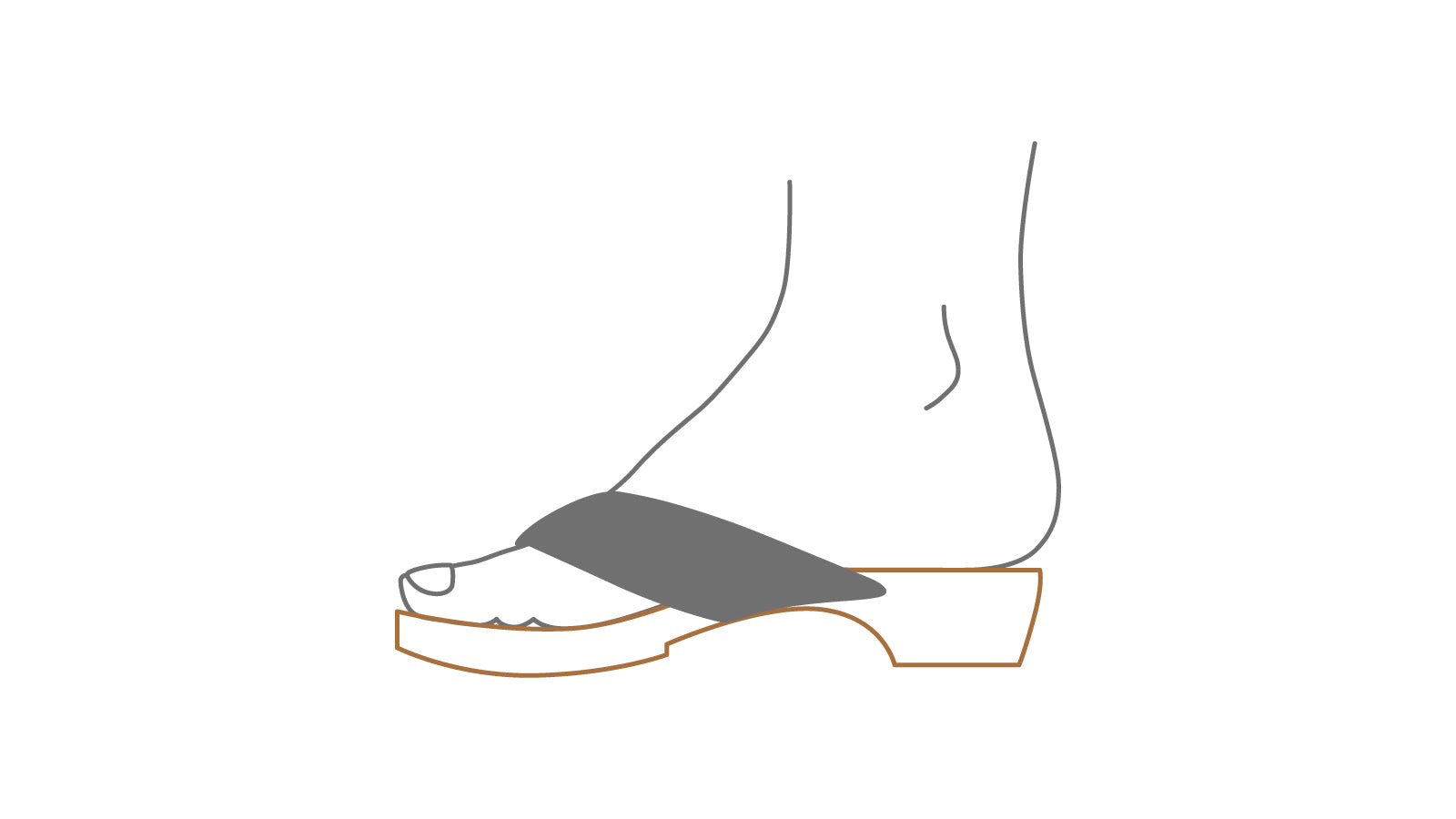
Traditional thong-style geta naturally encourage the toes to engage while walking, and the simple structure allows the foot to move more freely than many enclosed shoes.
For this reason, geta have attracted attention in discussions about foot function and walking mechanics.
Research in fields such as biomechanics, rehabilitation, and sports science has also increased interest in how toe function and walking contribute to overall movement.
Against this background, the term "health geta" has come to be used for certain types of geta designed with these considerations in mind.
Different Types of Health Geta
There is no single standard that defines health geta.
The term may refer to a variety of footwear, including:
- Single-tooth training geta
- Balance-oriented geta
- Walking-focused geta
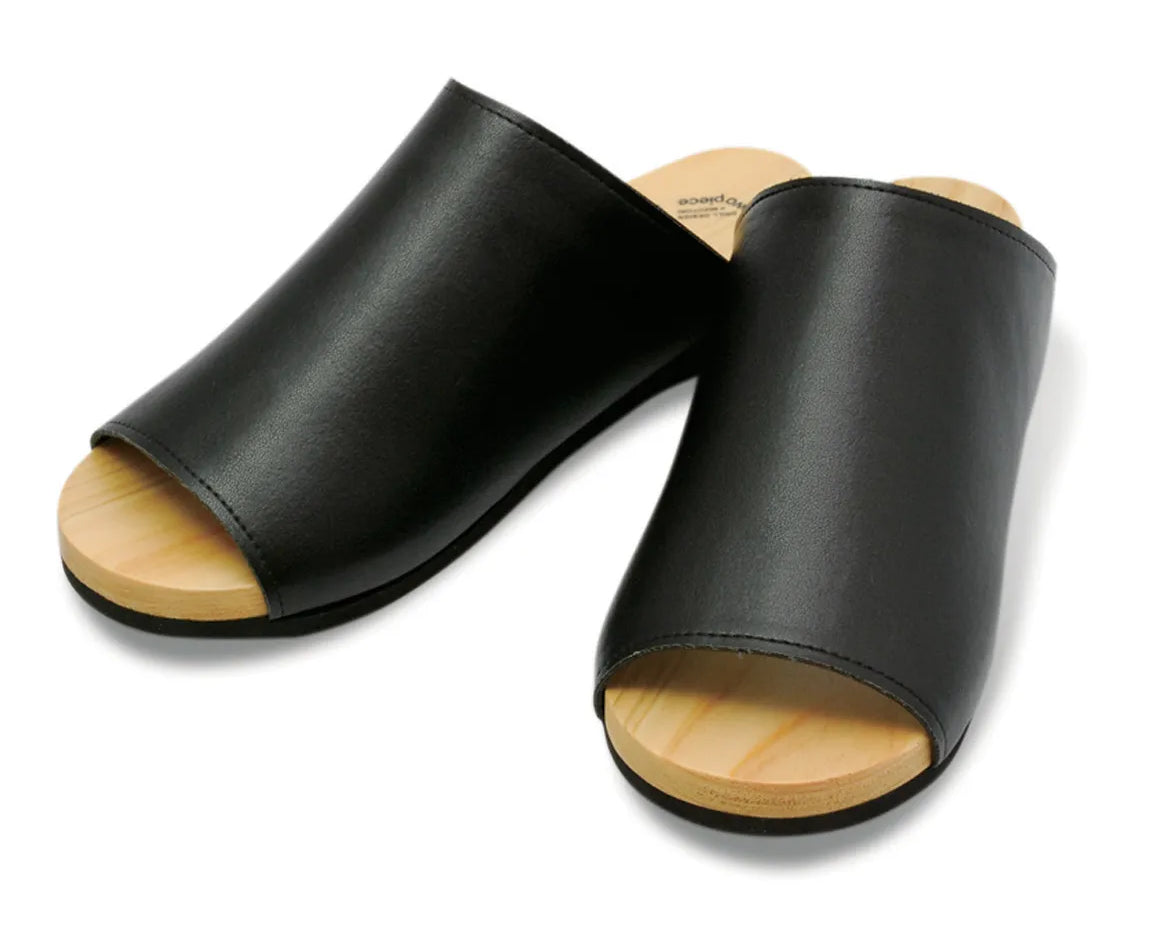
- Geta designed for everyday comfort
Because the term is used broadly, the design and purpose of health geta can vary considerably from one product to another.

Common Features of Health Geta
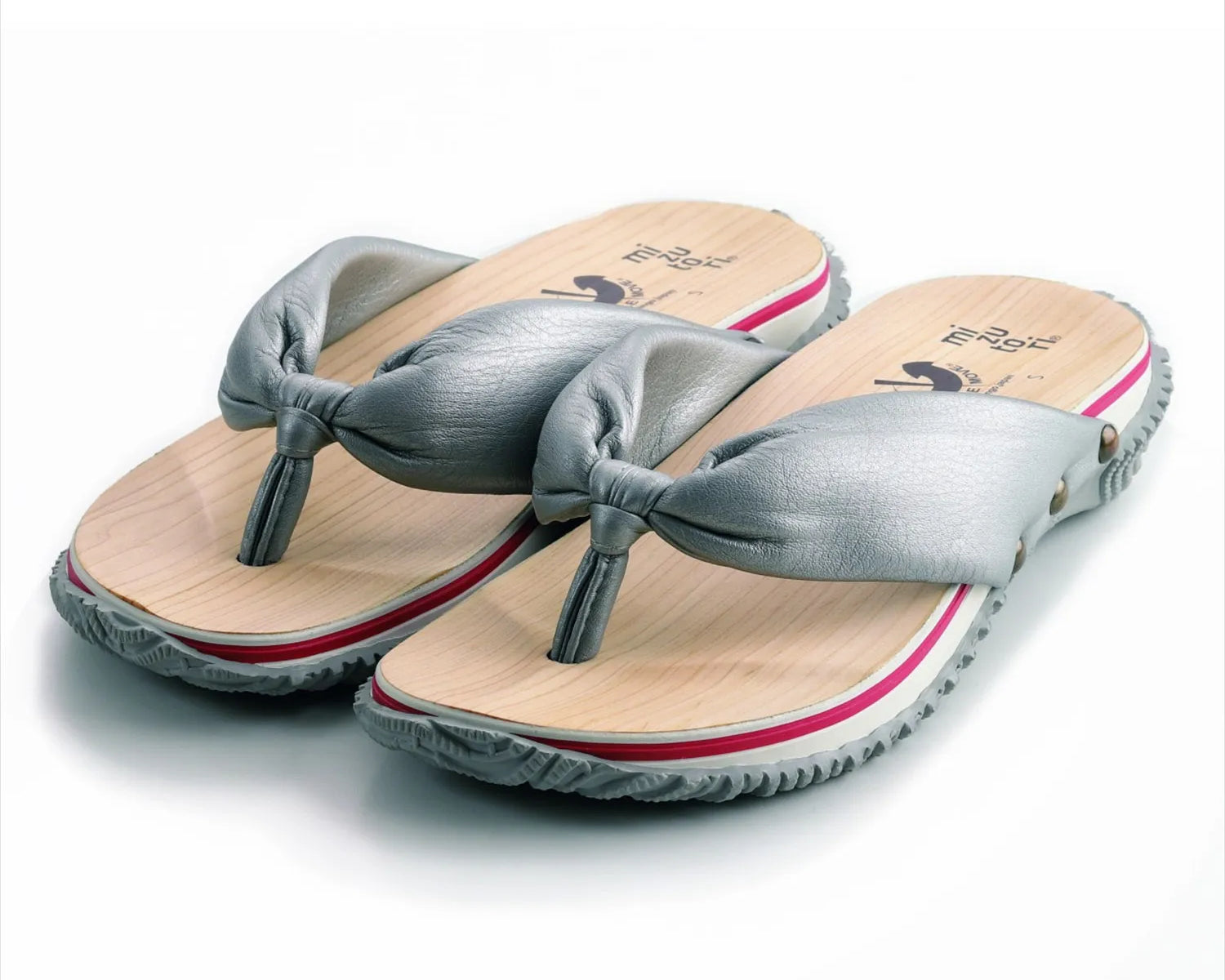
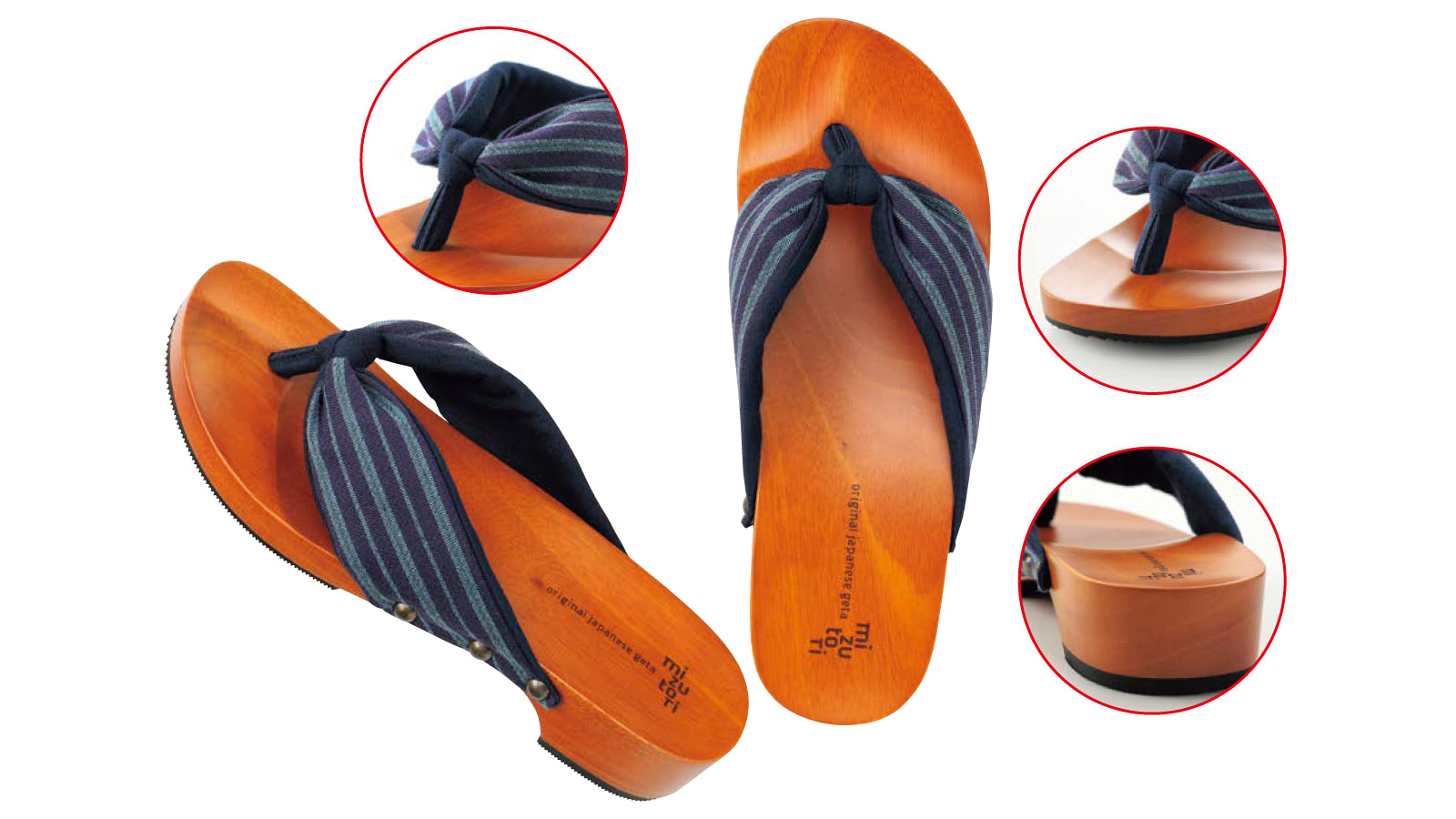
Many health geta incorporate design features intended to improve comfort and support natural foot movement.
These may include:
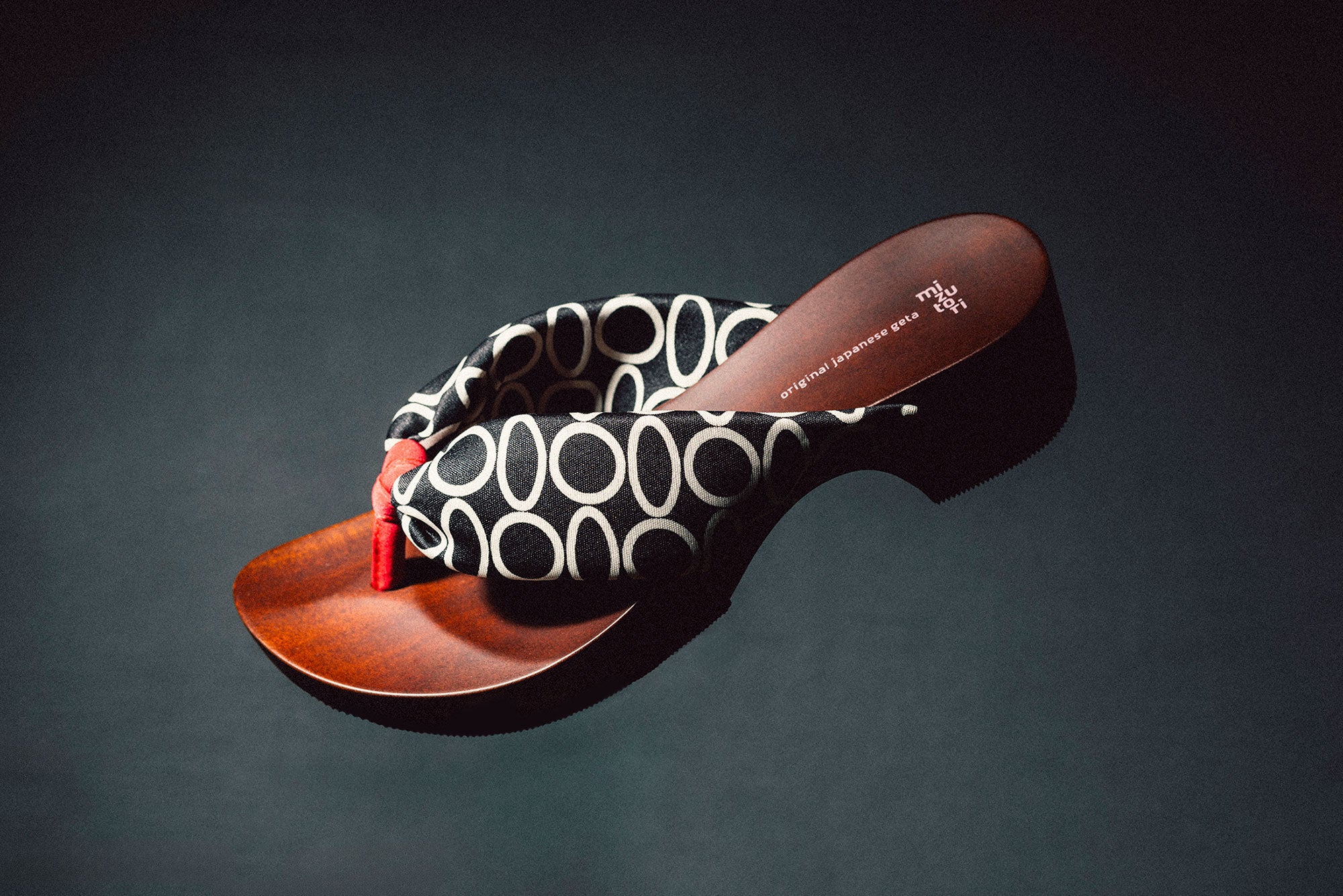
- Footbeds shaped to follow the contours of the foot
- Comfortable thong straps
- Designs intended to promote stable walking
- Structures that allow the toes to move more naturally
Not every health geta includes all of these features, and each manufacturer may take a different approach.
Health Geta in Modern Life
Today, people consider many factors when choosing footwear.
In addition to cushioning and lightweight construction, some people look for footwear that encourages natural foot movement and comfortable walking.
Health geta have become one option within this broader trend.
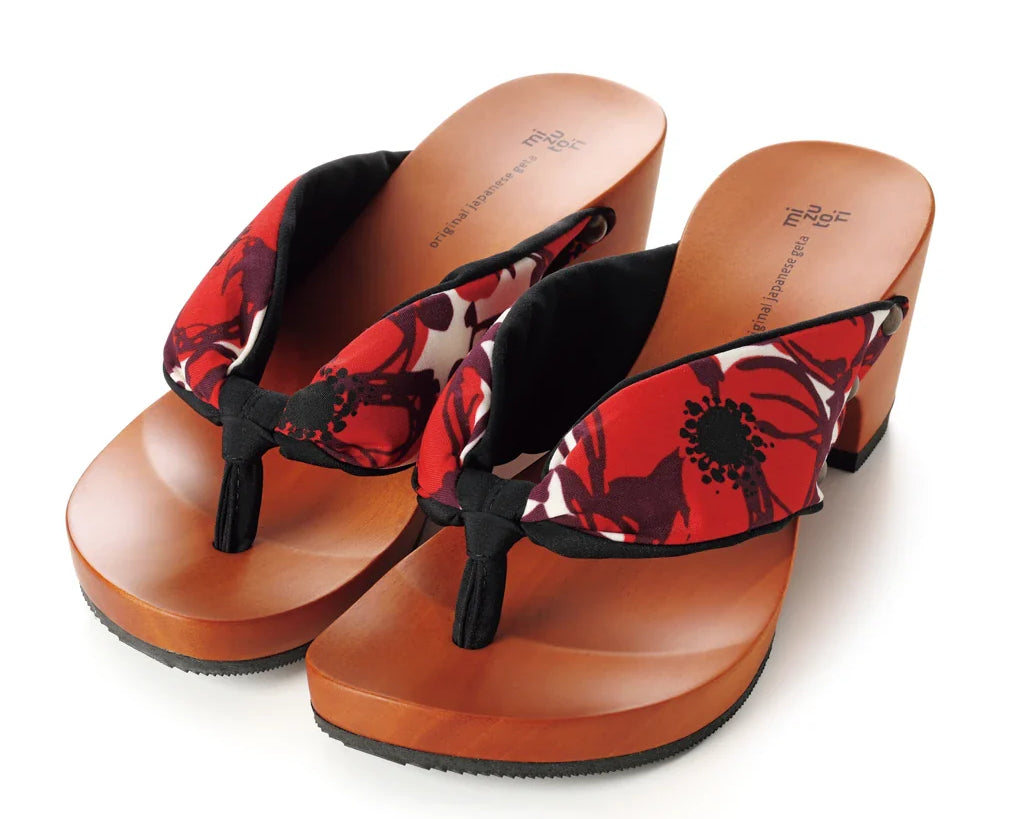
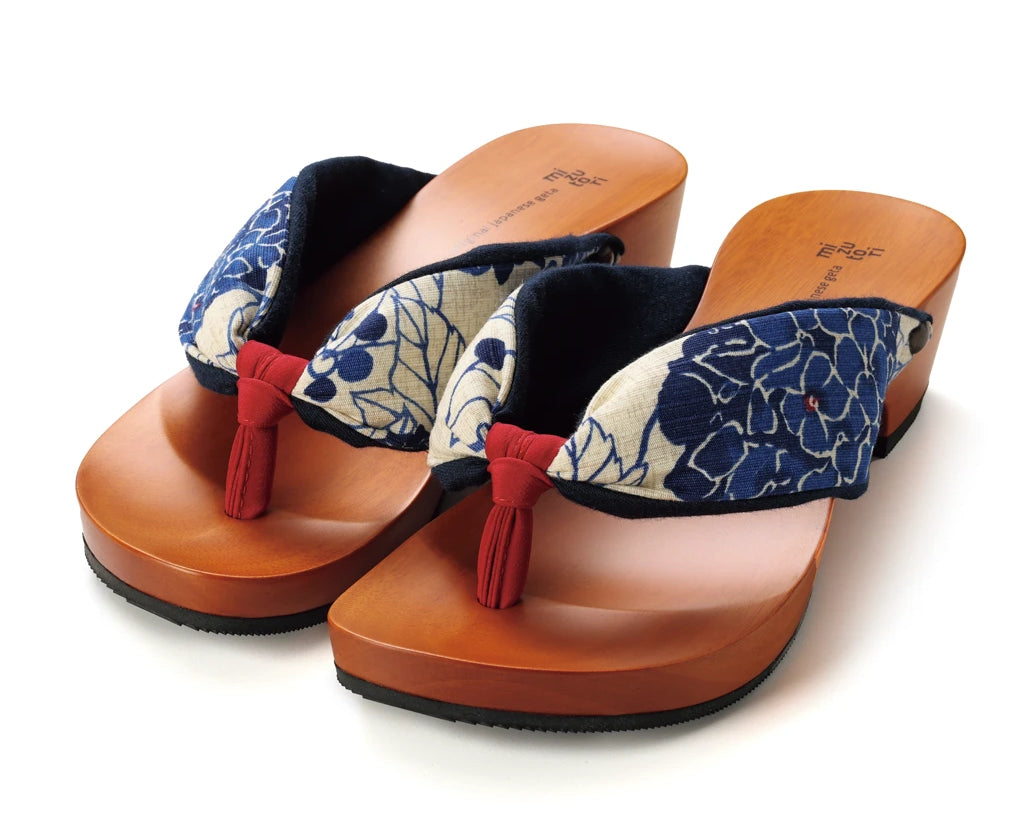
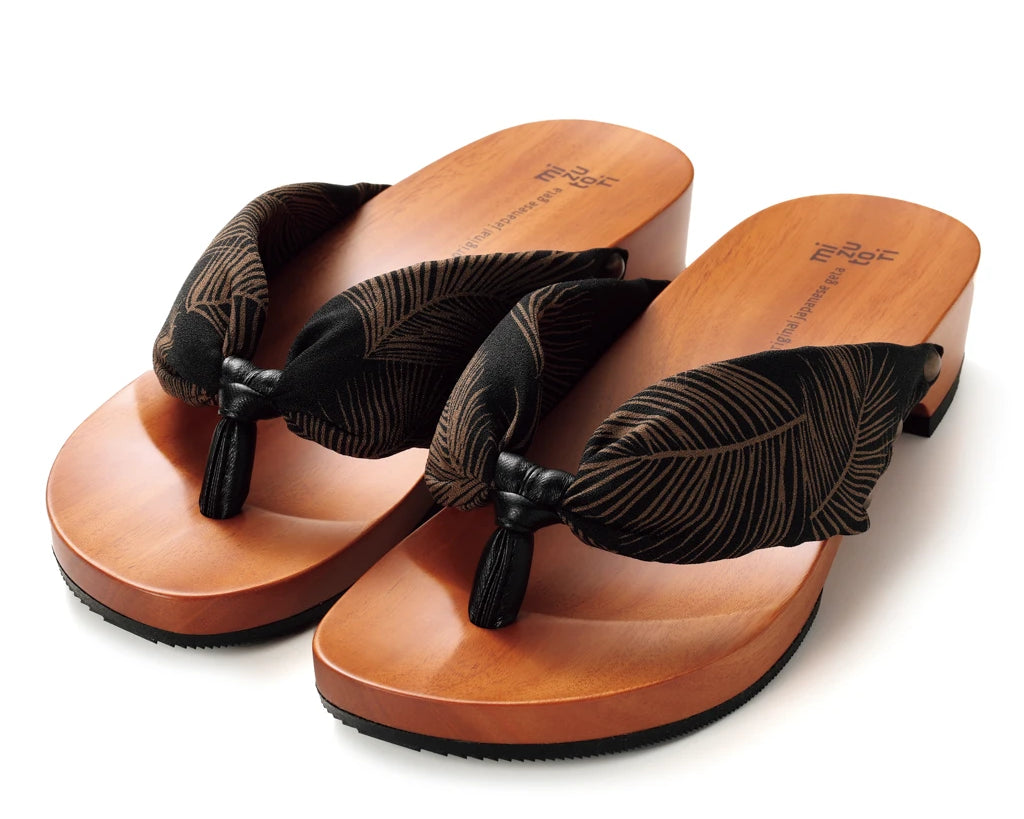
Many modern designs combine traditional characteristics of geta with features intended to improve comfort and make them suitable for everyday life.
Some are designed to pair easily with both traditional Japanese clothing and contemporary fashion.
Why Health Geta Continue to Attract Attention
Growing interest in walking, posture, and foot function has also increased interest in footwear itself.
Because the feet, toes, ankles, and legs work together during walking, researchers continue to study how footwear may influence movement.
Within this context, health geta have attracted attention as one example of footwear designed with foot function in mind.

Summary
The term "health geta" is sometimes used to describe geta that are designed with consideration for toe movement, walking mechanics, foot comfort, and everyday wearability.
Although it is not a formally defined category, the term has become widely used as interest in foot function and healthy walking has grown.
From single-tooth training geta to everyday wearable designs, health geta encompass a wide variety of styles that combine traditional Japanese footwear with modern approaches to comfort and walking.