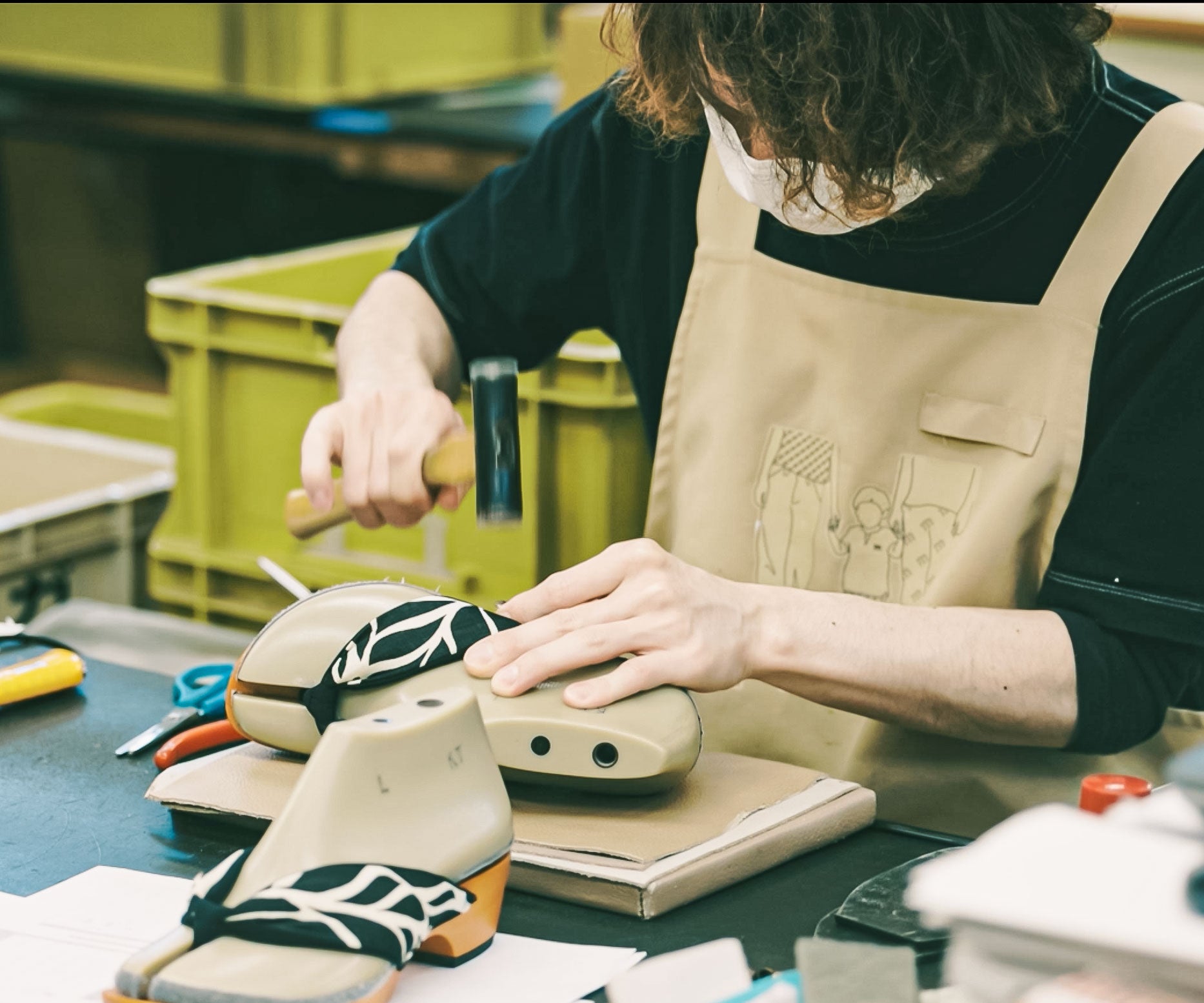
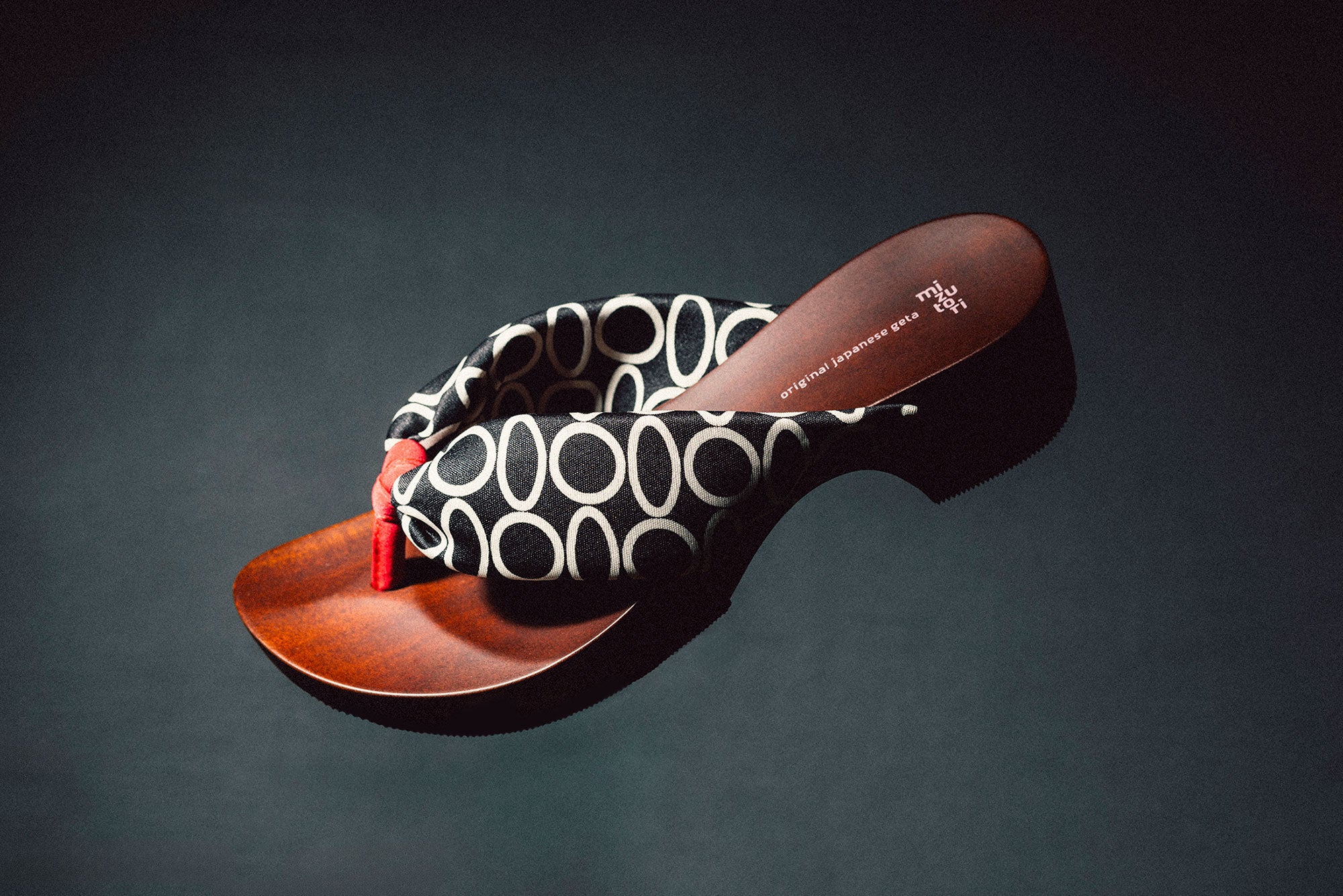

We often receive this question from people who have never worn geta:
"How do they stay on when you're just using the thong to hold your foot?"
Indeed, unlike sneakers or sandals, geta do not secure the entire foot.
Nevertheless, you can walk in geta because they have a unique mechanism.
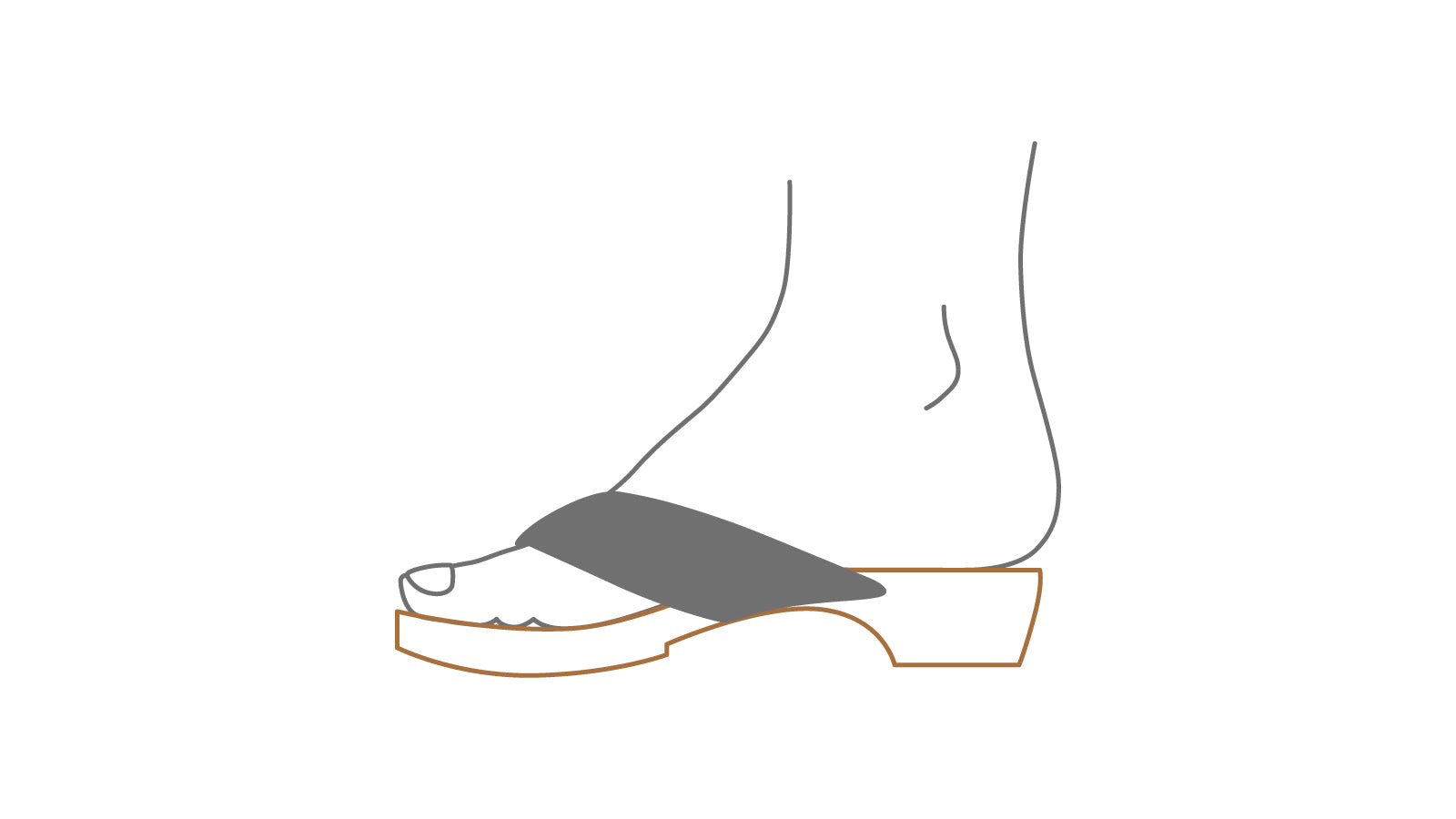
The Thong Connects Your Foot to the Geta
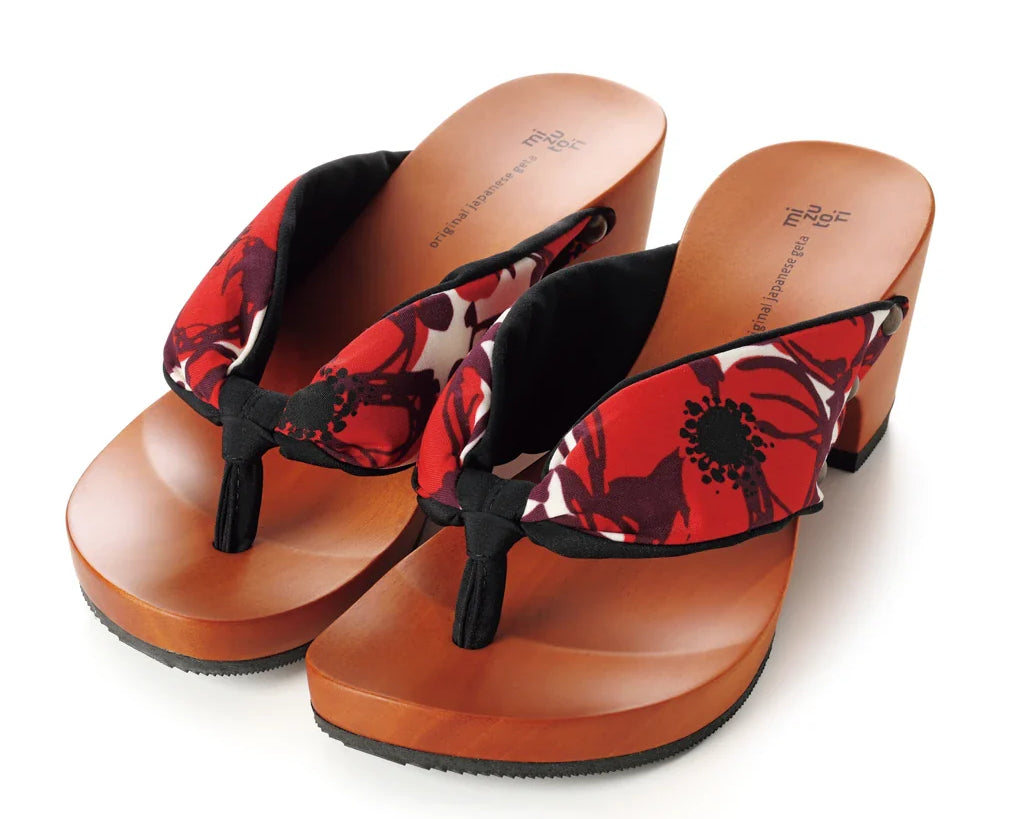
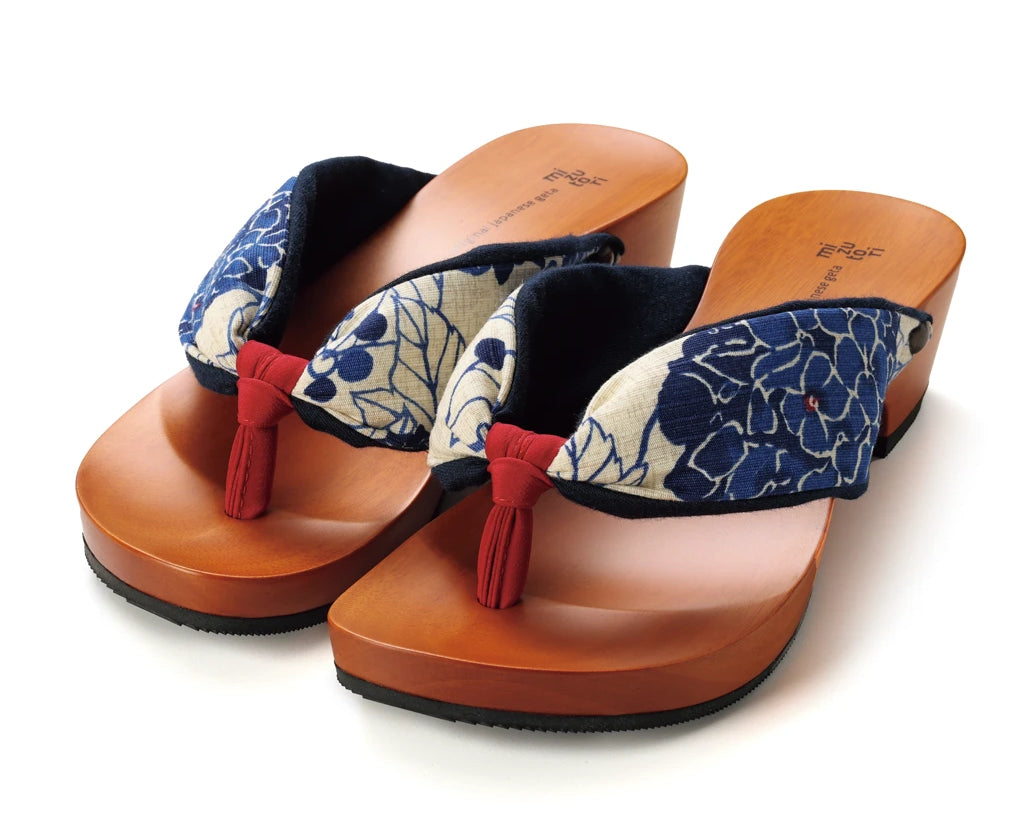
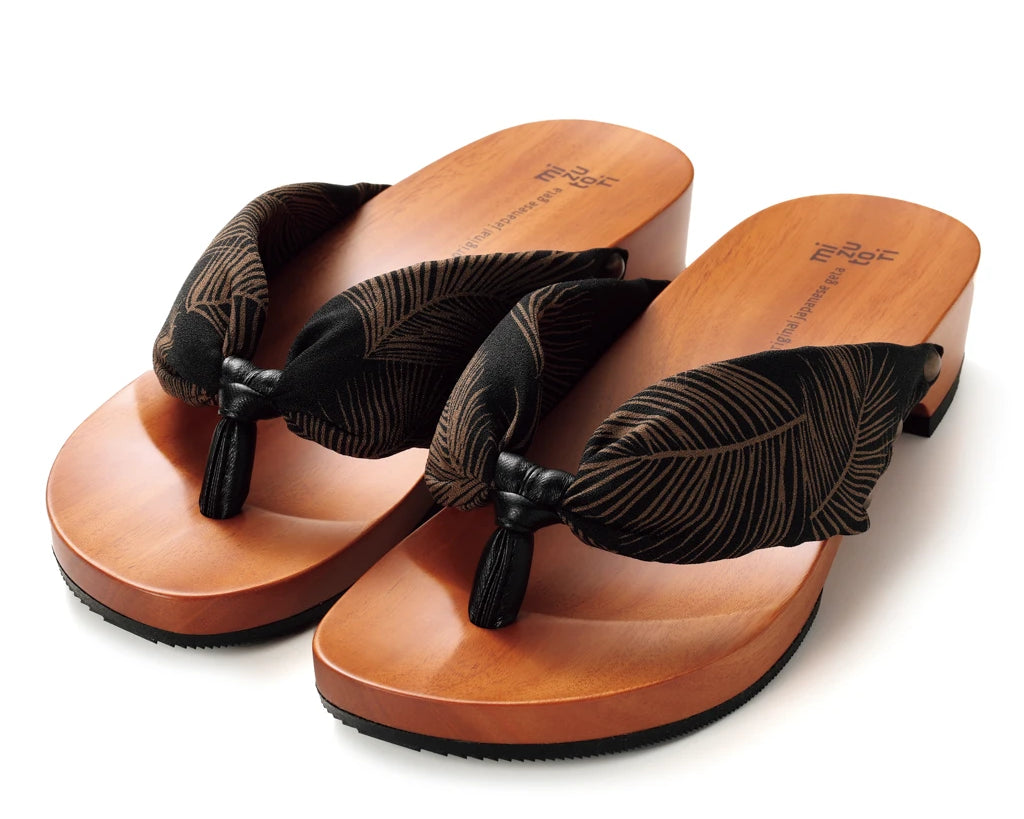
Geta are worn by passing the thong between the big toe and the second toe.
When walking, you unconsciously gently support the thong with your toes.
There's no need to grip it tightly.
By simply being a little conscious of the thong, your foot and the wooden base naturally become one, making it easy to walk.
Perhaps this simple mechanism is why so many people have worn geta throughout history.

Footwear that Uses Your Toes
Sneakers and leather shoes secure the foot with laces or straps.
Therefore, you can walk without being very conscious of wearing them.
Geta, on the other hand, support the foot only with the thong, which naturally draws your attention to your toes.
With every step, your toes work slightly, creating a sense of your foot and footwear working together.
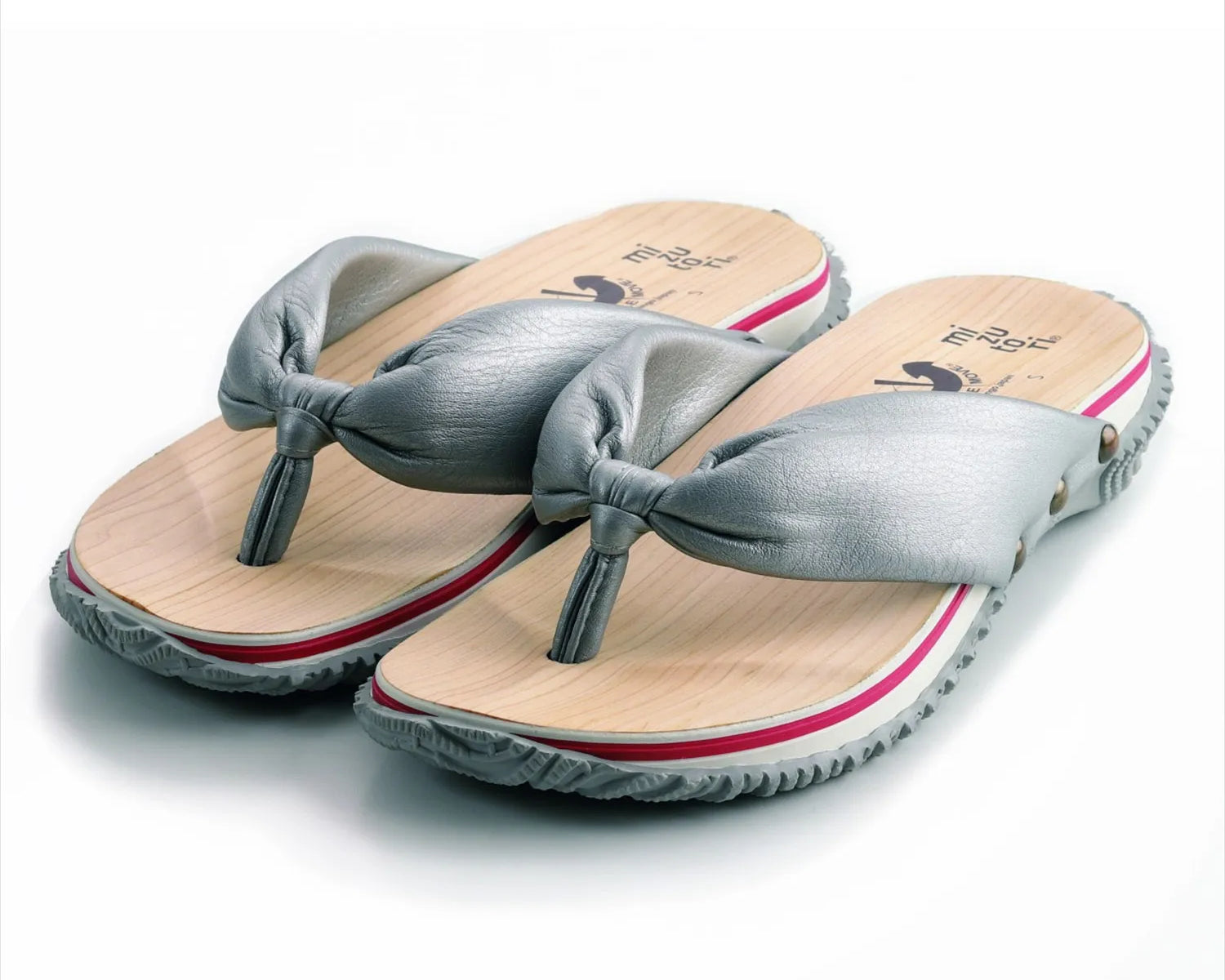
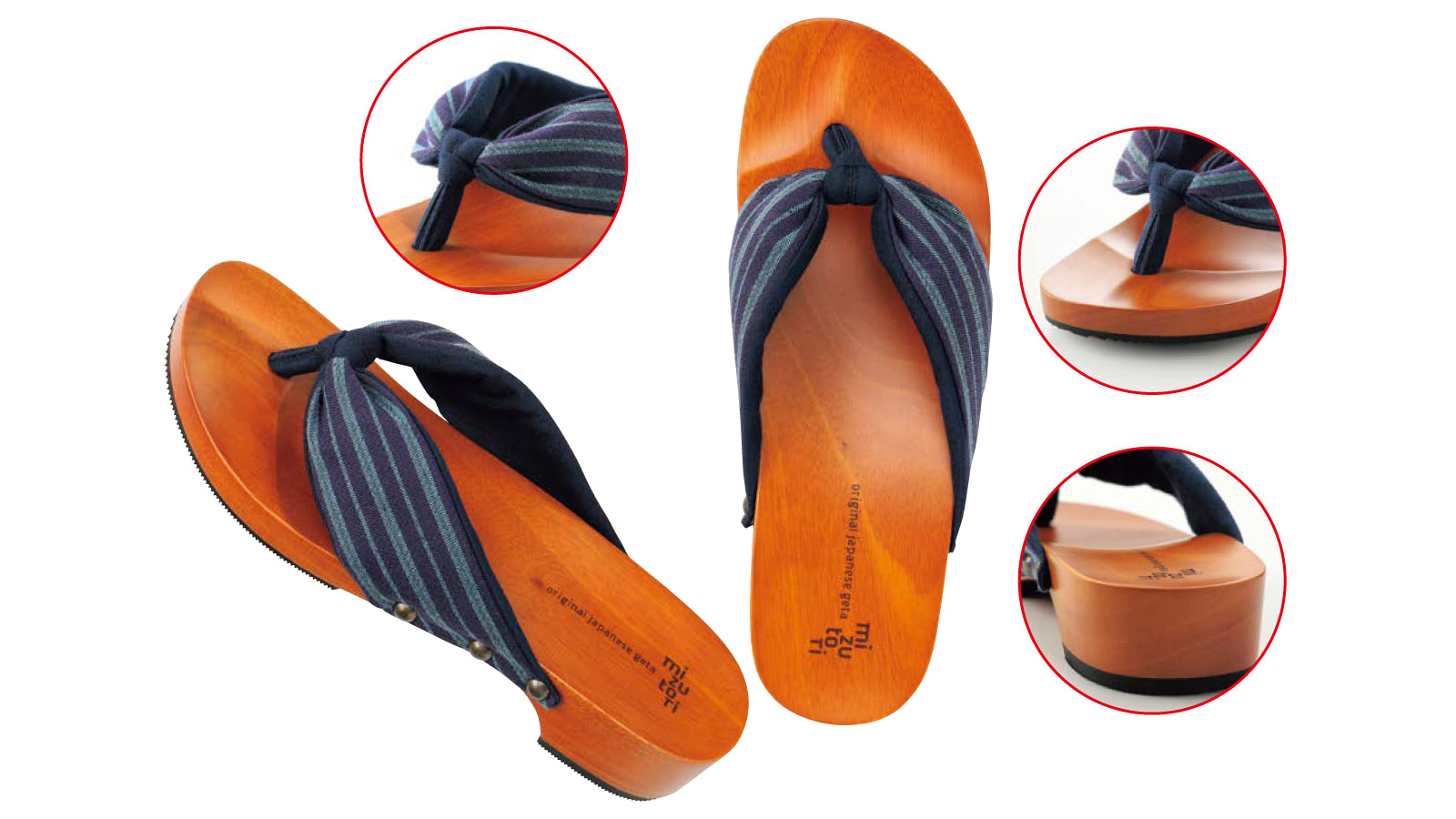
Mizutori geta, in particular, are designed with a slightly thicker thong, making it easier for your toes to naturally grasp them.
Although geta may seem unstable at first glance, in reality, this interaction between the toes and the thong naturally connects the foot and the geta.
The reason geta are hard to slip off is not because they secure the foot tightly, but because the toes and the thong naturally work together.
It's Important to Get Used to Them Gradually
However, for those accustomed to sneakers or sandals, the feel of geta can sometimes feel a little new.
It's recommended to start by trying them for short periods, such as shopping nearby or going for a stroll.
By gradually increasing the time you wear them, both the thong and your feet will become accustomed to them, and you'll find your own comfortable way of walking.

Simple Wisdom Passed Down Through Generations
Geta are very simple footwear, consisting only of a wooden base and a thong.
However, within this simple structure are工夫 (innovations) designed to conform to the human foot.
The answer to the question "Why don't they slip off?" may not lie in a special mechanism, but in the natural cooperative relationship between the foot and the thong.
Paying attention to the functions of your feet that you usually don't notice.
That's one of the charms of geta, offering such an opportunity.