
What Is the Maetsubo of Geta Sandals?
A Small Detail That Supports Comfort and Walking
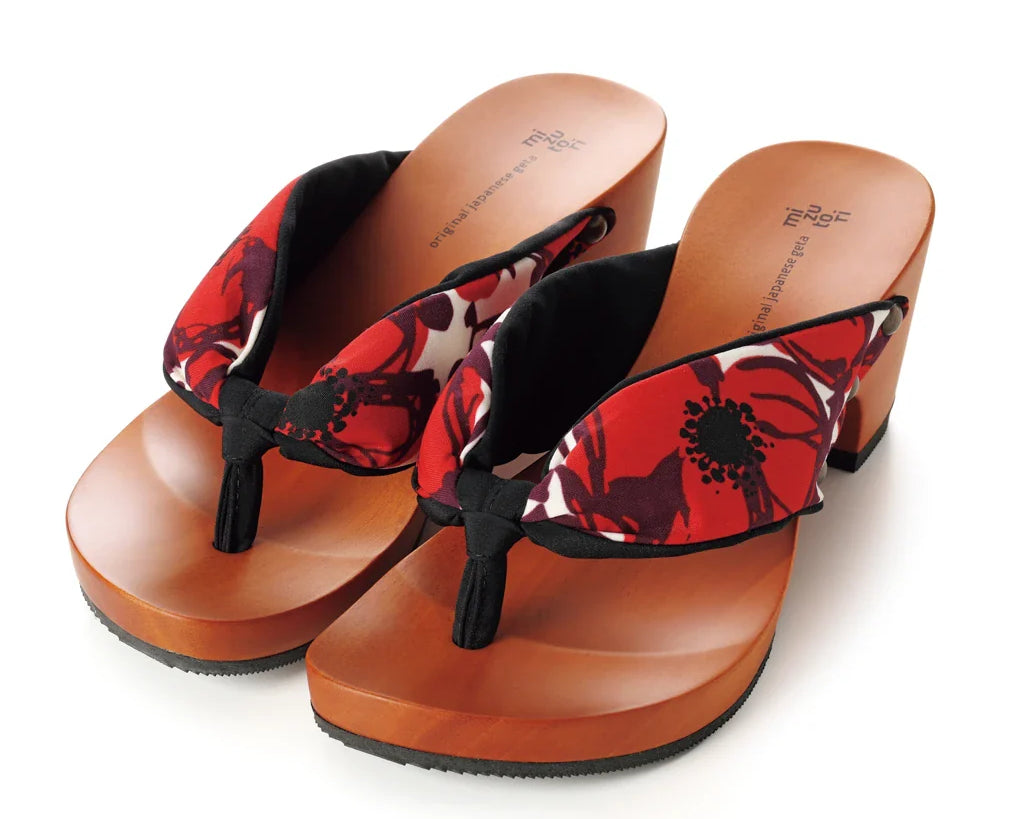
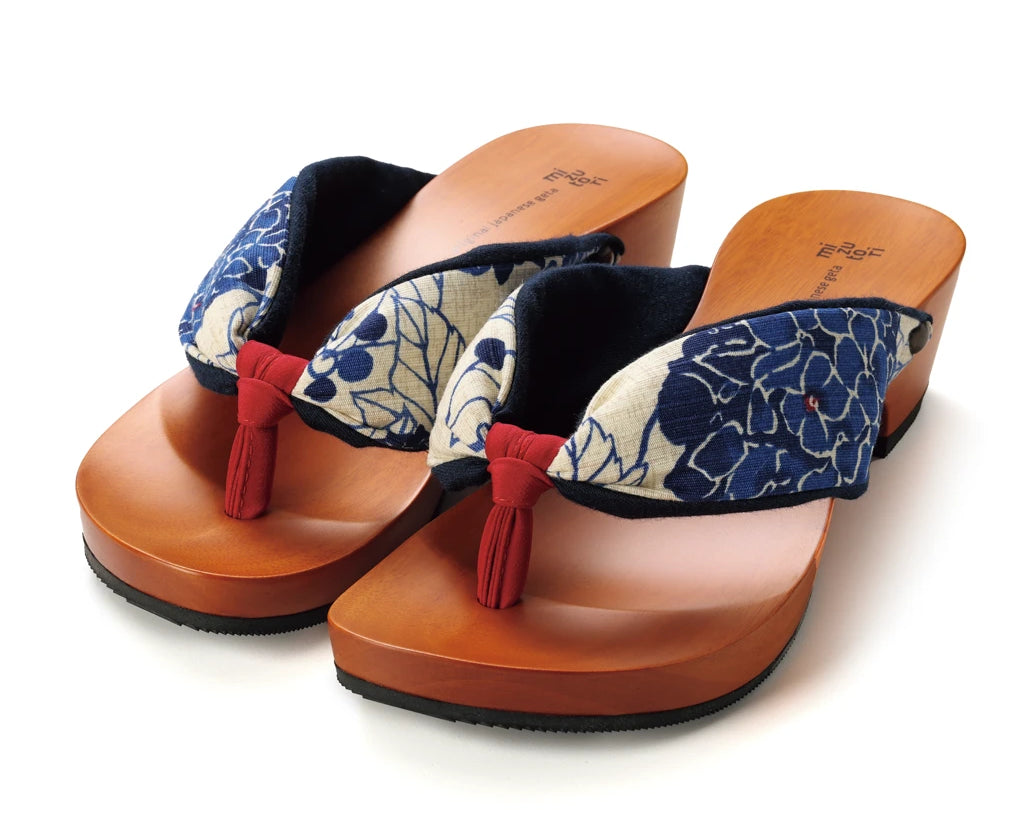
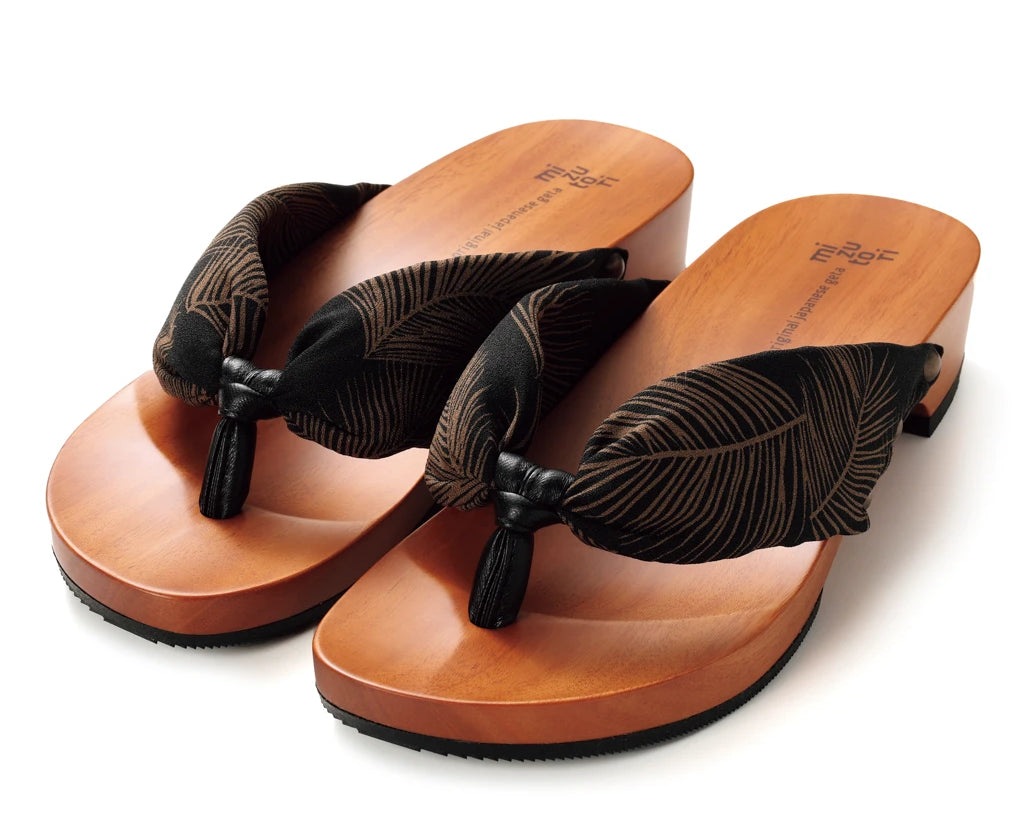
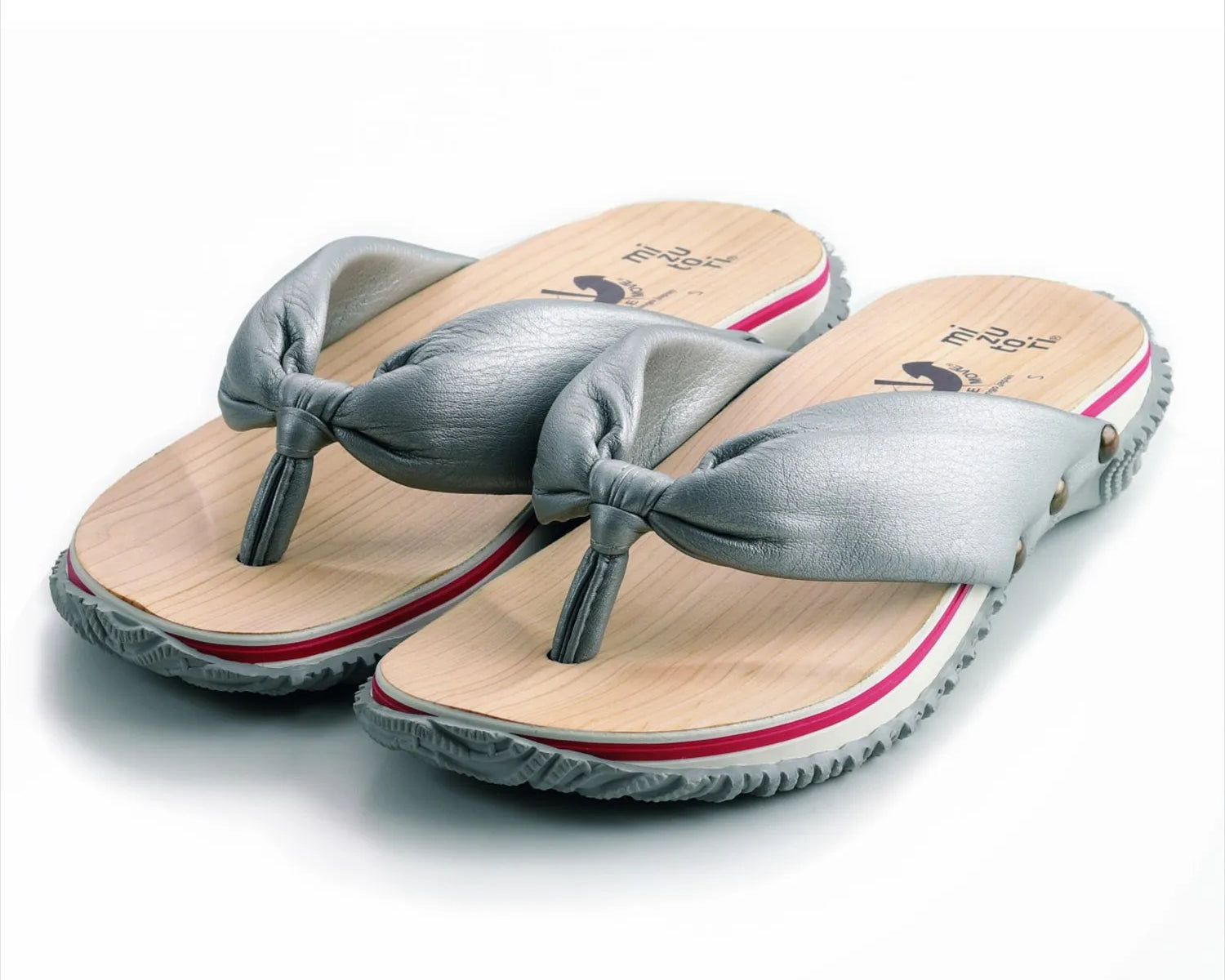
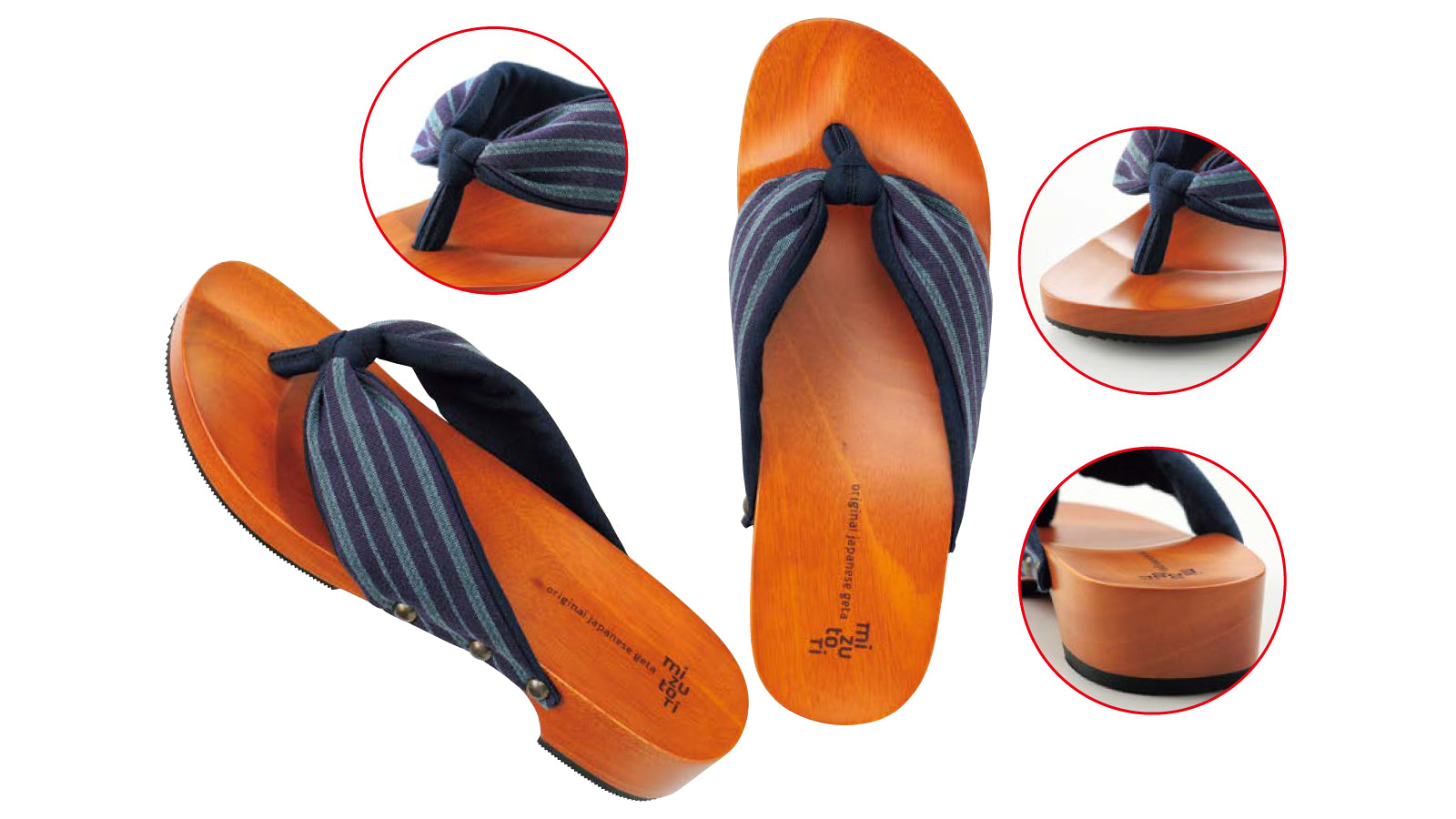
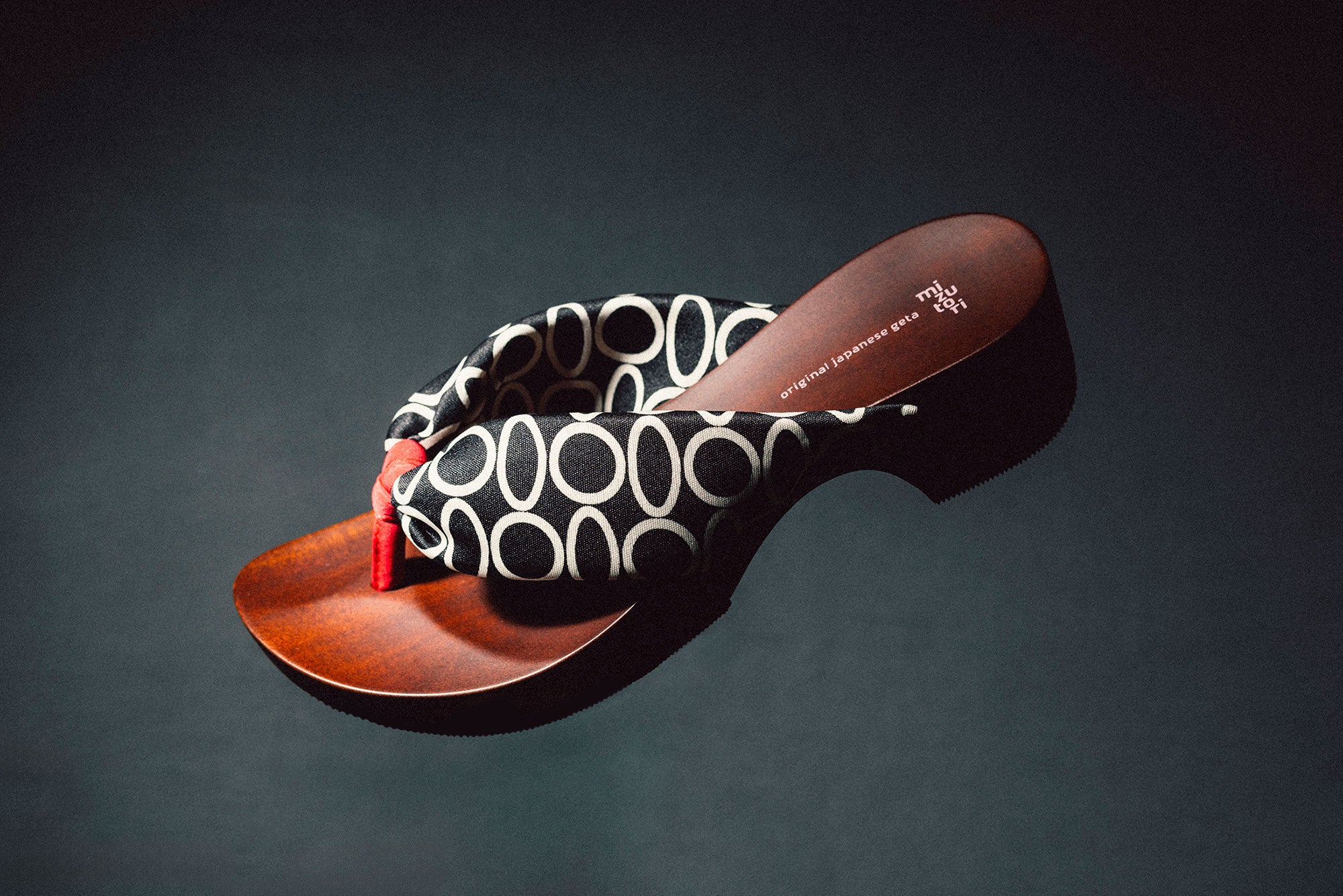
The maetsubo (前ツボ) is the part of the strap on traditional Japanese footwear, such as geta and zori sandals, that sits between the big toe and second toe. It joins the two sides of the hanao (straps) and connects them to the front of the sandal's base.
Although small, the maetsubo plays an important role in keeping the sandals on the feet, influencing comfort, and shaping their overall appearance.
The Structure of Maetsubo and Its Role in Walking
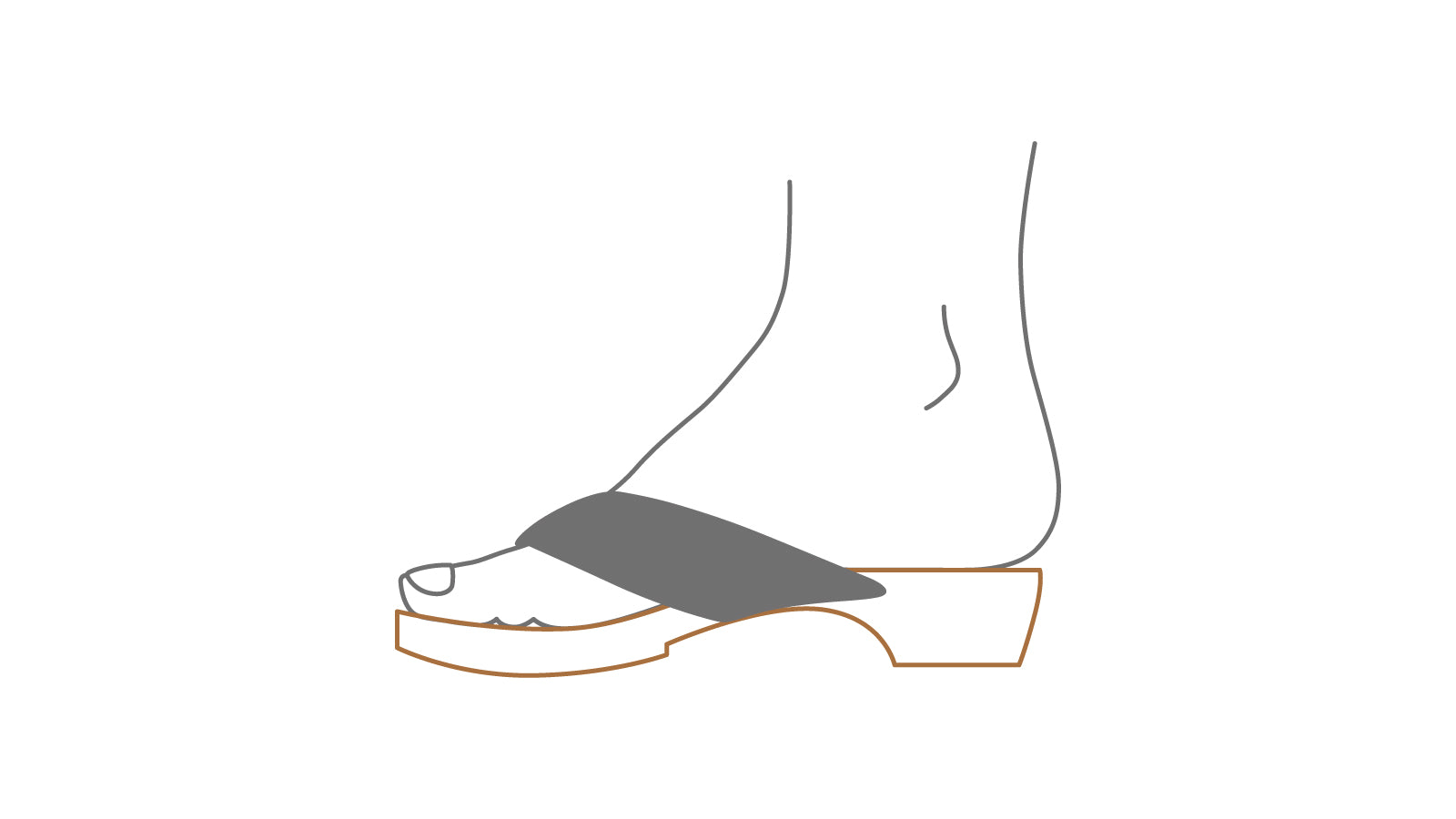
The hanao of geta sandals consists of two sections that extend over the top of the foot and a central maetsubo positioned between the big toe and second toe.
During typical walking, the heel makes initial contact with the ground, followed by a shift in weight along the outer side of the foot and forward toward the big toe before push-off.
When walking in geta sandals, the toes can grip the maetsubo to help keep the footwear in place. This is one way the toes are actively involved in holding the sandals during walking.
However, there is no need to grip the maetsubo tightly at all times. Allowing the toes to move naturally and walking without unnecessary strain is important.

Maetsubo Materials and Comfort
Maetsubo can be made from various materials, including fabric and synthetic leather.
Because it comes into direct contact with the skin between the toes, its firmness, thickness, and surface texture can affect comfort. In some cases, friction or pressure may cause discomfort.
To address this, some geta sandals use soft materials or incorporate cushioning inside the maetsubo to provide a gentler feel against the toes.
The length of the maetsubo and the fit of the hanao straps also influence comfort. Choosing footwear that suits the shape of your feet is just as important as the materials used.
How Maetsubo Color Changes the Look of Geta
Despite its small size, the maetsubo sits at the center of the straps, making its color an important detail in the overall appearance of geta sandals.
A maetsubo in a color similar to the straps creates a subtle, harmonious look. In contrast, a bright red or yellow maetsubo can add a playful accent.
Even when the straps have the same pattern, changing the color of the maetsubo can make the sandals appear elegant, charming, or more distinctive.
This small detail offers another way to appreciate the design of traditional Japanese footwear.

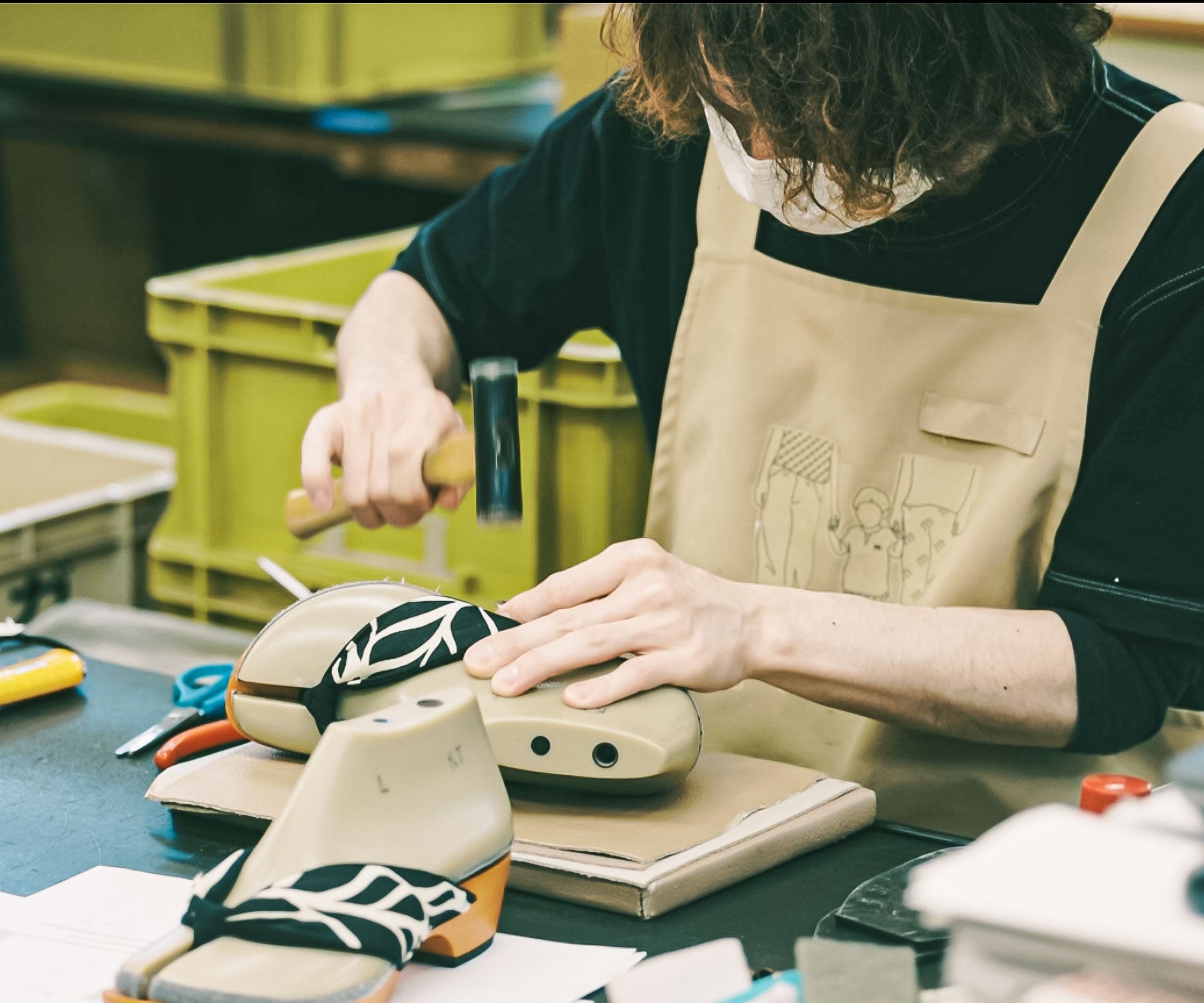
The Craftsmanship Behind a Small Detail
The maetsubo connects the straps to the base of geta sandals and helps the wearer keep the footwear in place using the toes.
Its materials and construction affect comfort, while its color contributes to the overall design.
When choosing geta sandals, take a closer look not only at the wooden base and strap patterns but also at the maetsubo.
This often-overlooked detail reflects the thoughtful balance of function and aesthetics found in traditional Japanese footwear.