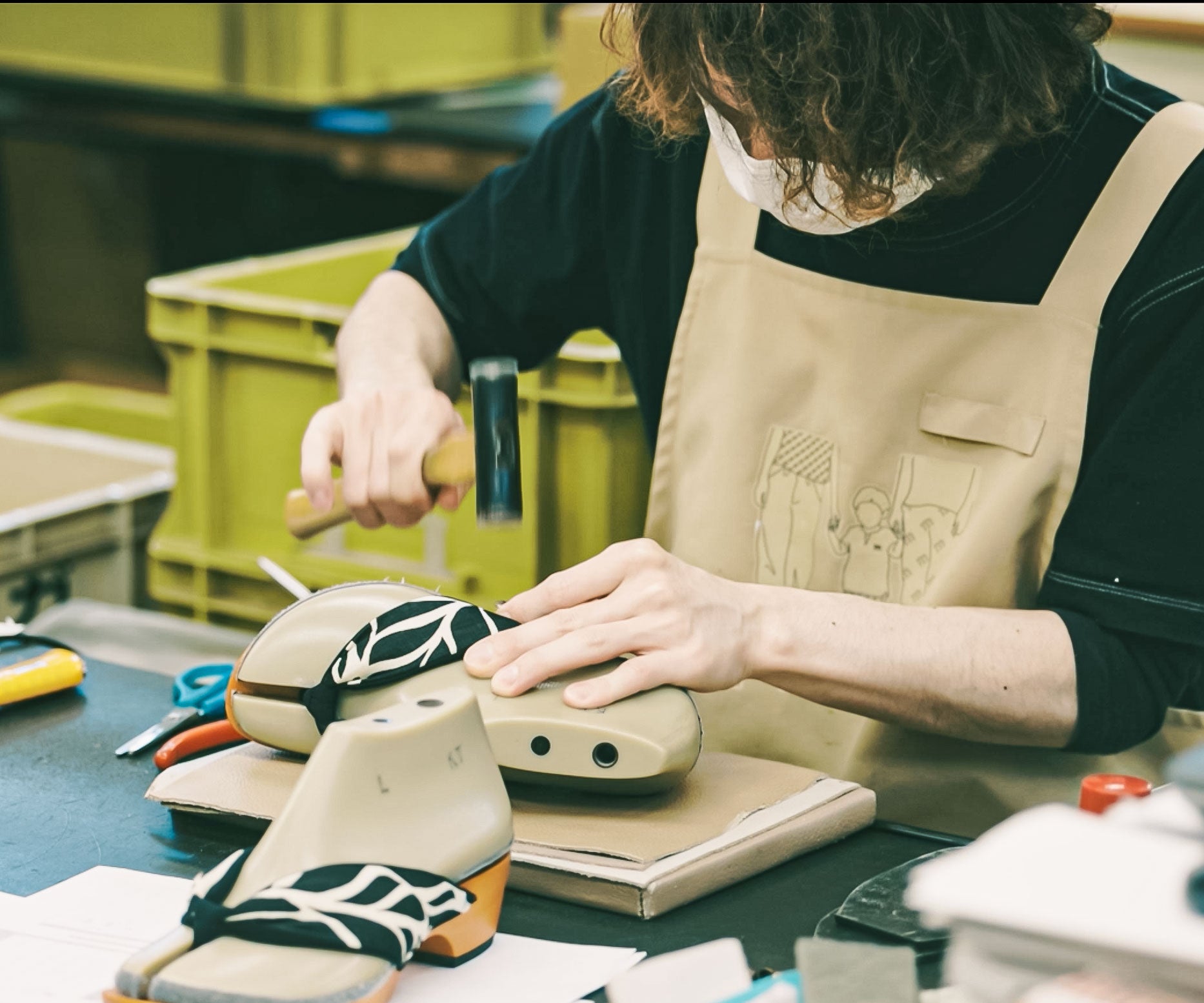


As environmental awareness and interest in sustainable manufacturing grow, the way we choose everyday items is also gradually changing.
When it comes to footwear, more and more people are focusing on durability and the nature of the materials.
From this perspective, geta (traditional Japanese clogs) can be said to be footwear that inherently possesses many sustainable elements.
A Cycle Born from Natural Materials
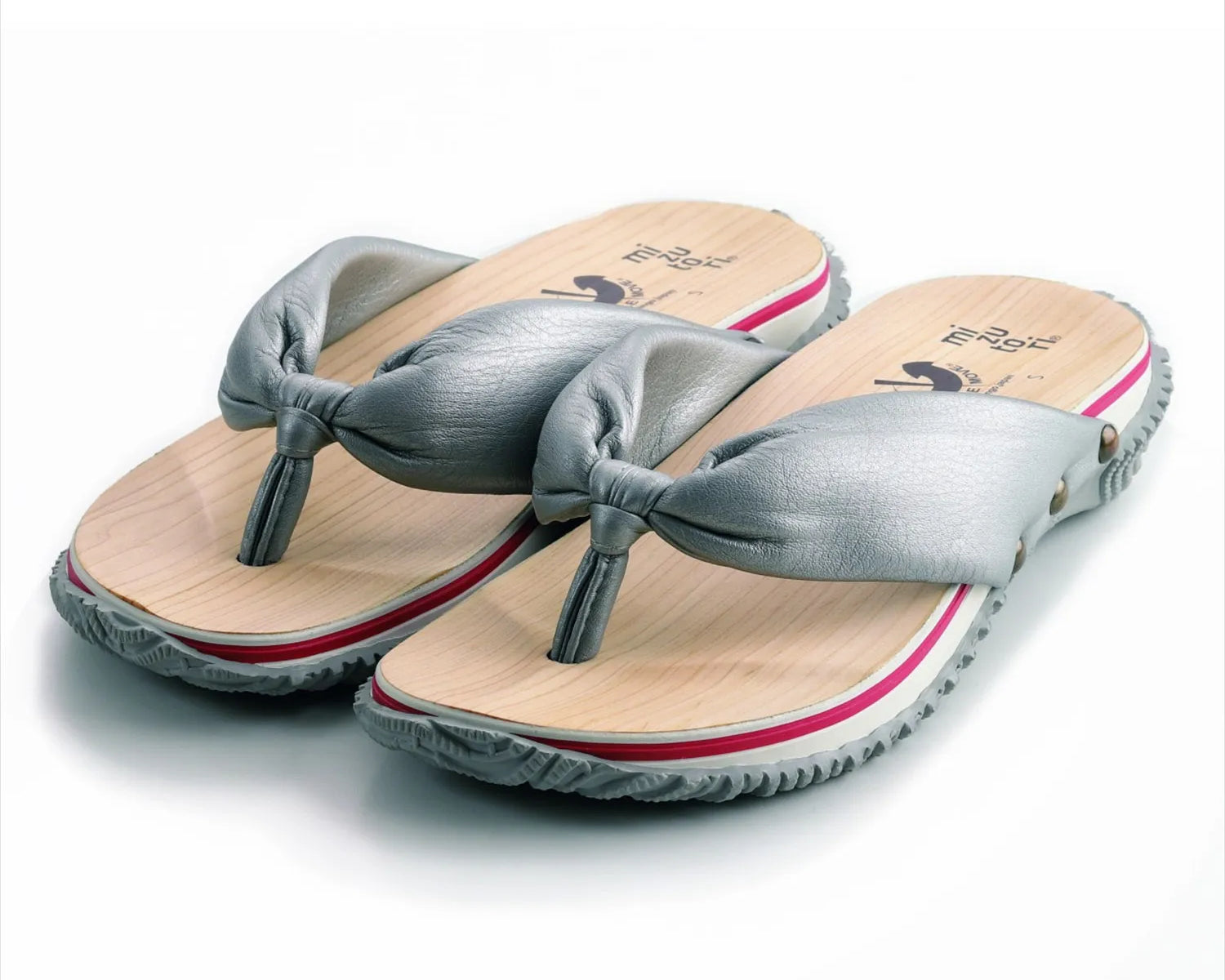
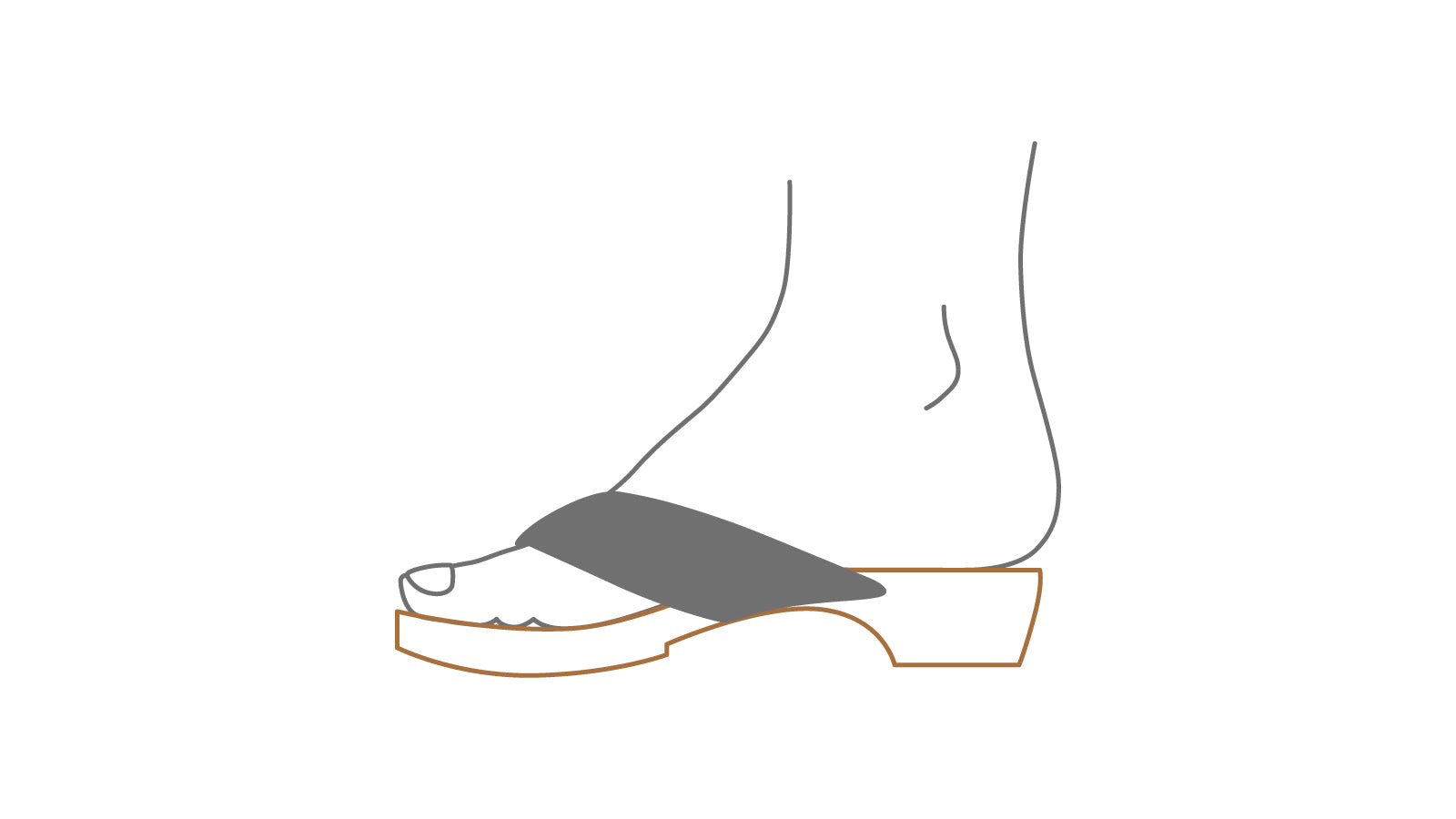
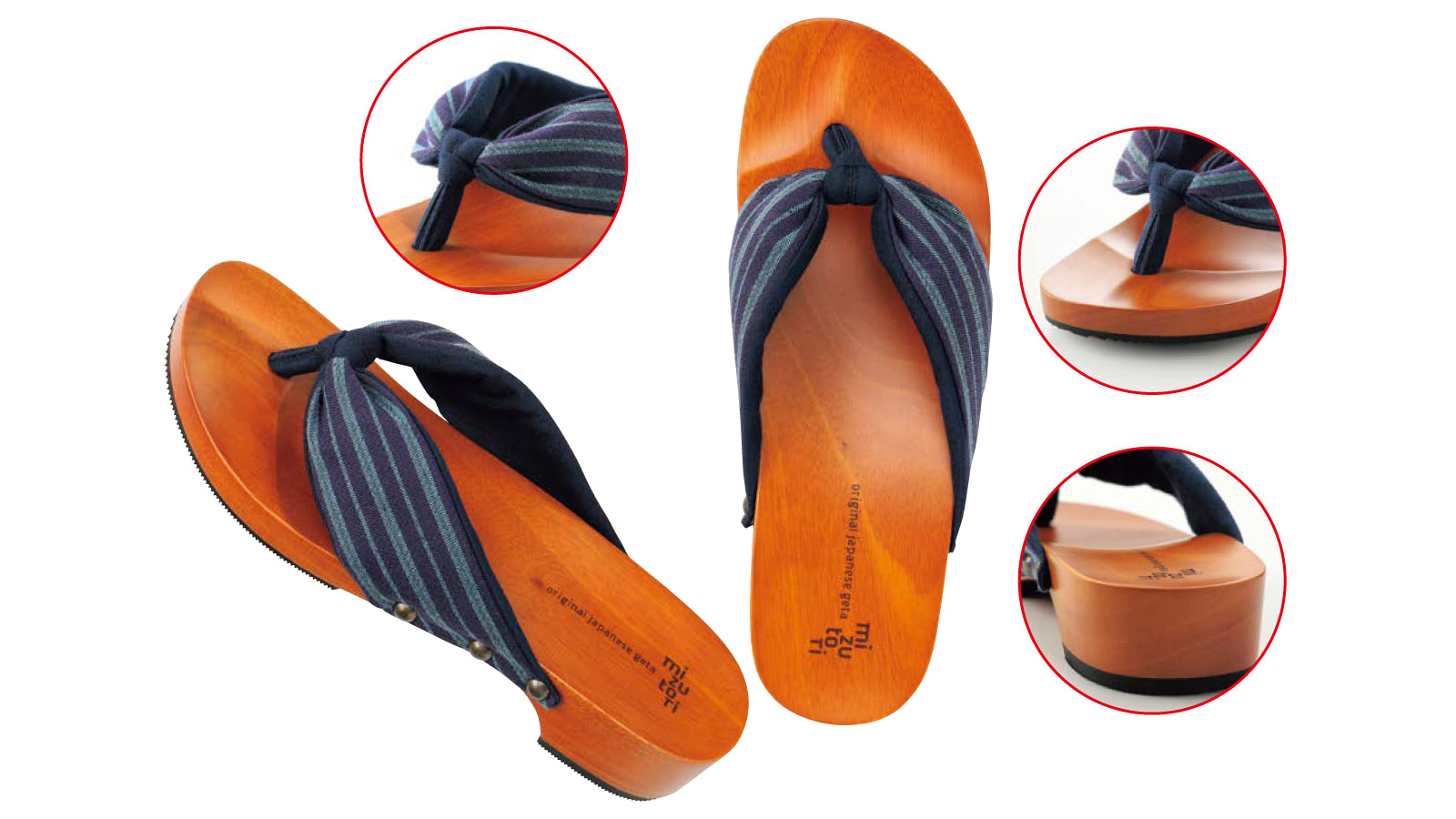
Traditional geta consist primarily of a wooden base and thongs made from cotton or hemp.
Because they are made mainly from natural materials, they place little burden on the environment after their use, and are characterized by being materials that return to the earth.
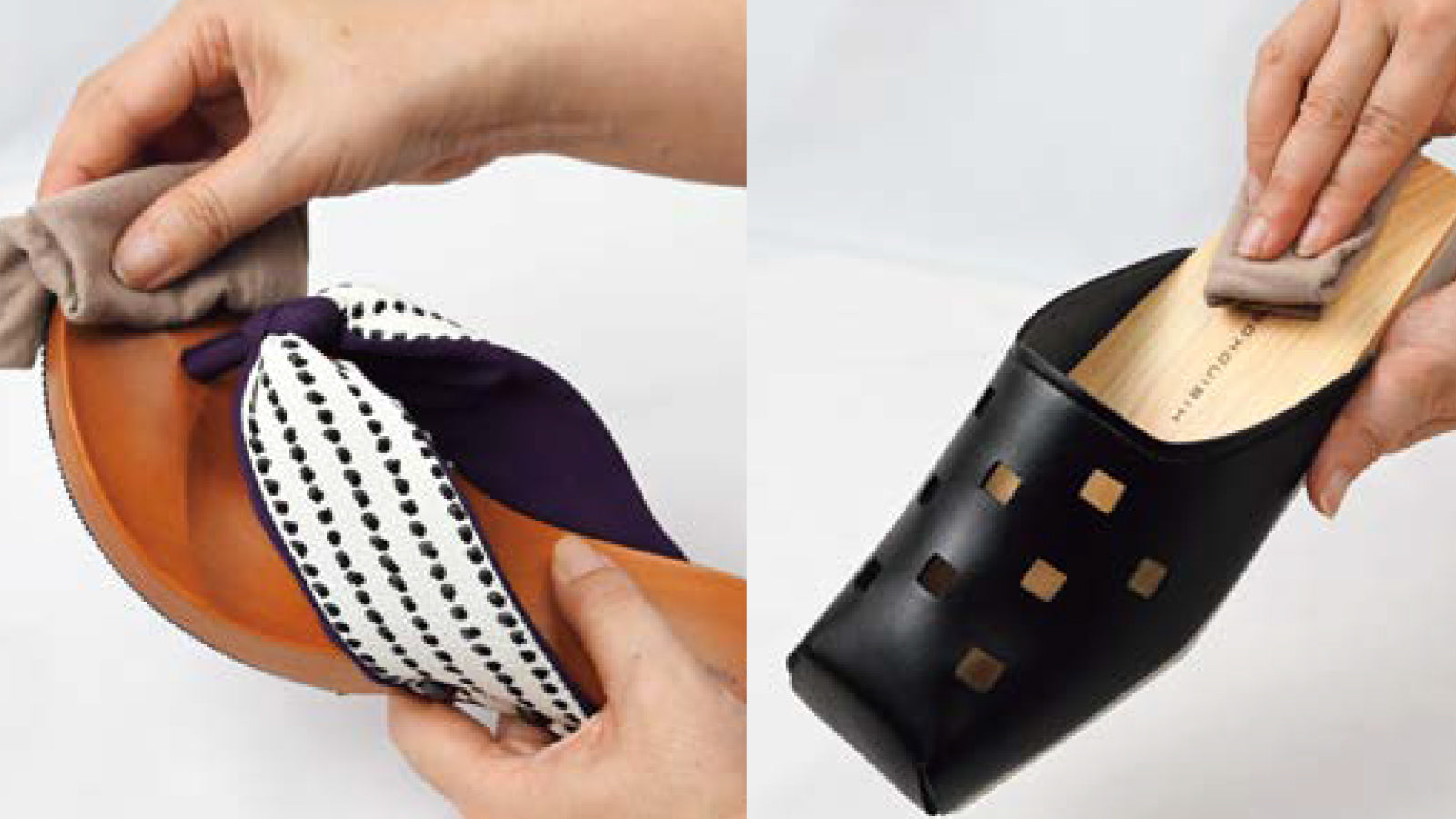
Furthermore, there is a culture of continuing to use them by replacing the thongs and repairing the soles, and they have been passed down as circular footwear that is not disposable.

Manufacturing that Utilizes Local Resources
Japan has a large forest area, and by conducting appropriate logging and afforestation, the healthy cycle of the forest is maintained.
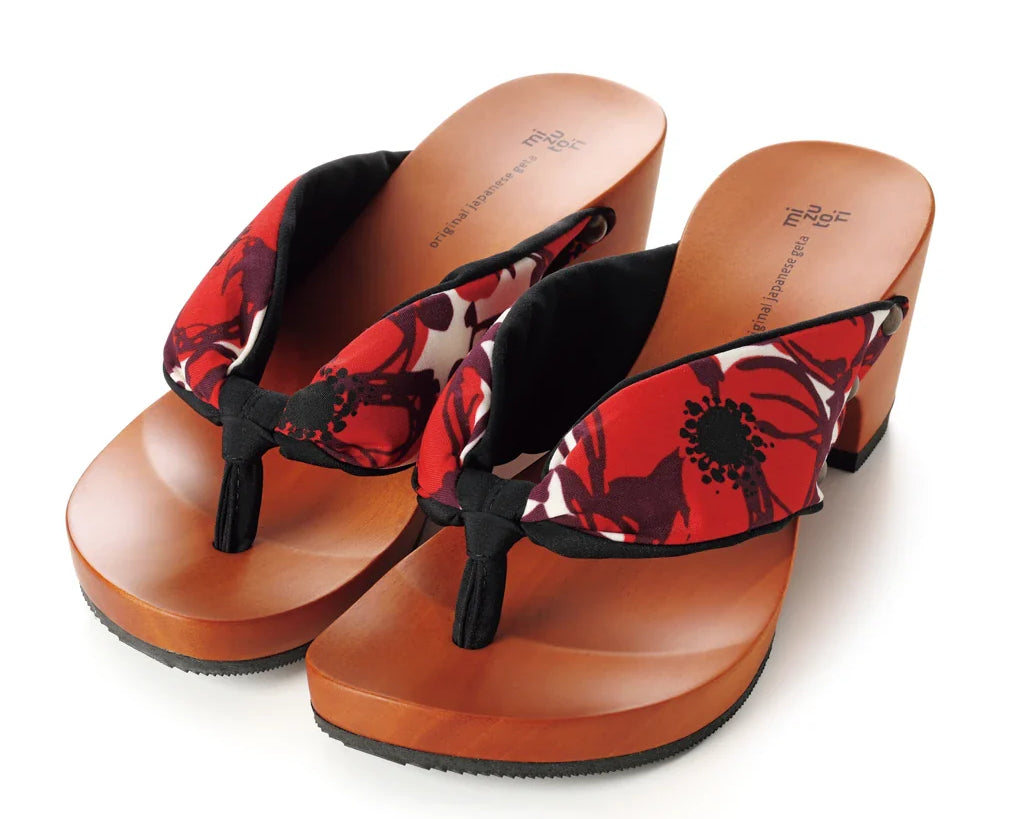
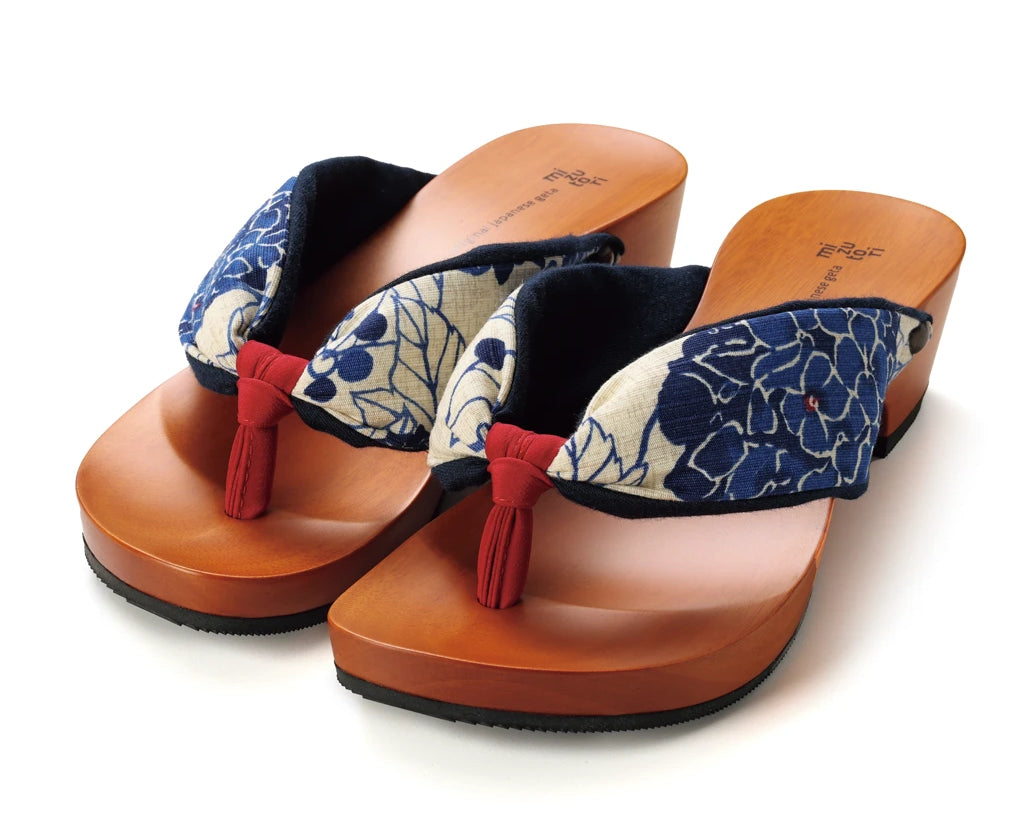
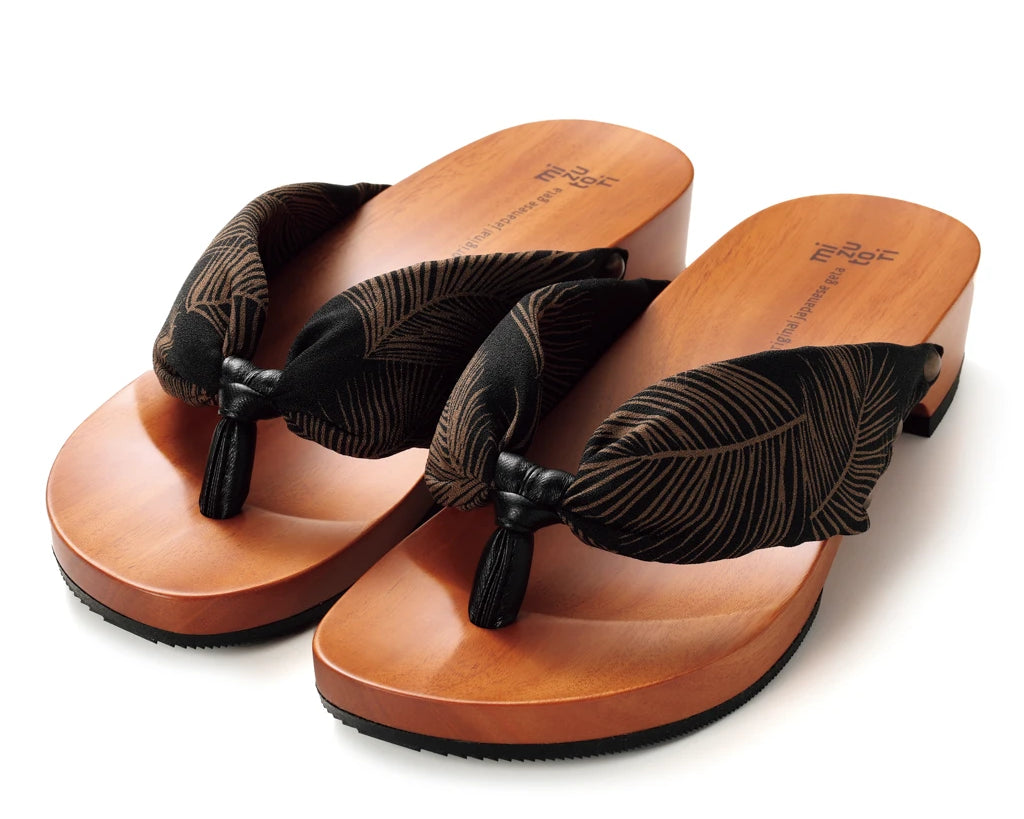
At mizutori, we actively utilize thinned wood from local Shizuoka cypress, engaging in manufacturing that leverages regional resources.
Unique wood grains that were previously discarded are now utilized as much as possible as a charm unique to natural wood, resulting in geta with individual and distinct appearances.

The Value of Long-Term Use
Geta are footwear that can be used for a long time with care, rather than being discarded when they get old.
mizutori also offers repair services, proposing a system that encourages continuous use.
The changing texture and comfort of the wood over time are charms that can only be developed through continued use.
Geta and Future Lifestyles
In recent years, geta have been gaining attention among younger generations and overseas due to designs that are easy to match with Western clothing, as well as an increased interest in foot health and the feeling of using one's toes.
While being traditional footwear, their value as something that fits modern lifestyles is being re-evaluated.
Consideration for the environment, connections with local communities, and the idea of long-term use.
These elements, essential for the coming era, quietly reside within geta.