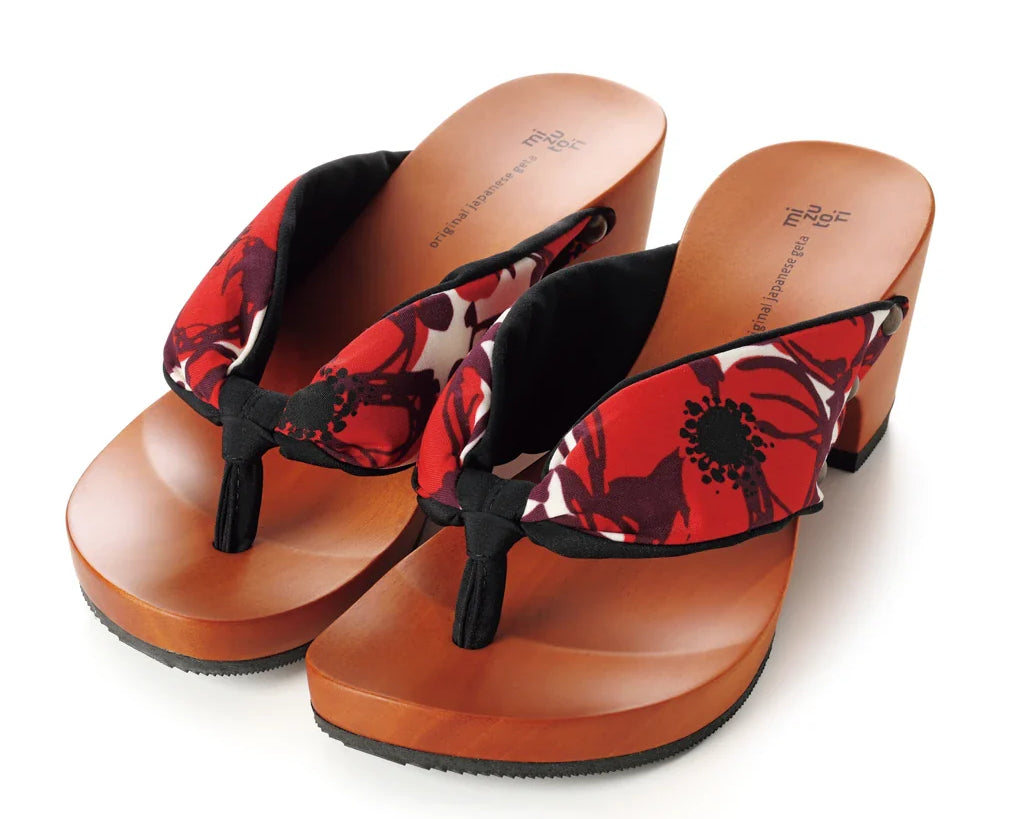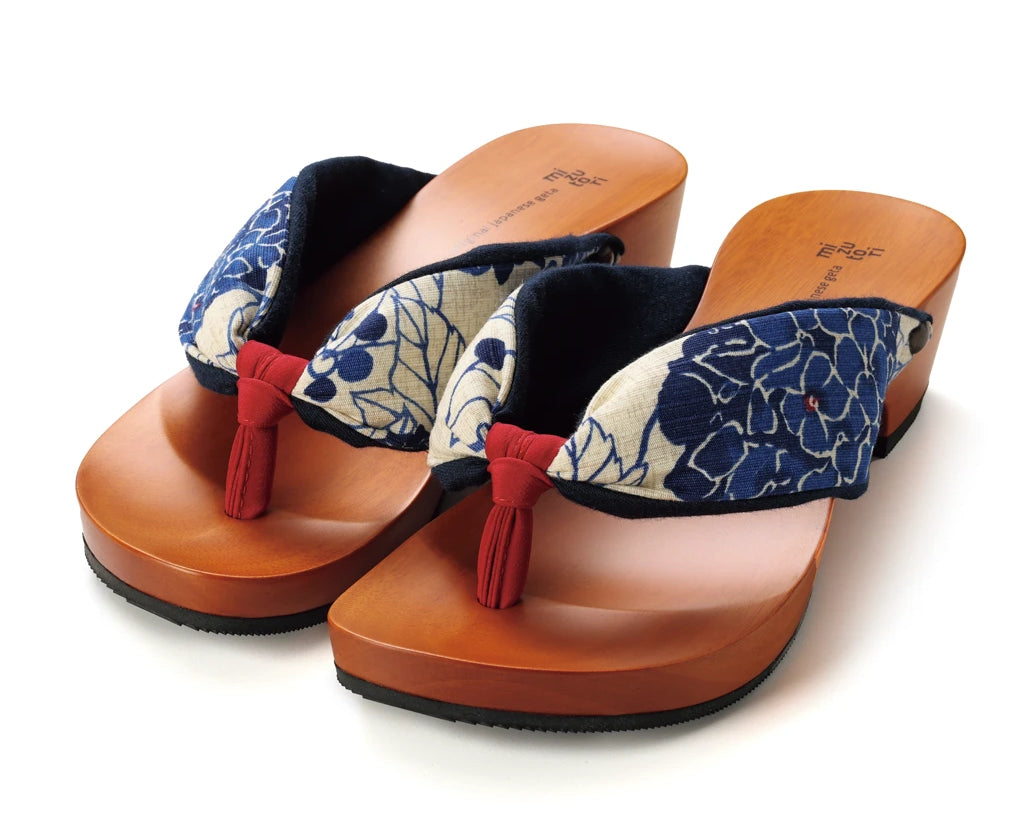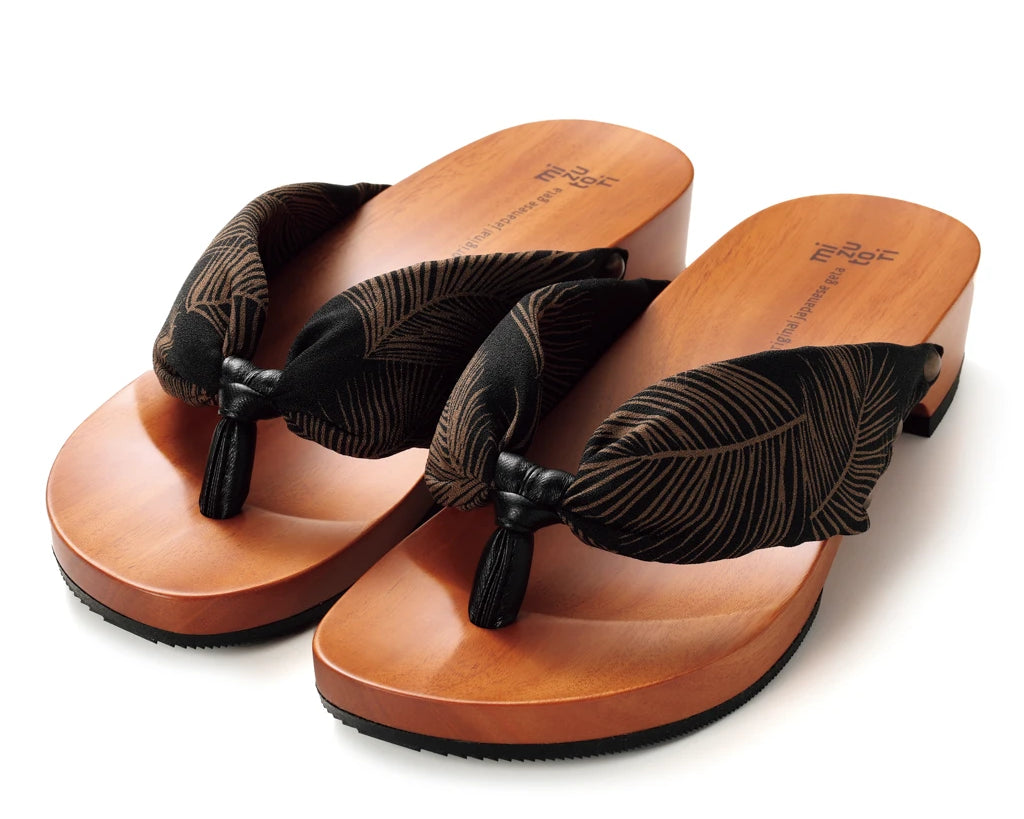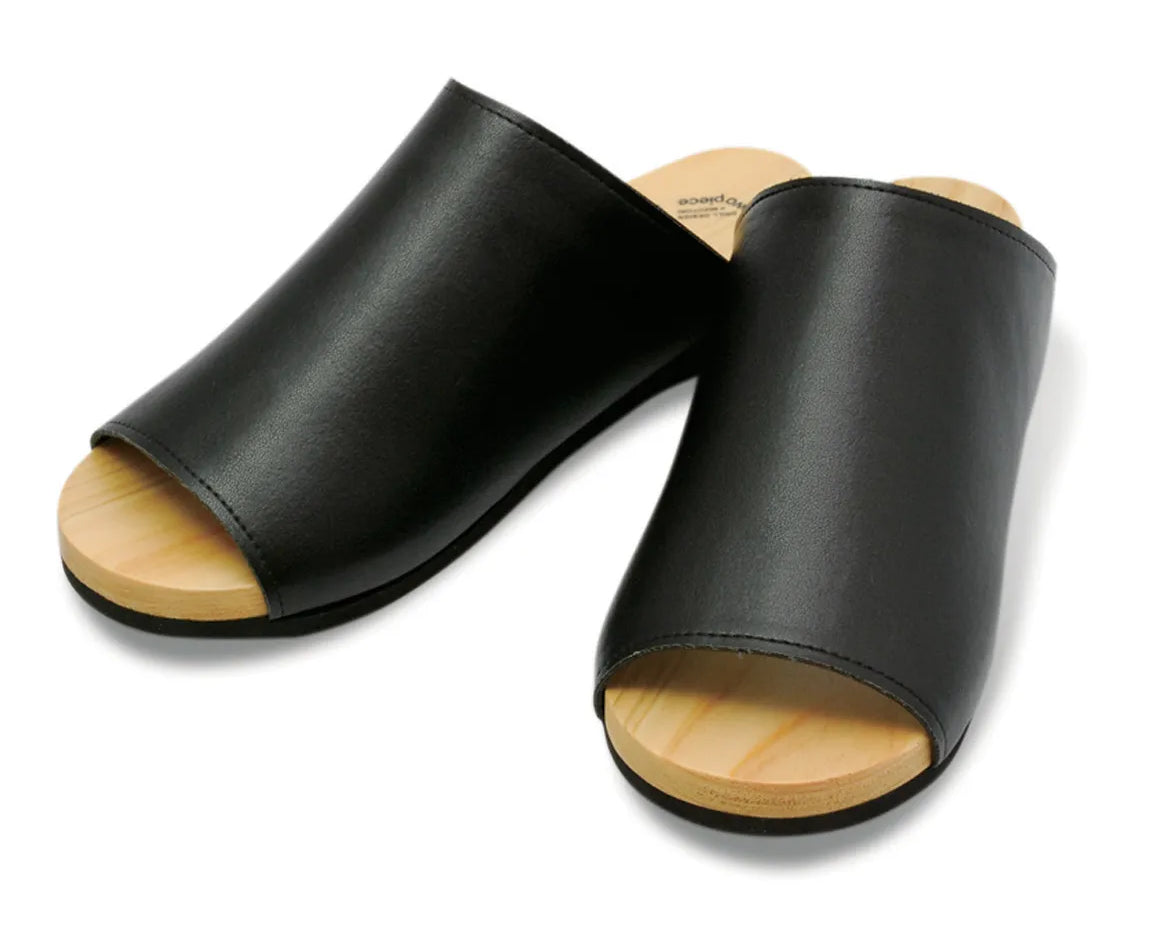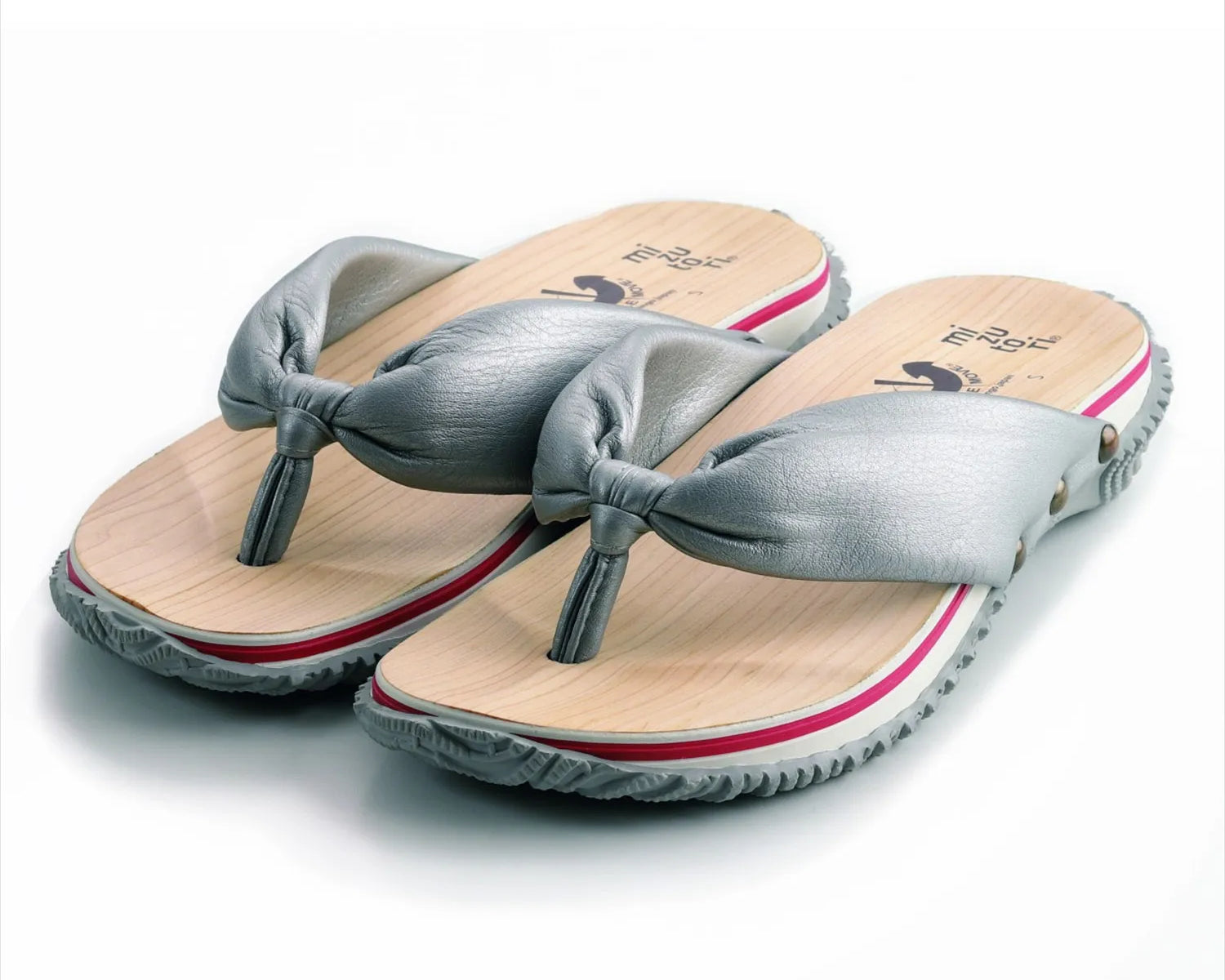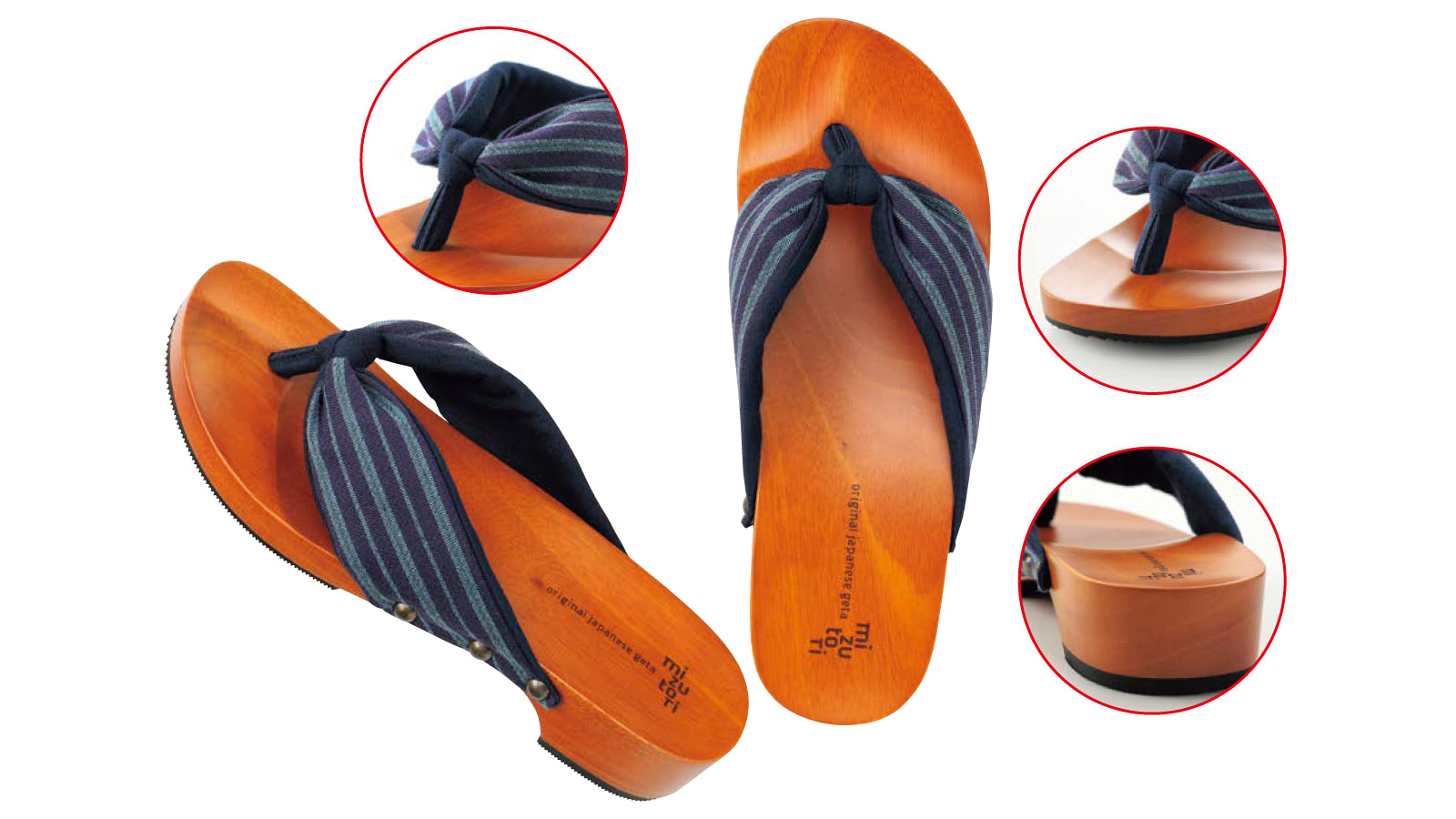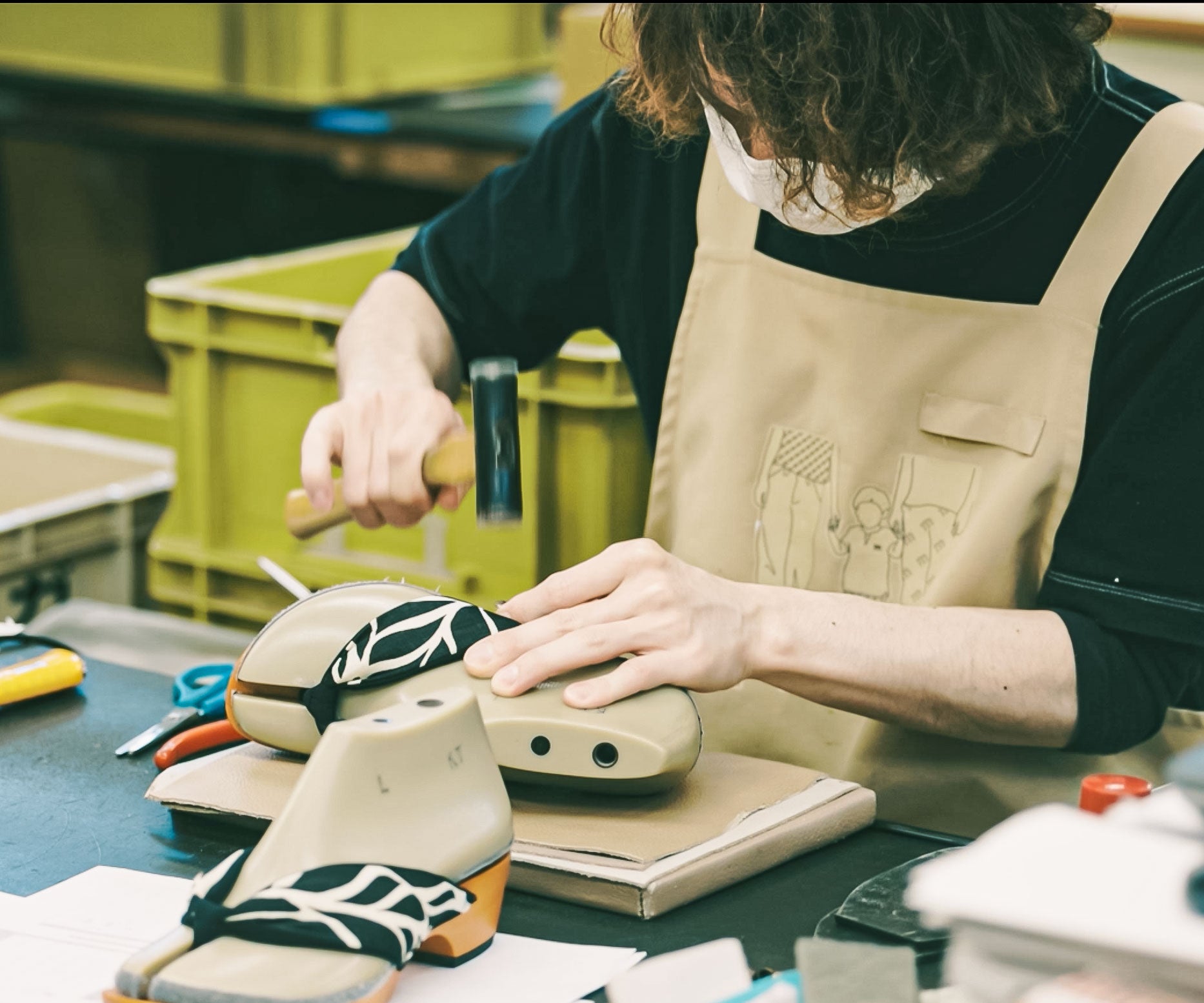
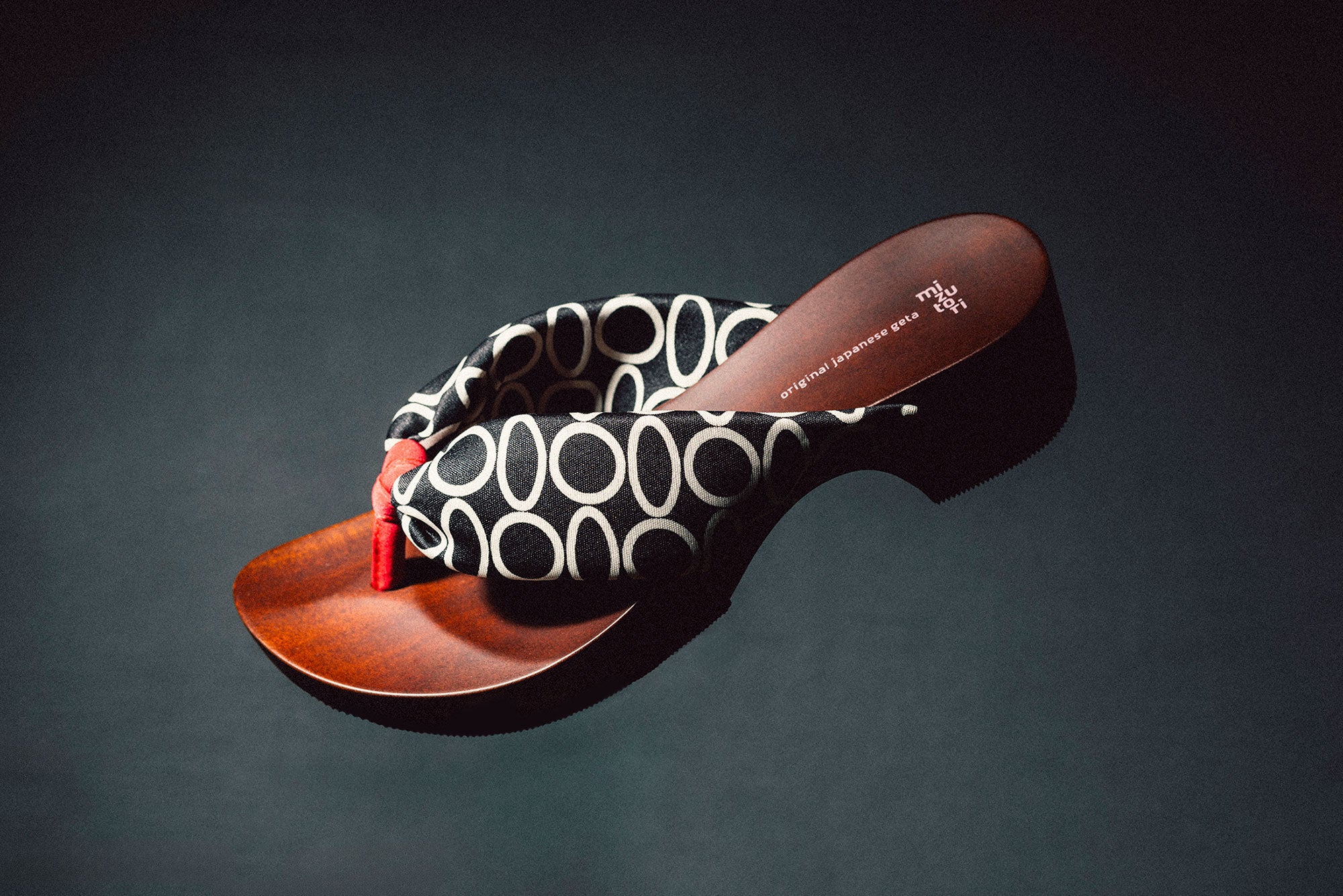

mizutori creates modern Japanese wooden sandals (geta) designed for comfort and everyday wear.
Episode 10
A Turning Point for the Brand
Part 1 — The Story Behind “Hinoki no Hakimono”
mizutori has long explored new possibilities for Japanese wooden sandals. One of the most significant turning points came with the creation of “Hinoki no Hakimono,” a series made from locally sourced Shizuoka hinoki cypress.
The project began nearly twenty years ago, when the city of Shizuoka launched an initiative connecting local industries with designers to develop new products. Through this program, we had the opportunity to collaborate with costume artist HIBINO KODUE, a Shizuoka native known for her work on a nationally broadcast Japanese cultural television program.
For us, it was both an honor and an immense challenge.

Where Design Meets Craft
Until that time, mizutori had handled product planning and manufacturing entirely in-house. We had never worked from a professional designer’s independent concept.
When we received the first sketches, we were stunned. They looked nothing like conventional geta. Elegant. Refined. Modern.
They were not technical blueprints — only drawings.
There were no measurements, no structural instructions. We were asked to transform an artistic vision into wearable wooden footwear.
If we prioritized comfort too much, the design would change.
If we adhered too strictly to the design, we risked losing the comfort that defines mizutori.
Material selection was equally critical. The sandals needed to reflect the designer’s light, delicate aesthetic while maintaining durability and a smooth feel against the skin.
A Pair Born from Persistence
For the footbed, we chose thinned Shizuoka hinoki cypress — wood sourced from local forest thinning efforts. However, if carved as thin as depicted in the drawings, the wood risked cracking under weight.
We sought help from a local furniture manufacturer and experimented with compressing approximately 10mm wooden boards to nearly half their thickness. After repeated trials, we succeeded in creating a thin yet resilient wooden base.
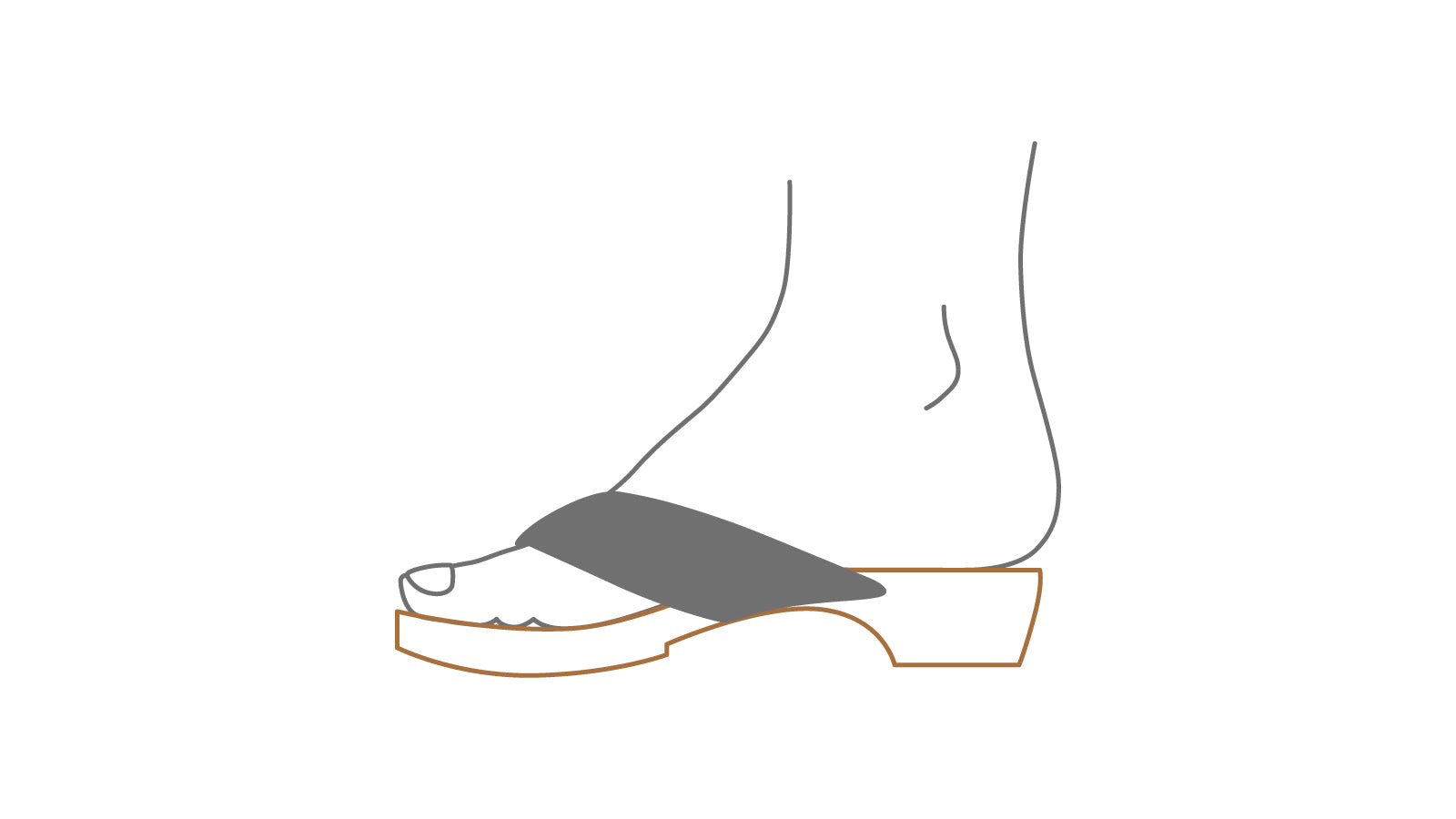
To enhance comfort, we also introduced a subtle curvature to follow the natural shape of the foot. This bending process proved extremely difficult. Preventing wrinkles or surface distortion in the wood required exceptional precision.
In fact, it would not be an exaggeration to say the technique succeeded almost by chance. Even today, few workshops are able to replicate this level of processing.
After countless prototypes, both the designer and our craftsmen finally reached a shared sense of satisfaction.

Looking back, those days felt almost like training — a test of endurance and dedication.
Yet that experience became the foundation of the mizutori development team’s never-give-up spirit.
“Hinoki no Hakimono” ultimately marked a decisive turning point — reshaping the image of mizutori and Mizutori Kogyo alike.