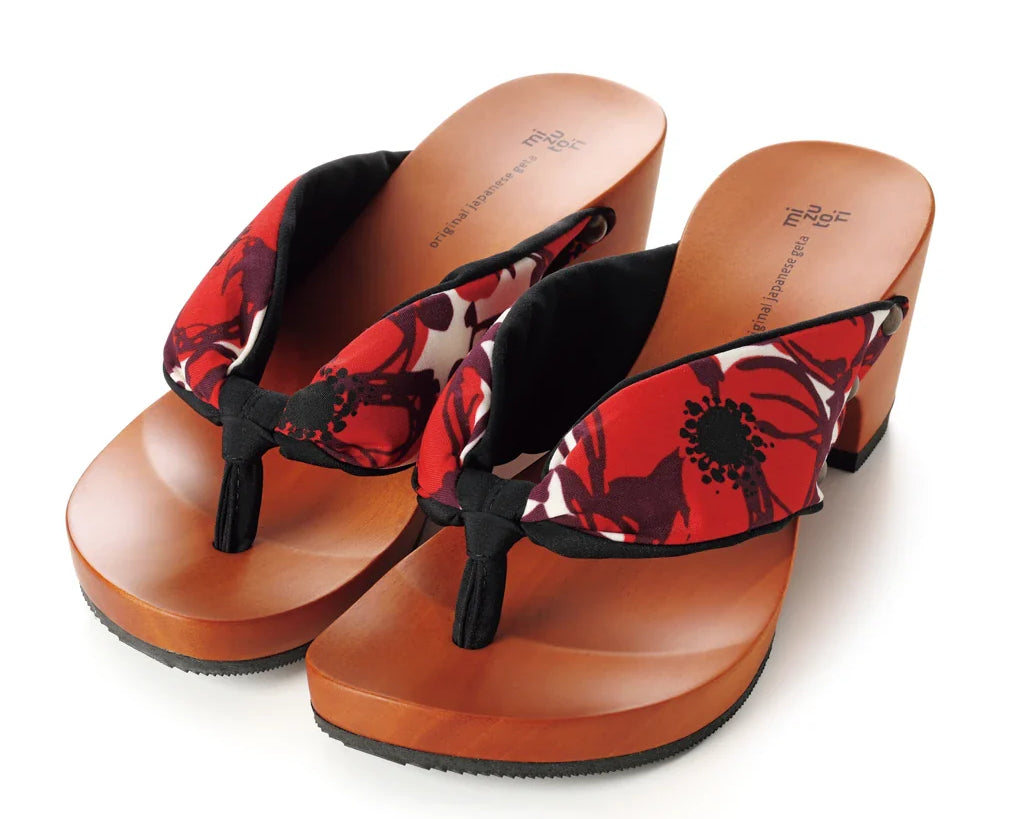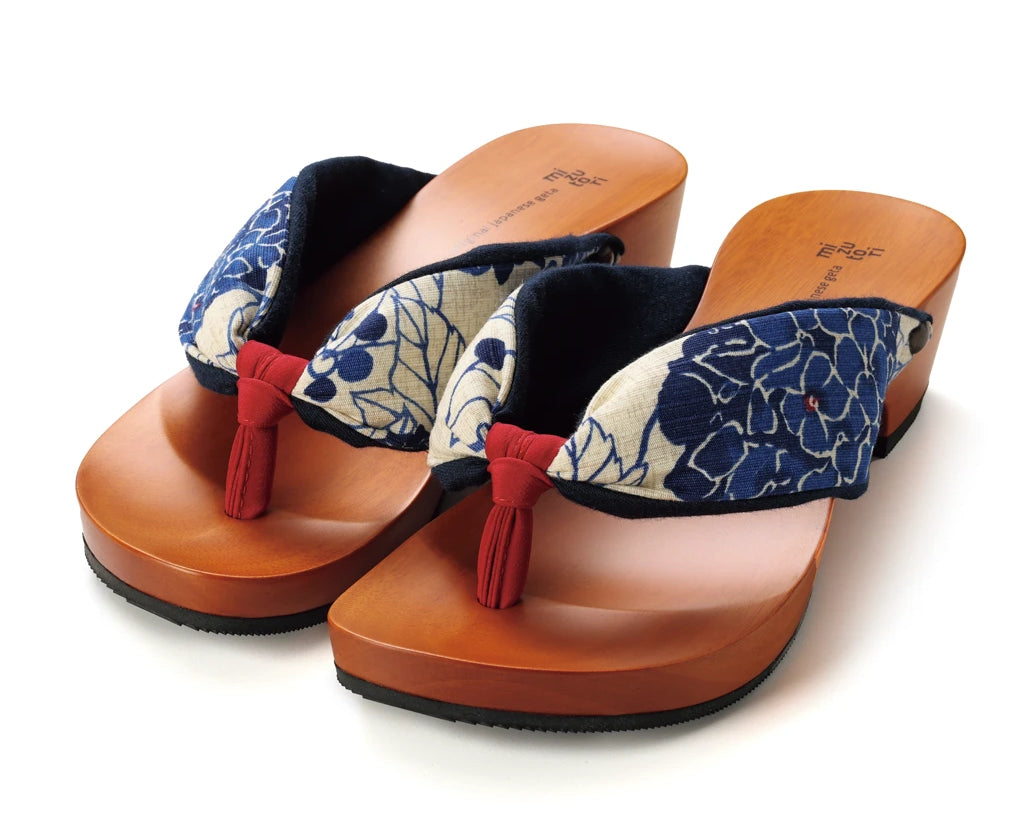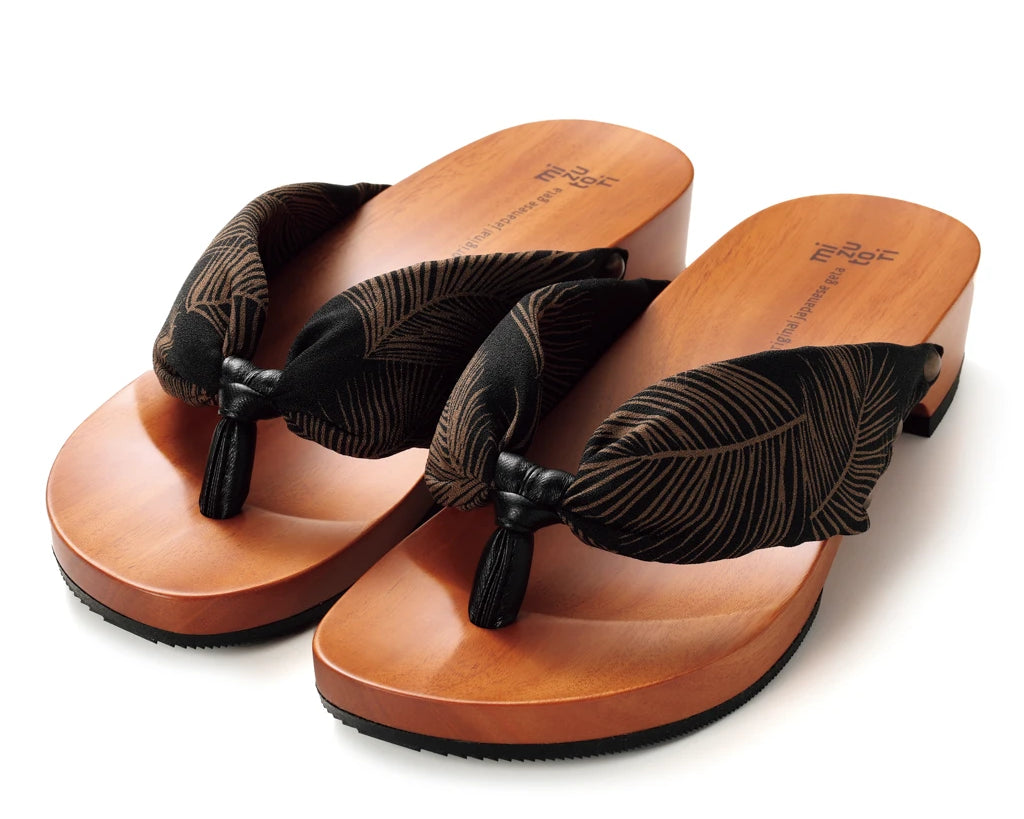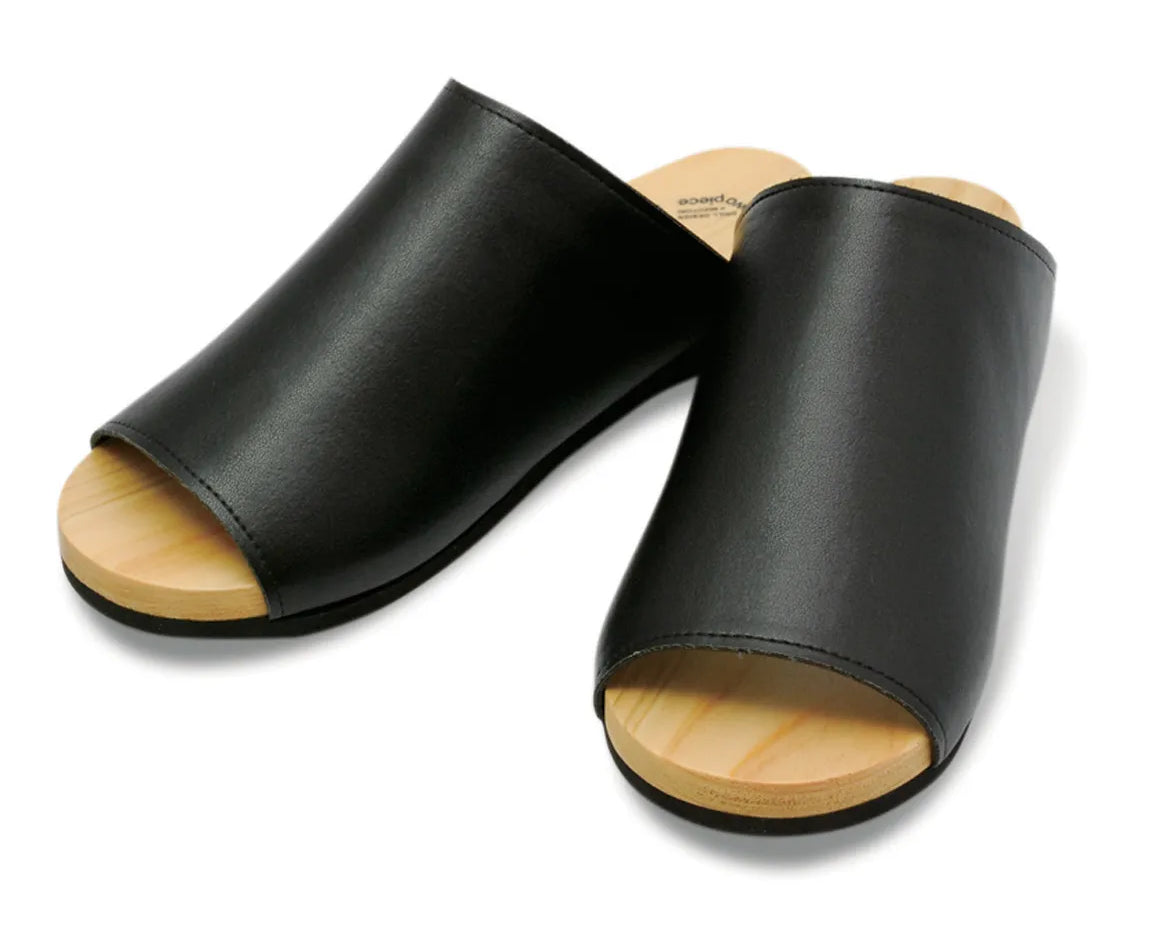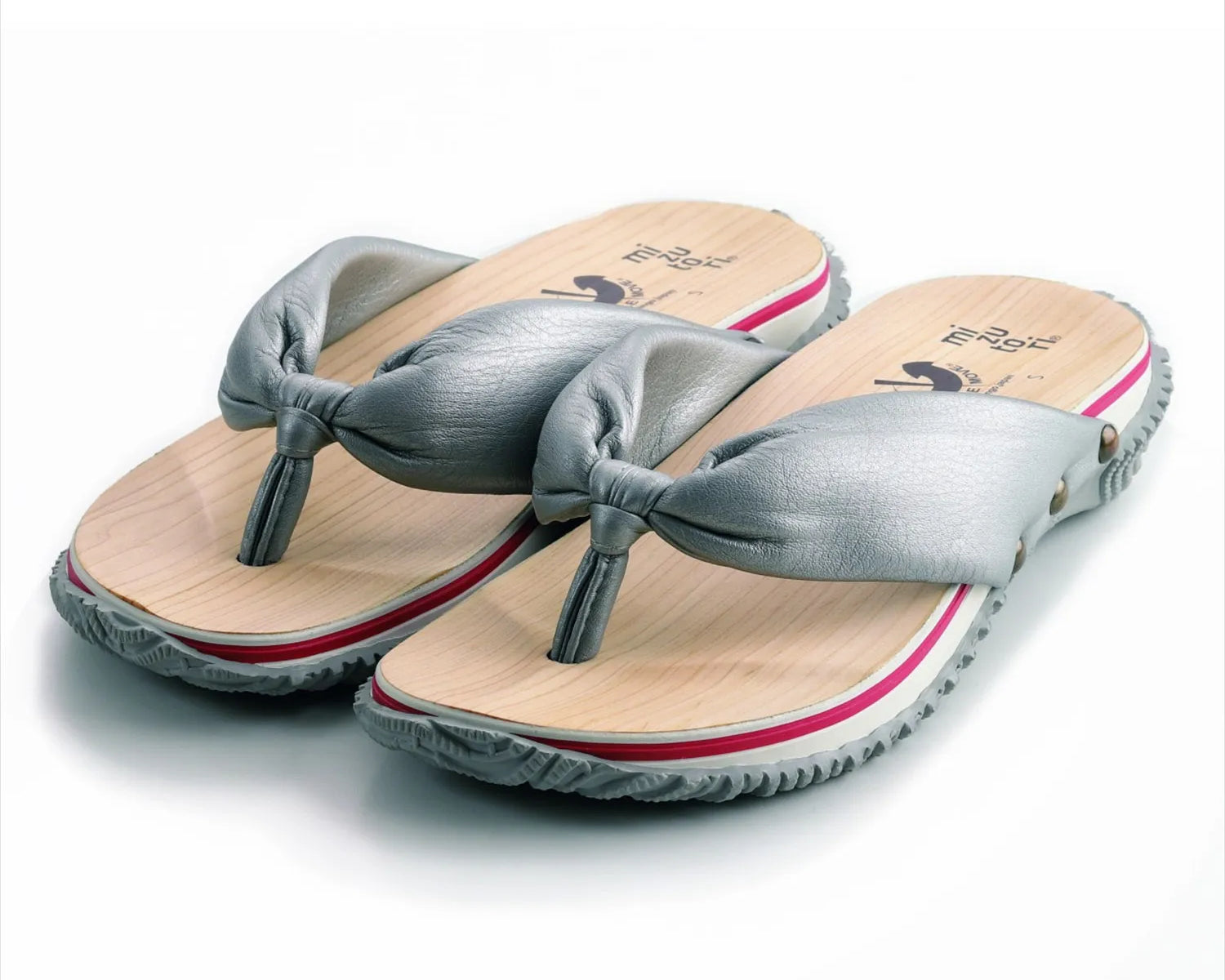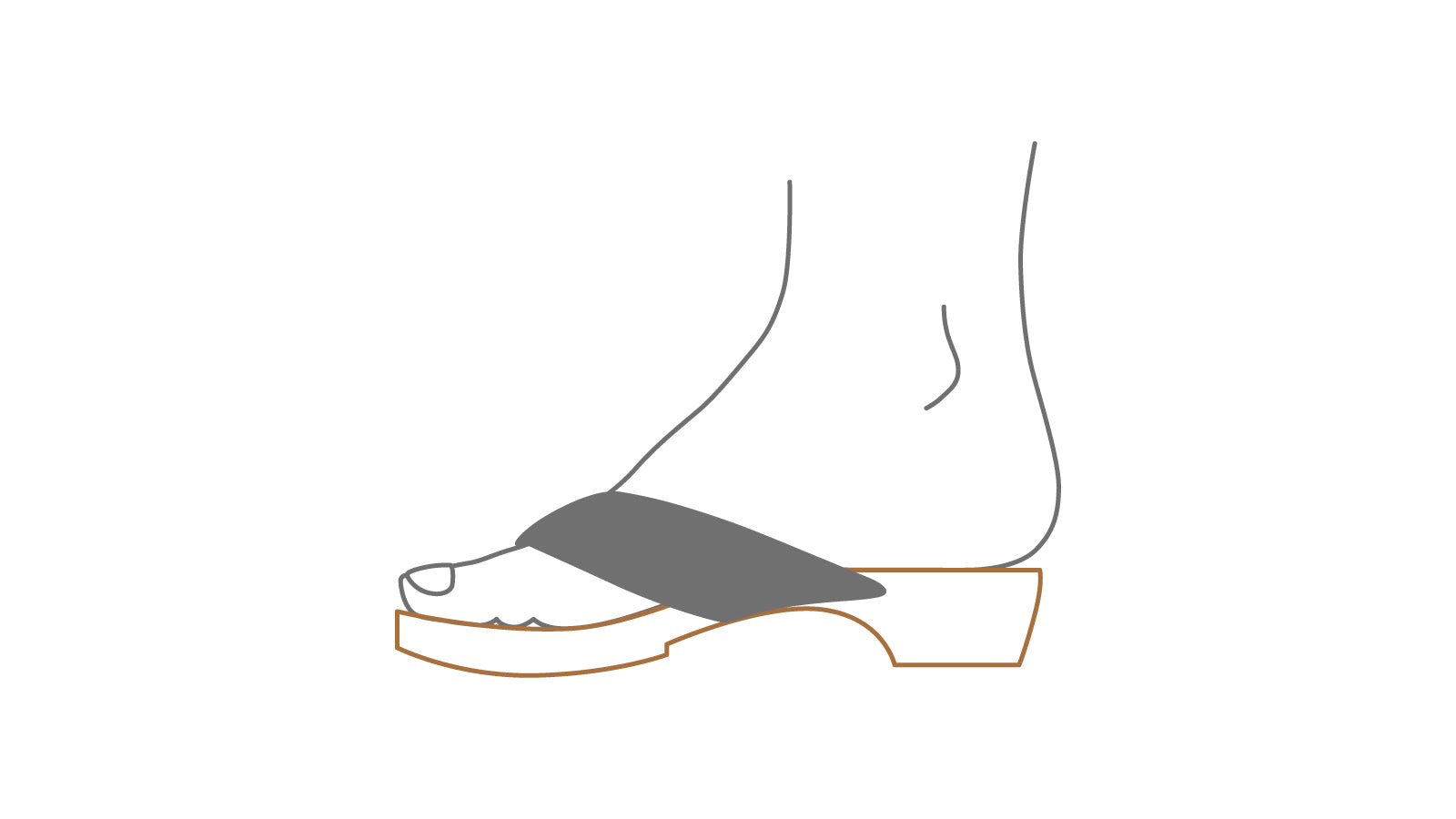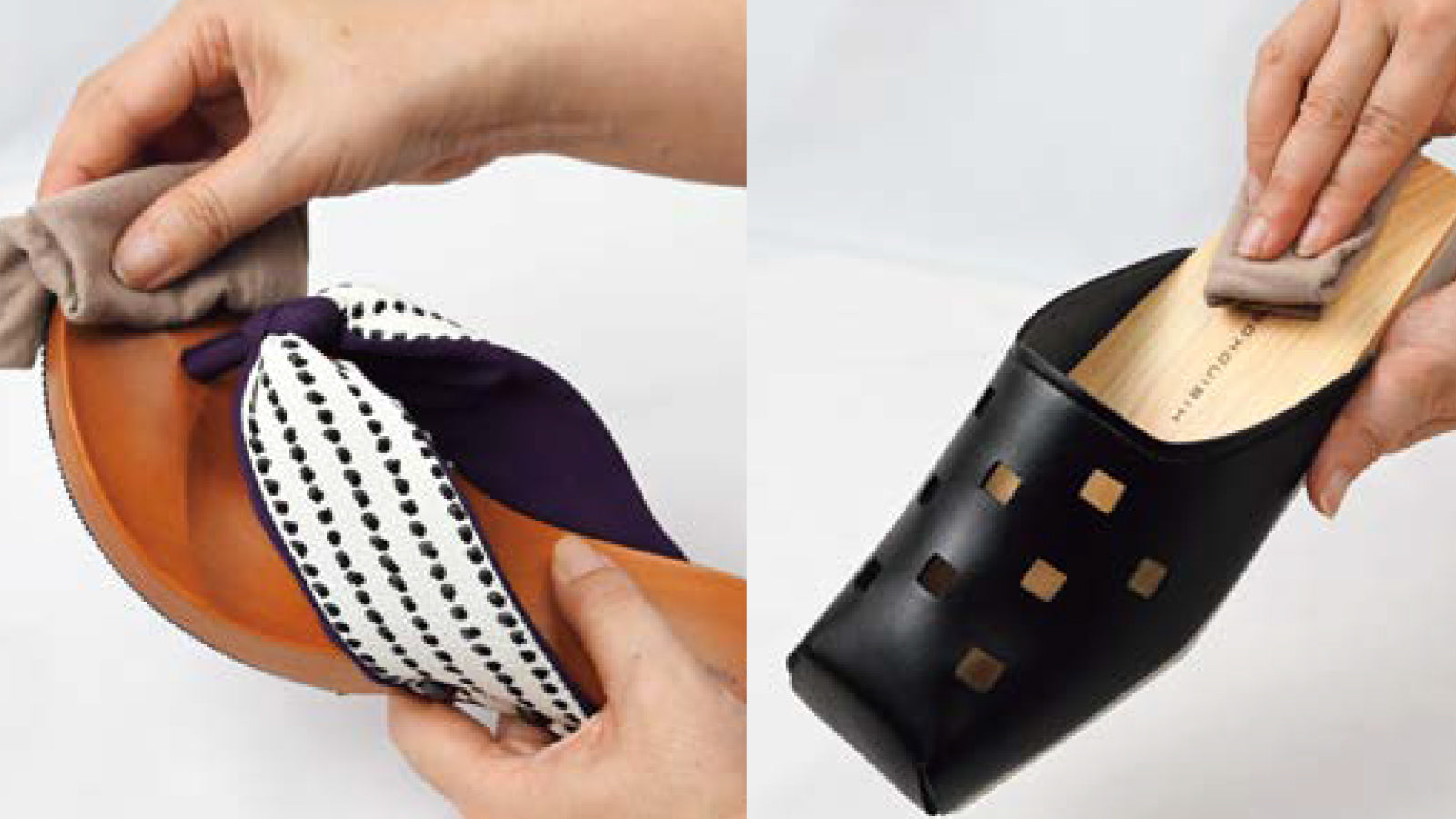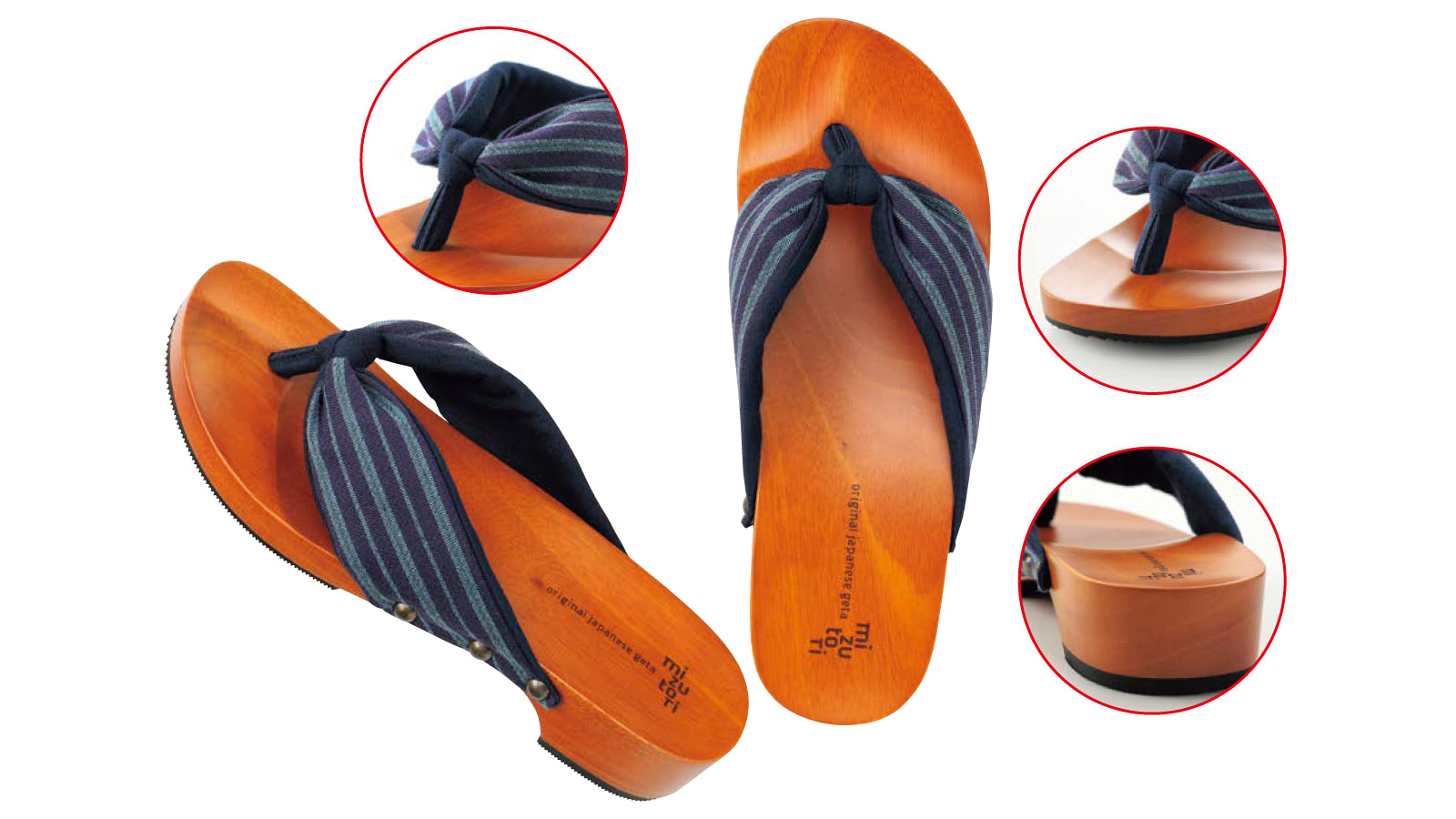
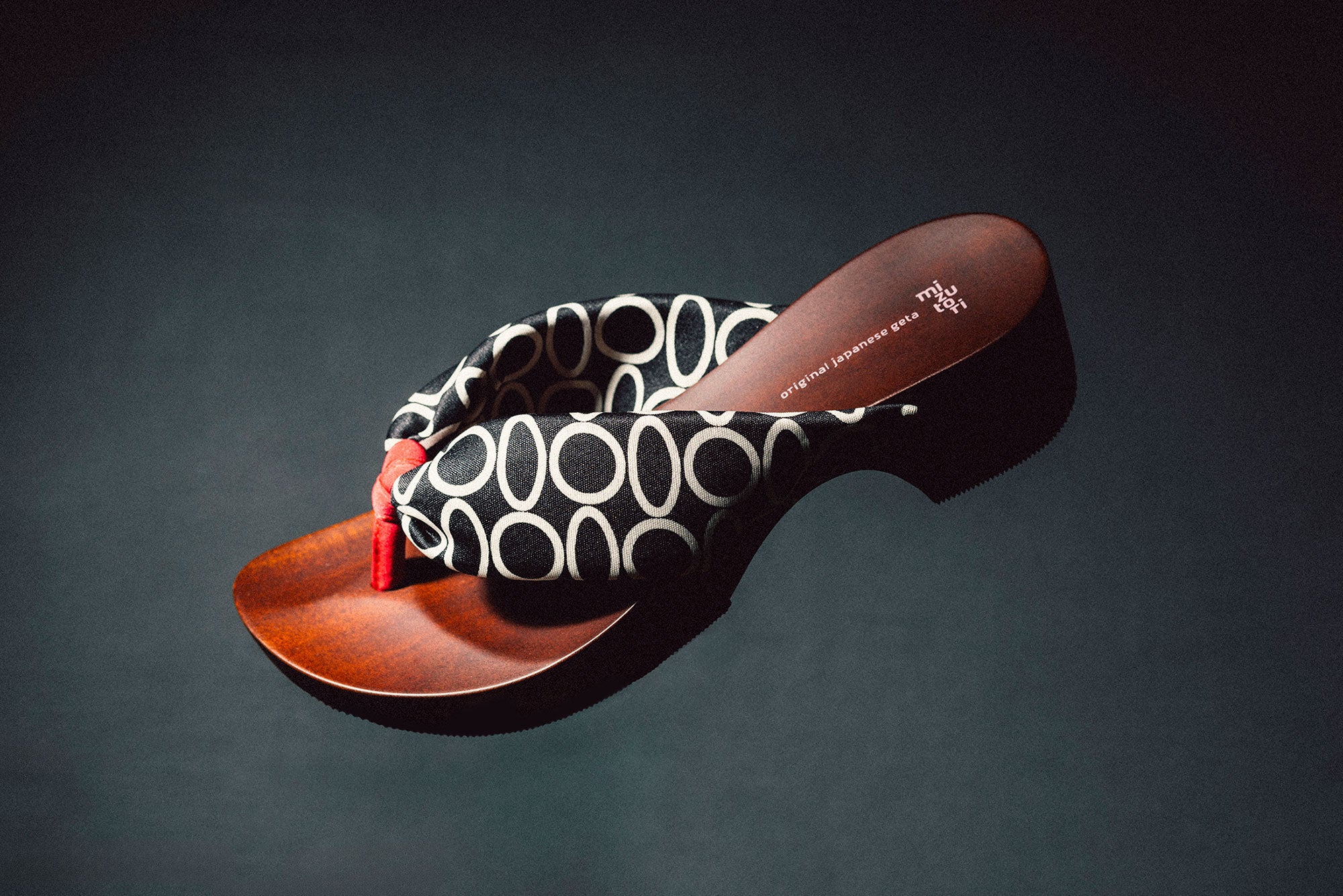

mizutori creates modern Japanese wooden sandals (geta) designed for comfort and everyday wear.
Episode 8
Did Geta Evolve in Times of Peace?
“Geta are footwear that evolve in times of peace. They are a beautiful culture shaped by Japan’s climate.”
These were words often spoken by our previous president.
What did he mean by this?
In this episode, we look at the roots of geta — a form of footwear that has walked alongside the Japanese people — and explore its relationship with Japan’s climate, peace, and culture.
■The Origin of Geta — Wisdom Born from Nature
Japan’s climate is humid, with frequent rain and muddy ground.
It was in this environment, during the late Yayoi to Kofun periods, that ta-geta (field geta) first appeared. Created to protect feet from mud and water, these early forms were practical tools rather than fashion items.
At that time, there were no hanao straps. The footwear was tied to the foot with cords, emphasizing pure functionality over aesthetics.

■From Tool to Symbol of Status — Heian to Kamakura Periods
As time progressed, geta gradually came to be worn by aristocrats and Buddhist monks.
Raised footwear was needed to protect fine garments from dirt and mud. Still, geta were not yet common among the general population — they remained footwear of the privileged class.
■Peace and Cultural Flourishing — Muromachi to Edo Periods
When periods of warfare subsided and peace returned, people’s lives gained stability and leisure.
It was during the Edo period that geta reached their fullest cultural expression.
With the growth of commerce and urban life, geta became everyday footwear for everyone — from samurai to townspeople, regardless of age or gender.
No longer merely practical, they evolved into a means of style and self-expression. Through materials, colors, shapes, and decorative hanao, people expressed elegance, individuality, and even the seasons.
New variations emerged to suit different occasions:
tall geta for rainy days, everyday styles for fair weather, and the distinctive pokkuri worn by maiko.

As demand grew, specialization advanced.
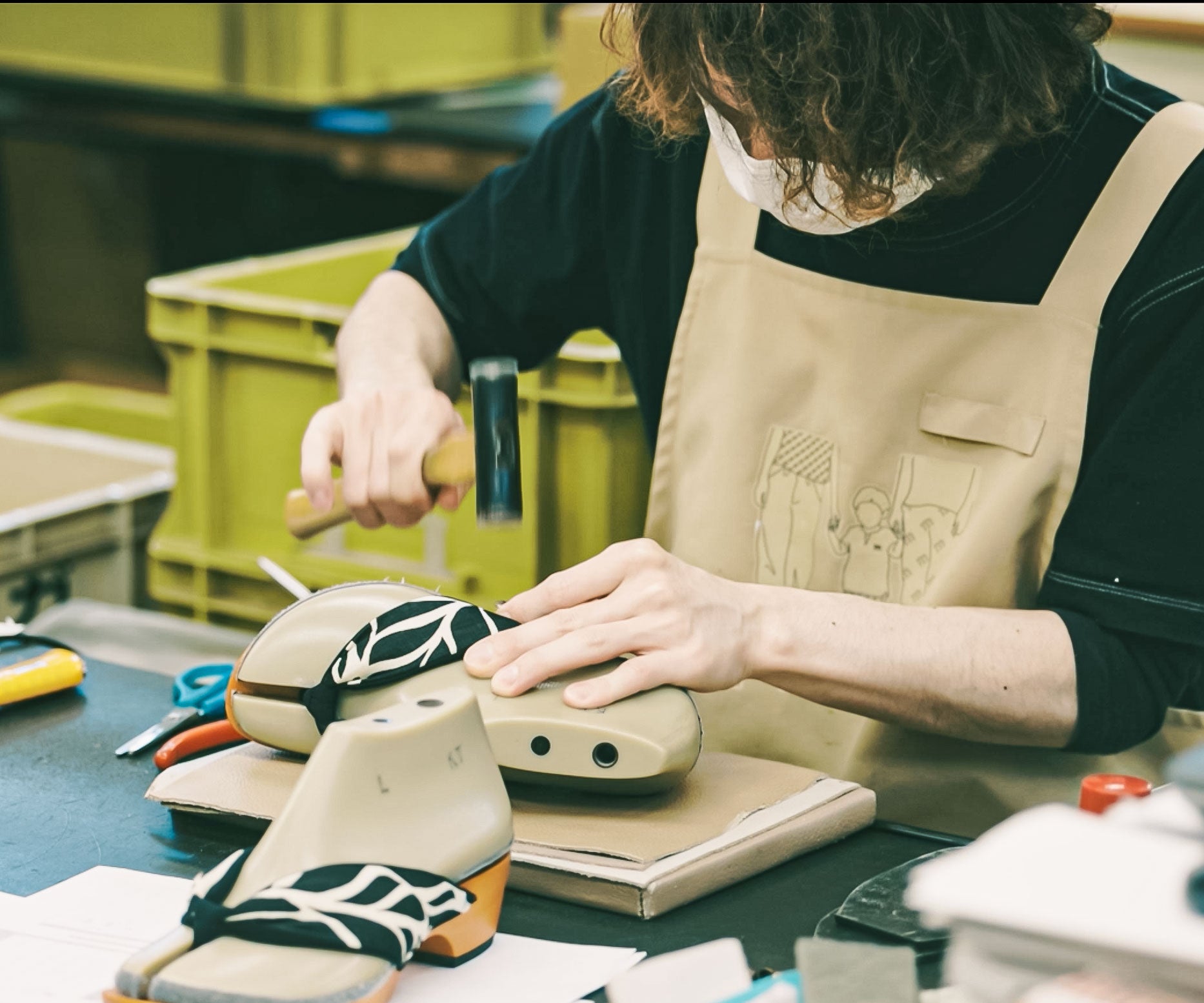
Geta craftsmen and hanao artisans refined their respective skills. Woodworking and textile techniques reached new levels of sophistication, transforming geta into objects where craftsmanship and aesthetics became one.
■The Evolution of Geta Continues — Toward the Next 100 Years
History shows us that geta have always harmonized with Japan’s natural environment, flourishing especially in times of peace — when creativity and craftsmanship could thrive.
For us, geta are more than footwear.
They are a beautiful cultural expression shaped by wisdom, artistry, and the quiet stability of peaceful times.
At mizutori, we honor that essence while proposing a new form of geta for contemporary life.
The gentle kara-koro sound made when walking in wooden footwear was once part of everyday life. Today, we add rubber soles to suit modern environments, yet the comforting resonance unique to wood remains.
Respect for tradition. Consideration for the present.
Both are woven into our craftsmanship.
As we look toward the future, we hope for a world peaceful enough that people can continue to live in geta.
And when you next hold a pair in your hands, we invite you to reflect for a moment on the history and spirit carried within them.